
 € - US
 Čeština
 Magyar
 Slovenščina
 Română
 български
 English
 Slovenčina
 Polski
 Dansk
 Nederlands
 Svenska
 Suomi
 Español
 Français
 Português
 Deutsch (DE)
 Deutsch (AT)
 Deutsch (CH)


Great shoes, I’m absolutely thrilled with them.

The delivery options available for your country are shown in the cart before you complete your order.* If you have any questions about delivery, you can always contact us.
Delivery terms and prices are listed on a separate page.
*The carriers currently on offer and their prices are clearly shown in the cart before you complete your order.
You can pay online by card, Apple Pay or Google Pay (selected countries) or by bank transfer, and in some countries also with PayPal or cash on delivery. The payment methods available to you are shown in the cart. If you have any questions about payment, you can contact us.
You can enter your discount code in the cart once you have added all the products you want to order.
Cash on delivery is not available in every country. The payment methods available to you, and any fees, are shown in the cart before you complete your order.
Yes, we ship internationally. Delivery terms and prices are listed on a separate page, and the options for your country are always shown in the cart.
Free shipping depends on the value of your order and the destination country. If your order qualifies, free shipping is applied automatically in the cart.
To return shoes, please fill in the online form on our website. If you have any questions about returns, you can contact us.
Pack the goods carefully and send the parcel to the return address given in the form. We will refund your money to the account you provide within 14 days of your withdrawal from the purchase.
If you choose our return shipping in the online form, the refund will be reduced by the shipping cost stated there.
You will find all the details here.
Your shoes are covered by a 2-year statutory warranty. If you need to make a claim, please follow the instructions on this page.
We settle warranty claims within 30 days of receiving them, and we do our best to make everything go as quickly as possible.
You will only enjoy real comfort in shoes that fit perfectly. You can simply return the shoes within 120 days. For the right size, you can ask our customer service or order it directly in the online shop. Send back the original pair using the online form on our website.
We try to keep as many models and sizes in stock as possible. Even so, some sizes may sell out. When that happens, we do everything we can to have our suppliers send them as soon as possible.
If a size is displayed but is not in stock, you can still order it and we will send it as soon as it arrives. In that case the website always shows the expected delivery date, or the expected number of weeks from your order, as guaranteed by the supplier.
We also recommend subscribing to our newsletter, where we regularly announce new arrivals at Premium Barefoot.
Write to us at orders@premiumbarefoot.com or, better still, use our online chat, which is open on working days from 10 a.m. to 5 p.m. (CET).
Write to us at orders@premiumbarefoot.com or, better still, use our online chat, which is open on working days from 10 a.m. to 5 p.m. (CET). Tell us the order number from your confirmation email and we will take care of the rest.
Yes, we have a loyalty programme for our customers. You can join by registering on our website, where you will also find all the details. The main benefits are loyalty points worth 5% of each purchase to use on your next order, electronic storage of your receipts, and regular news about new arrivals and special offers.
Barefoot shoes imitate walking barefoot. They give your toes plenty of room and are very flexible and light. They also have no raised heel and no arch support.
At the same time, they protect your feet from dirt, cold and injury and, unlike bare feet, they go with your outfit. Apart from a few details, they look just like conventional shoes.
Barefoot shoes always have a toe box wide enough for your toes and a flexible sole. You will find neither arch support nor a heel.
The sole is usually only a few millimetres thick, although in city shoes in particular it may be lightly cushioned.
Barefoot shoes let your feet work fully when you walk correctly. They give your toes enough room and do not interfere with your posture in any way – your body is perfectly adapted to walking and running. They imitate walking barefoot, and as a result not only the muscles and ligaments of your feet work better, but also your knees, hips, core and spine.
Read more in the article 6 reasons to wear barefoot shoes and what barefoot means.
The important thing is to start gradually and learn to walk correctly: place your heel down gently, shift your weight across the whole foot and push off with your toes. Above all, slow down and shorten your stride. Then your feet certainly will not hurt.
When running, the way your foot lands matters even more.
You can of course wear socks in barefoot shoes. Just make sure they do not squeeze your toes too much, or you will lose one of the benefits of barefoot shoes. You can also wear our barefoot socks with extra room for the toes.
With the right care, many barefoot shoes can also be worn without socks.
You may be more familiar with the word “heel” – the meaning is very close to drop. It is simply the difference in height between the front of the shoe and the heel.
Barefoot shoes are based on the idea that our feet are perfectly adapted to walking and running and do not need a heel. A raised heel also has a negative effect on your whole posture.
It is important, however, to land correctly: in many “conventional” shoes the heel is there to absorb hard impacts on the heel bone, which unfortunately encourages an unhealthy way of walking.
You can alternate between barefoot and conventional shoes, but you will probably soon not want to wear anything else. Barefoot shoes are far more comfortable, and your toes may naturally spread a little, so the narrow front of “conventional” shoes will start to feel unpleasant.
Yes – barefoot shoes can even help considerably with arch problems. The cause is very often weakened muscles and ligaments in the foot, which walking barefoot strengthens.
The switch to barefoot should, however, be made carefully, gradually and ideally under the guidance of an experienced physiotherapist, who will recommend suitable exercises to strengthen the arch.
Barefoot shoes have a flexible and very thin sole (usually 3 to 7 mm), which may make you think the cold from the ground will get through. Once you have your barefoot shoes and have learned to walk properly in them, your feet regain their natural ability to regulate temperature and you certainly will not be cold on a walk.
When you walk, the muscles of the foot are much more active thanks to the roomy shoes and can move freely. This stimulates circulation, the foot is well supplied with blood and becomes its own source of heat.
Of course, if you stand still for a long time, your feet may get cold – just as in any other shoes. In barefoot shoes, though, you only need to wiggle your toes a little for your feet and legs to warm up quickly.
For the youngest walkers, walking in barefoot shoes from their very first steps is completely natural and comfortable. The shoes are light, very flexible, give little toes enough room and support the healthy development of a child’s foot. The key is a well-chosen size and a model that matches the shape of the foot.
Badly chosen shoes not only cause swelling or blisters but can also deform the toes or have a negative effect on the way a child walks.
Barefoot shoes are suitable for all age groups, taking your state of health into account. You can wear them on any occasion and in any season. Walking in conventional shoes increases, for example, the risk of developing a bunion (hallux valgus). In barefoot shoes, by contrast, the wide toe box means the affected area is not under excessive pressure, which brings relief.
Before you start shopping, consider your overall state of health. Barefoot shoes are not suitable for absolutely everyone. If you have a congenital anatomical malformation of the feet or an orthopaedic defect, consult your physiotherapist or orthopaedist first – otherwise you could hurt yourself unnecessarily when walking. Barefoot shoes are not recommended for certain orthopaedic and neurological diagnoses. If you have diabetes, consult your doctor before buying barefoot shoes.
If you have a bunion (hallux valgus), you will feel relief and comfort in barefoot shoes. The wide toe box reduces or completely removes the pressure on the big toe joint.
An excellent addition to barefoot shoes are toe separators, which help straighten the position of the toes and restore the overall shape of the foot. By stretching the small muscles of the toes, they help improve balance, stability, gait and posture.
A heel spur is a bony growth on the underside of the heel that develops when the soft tissues attached to the heel bone are overloaded. There can be many causes: long-term overloading of the foot (running on hard surfaces, standing for long periods), wearing unsuitable shoes (narrow toe box, high heels), various foot deformities (such as functional flat foot) and also poor posture.
Barefoot shoes are certainly not suitable during the acute pain that accompanies a heel spur. On the contrary, they serve to prevent it, so it is best to switch to them once the spur has healed. Walking barefoot has the advantage of loading the foot and the whole leg evenly, without the risk of one-sided overload.
Barefoot shoes have no thick sole, no heel and no insert acting as arch support. Their sole is thin, without a raised heel, and provides no support for the arch.
In general, barefoot shoes are about comfort and the health that comes with it. Room for the toes, lightness, flexibility, a thinner sole and zero drop make the right muscles – not only those in your feet – work harder, which protects your joints and other tissues. By wearing barefoot shoes you can ease or eliminate many of your problems.
If you have pain or other difficulties, you should see a specialist and learn how to look after and exercise your feet properly. If they recommend custom insoles, there is nothing better than putting them into barefoot shoes. Start gradually, listen to your body and adapt the way you walk.
Barefoot shoes are not recommended for people with extreme obesity, rare orthopaedic malformations and certain neurological diagnoses.
Feet come in different shapes. A foot with a “dominant big toe” is one whose big toe is longer than the others. A “fan-shaped” foot has a wide forefoot and a narrow heel. For each type you need to choose a shoe shape that respects the anatomy of the foot and does not squeeze the toes.
Our staff, who are regularly trained by podiatrists, will be happy to help you make the right choice if you contact us. If you order in the online shop, we state for each model which foot type it suits. And if it still does not fit, nothing is easier than sending it back and choosing another model.
With proper care, your barefoot shoes will last for years – you just need to know how. Each type of material has its own products for cleaning, for subsequent care and for waterproofing. You will find them all in our shoe care category.
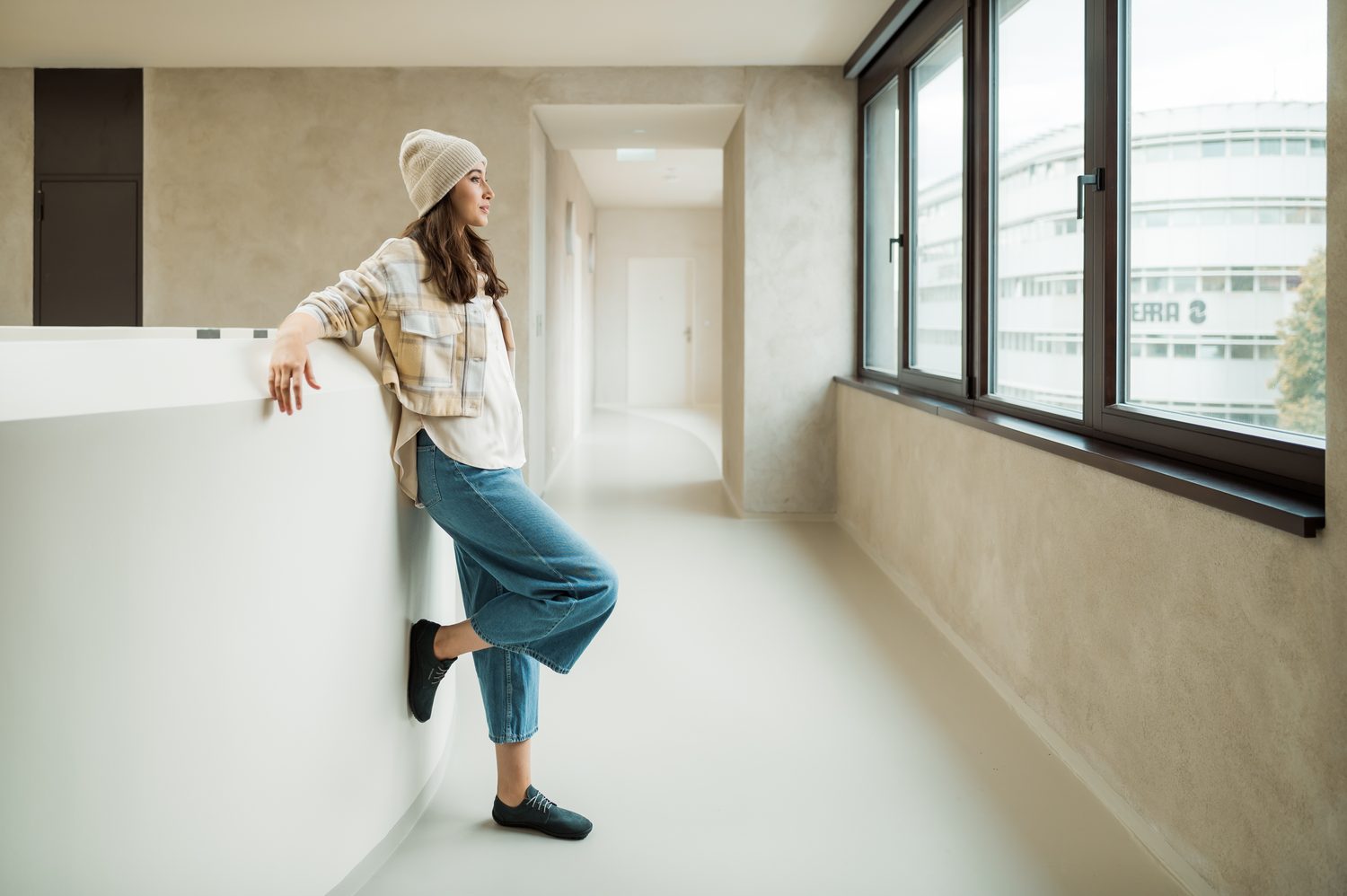
With pleasure. The easiest way is to contact us – our trained staff will advise you.
If you already have some models in mind, order them in the online shop. If they do not fit, simply send them back within 120 days and choose another model. That way you can be sure of ending up with shoes that fit.
You can also write to orders@premiumbarefoot.com.
The first step is to measure the length of your foot and add the toe allowance.
For every shoe model in the online shop you will find a size guide that helps you work out the right size. Because of the toe allowance, it will very probably be larger than the size you have been buying in conventional shoes. If in doubt, you can contact us – our professionally trained staff will help you choose the model best suited to the shape of your foot.
When choosing children’s shoes, also take into account the width and shape of the foot, the volume of the heel and ankle, and the height of the instep.
A correctly chosen shoe size guarantees maximum comfort for your feet, so you will enjoy every step. It prevents swelling and blisters as well as possible toe deformities and changes in the way you walk.
When buying barefoot shoes, the length of your foot is not the same as the inner length of the shoe. With barefoot shoes we allow for a toe allowance – the space at the front of the shoe that is essential for the foot to work properly while walking. As a rule, we recommend an allowance of 5 to 10 mm for adults and 9 to 12 mm for children.
The toe allowance may vary slightly depending on the type of shoe and on your own preferences.
All you need is a sheet of paper, a pencil and a ruler. Use the pencil to mark your heel and your longest toe on the paper (that is, the point of the foot furthest from the heel). Measure the distance between the two marks. Repeat with the other foot: the difference between feet can be as much as 5 mm. The length of the larger foot is the one that counts.
To choose the right shoe size, add the toe allowance (the free space in front of the toes) to the length of your foot.
Premium Barefoot tip: Feet are measured most accurately with the PLUS12 measuring gauge, which measures the length of the foot with a 12 mm toe allowance.
You can only enjoy all the benefits of barefoot shoes in a model that fits perfectly. That is why it is important to determine not only the right foot length but also the width. With lace-up models you can tighten or loosen the laces for comfort, but with ballet flats, for example, you need a shoe that fits exactly.
If you cannot tell your foot type just by looking, use a simple formula. Divide the length of your foot by its width and compare the result with the table.
Example: foot length 24.5 cm / foot width 9.5 cm = 2.58 (WIDER)
| Foot length to width ratio | ||||
| Foot length | VERY WIDE | WIDER | MEDIUM | NARROW |
| < 13 cm | < 2.15 | 2.15–2.3 | > 2.3 | |
| 13–16 cm | < 2 | 2–2.25 | 2.25–2.5 | > 2.5 |
| 16–20 cm | < 2.2 | 2.2–2.4 | 2.4–2.65 | > 2.65 |
| > 20 cm | < 2.4 | 2.4–2.6 | > 2.6 | |
We recommend starting with brands that offer a thin, flexible sole that is still soft underfoot. You cannot go wrong with RAYVE.
For children’s shoes, it is important to choose the specific model according to the dimensions and shape of the little foot. In general, we can recommend Affenzahn for narrower feet, Froddo for medium-width feet and Beda for wide feet. You will find them all in the Children’s category.
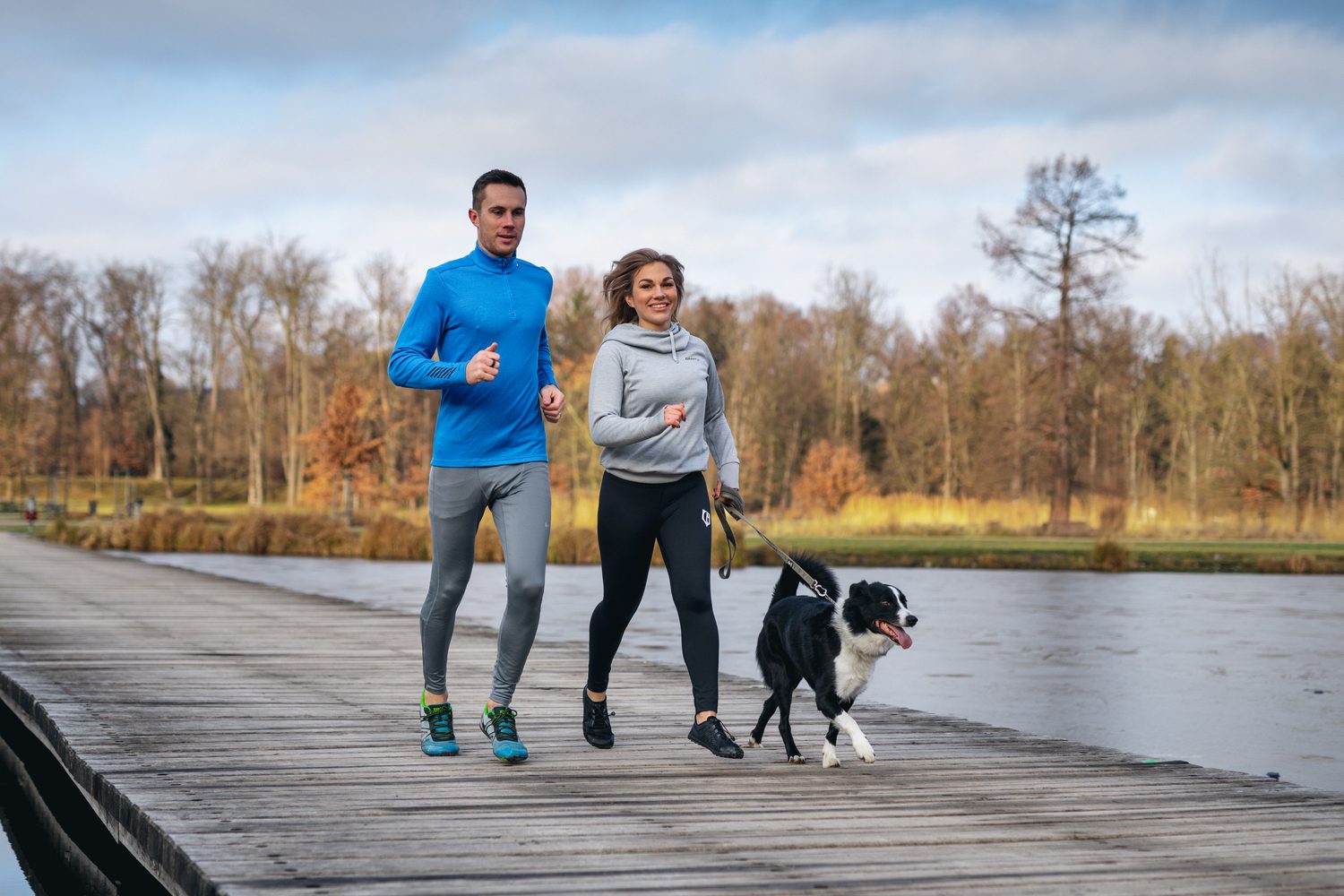
Our range of barefoot shoes includes models designed specifically for sport. Excellent sports models are made by Merrell, leguano and Saltic.
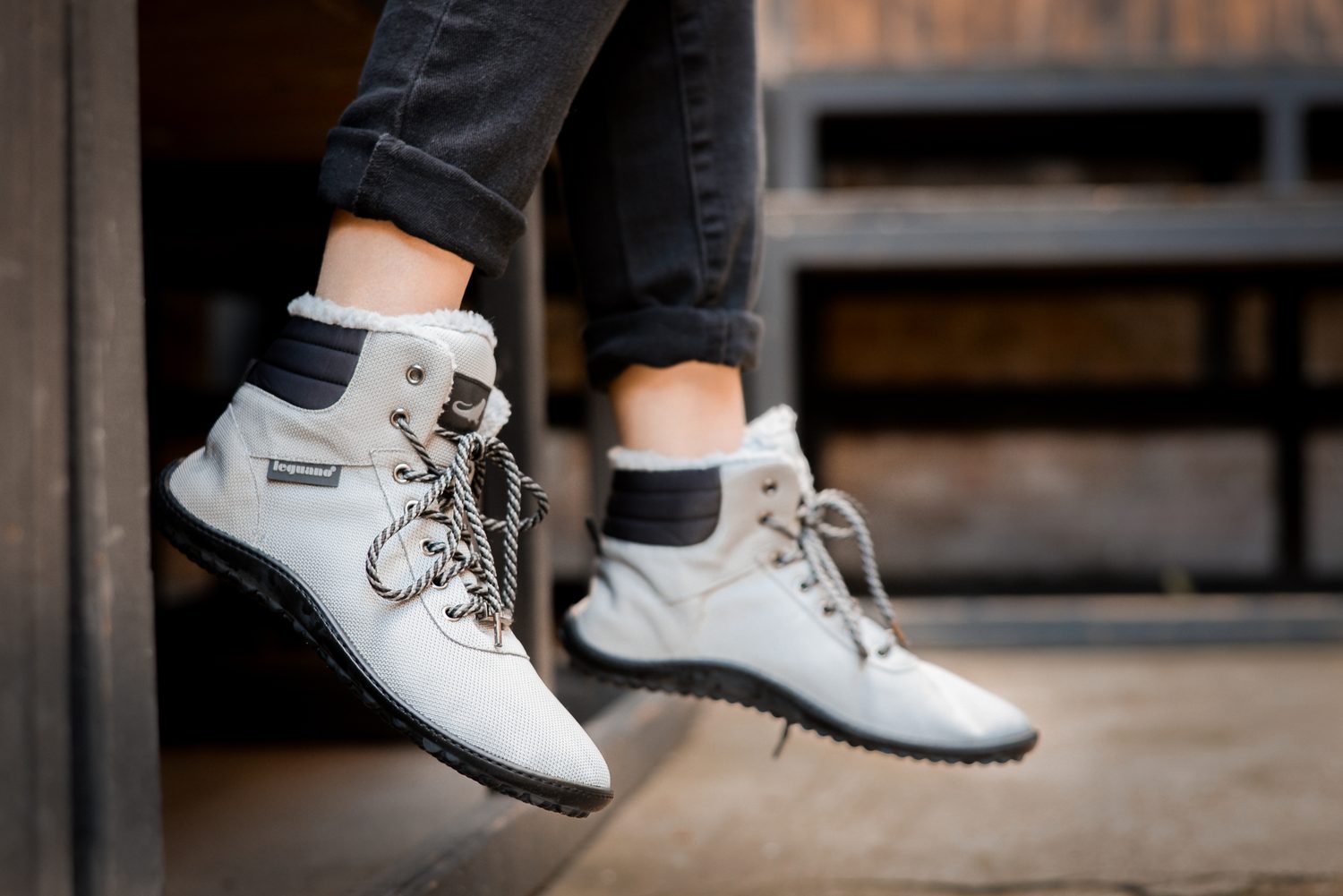
Yes. Barefoot shoes for winter and for cold, wet weather are offered by a number of brands, and new models arrive every year. At Premium Barefoot you will find insulated shoes for children, women and men.
Our favourites, which are also our best-selling winter models, include leguano husky, Angles Orpheus Winter, leguano kosmo and Saltic Vintero.
Children will enjoy winter in insulated shoes from Baby Bare, Froddo or RAYVE – see our children’s winter shoes.
Yes. If you have decided to try barefoot shoes, you are on the right track to becoming aware of your movement patterns (good and bad) and waking up muscles that have been asleep until now – not only in your legs and feet but throughout your body. You will discover how many muscles have weakened from walking in conventional shoes: walking barefoot wakes them up and makes them pull themselves together and work again.
After the first few kilometres your feet may ache a little; that is normal. That is why it helps to keep your feet in shape with simple exercises.
Changing your type of shoes is not enough – you also need to change your movement patterns and, at least at the beginning, pay attention to how you move and walk consciously.
Barefoot shoes naturally guide you towards walking correctly. You just need to listen to your body. The basics are an upright posture, a shorter stride and consciously landing on the back edge of the heel, then pushing off with all your toes.
Concentrate on an upright posture, which the flat heel naturally leads you to. Forget about stamping your feet down – in a conventional shoe the heel cushions it, so you do not notice the jolts it causes.
With every step, consciously place the back edge of your heel down, gradually shift your weight through the middle of the foot forward to the toes, and press them into the ground to propel yourself smoothly into the next step. Your toes point straight ahead in the direction you are walking. The push-off comes from the toes.
Certainly. Running in barefoot shoes is, however, different from running in conventional shoes: it is natural. You feel the surface you are running on. The more your shoes connect you with the ground, the more you focus on your body. Barefoot shoes let you use the full strength of the whole foot right to the tips of your toes and teach you to run and land naturally – that is, on the forefoot or on the whole foot.
You can choose from many models and colours that we have tested for you. Fans of rough terrain will also find a trail version of barefoot sports shoes.
Barefoot shoes are just as suitable for the city as for the countryside, on any occasion and in any season. If you are worried about hard city surfaces, choose shoes with a cushioned sole or a removable insole, which softens the landing. The main thing, though, is to slow down, shorten your stride and place your foot correctly.
Lovers of classic cuts will appreciate the Angles brand, and women can slip into elegant ballet flats, which also work well as office shoes. For sporty types we have sneakers from RAYVE. There is something for everyone.
If you are switching from conventional shoes to barefoot, your feet – and even your calves – may ache. This is because the foot becomes active, senses the ground and uses muscles that are passive in a conventional shoe owing to the lack of space and the stiff sole. It is like starting a new sport: the muscles get stronger and may be a little sore at first.
You can keep your feet in shape with simple exercises or by using sensorimotor aids.
Yes, just make sure they do not squeeze your toes too much, or you will lose one of the benefits of barefoot shoes. You can also wear our barefoot socks with extra room for the toes.
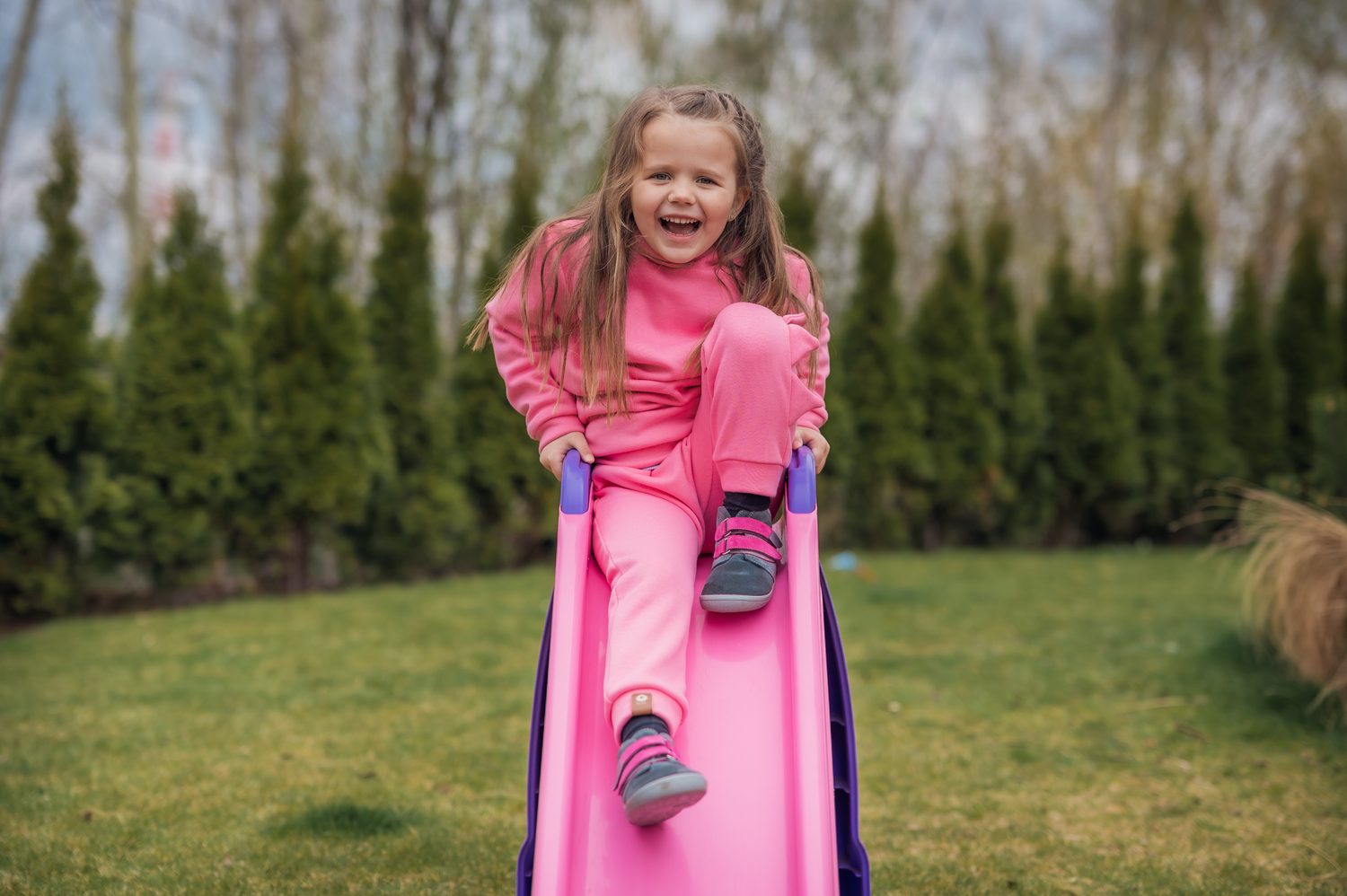
For the youngest walkers, the most natural thing is to walk without shoes. When shoes do become necessary, it is best if they are light, flexible and well fitting – in other words, barefoot. The key is a well-chosen size and a model that matches the shape of the foot.
Badly chosen shoes not only cause swelling or blisters but can also deform the toes or have a negative effect on the way a child walks.
Barefoot shoes imitate walking barefoot, which is completely natural for children from their first steps. They give the toes enough room and are very flexible and light. They also have no raised heel, so they do not shift the body’s axis forward and the body stays upright. Another advantage is that they provide no artificial arch support, which strengthens the muscles in the foot that naturally hold the arch in the right shape.
Ideally, the child should not feel that they have shoes on at all. Good barefoot shoes are ultra-light and flexible in every direction, which lets the foot move naturally, as if it were completely bare. They follow the anatomical shape of the foot and so give little toes plenty of room. The shoe has no heel, which would distort the body’s upright posture. The thin sole lets children feel the ground they are moving on.
If you cannot wait and want to buy your child their first shoes anyway (especially in winter), choose soft booties. Their advantage is not only the soft sole but also the fact that they do not hold the ankles, so the foot can move freely.
The first real shoes should only be bought once the child walks independently without support, can take a few running steps, no longer holds their arms up (does not sway) and has been moving this way for at least two months. After that, choose prewalker-type shoes such as Froddo Prewalker, Bobux Xplorer or Marvel, depending on the shape and dimensions of the little foot. At this age your child does not yet have enough strength to bend the shoe, which is why we choose extremely soft and flexible models.
You need to measure both of your child’s feet, as they are not necessarily the same size. You can measure them with the PLUS12 measuring gauge or with the help of a box. Measure the length of the foot from the longest toe to the edge of the middle of the heel. Measure the width at the widest point (behind the toes), at right angles to the axis of the foot.
To choose the right size, you need to know the length and width of the little foot as precisely as possible, ideally the height of the instep too, and you must not forget the toe allowance. For beginner walkers we choose an allowance of 8 to 10 mm, for more experienced walkers up to 12 mm. It always depends on the child’s abilities and on how their whole body moves when walking.
In width, choose a shoe that is 2 to 3 mm wider than the foot, and for winter shoes add another millimetre or two.
A child’s foot grows quite quickly, so measure it regularly to make sure the shoes do not start to pinch.
The younger the child, the faster their feet grow. When walking, the foot needs about 4 mm of space in front of the toes. So if the allowance in length is 4 mm or less, it is time for new shoes.
For toddlers, we re-measure the feet every month, for preschool children every two months and for schoolchildren once every three months. That may sound frequent, but toe deformities caused by shoes that are too small or badly chosen are common even at preschool age – so prevent them.
Every type of shoe your child will need during the year is available in a barefoot version in the Premium Barefoot online shop. Just choose Children’s in the main menu, then filter by size, and by brand or colour if you like, and in a few clicks you will be looking at the most suitable model.

We are happy to help with sizing, orders and returns.
 Customer service







Enter your email, spin the wheel and we will send your prize to your inbox too.
We have also sent the code to your email. Valid until .
No worries, you have one more try.
No worries, try again next time. Meanwhile we will send you news and offers by email.
