We’ll be happy to help via online chat or at: orders@premiumbarefoot.com
Why start walking in barefoot shoes? Here are 6 reasons that will convince you to buy your first pair. From comfort to health.
Barefoot shoes mimic walking barefoot. They give you plenty of room for your toes and they are very flexible and light. At the same time they protect the foot from dirt, cold and injury, and unlike bare feet they will match your outfit. Apart from a few details, they look like ordinary shoes.
Let's start with what all those words actually mean:
Barefoot = without shoes
Barefoot footwear = footwear that simulates walking barefoot
Barefoot walking = walking with no shoes on at all
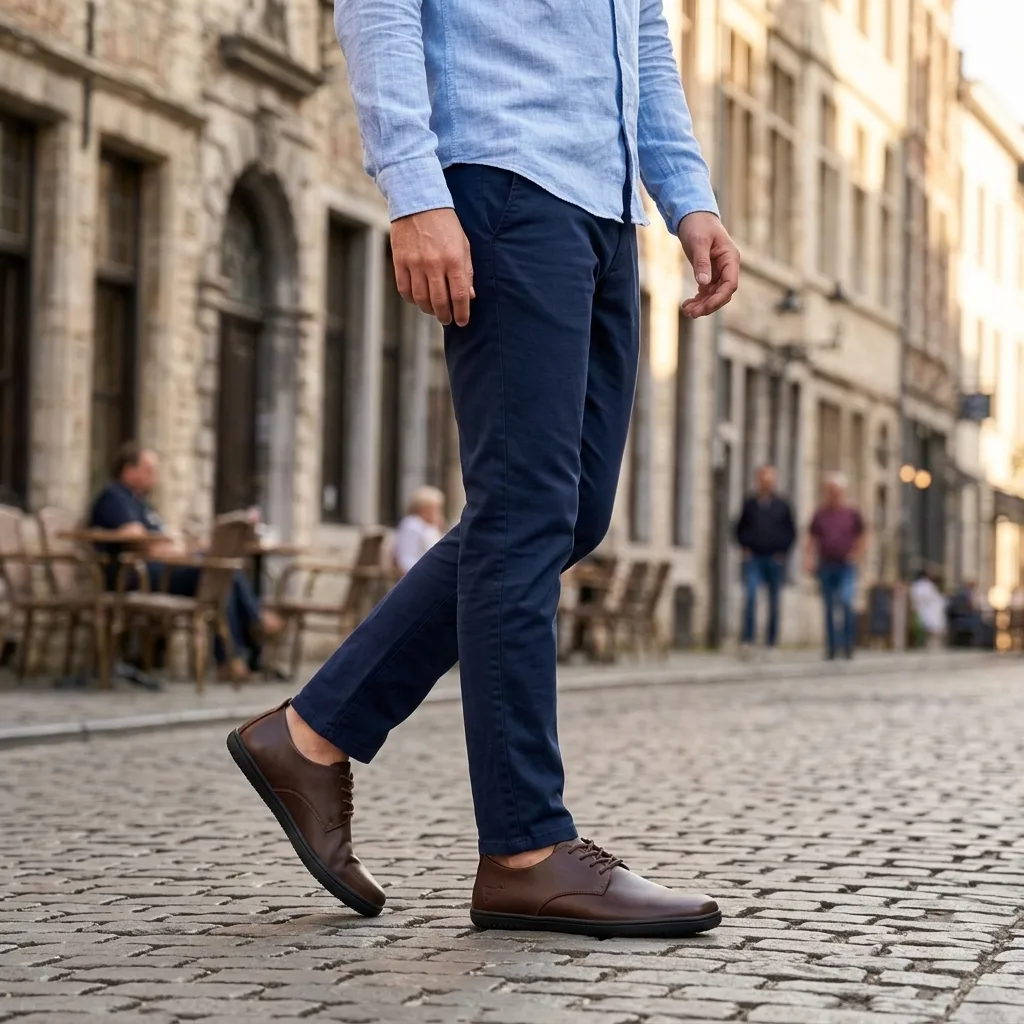
So these are shoes that have something in common with walking barefoot. Which raises the question: why not simply go barefoot? Because walking with nothing on your feet is not for everyone.
Barefoot shoes are comfortable, they protect the foot, and over the past few years they have come a long way in design too. With many models nobody can tell the shoes are „different“.
At the same time, plenty of myths circulate about barefoot shoes. To someone unfamiliar with them they can look like a passing fad. Many people also worry whether walking in barefoot shoes is pleasant, or even whether it will ruin their feet.
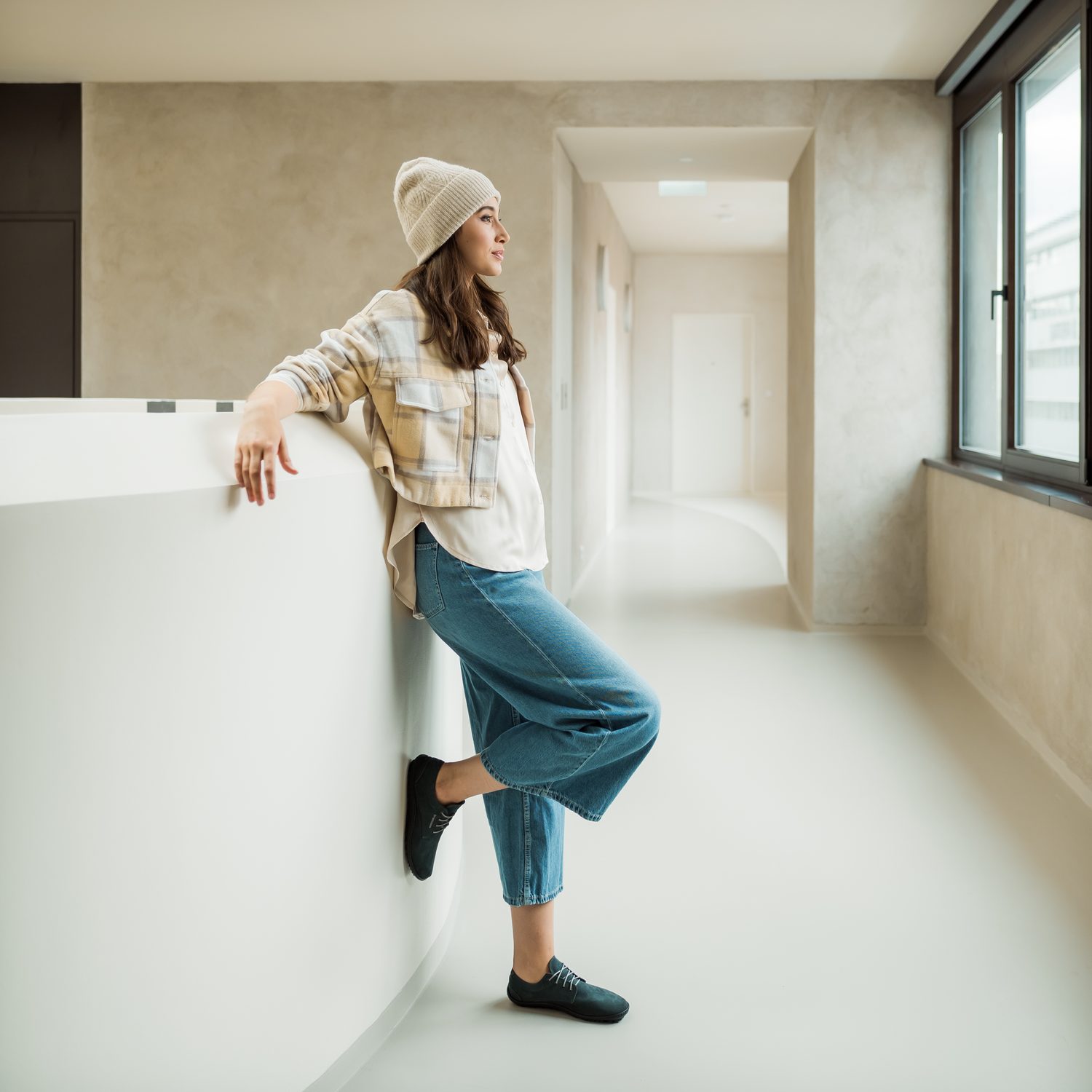
By their very nature, barefoot shoes follow the natural shape of a healthy foot. That is why they have a wider, anatomical toe box. It gives the toes enough room, never squeezes them while walking, and instead lets them spread, push off and support the body.
Try standing on top of a shoe: if your foot overhangs the edge, even slightly, the shoe is too narrow for you.
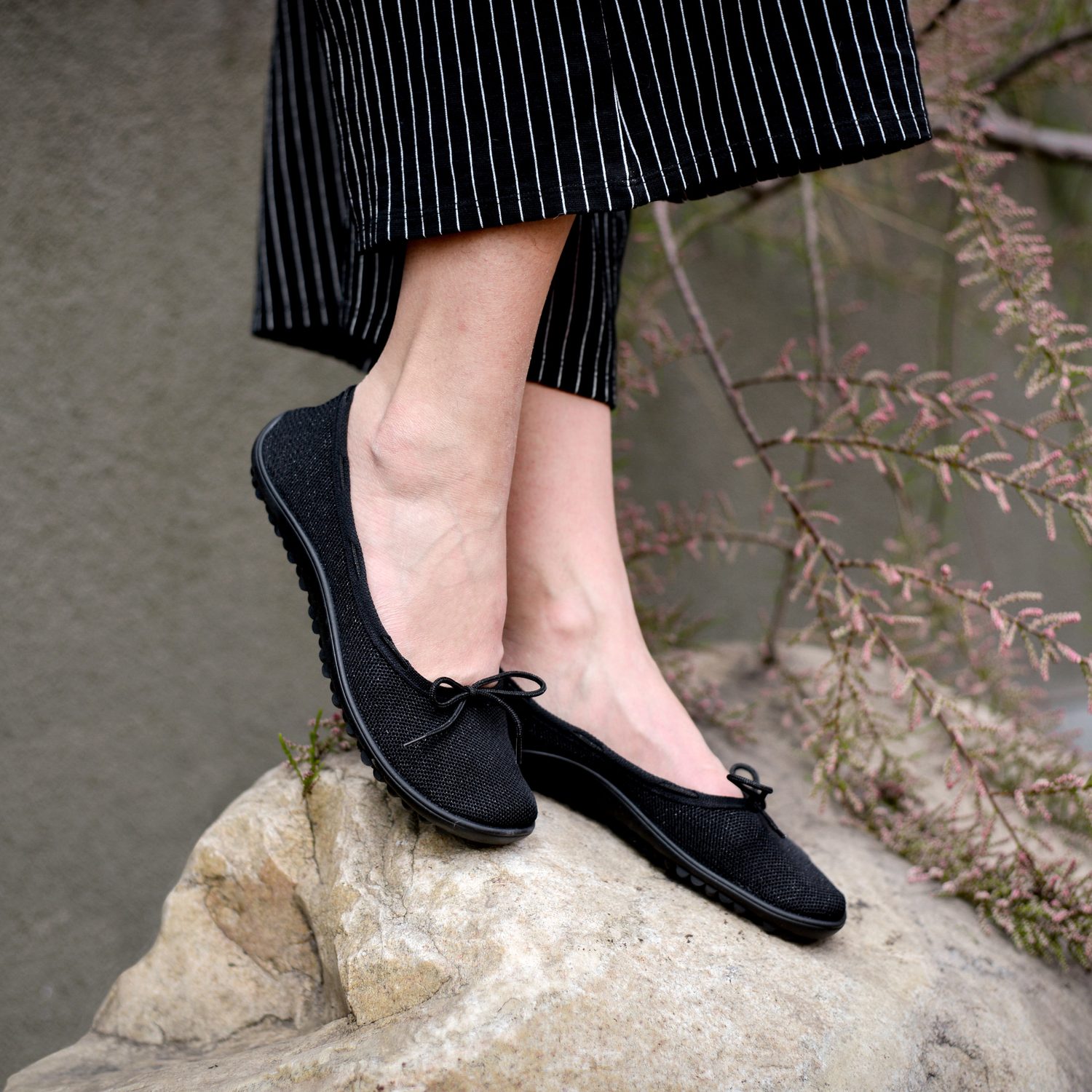
Try this - take off your shoes and socks, look at your foot and try to move it a little. It works almost effortlessly, right?
Now put your socks back on, put your shoes on and try to move the foot again. Almost impossible, isn't it?
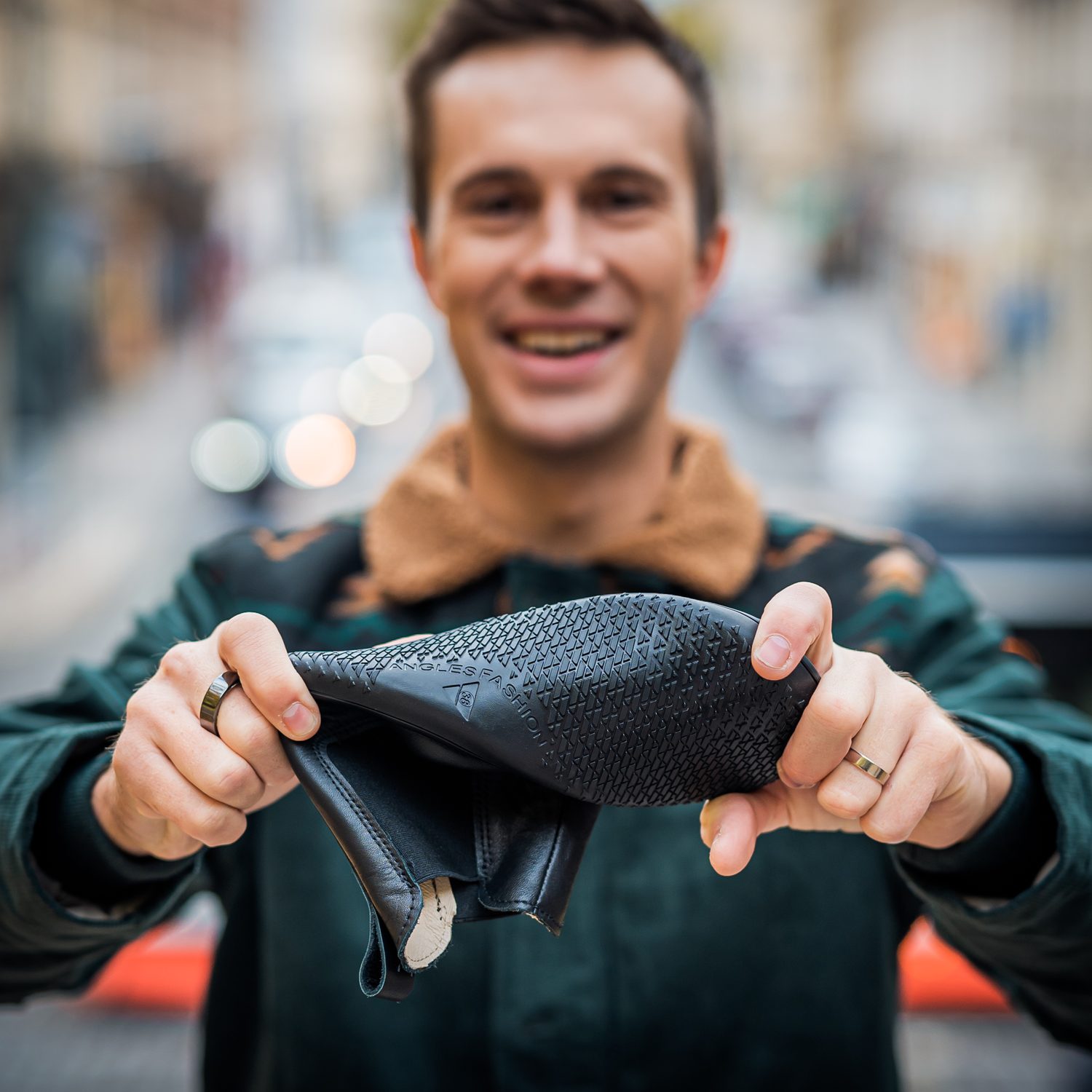
That is exactly the problem with conventional footwear: the stiff sole stops the foot from moving naturally. Barefoot shoes, by contrast, are extremely flexible and bend beautifully in every direction, so the foot can move as freely as if it were bare.
The term „drop“ is not as widely used as „heel“, but it means much the same thing. The drop of a shoe is the difference in height between heel and toe, and in barefoot footwear it is zero. Our body is naturally perfect - if it needed a heel, it would grow one.
You can see what a heel does to the body in the picture below. Even the smallest heel distorts posture with every step. Zero drop, on the other hand, supports natural, upright walking. As a bonus it strengthens immunity, improves circulation and helps the lungs use their full capacity when breathing.
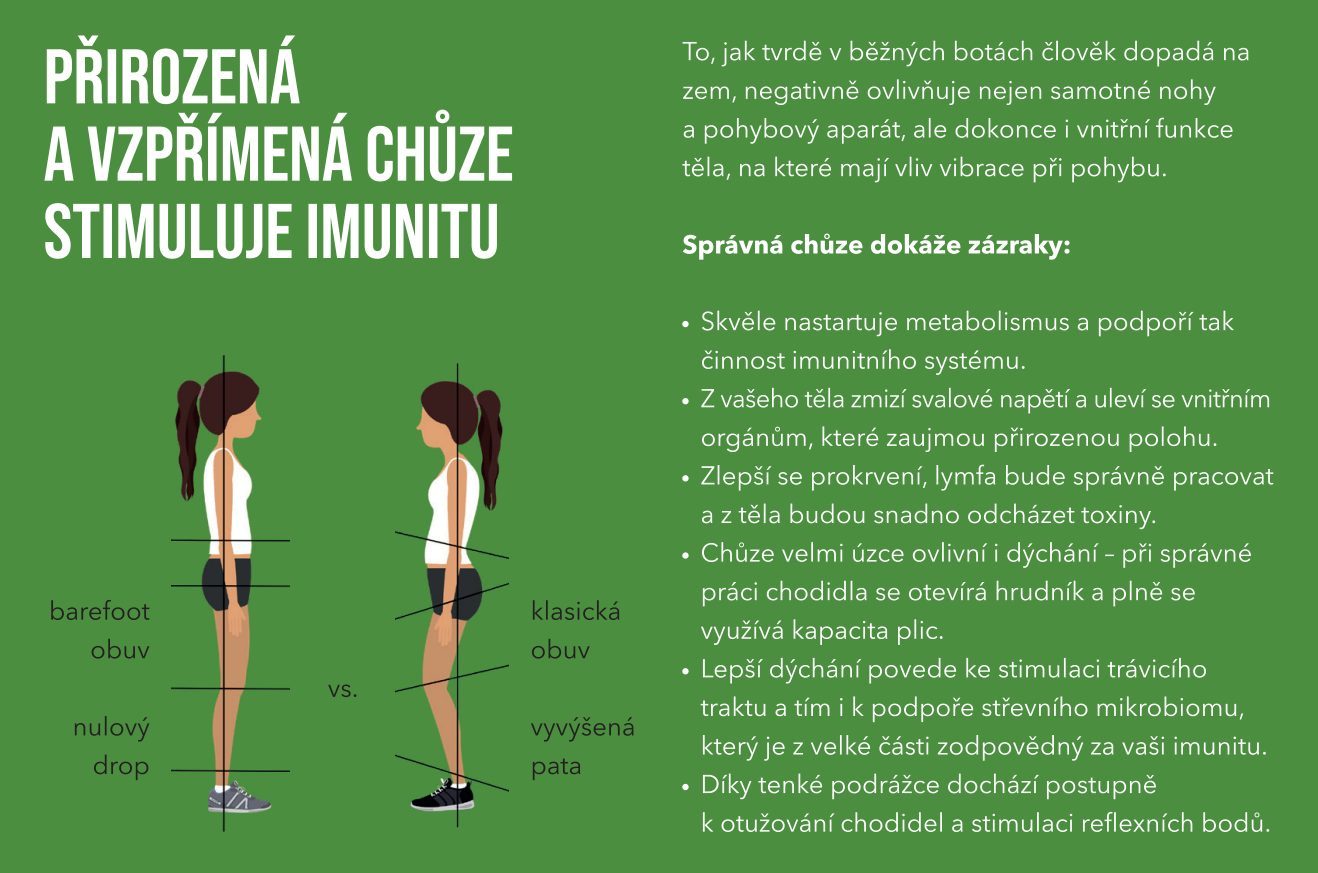
Source: naBOSo, (https://naboso.cz)
Touch is one of our important senses - and yet we do not use it on the sole of the foot. We have left it to our hands, which is a great shame.
When we have a thinner sole and can feel what we are walking on, we give the brain clear information about what to prepare for. On a hard surface, the body can get ready for a hard surface. On a cold surface, the body can react. When the ground is unstable, the brain sends a signal.
What is that good for? Have you ever walked in hiking boots and stepped awkwardly on a stone so that your ankle gave way? If the foot had sent the information in time that the ground was unstable, the body could have adjusted the leg so it never happened.
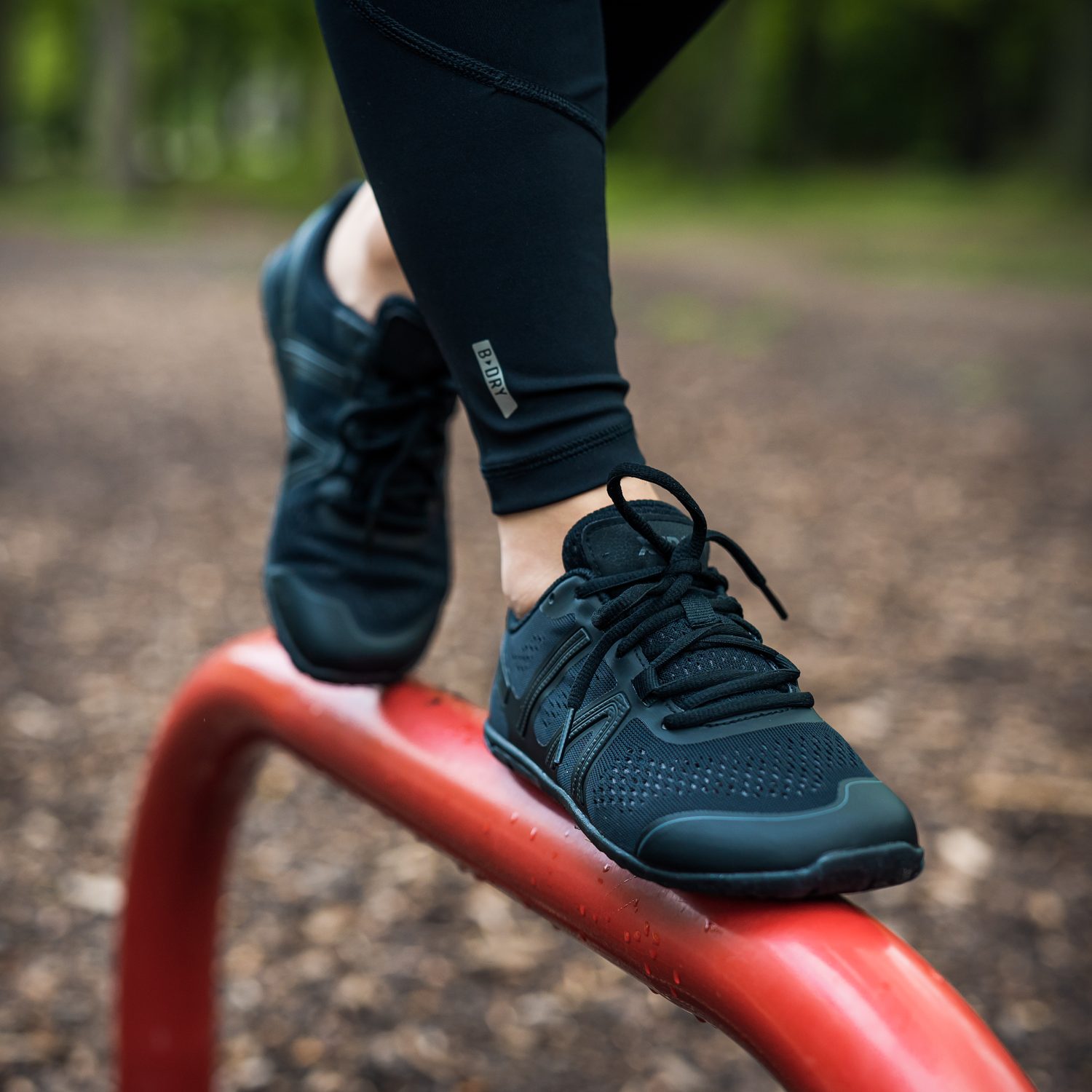
They say we should walk at least 10,000 steps a day. One conventional adult shoe weighs around 0.7 kg, which means lifting roughly 7 tonnes of weight every day. That turns ordinary walking into a decent workout, don't you think?
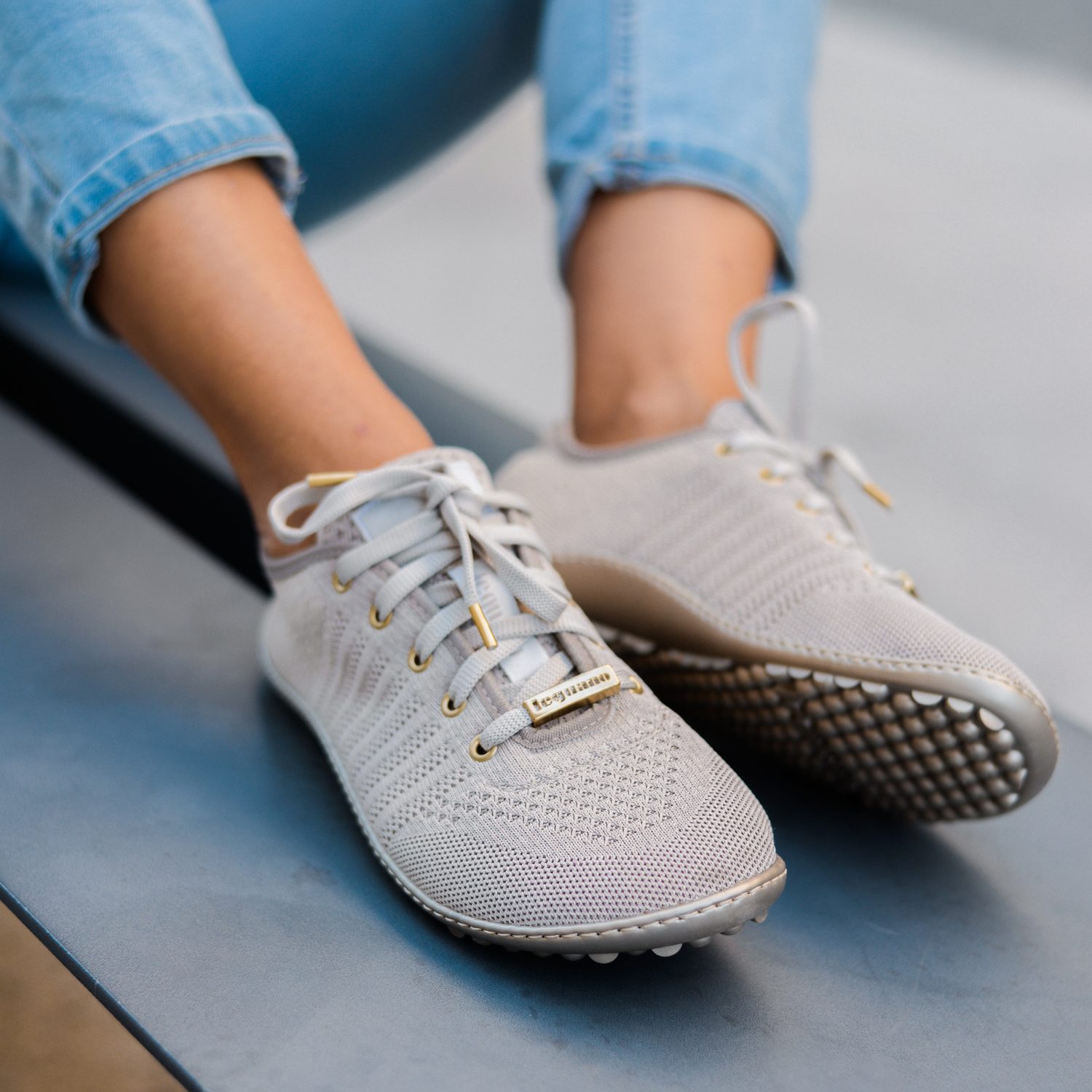
Barefoot shoes are wonderfully light by comparison. One adult shoe weighs 250-300 g on average, and you have our word that on longer walks you really will feel the difference.
Have you heard the claim that we need support under the arch, otherwise we would all have flat feet? The arch is bone together with muscle and tendon. Bone alone holds no shape; for the arch to work we need the muscles and tendons. If we do not prop the arch up, walking strengthens the muscles nature gave our feet.
When we do prop it up, we replace the work of the muscles that are supposed to hold the arch. Yes, the arch will have the right shape inside the shoe. But what happens once we take the shoes off?
A foot locked inside a shoe will not work the way it should, the muscles of the foot start to weaken, and eventually the arch collapses altogether. So strengthen your arch by walking barefoot.
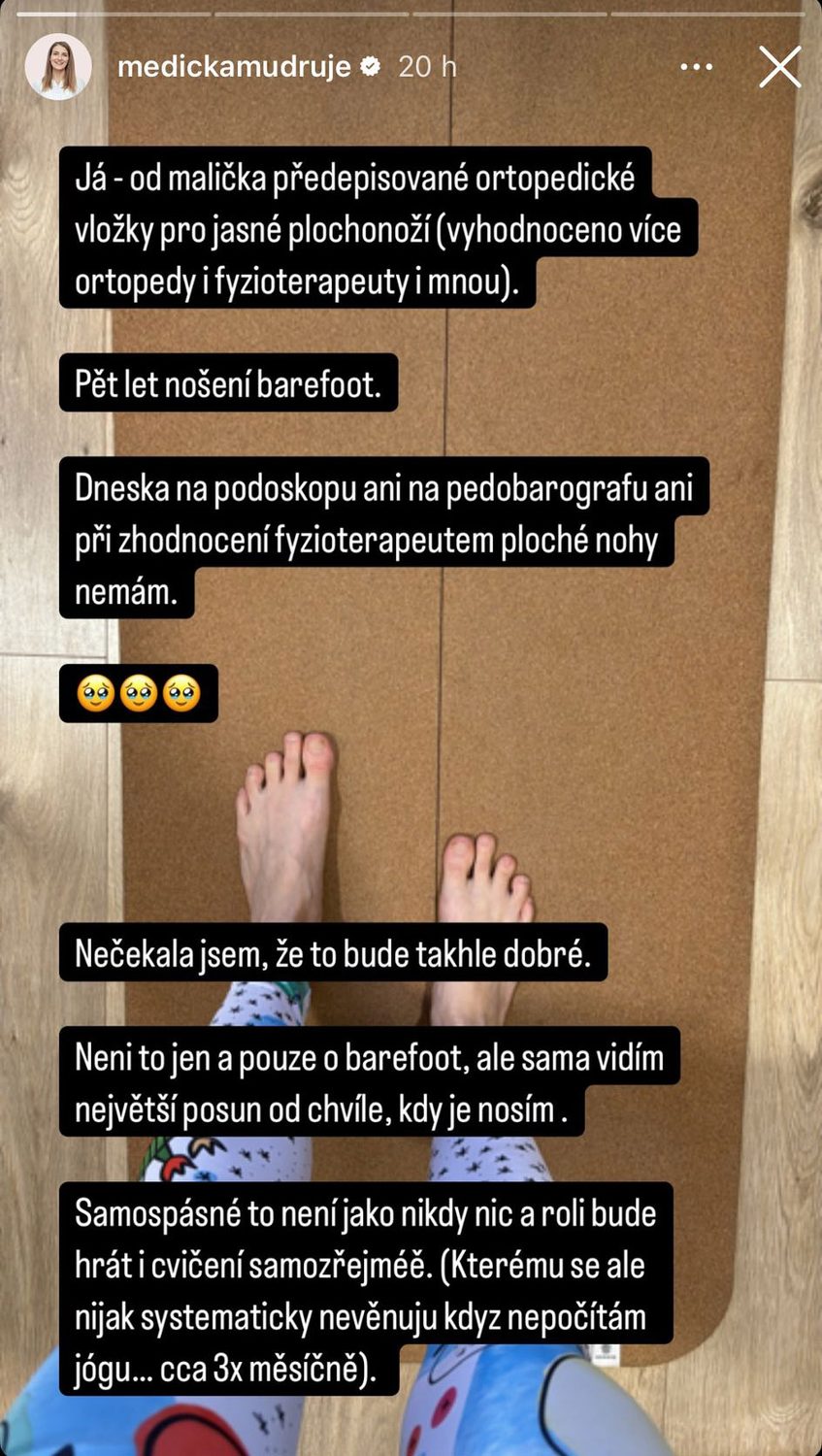
Arch support can also have a negative effect on blood flow towards the toes, for example.
Most arch problems arise precisely because the muscles and tendons are not doing their job. Barefoot shoes can help a great deal with that. Of course you need to start gradually, step by step. And with more serious problems, consult a physiotherapist and add exercises for the foot.
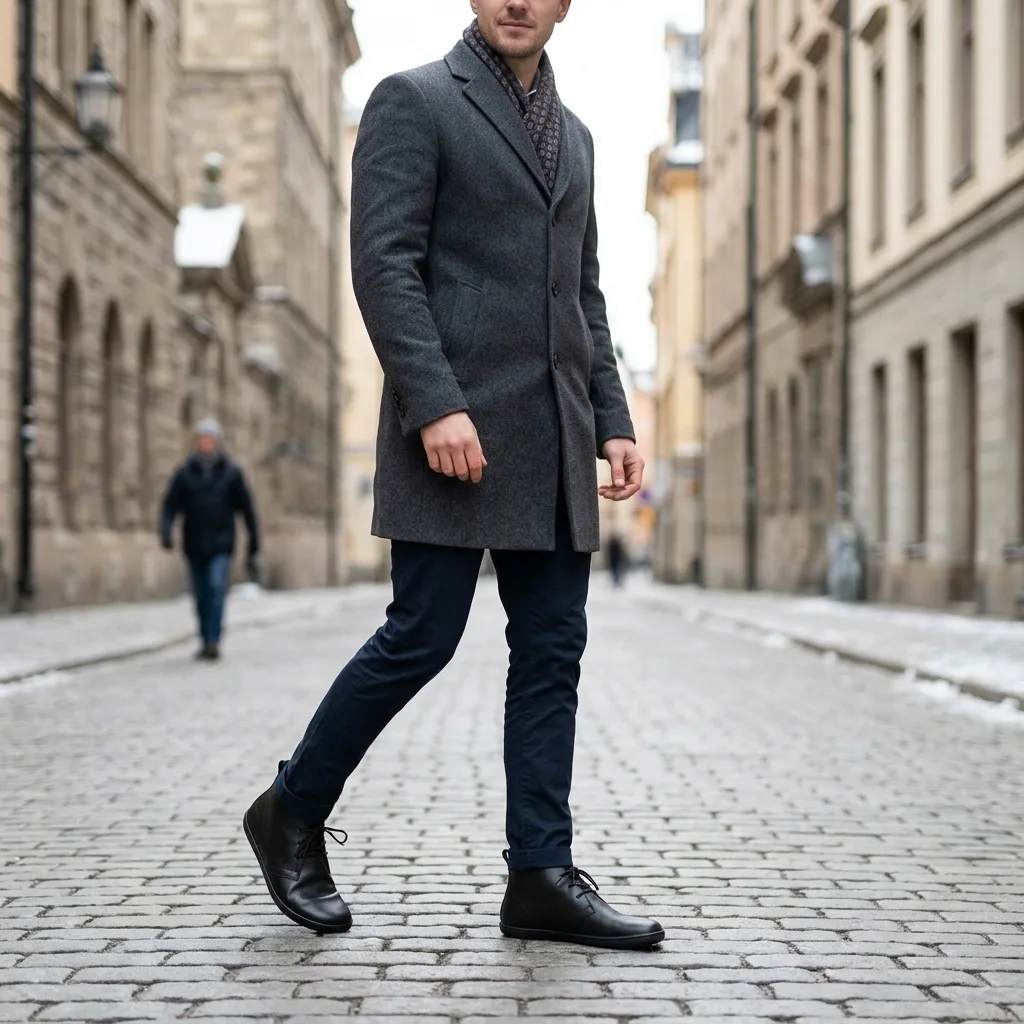
To sum it up: a barefoot shoe is a shoe that does nothing.
It may sound surprising, but when the biggest brands in the world compete over which shoe will do more - cushion more, bounce more, hold the ankle more - isn't that odd? Our body is perfect as it is.
The only things we want from barefoot shoes are:
Ready to put on your first barefoot shoes? Just pick a pair from our range.



 Blog
Blog
 € - EN
 Čeština
 Slovenčina
 Magyar
 български
