We’ll be happy to help via online chat or at: orders@premiumbarefoot.com

Selecting and Maintaining Barefoot Shoes
If your feet sweat, it can spoil even the most comfortable barefoot shoes. We’ll show you how to care for both your feet and your shoes so you can enjoy barefoot walking.
Do you love barefoot walking so much that socks just get in the way when you’re wearing shoes? It doesn’t matter whether it’s summer or winter — your feet can sweat either way. That’s exactly why we’ve put together tips on how to look after your feet (and your barefoot shoes) so they stay fresh and in tip-top condition.
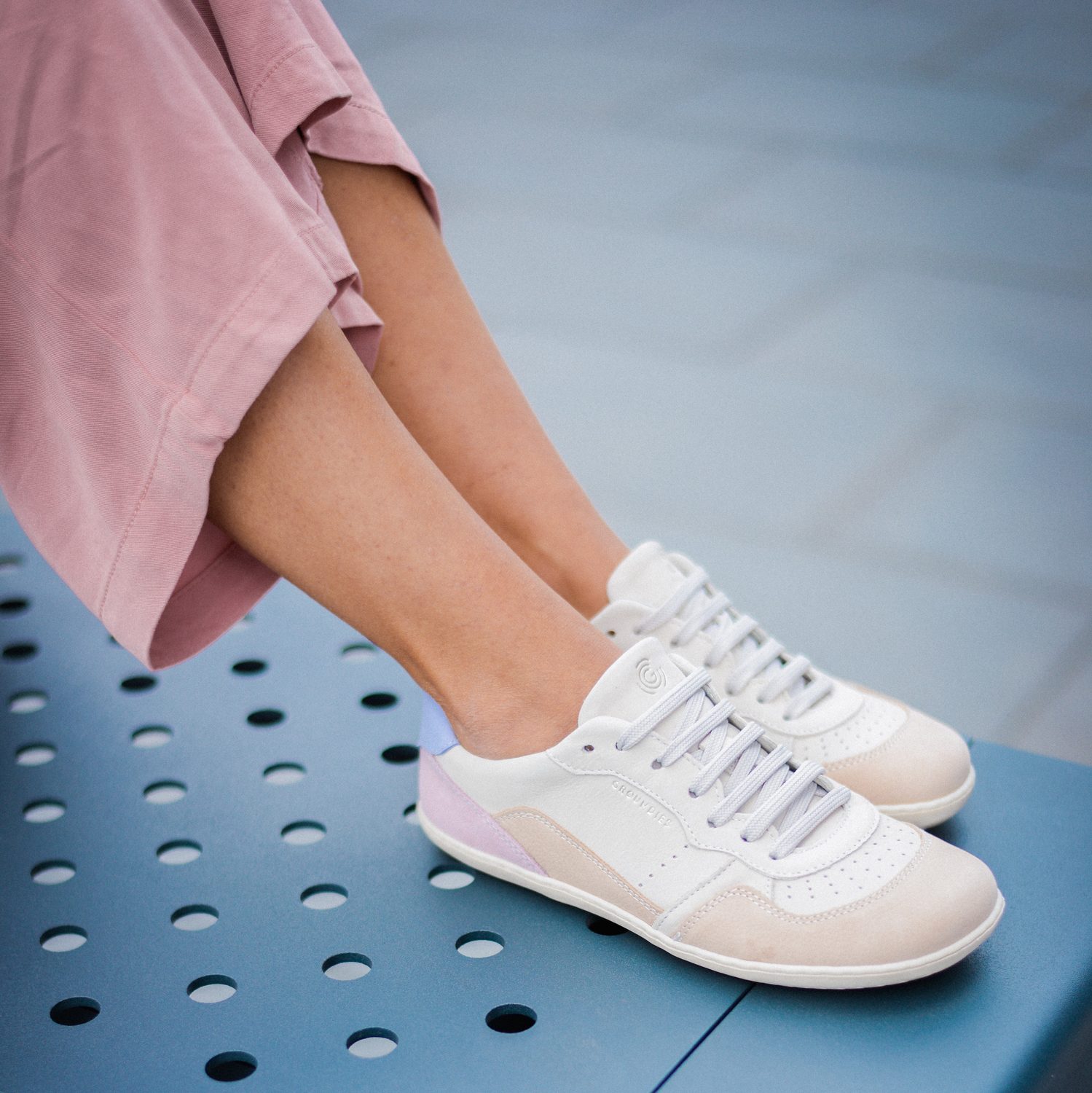
For work, a job interview or formal occasions — not just weddings, but also official dinners and receptions. These are all situations where going without socks really isn’t appropriate. Women typically choose tights in a subtle shade, ideally nude, for closed-toe shoes. If you’re not sure whether you can leave your socks in the drawer, follow this simple rule: the more formal the occasion, the more essential socks are.
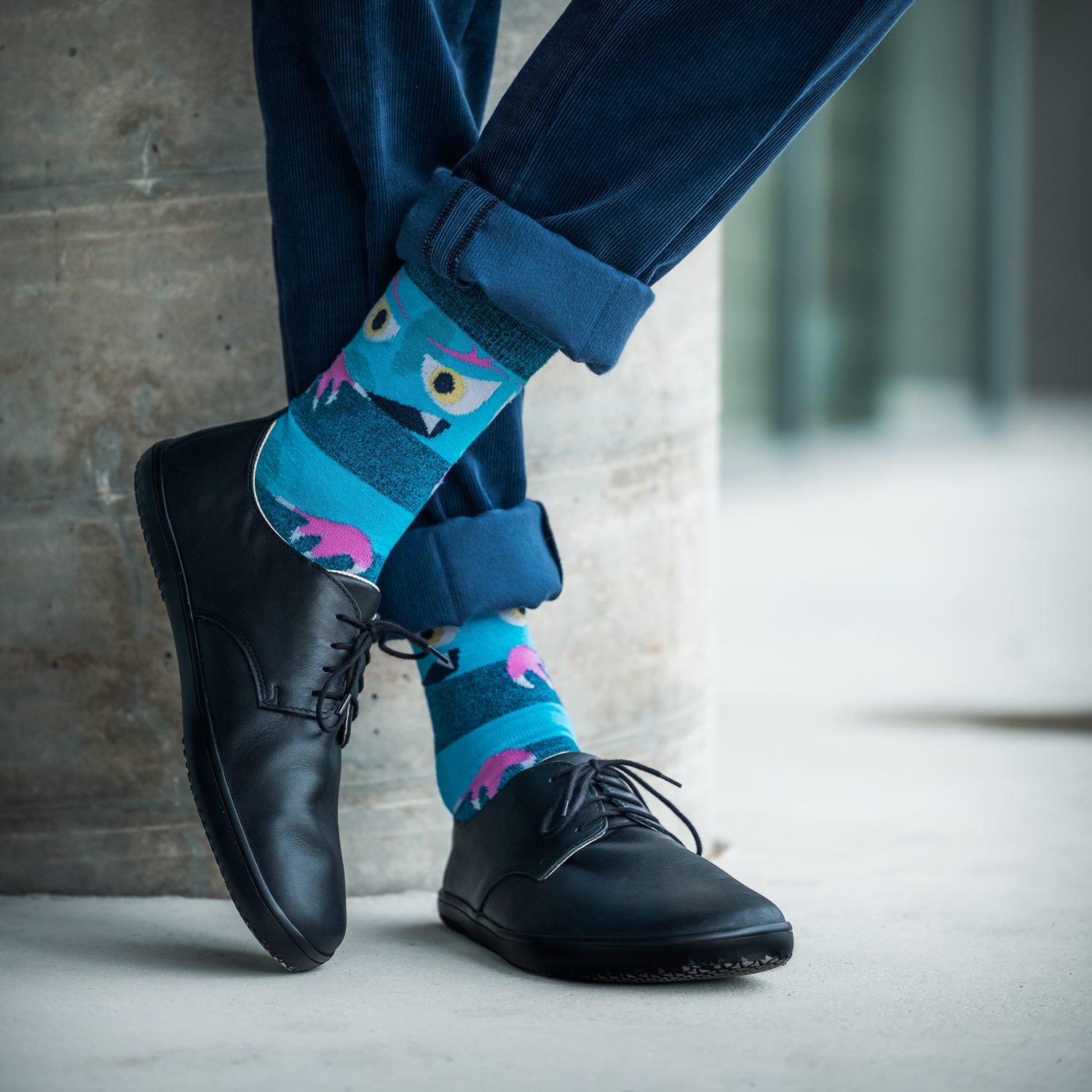
Informal work meetings, holiday trips or an afternoon coffee with a friend — these are just a few examples of times when you can comfortably go without socks. Besides sandals, don’t be shy about bare feet in loafers, espadrilles or ballet flats — and even canvas trainers. Wearing shoes without socks isn’t some modern whim, either. It has roots in Italy, where men many years ago started rolling up their trouser legs and pairing them with loafers, showing the world their ankles.
While going sockless is usually comfortable, it does come with a few pitfalls. Alongside comfort, hygiene is the key thing to keep in mind — protecting your feet not only from potential rubbing, but also from bacteria or fungal infections. It’s completely natural for feet to sweat to some extent, especially in the summer months or in closed shoes. And that’s when a few handy essentials you’ll want at home come into play.

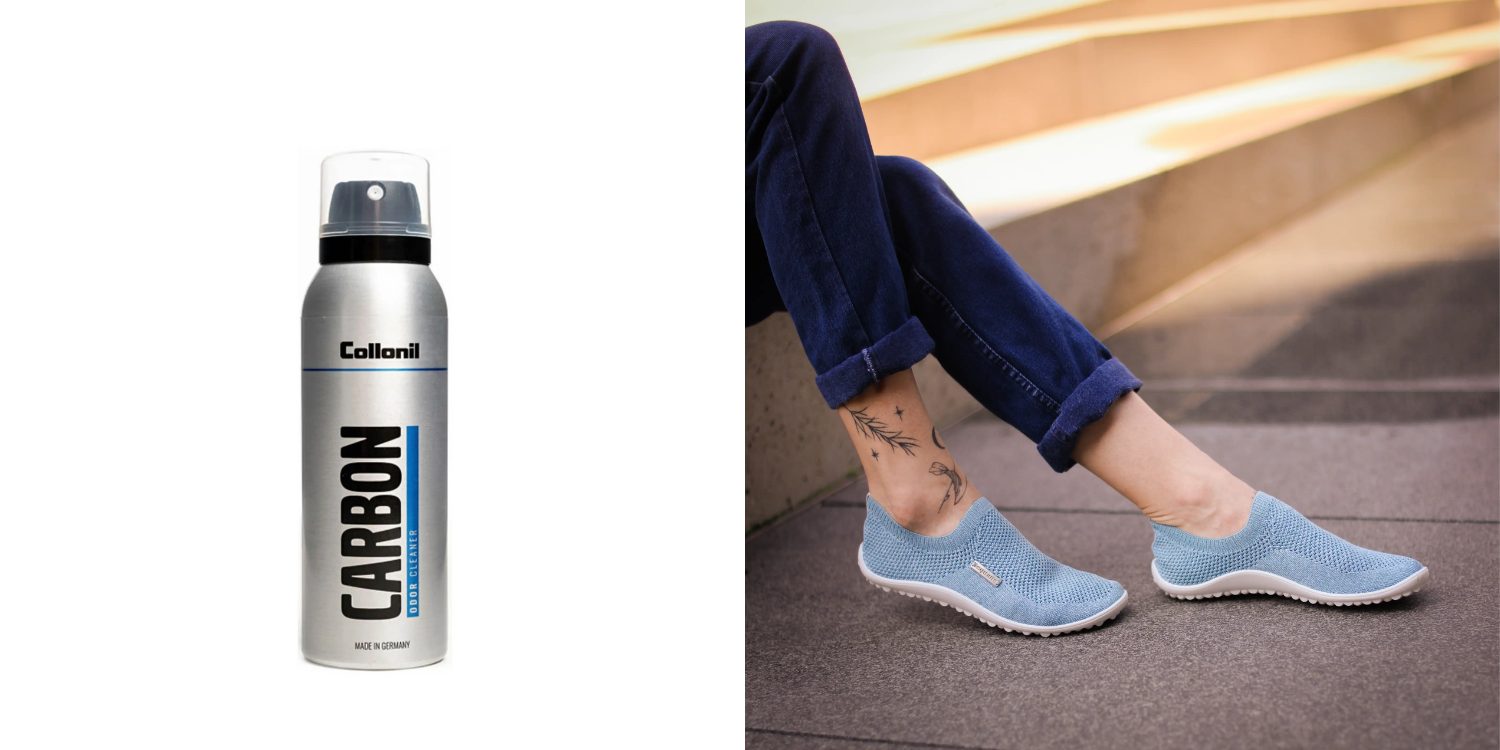
Unpleasant odour can bother you whether you wear socks or not, and it can have many causes — from an unhealthy lifestyle and stress to the simple fact that your shoes aren’t breathable enough. Your feet then sweat more, which, combined with bacteria, creates that unwanted smell. Alongside good hygiene, foot soaks with Epsom salts, vinegar or bicarbonate of soda can help, as can a homemade refresher made from vodka and a few drops of essential oil (e.g. tea tree or mint), or the odour-neutralising spray COLLONIL, which you apply inside your shoes to absorb odours and leave them pleasantly fresh for several days. Do pay attention if the skin on your feet (especially between the toes) is red, itchy and has small blisters — it’s often a fungal infection, which a dermatologist can help you treat.
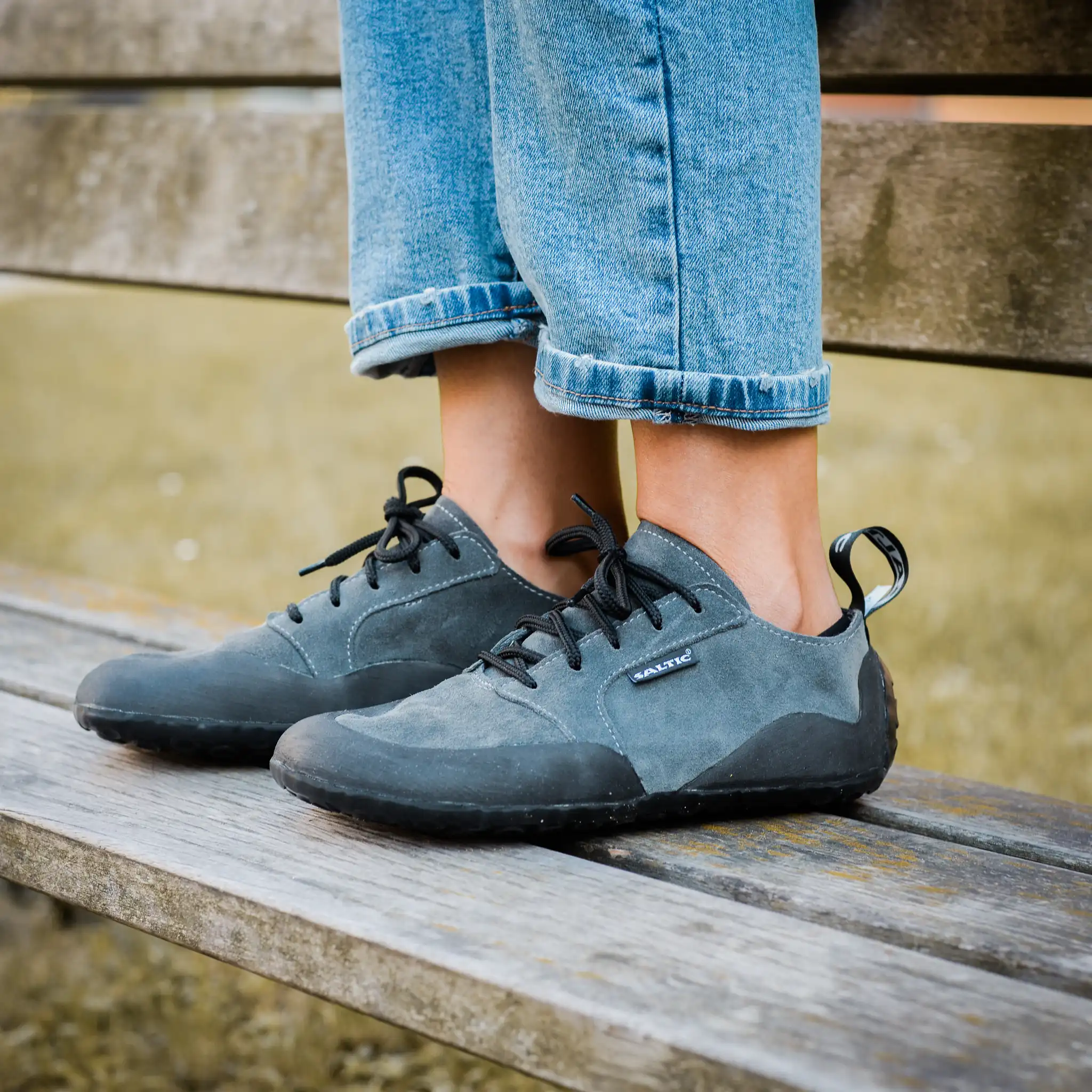
Sweating is completely natural — it helps regulate body temperature, and your feet alone can produce up to 500 ml over the course of a day. With increased physical effort or in stressful situations, it can of course be even more. But if you feel your feet sweat excessively even when you’re at rest and it affects your everyday life, it’s a good idea to work with a doctor to look for the cause.
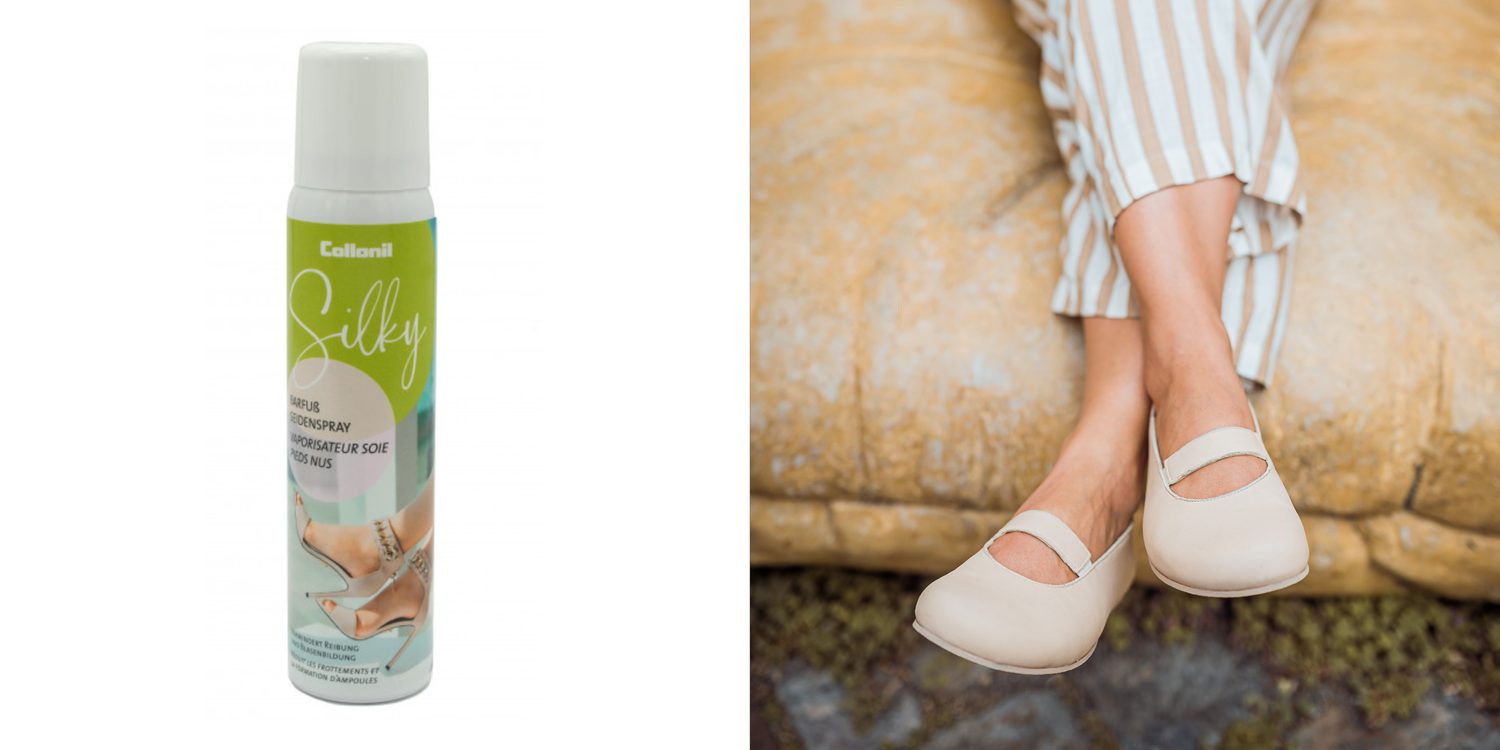
Excessive sweating doesn’t only affect women during pregnancy or menopause. It can also be linked to an overactive thyroid, diabetes or neurological conditions — and not uncommonly to a simple vitamin D deficiency. So what can you do yourself? Alongside colloidal silver, you can also try special powders, astringent herbs such as sage, walnut or willow, or spray-on tights COLLONIL SILKY.
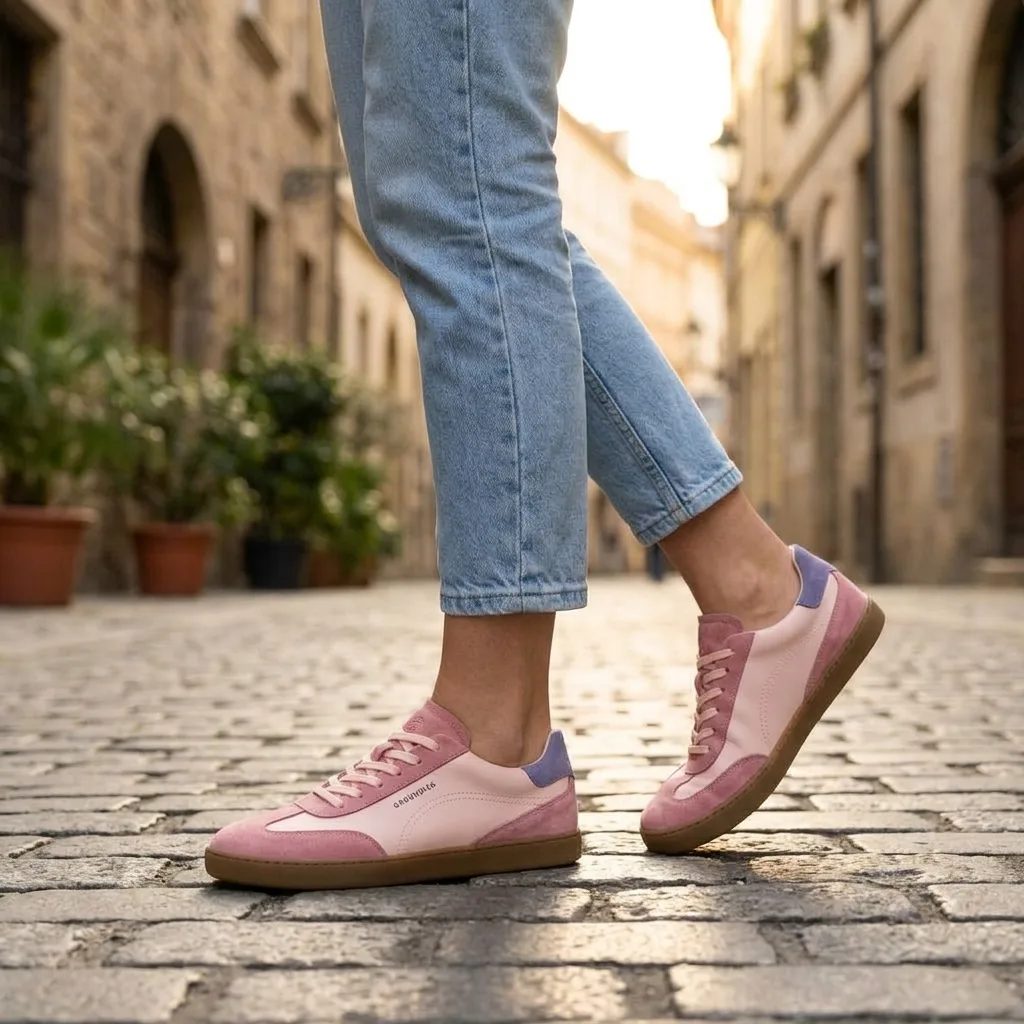
A great way to prevent blisters and chafing is the spray-on tights mentioned above, with their pleasantly fresh scent — COLLONIL SILKY. They create an invisible, velvety-soft layer on the skin that helps prevent burning and the subsequent formation of chafing and small blisters. They also work as a so-called invisible plaster — they can protect (and slightly numb) the skin even after it’s been irritated.
Self-adhesive gel pads are also brilliant: they help stop your feet sliding around or slipping out of sandals, and prevent rubbing and pressure points above the heel. After a long hike, you’ll certainly appreciate blister plasters too — especially if you impatiently pull on brand-new hiking boots and head out for an all-day trek.
Antibacterial deodorants, which we’ve already mentioned, help protect your feet from unpleasant odours. But how should you care for your barefoot shoes? As a preventative step, you can treat them to a special deodorant spray Collonil Breeze, which helps neutralise odours and keeps the inside of your footwear fresh even with everyday wear. Simply spray into clean, dry shoes from a distance of around 20 cm, leave to dry briefly, and they’re ready for the next day.
If an unwanted aroma does start to develop in your barefoot shoes, it’s time for a more thorough clean. Some models can be washed easily, removing not only dirt but also the bacteria that cause odour. Regular care and using a deodorant will help keep your barefoot shoes fresher for longer and more pleasant to wear.
Even after a full day in shoes, your feet can still feel fresh and free from pressure points. You just need to look after them consistently all year round — and do the same for your shoes, which, thanks to regular attention will not only stay fresh, but also look like new for years to come. And if sweating isn’t an issue for you? Still don’t forget to care for your feet — after all, they carry you all day long.


 € - US
 Čeština
 English
 Slovenčina
 Magyar
 български
 Polski
 Dansk
Dansk
 Nederlands
 Svenska
 Suomi
Suomi
 Español
 Français
 Slovenščina
 Română
 Português
 Deutsch (DE)
 Deutsch (AT)
 Deutsch (CH)


