We’ll be happy to help via online chat or at: orders@premiumbarefoot.com

Selecting and Maintaining Barefoot Shoes
Leather shoes can last you for years — you just need to know how to look after them. When and how should you use waterproofing spray, cream, wax or shoe trees?
If you’re thinking about what shoes to buy and a higher upfront price doesn’t put you off, leather is well worth choosing. It’s a very high-quality natural material that’s not only comfortable, but also lets your feet breathe — and with regular care, it will last a long time.
But how do you look after leather barefoot shoes properly so they don’t only keep you company for two seasons, but can last, say, even 10 years?
Before every time you put them on or take them off, it’s important to undo the laces properly and loosen them so the edges of the shoe don’t get crushed. Especially with ankle boots, when putting them on, use a shoehorn too. It might feel unnecessary and like a waste of time. But if you just pull your shoes on — especially without loosening the laces — the heel counter bends unnecessarily, gets damaged and can end up scratched or cracked.
If you want to give your leather barefoot shoes the right care, you need to consider what type of leather they’re made from. Suede, for example, needs a completely different approach from smooth leather. So what are the basic types of leather?
These days, everything seems to be heading towards having as little work as possible — but with shoes, you can’t really avoid proper care. All sorts of challenges from the outside world can cause leather to dry out, crease, split or crack. As soon as you get home, clean your shoes as soon as you can.
For dust and everyday dirt, a classic brush is enough — just give the shoes a few quick passes. If they’re more dirty (e.g. dusty or muddy), wipe them with a damp cloth. Take care with brushed leathers, because velour and suede need a special cleaning rubber instead of a cloth.
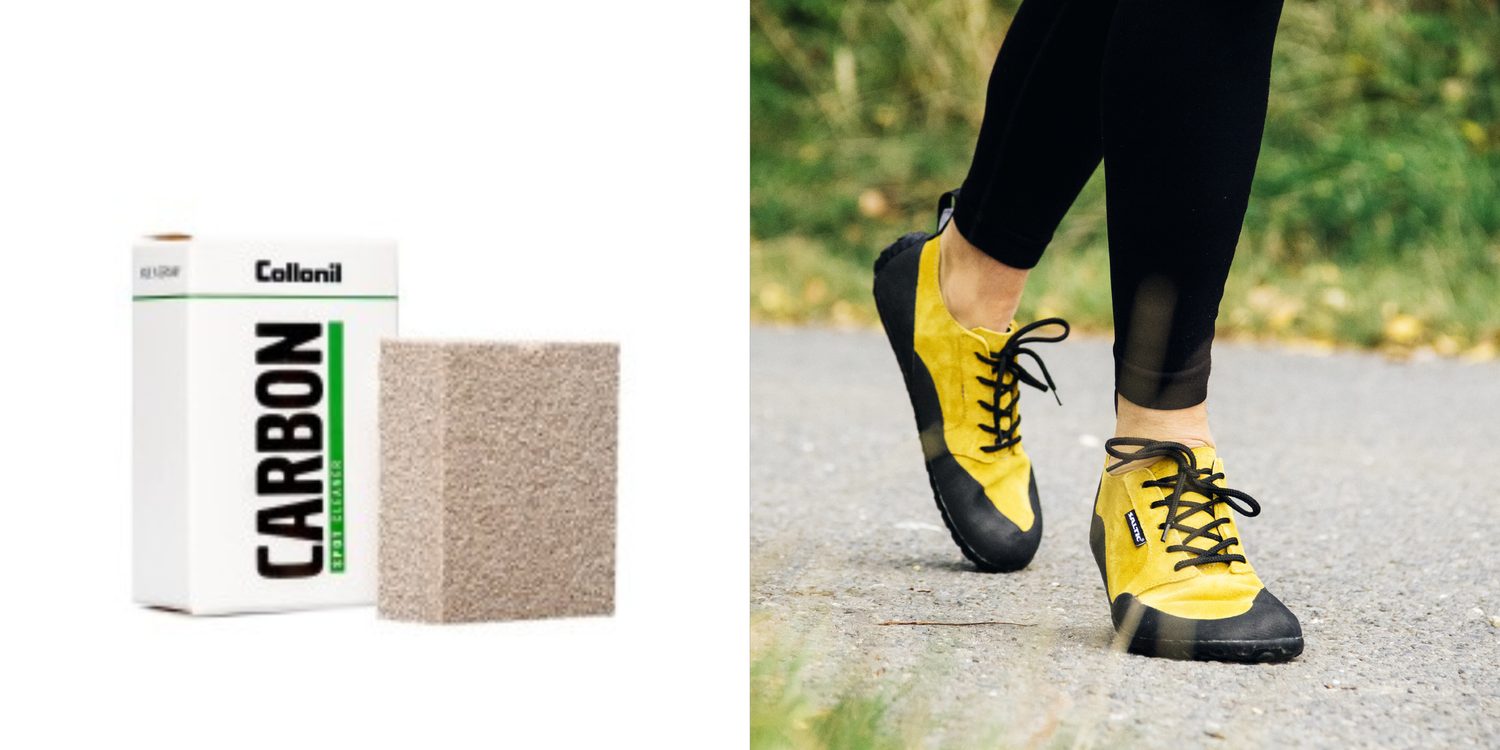
And what about stubborn scuffs that you often don’t even know where you picked up? If you can’t remove them with clean water, you’ll need to reach for specialist cleaning products. But first, test them on a small area of the shoe (somewhere hidden) to check whether the leather reacts in colour, etc.
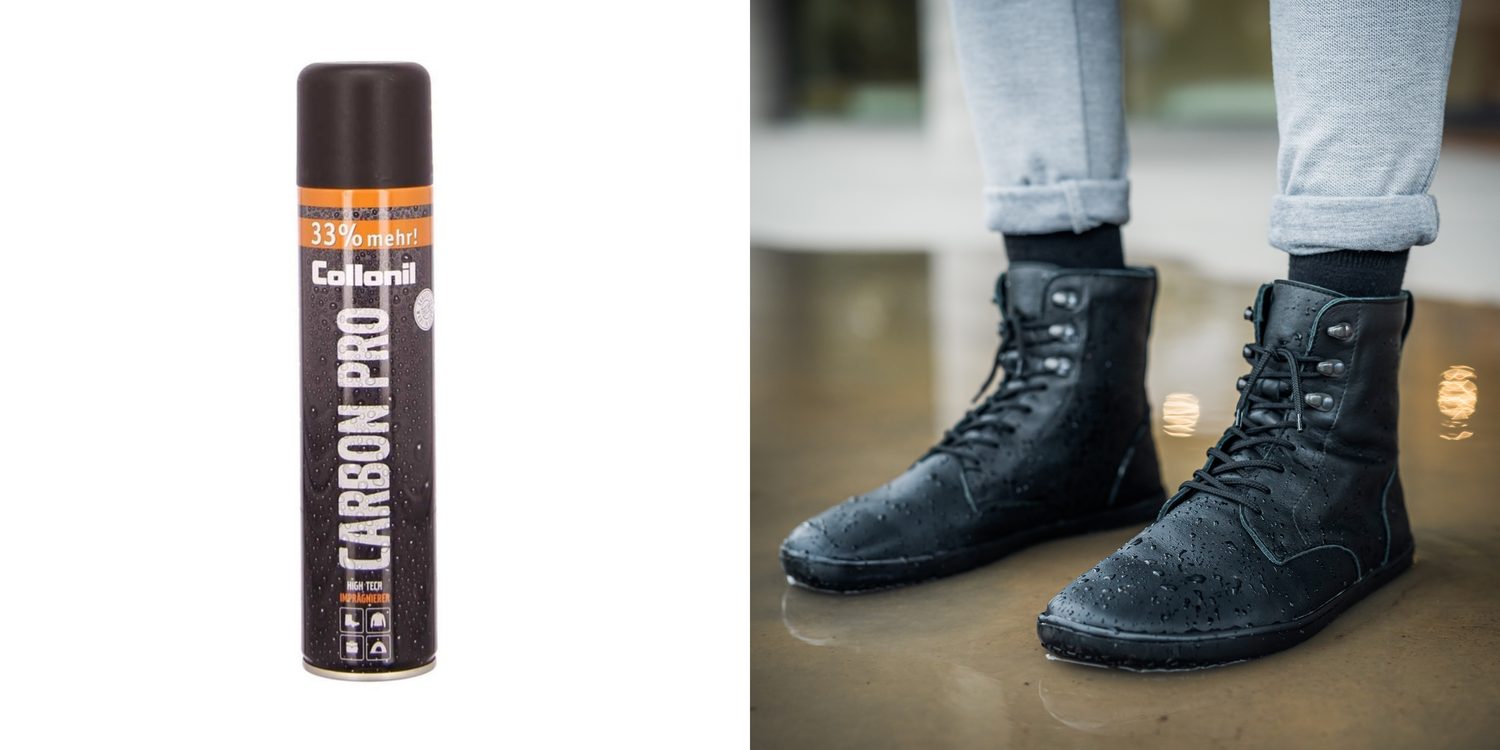
Since we’re talking about external factors that can affect shoe quality, let’s pause for a moment on wet weather. If you’ve been walking in the rain, avoid putting your shoes on a hot radiator when you get home. That would make the leather go hard — and it could even crack. Leather needs to be dried freely and slowly (at least three days), ideally on shoe trees. If you don’t have them, you can stuff the shoes thoroughly with newspaper. Once the shoes are completely dry, don’t forget to waterproof them so they’re well protected again against moisture and dirt.
There’s nothing worse than getting dressed up and then putting on scuffed shoes. Leather footwear should simply look great in any situation. So it needs not only regular cleaning, but also polishing and conditioning with cream.
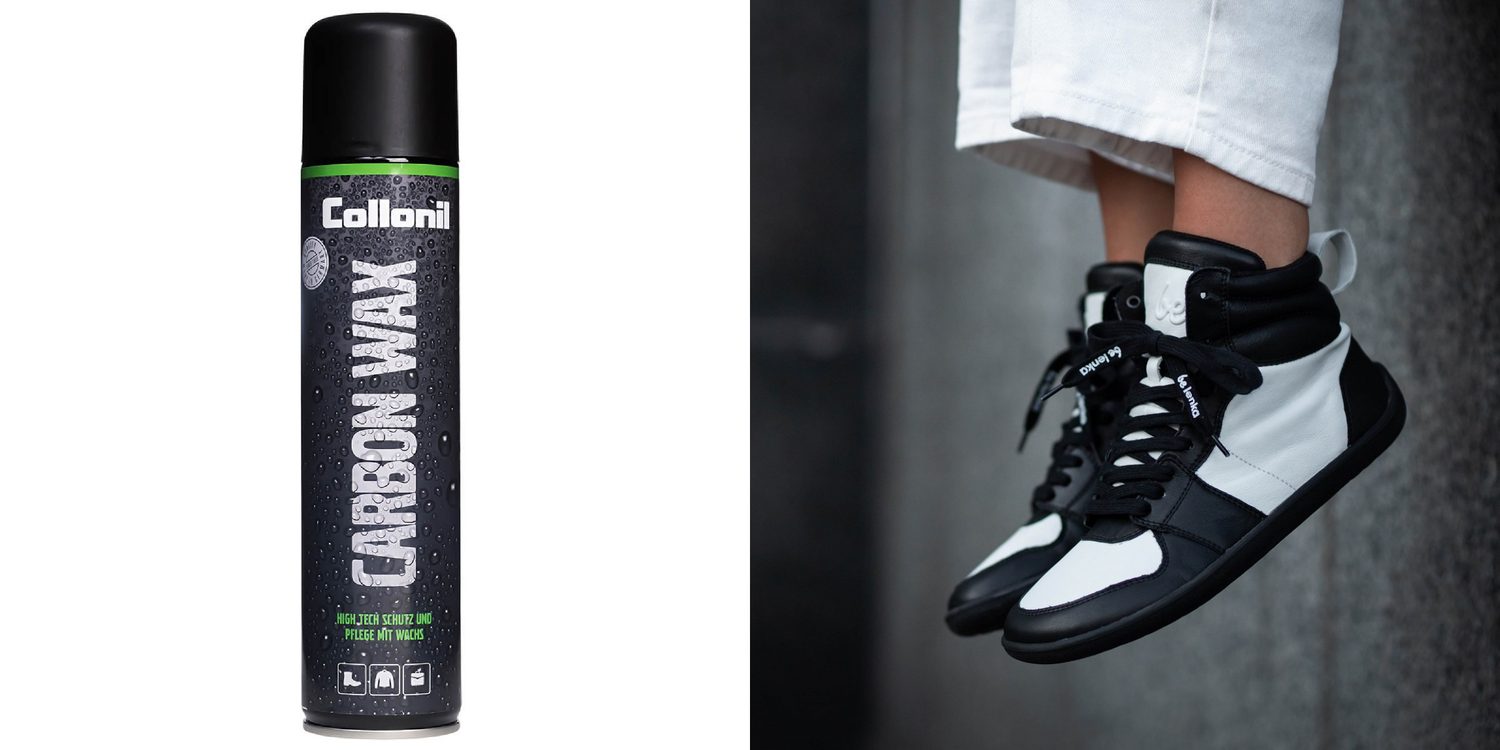
Wax or cream gives leather shoes the care they need. We recommend doing this regularly, at least once a month. Untreated leather can dry out and crack. What’s more, shoes damaged due to insufficient or unsuitable care can’t be claimed under warranty either.
For polishing shoes, you can use either cream or wax. Cream gives shoes a gentle, velvety sheen. On the other hand, with wax and a little water, your shoes can shine like a mirror. If you’re wondering which to choose, it doesn’t depend on the type of shoe at all — it’s purely down to your preference.
Simply spread wax with a sponge over the shoe once it’s been cleaned of larger dirt. Wax can handle a few scuffs too. Apply a small amount evenly over the whole surface and leave it to absorb.
Our tip: If you want a really high shine, alternate applying wax with a drop of water and repeat until you’re happy with the result.

Using cream is easy and takes hardly any time. First, of course, you need to clean the shoes with a brush so no dust, etc. remains. Then apply, for example, a thin layer of cream with a cloth. Finally, take a clean cloth or brush and polish the shoes evenly.
Waterproofing spray can be used on all types of leather. Not only in the rain, it helps stop water getting into the shoe and also prevents dirt from settling into the leather, making the shoe easier to clean later. Always apply waterproofing only to dry shoes, at least every 14 days if you wear them regularly. If you buy a wax or paste waterproofing product, you can comfortably wait up to 6 weeks before the next treatment.
Leather barefoot shoes do need a little more care than canvas trainers, but they’ll absolutely reward you for it. If you put them on carefully, clean them gently and treat them now and then with cream or wax, they’ll look like new for years. And in the end, you won’t regret investing a bit more in them in the first place.
What else might interest you on this topic?


 € - US
 Čeština
 English
 Slovenčina
 Magyar
 български
 Polski
 Dansk
Dansk
 Nederlands
 Svenska
 Suomi
Suomi
 Español
 Français
 Slovenščina
 Română
 Português
 Deutsch (DE)
 Deutsch (AT)
 Deutsch (CH)

