We’ll be happy to help via online chat or at: orders@premiumbarefoot.com

Find out what science says about barefoot footwear and how it can improve your health and stability.
Barefoot shoes are becoming increasingly popular, but they also spark a wide range of reactions and emotions. Physiotherapists, orthopaedic specialists, paediatricians and podiatrists don’t always agree. So what should you base your decision on when choosing first shoes for new walkers, or footwear for an older adult who, for example, struggles with hallux valgus and can’t comfortably fit into standard high-street shoes at all?
Decisions are often driven more by personal experience than by scientific data. Let’s take a look at an overview of current scientific studies on barefoot footwear and its impact on our health.
 Article contents:
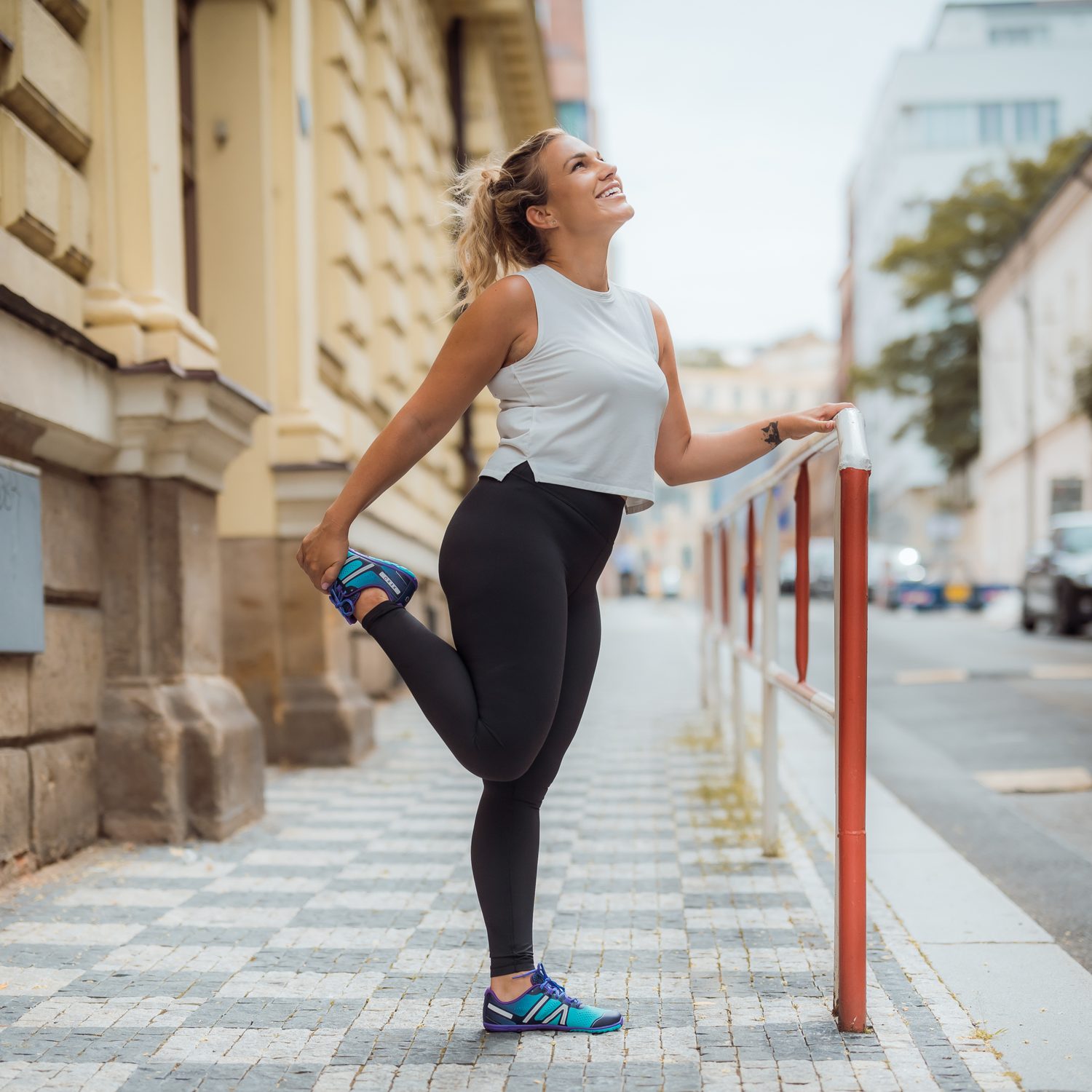
Scientific studies show that wearing barefoot and minimalist footwear, or walking barefoot, increases foot muscle size and strength. Much like strength training in the gym, loading your feet in barefoot shoes helps improve their strength and resilience. Stronger feet are less prone to pain and cope better with everyday demands. And after all, everything stands on your feet.

If you wear shoes that are wider and give your toes enough room (a hallmark of minimalist footwear), it’s only logical to conclude that your feet will be more stable. We’ve explained this in more detail in our article 6 reasons to wear barefoot shoes, and what “barefoot” means.
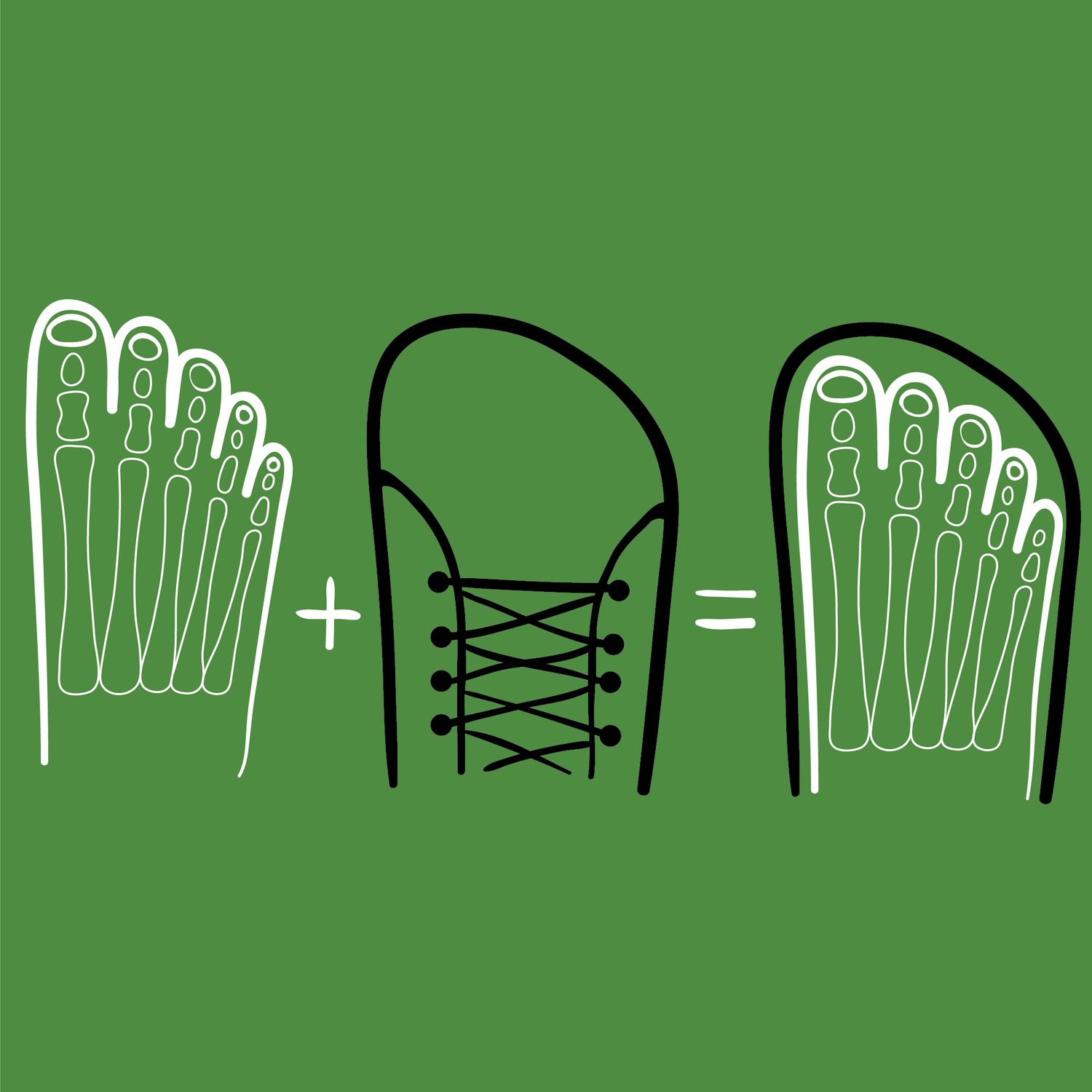 When your toes can spread and learn to create support, the support base of the foot increases by around 10%. At the same time, improved toe function gives your body a tool that helps you regain balance—whether on uneven ground or when you catch your foot on a kerb in town, or a stone out in nature.
It’s also important to mention the stability benefits of shoe models with a thin sole. With a thin sole, your foot naturally receives more signals from the ground, can assess sudden changes better, react faster, and therefore minimise the risk of a fall.
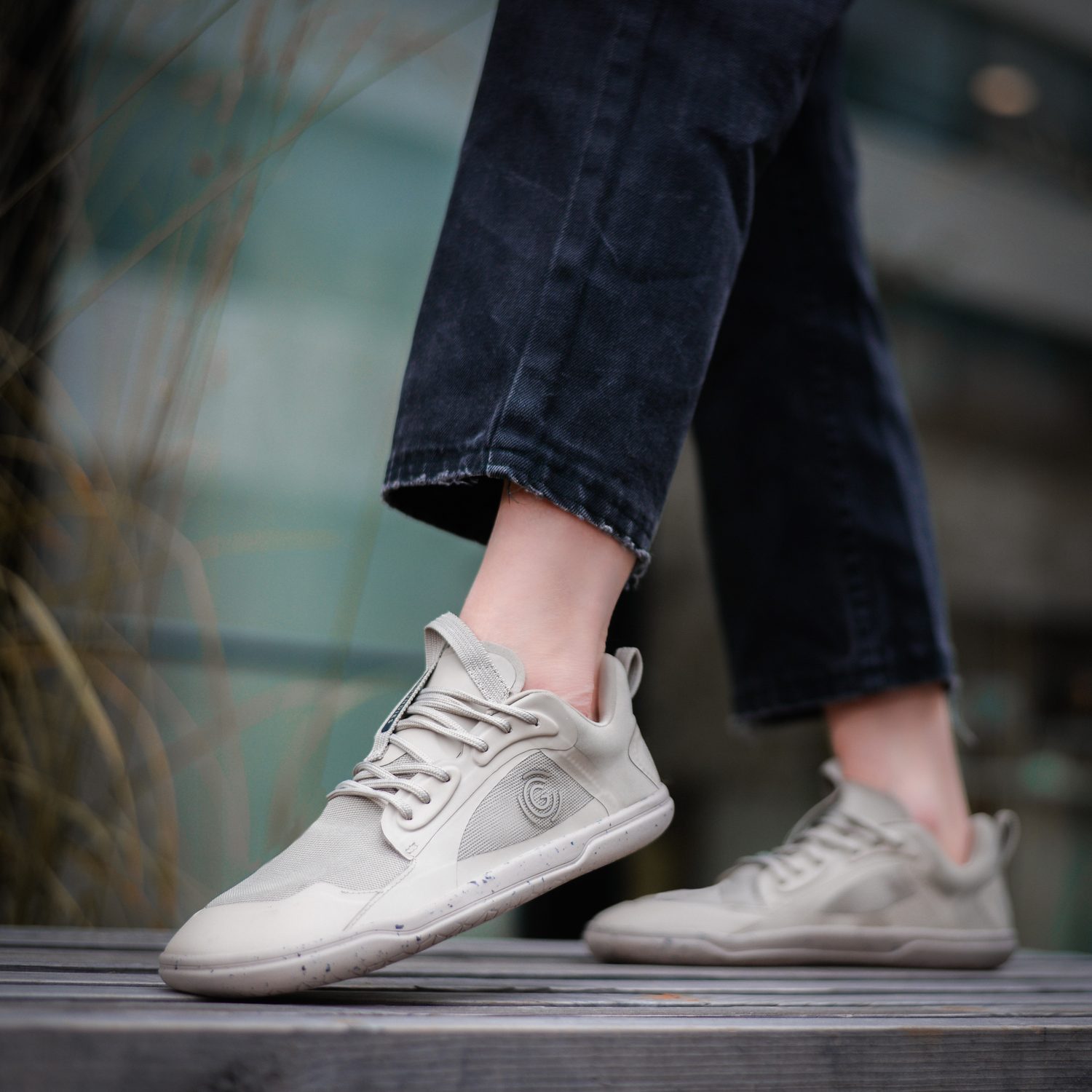 Studies confirm this logical assumption once again.
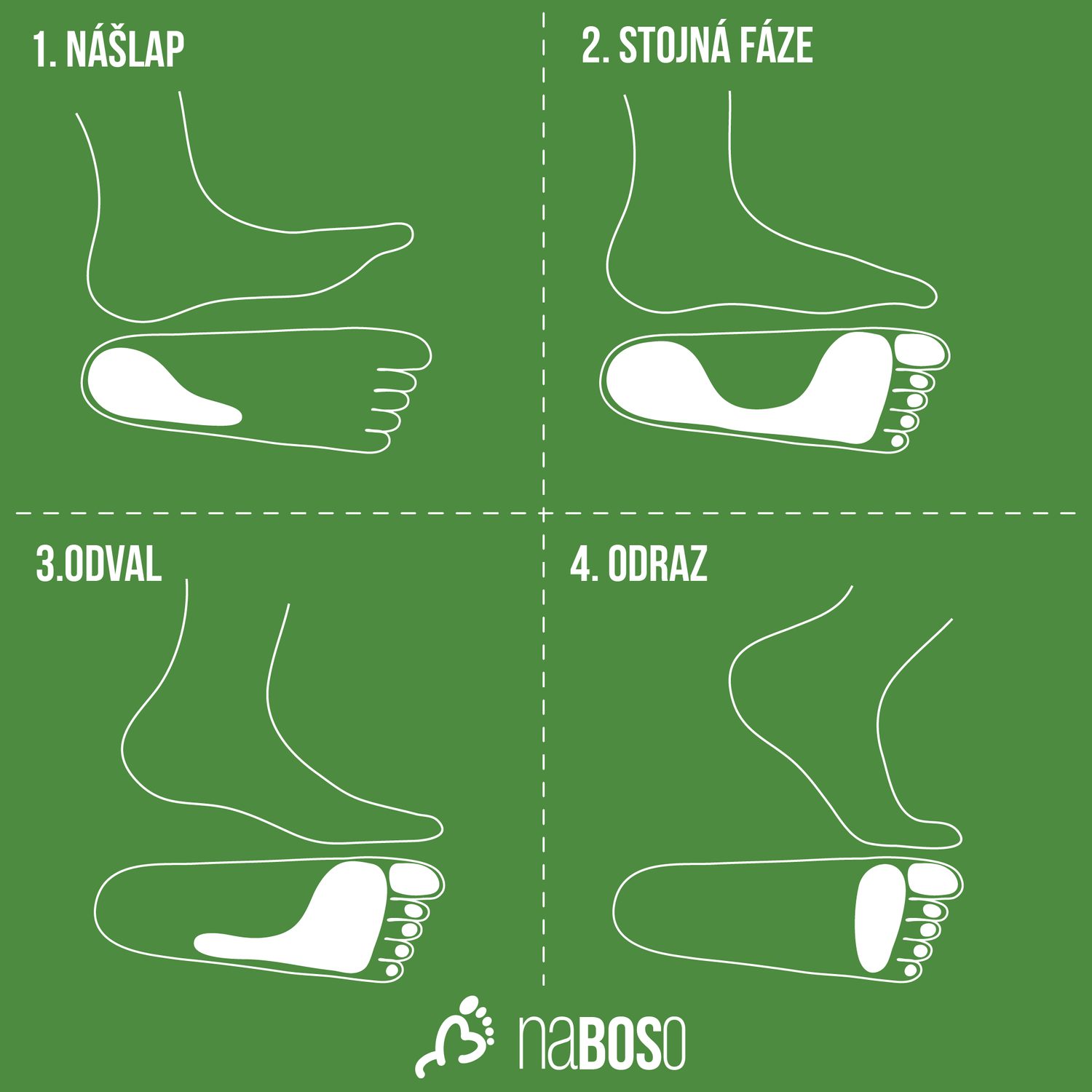
Switching from conventional shoes with a heel or a soft sole to minimalist or barefoot footwear—or walking barefoot—leads to a fundamental change in how we walk. This transition brings us back to a more natural movement pattern and you’ll feel like you’re walking on air.
When we wear shoes that cushion our landing or change the angle of the foot with a heel, we tend to take longer strides and land more heavily on the heel. By contrast, when walking barefoot or in barefoot shoes, the body usually switches to shorter steps with a gentler landing on the forefoot.
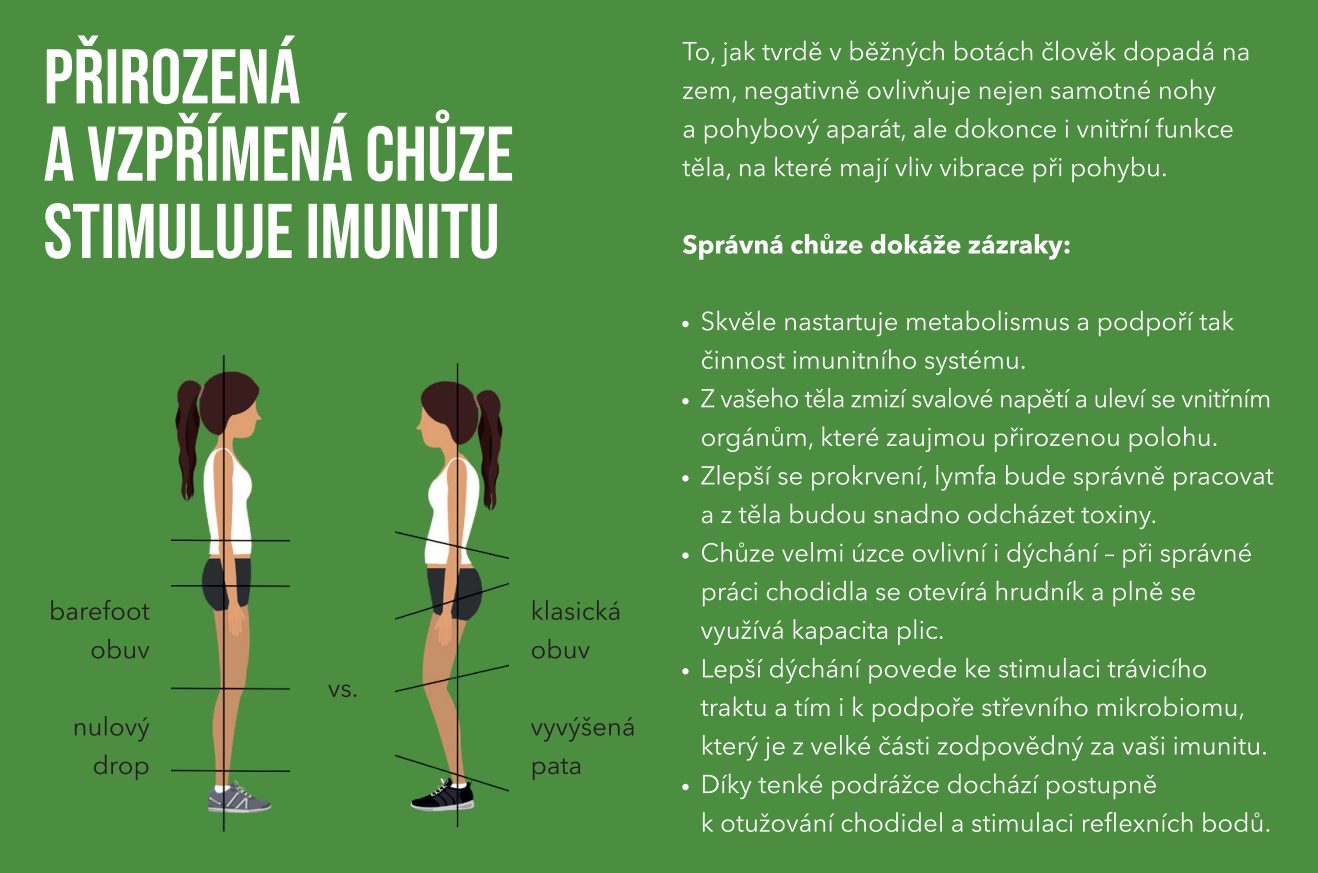
Barefoot shoes give you more room for a natural push-off, which leads to greater engagement of the glute muscles. This change shifts load that would otherwise affect the knees and quadriceps towards the calf muscles and feet.
A more natural way of walking not only reduces the risk of knee pain, but also strengthens the muscles of the lower limbs, contributing to overall improvements in stability and movement efficiency.
So the gait change that barefoot footwear brings can have significant effects on the body. It can bring not only pain relief, but also support a healthier, more natural movement pattern. As a result, walking becomes more efficient and the body more resilient to injury.
Switching to barefoot footwear can significantly reduce knee joint pain because it redistributes load away from the knees towards the calves. Many people who choose barefoot shoes notice relief from knee pain. Scientific studies confirm that in people with knee osteoarthritis, pain decreases and overall physical activity increases.

This effect might seem like a small thing at first glance, but for many people knee pain is the main limitation in the activities they enjoy. Whether it’s running, walking the dog, or simply being able to do the food shop and manage stairs where there’s no lift, pain relief can make a real difference to quality of life.
This benefit of barefoot shoes is therefore very important, because it not only improves physical fitness and activity levels, but also allows people to enjoy their favourite activities without restrictions caused by pain.
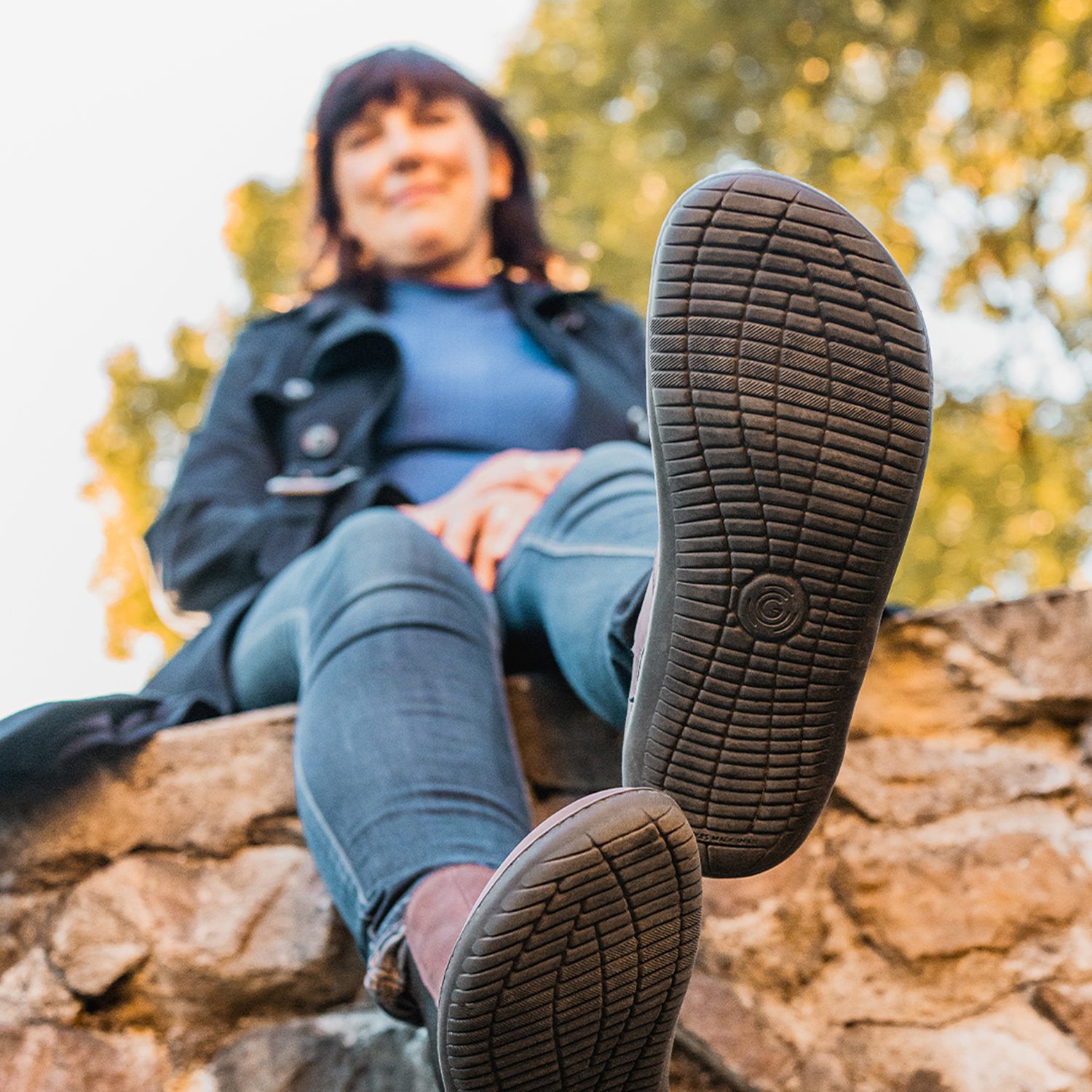
In rare cases, switching to barefoot footwear can also bring some discomfort. Although I haven’t encountered this in the knee area, some people report back pain or foot pain.
These issues are easy to explain: changing your walking pattern loads different muscle groups than your body is used to. The redistribution of load, combined with increased physical activity, can lead to temporary overuse of certain areas.
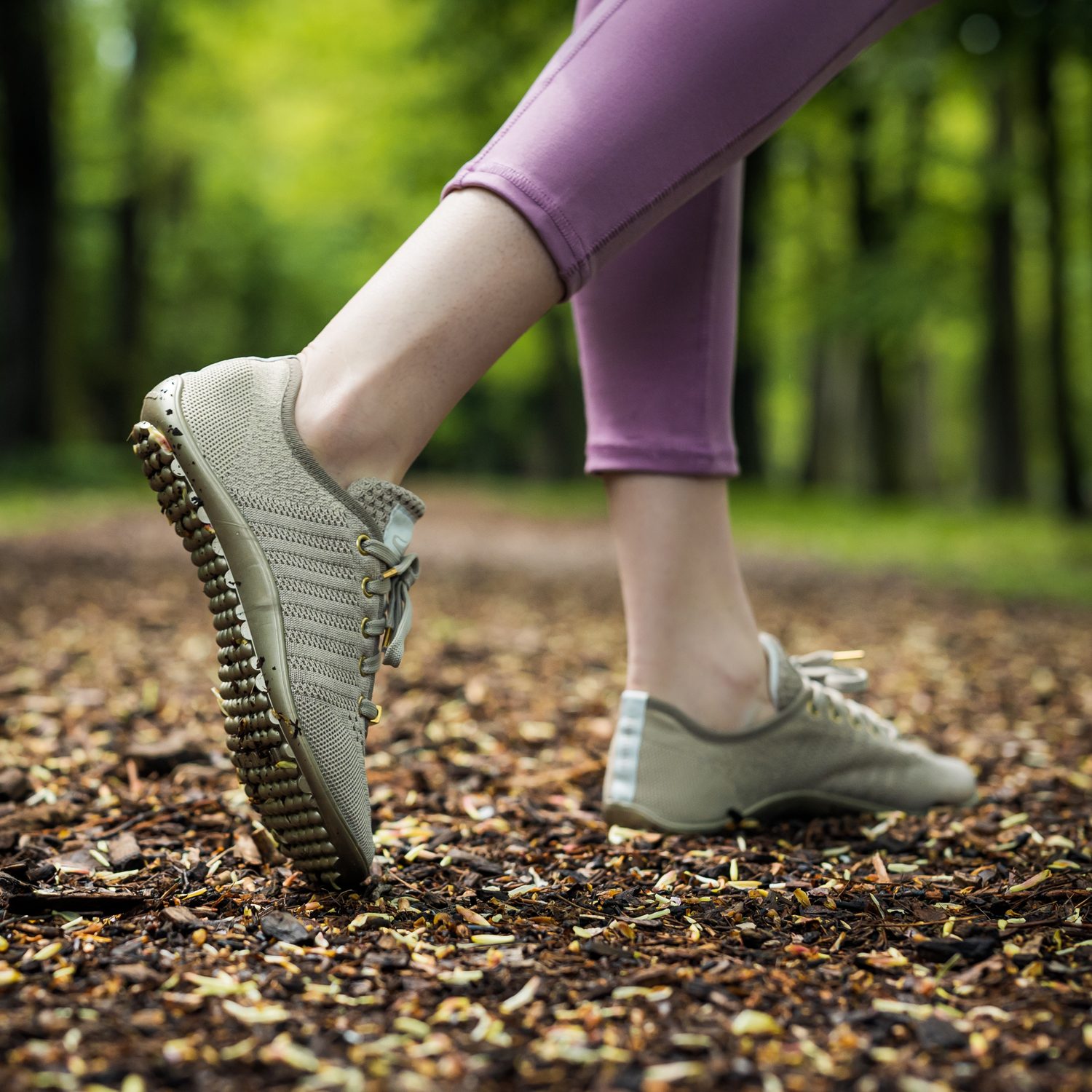
The key to overcoming these problems is gradually reducing the load and allowing your body to adapt slowly. If you give your body enough time to adjust, it’s very likely you’ll avoid these issues—or get past them quickly.
Taking on this small risk of discomfort certainly brings many long-term benefits. Just as going to the gym can feel a bit uncomfortable at first, changing your footwear can also cause mild difficulties in the beginning.
Don’t be afraid to start “training” your feet with barefoot shoes. If you’re not sure what to do or you’re struggling, don’t hesitate to ask a professional for advice before you give up on this opportunity for stronger, healthier feet.

Article author: Mgr. Michael Tichov
An active athlete and physiotherapist who lives by the motto “a healthy mind in a healthy body”. His focus is on physical exercise—whether sports training or therapeutic exercise aimed at helping people get rid of chronic pain. You can find more physio tips on FyzioGo on Instagram.


 € - US
 Čeština
 English
 Slovenčina
 Magyar
 български
 Polski
 Dansk
Dansk
 Nederlands
 Svenska
 Suomi
Suomi
 Español
 Français
 Slovenščina
 Română
 Português
 Deutsch (DE)
 Deutsch (AT)
 Deutsch (CH)

