We’ll be happy to help via online chat or at: orders@premiumbarefoot.com

What does valgus actually mean? Can you do anything about it? How and when does it develop? Let’s take a closer look at valgus ankles.
A term you’ll often hear in the waiting rooms of physiotherapists, paediatricians, podiatrists and orthopaedic specialists is valgus ankles. This issue affects not only the foot, but the whole musculoskeletal system, so it’s important not to underestimate it from your little one’s very first steps. But if you’re dealing with valgus yourself and thought it’s too late to do anything about it – it isn’t.
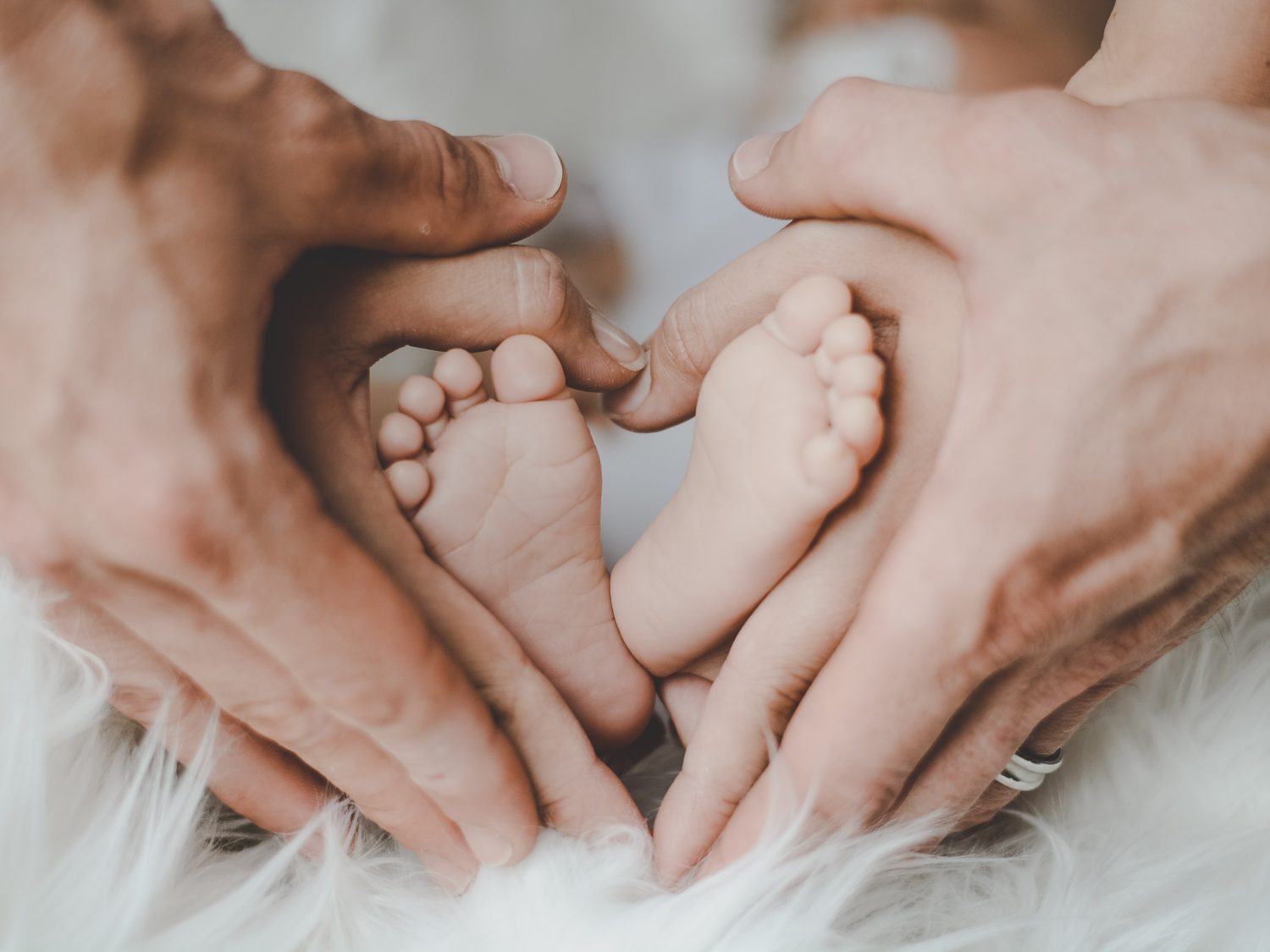
An unnatural ankle position is usually noticeable at first glance. With correct alignment, the heel bone is perpendicular to the ground. Valgus means the heel bone tilts inwards – more precisely, it collapses inwards. How serious it is is assessed by the angle of the tilt. If the problem isn’t treated, it can become painful and may lead to further injuries.
Valgus is often confused with flat feet, which are caused by a fallen arch. The two can be related, but they don’t have to be. In both cases, prevention and seeing a specialist early on are important.
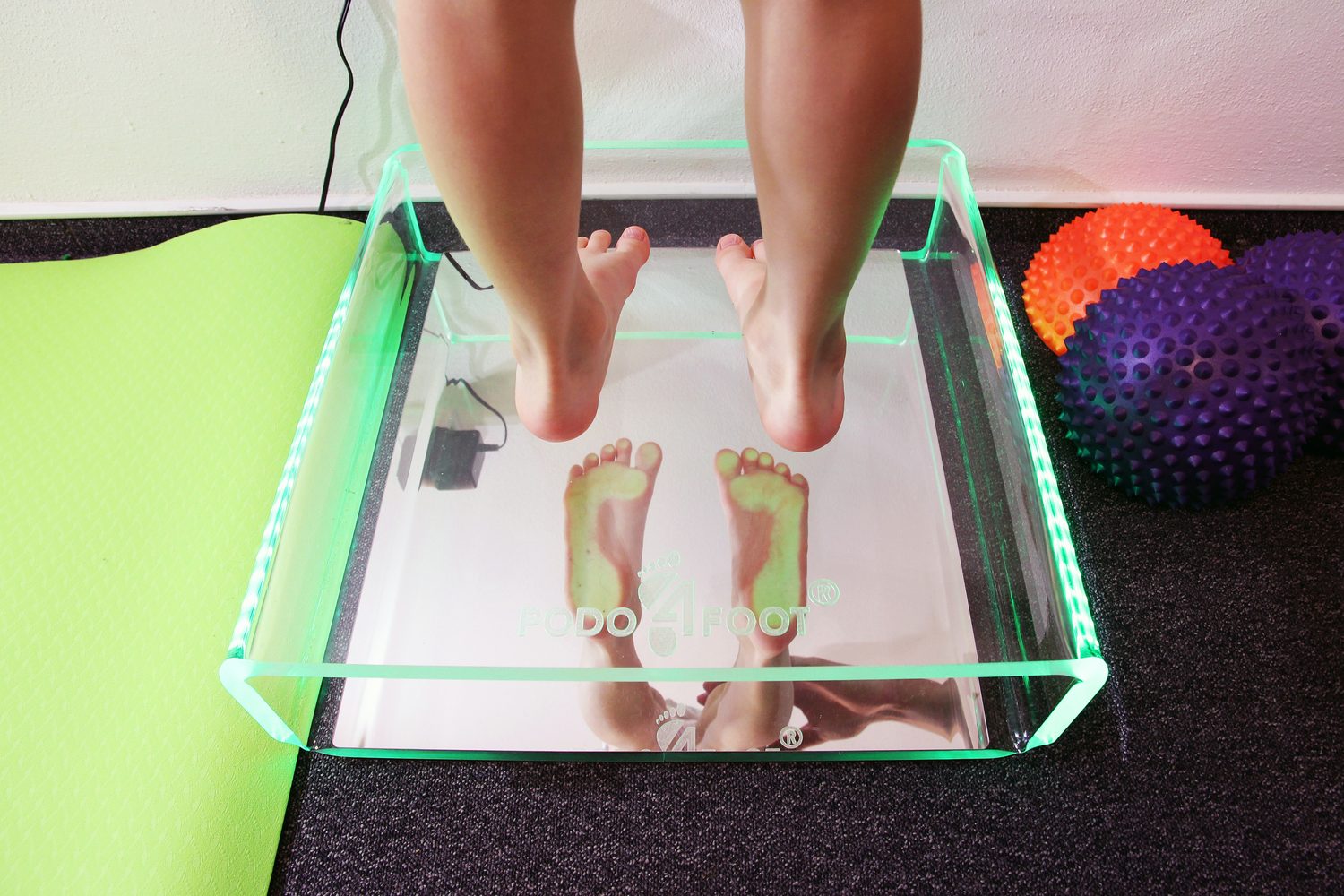
Causes:

Every parent is thrilled with each new developmental milestone their child reaches: the first smile, the first roll, the first sit, crawling – and of course walking. The most significant developmental changes happen in the first year of life. First steps are definitely one of the big milestones. Suddenly your child starts exploring the world on their own terms, gets where they want to go – and parents don’t get a moment’s rest… we know the feeling.
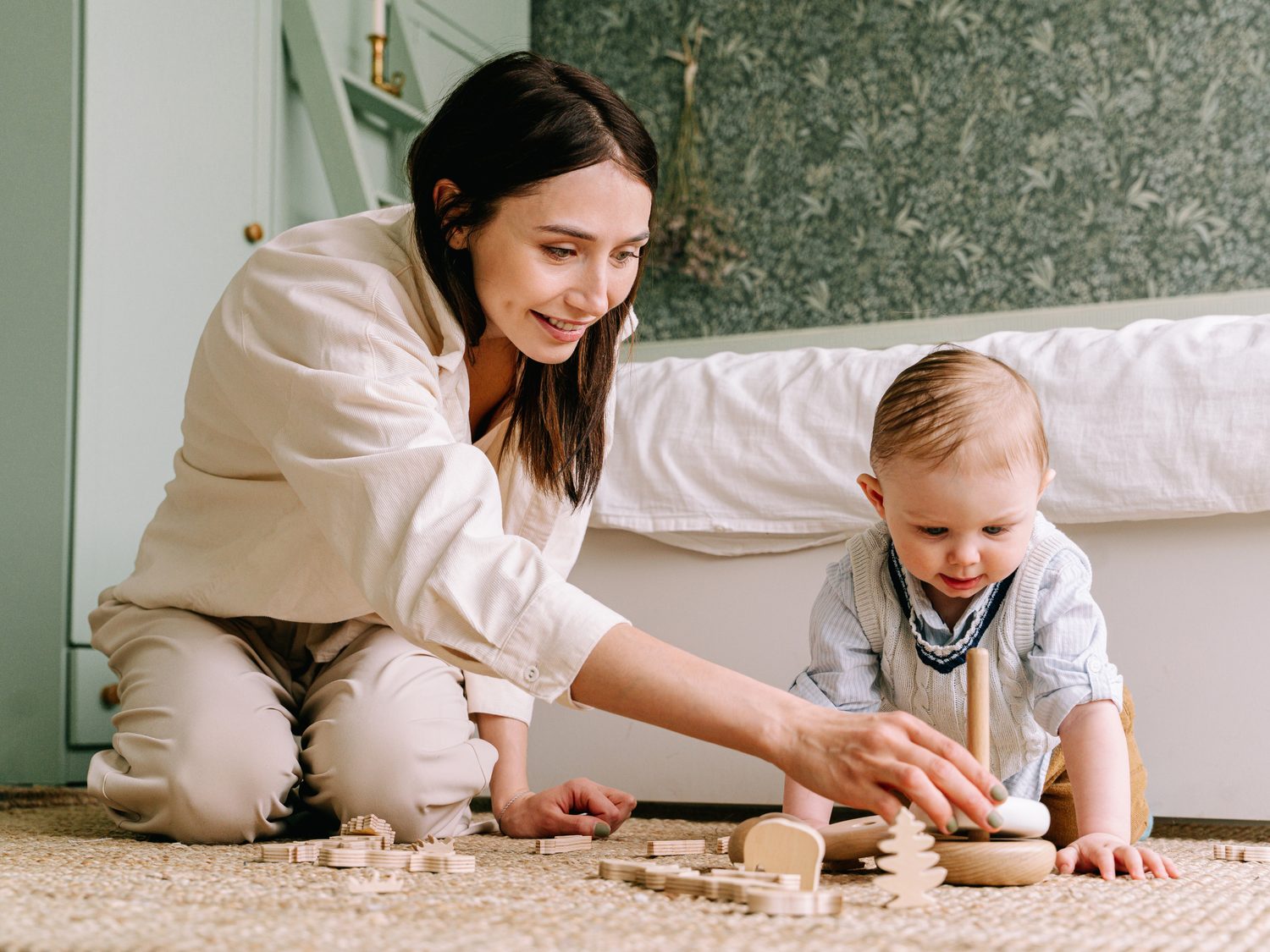
In psychomotor development, an important stage before walking itself is tummy time. Another key step is crawling on all fours, which strengthens the core. This prepares the stabilising system for those first steps and further development.
Another thing to watch out for is the child-favourite W-sitting position. If your child sits like this often, take note, remind them and help them unlearn it. In this position, the hips, knees and ankles are pushed into an unnatural alignment, which can lead to hip pain, motor difficulties, and also valgus ankles and knock knees. As a parent, you should pay attention to any visible asymmetry.

A big mistake that can affect natural development is “helping” too much as a parent. This includes aids like bouncers and baby walkers (including push walkers with wheels), or sitting a child up too early. A semi-reclined position in a sporty pushchair can look harmless, but if your little one can’t sit up independently yet, even this forced semi-sit isn’t developmentally appropriate. Parental intervention shouldn’t go beyond what your child can do on their own. Hang in there. Sometimes it takes time, but it will come.
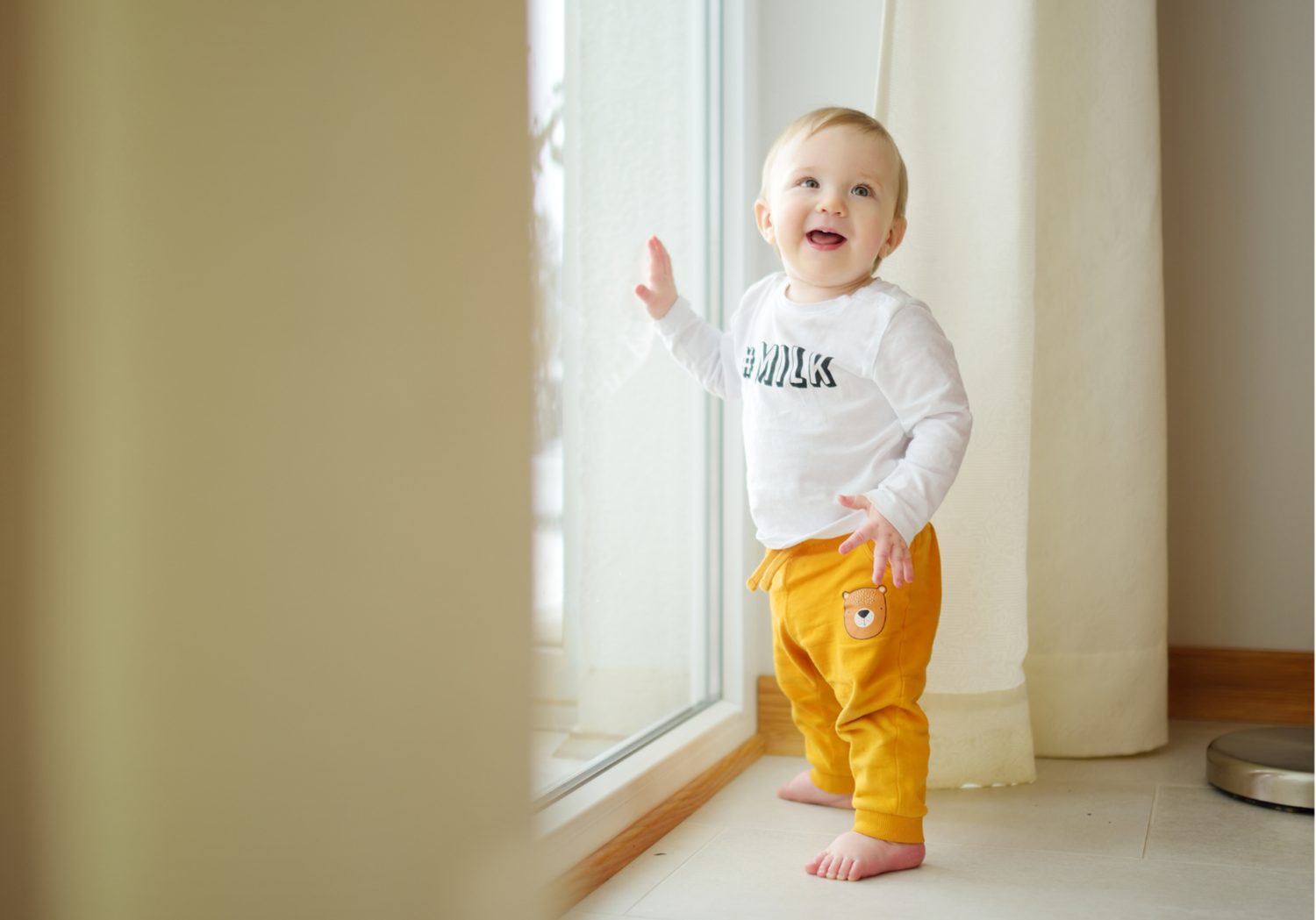
When a child starts walking, it’s natural for them to have valgus ankles and O-shaped legs. Don’t panic – it’s common. Around the age of three, the alignment usually corrects itself. Doctors often advise: wait until age three and then we’ll see what to do. But if anything worries you or the issue is clearly visible, don’t wait – see a specialist sooner rather than later. Deviations from natural development can be recognised after about six months of walking.
A classic “mistake” parents make is holding a child by the hands while they walk. If you do need to help your little one, support them under the shoulders instead. Ideally, though, let your child explore the world in their own way. Children find their own route: they walk along the wall, around the table, holding onto furniture, or with a toy in their hand that can act as a stabiliser.
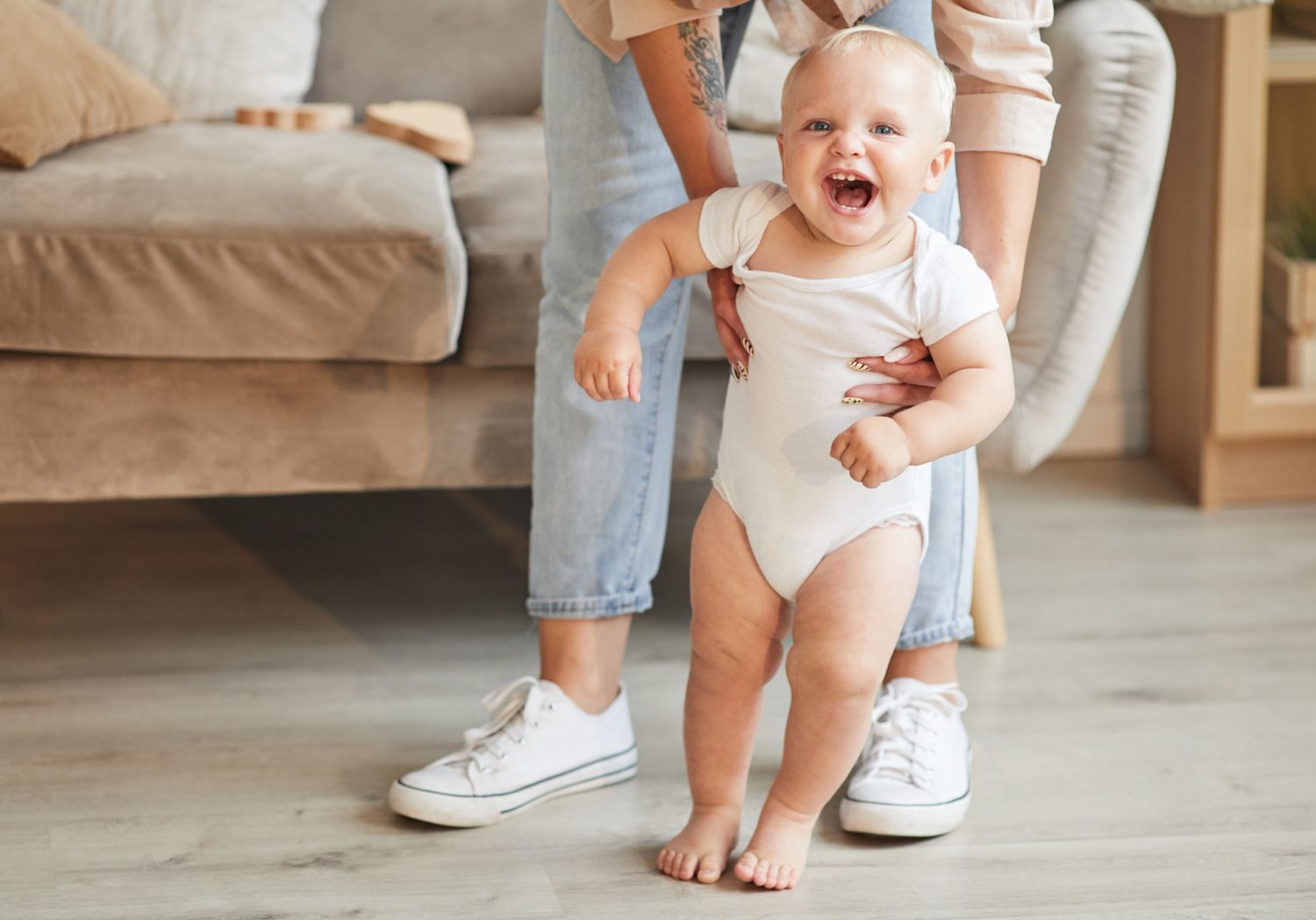
So what can parents do? Enjoy every new step forward and keep an eye out for any anomalies. If you’re unsure about anything, see a paediatric physiotherapist. Better one extra appointment than missing something important.
See a specialist – that’s the foundation for dealing with any issue. That’s what specialists are for. A physiotherapist can recommend specific exercises to help strengthen the muscles of the lower limbs and improve overall joint stability. Another option is custom orthopaedic insoles, which help improve heel alignment and actively engage the muscles that need strengthening. The right shoe must fit well at the heel. Heel counter support – the back part of the shoe that wraps around the heel – is important for proper walking. Just note: this isn’t the same as ankle support; ankle support isn’t needed.
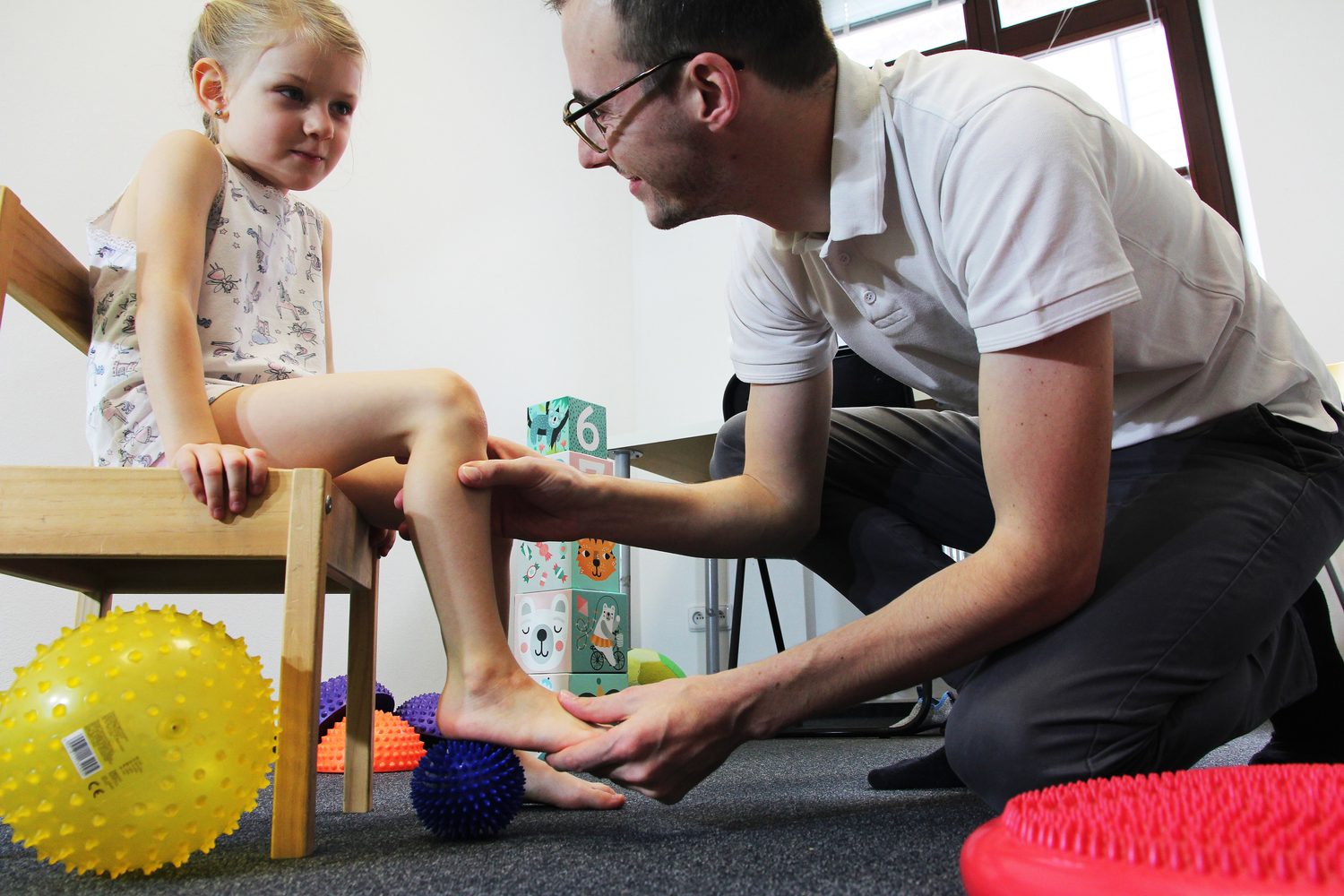
So, what’s the takeaway? Watch your children and support their natural development. Let them explore the world in their own way, on their own feet. They’ll reward you with endless joy and the sweetest smile. If you notice any deviations and something doesn’t feel right, don’t wait – book an appointment with a specialist.
And if valgus affects you, the same applies. A visit to a physiotherapist, regular exercises and the right footwear can work wonders. It’s never too late.
And you know what? Give it a go naBOSo. :-)
This article was created in collaboration with physiotherapist Edita Prošková, with whom we recorded PODCAST: Valgus ankles and knock knees.


 € - US
 Čeština
 English
 Slovenčina
 Magyar
 български
 Polski
 Dansk
Dansk
 Nederlands
 Svenska
 Suomi
Suomi
 Español
 Français
 Slovenščina
 Română
 Português
 Deutsch (DE)
 Deutsch (AT)
 Deutsch (CH)

