We’ll be happy to help via online chat or at: orders@premiumbarefoot.com

Selecting and Maintaining Barefoot Shoes
Nubuck, velour, suede, vegan leather, cotton, linen. Let’s take a closer look at all the materials used to make barefoot shoes.
We often hear the question of why barefoot shoes are so expensive. A big part of that higher price is down to the honest human touch and handcrafting, which takes dozens of hours. Before the shoes reach your feet, they’ll be handled with care by, for example, up to ten people during production at brands like Angles. But materials play a major role too.
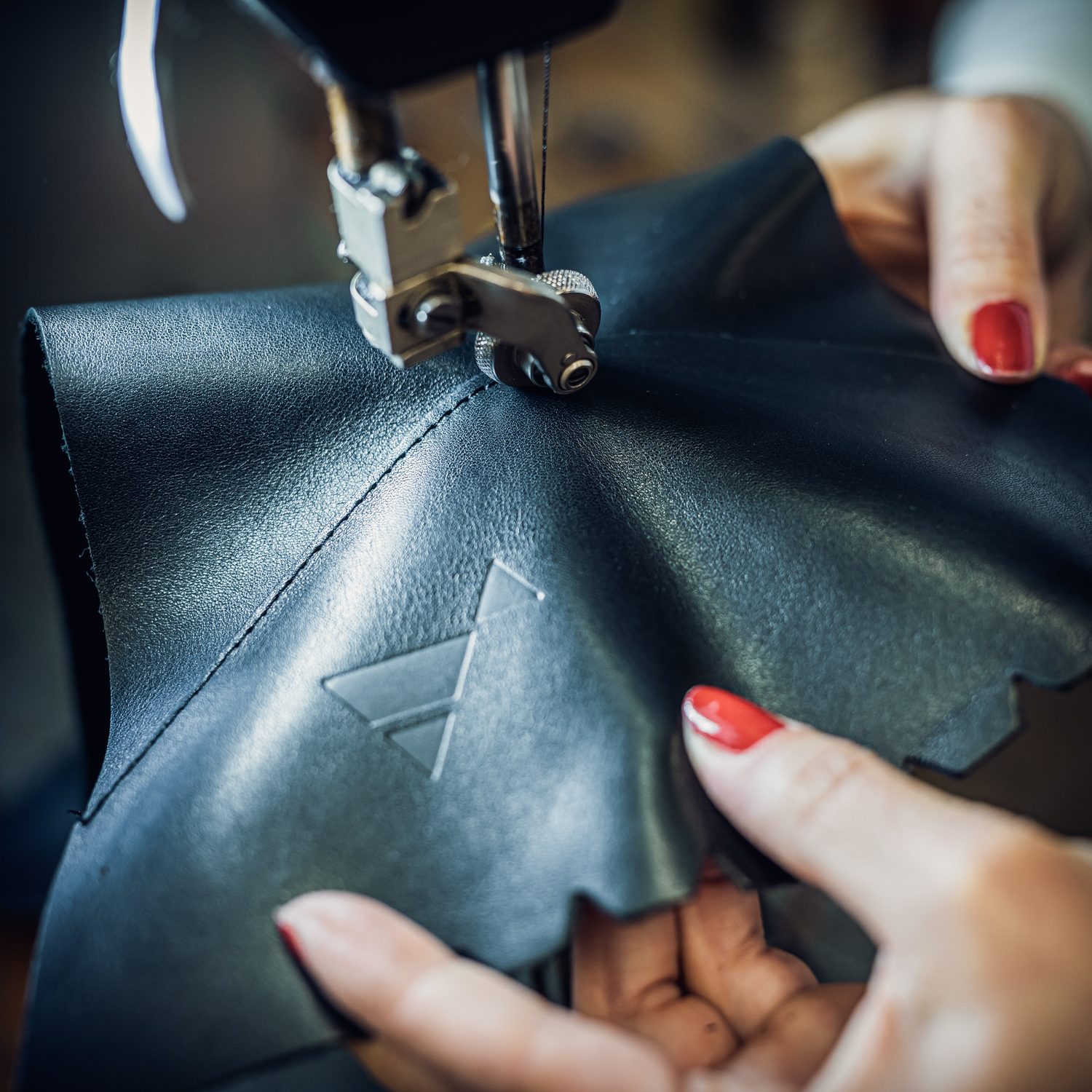
All makers of these barefoot beauties choose premium quality and ideally local sources, so they can stand behind their shoes both in terms of quality and brand philosophy. And you know it yourself: barefoot manufacturers really do care about ecology and sustainability.
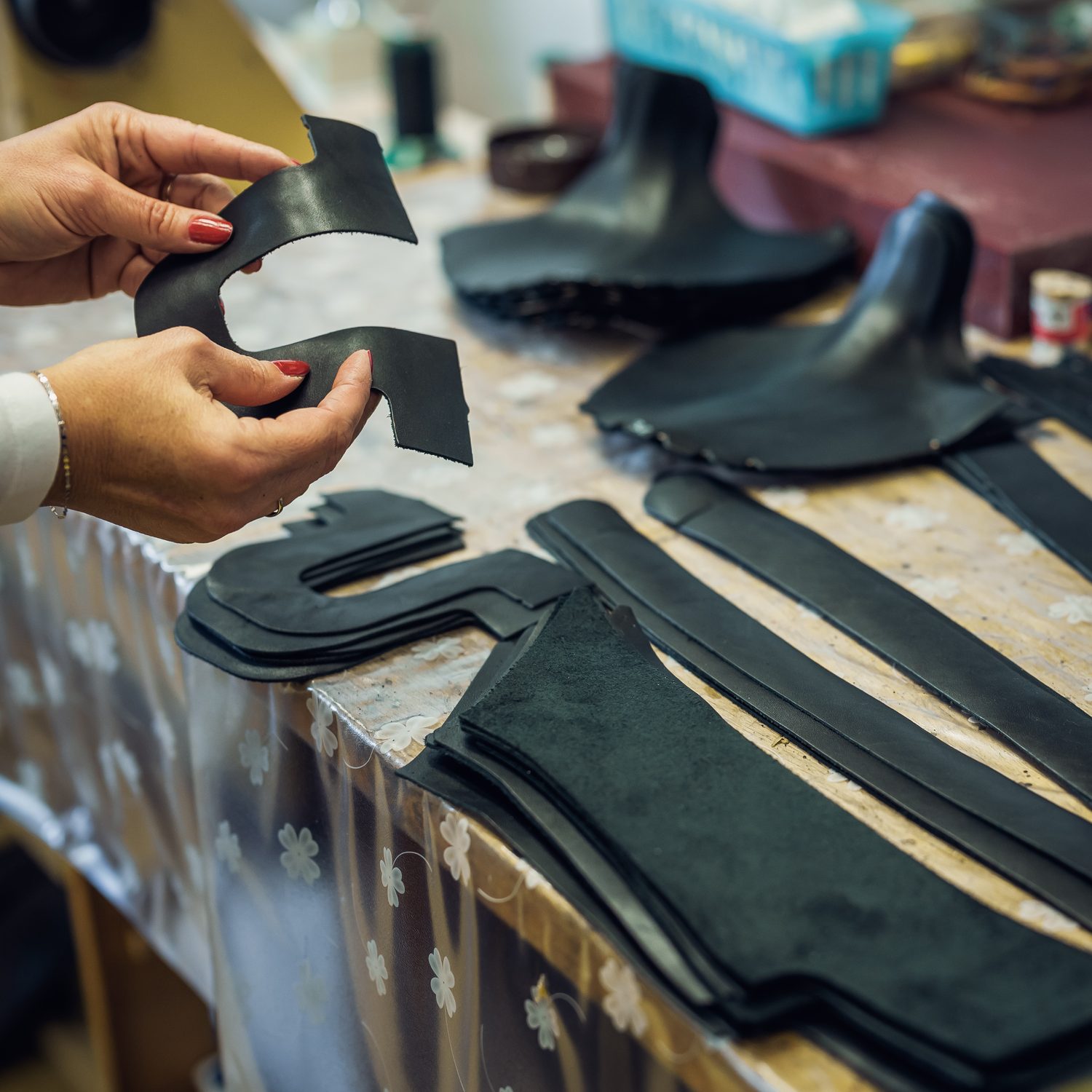
Have you ever thought about how the leather used for your shoes is basically flawless? No pigment marks, no insect bites and other tiny imperfections? That’s because huge care goes into selecting the right quality and the right supplier. Not all leather is the same – and when it comes to leather for shoemaking, that’s doubly true. After all, we want shoes that last and still look like new.
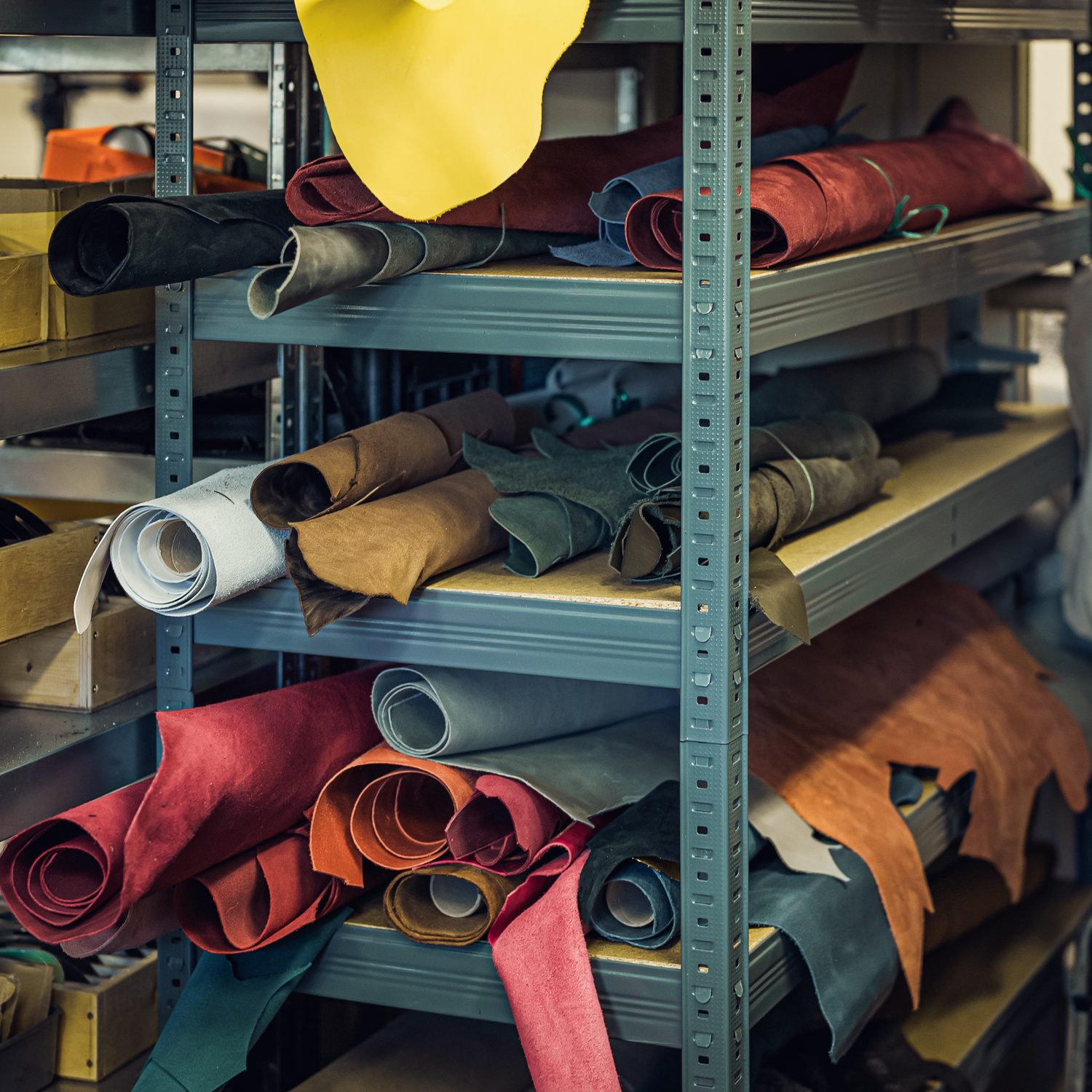
It’s not about saving material – quite the opposite. Buffing improves the properties of the leather and makes it more supple and softer, meaning it adapts better to your foot. That’s why, in proper shoemaker’s terminology, any processed leather should be called leather. It’s a strong, flexible and durable material that’s also lightweight and breathable – perfect and highly desirable qualities for footwear. And there are several types: classic smooth glossy leather, nubuck, velour and suede. Let’s take a closer look.
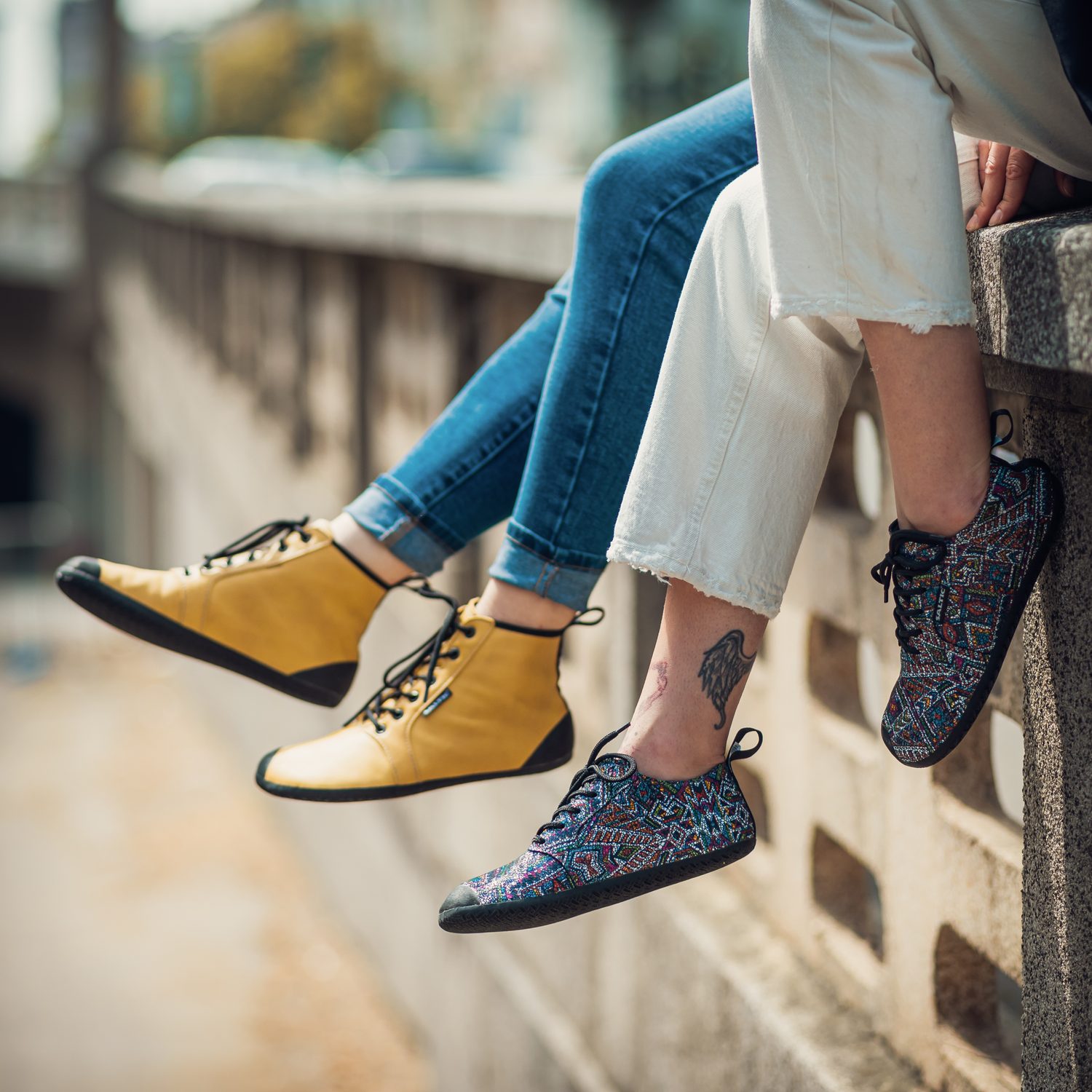
This is what most of us picture at first glance. It’s an upper material that’s completely smooth – with no nap. During processing it’s often waxed, and waxing is usually all you need for maintenance, which is why it’s such a popular choice, especially for shoes. Leather shoes made from smooth leather (and other items too) are easy to care for and resistant to scuffs as well as moisture. Barefoot shoes made from carefully selected leather are produced by brands such as Angles, Groundies, Saltic, Be Lenka or Camper.
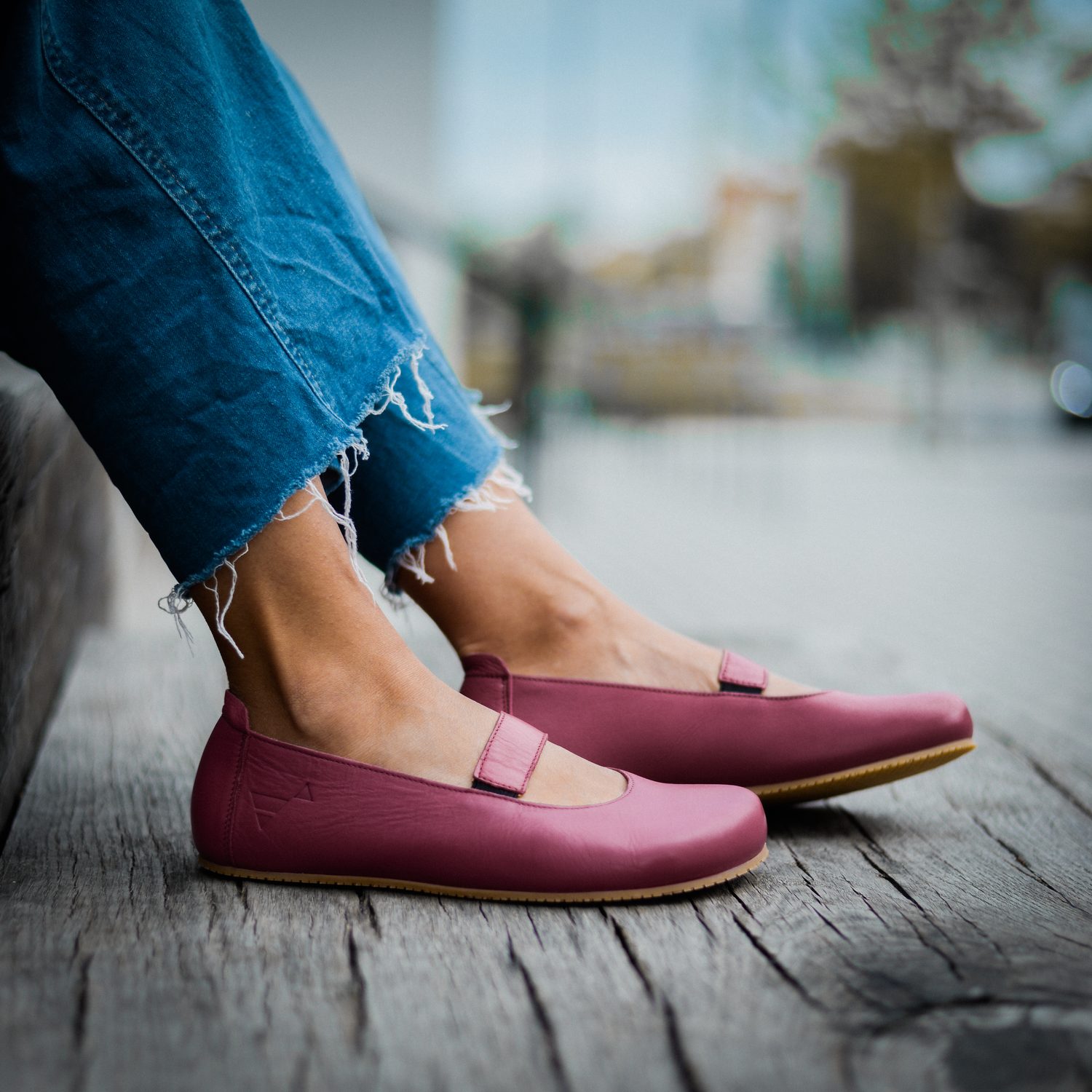
Even the distinctive name nubuck hints that this is a refined type of leather. It’s known for its softness, supple feel, yet still excellent strength and – this might surprise you – superb breathability. Nubuck is buffed on the grain side, leaving a short nap on the surface. The nap is low, so sometimes it’s hard to spot with the naked eye. After waxing, nubuck can easily be mistaken for smooth leather. Preparing it is fairly demanding, which is why products made from it are often more exclusive pieces – such as the collection of children’s shoes from the brand Pegres.
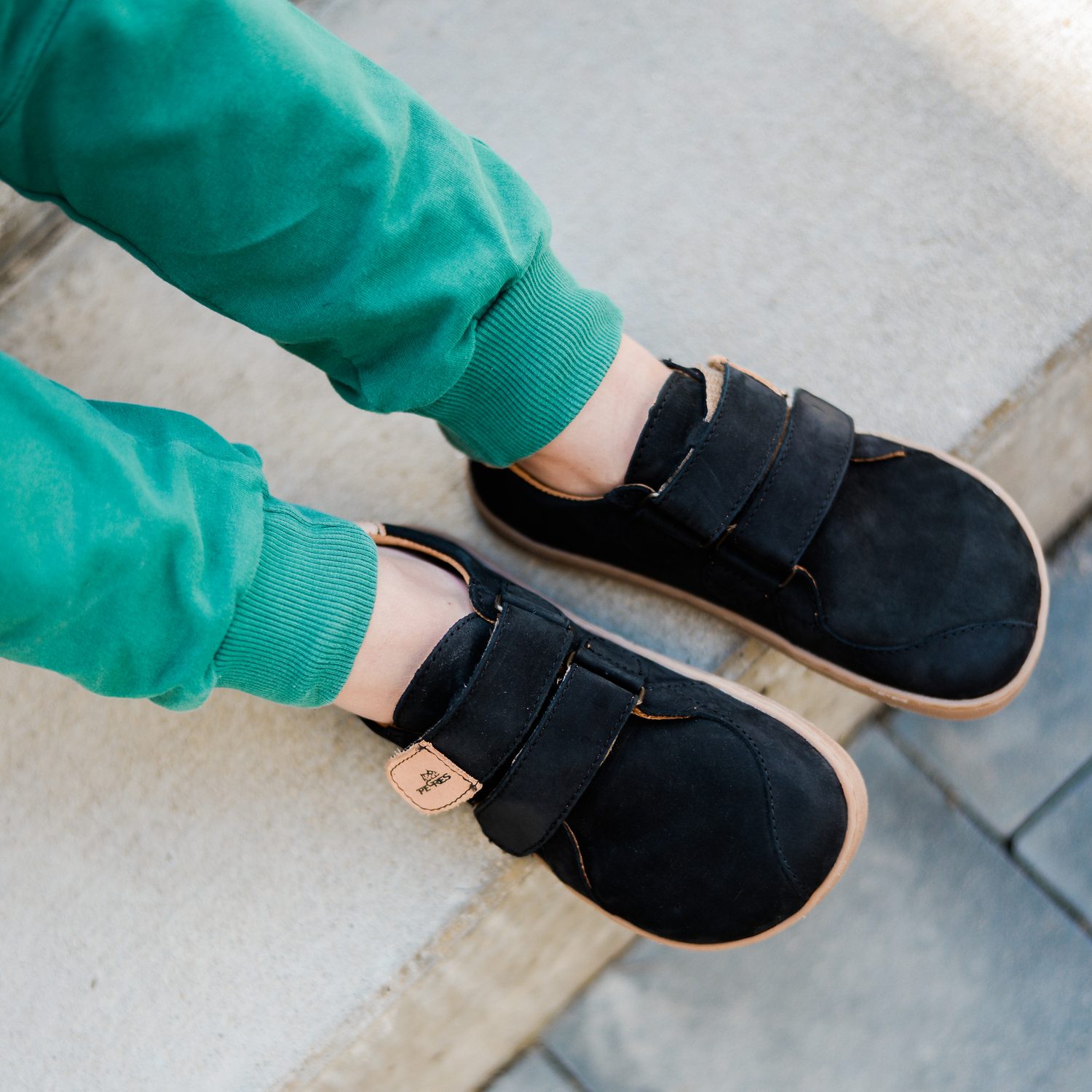
Nubuck is often confused with suede. Suede, however, has a noticeably longer nap, which shows darker marks after touch. Both suede and nubuck have one big downside: they’re prone to water and moisture. If these materials come into contact with water, they’ll very likely darken. That can lead to marks on the shoes – which can add character in a good way, but can also spoil that perfect look. Luckily, it can be sorted: for nubuck and suede you can get special erasers and brushes that are gentle and can remove marks like these.
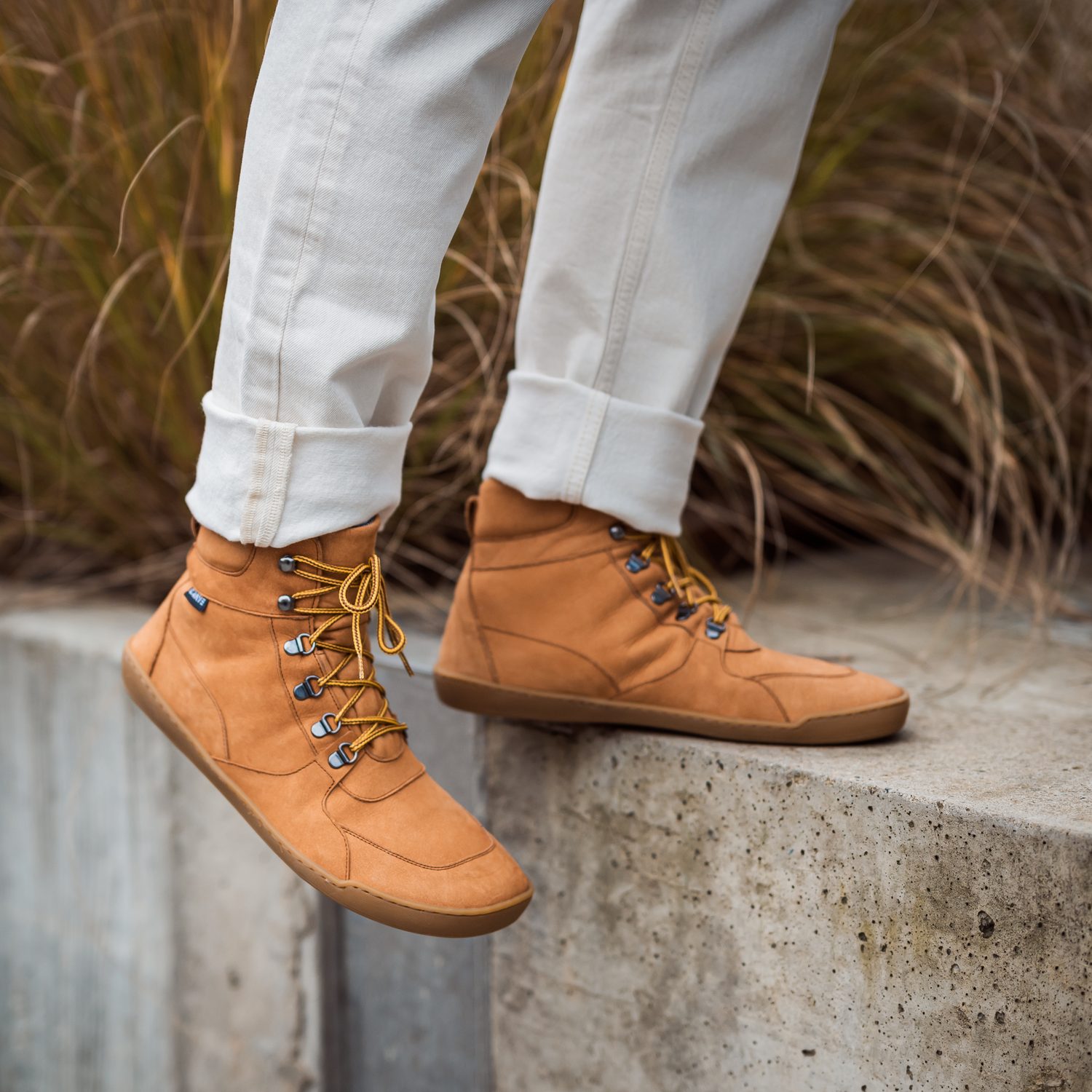
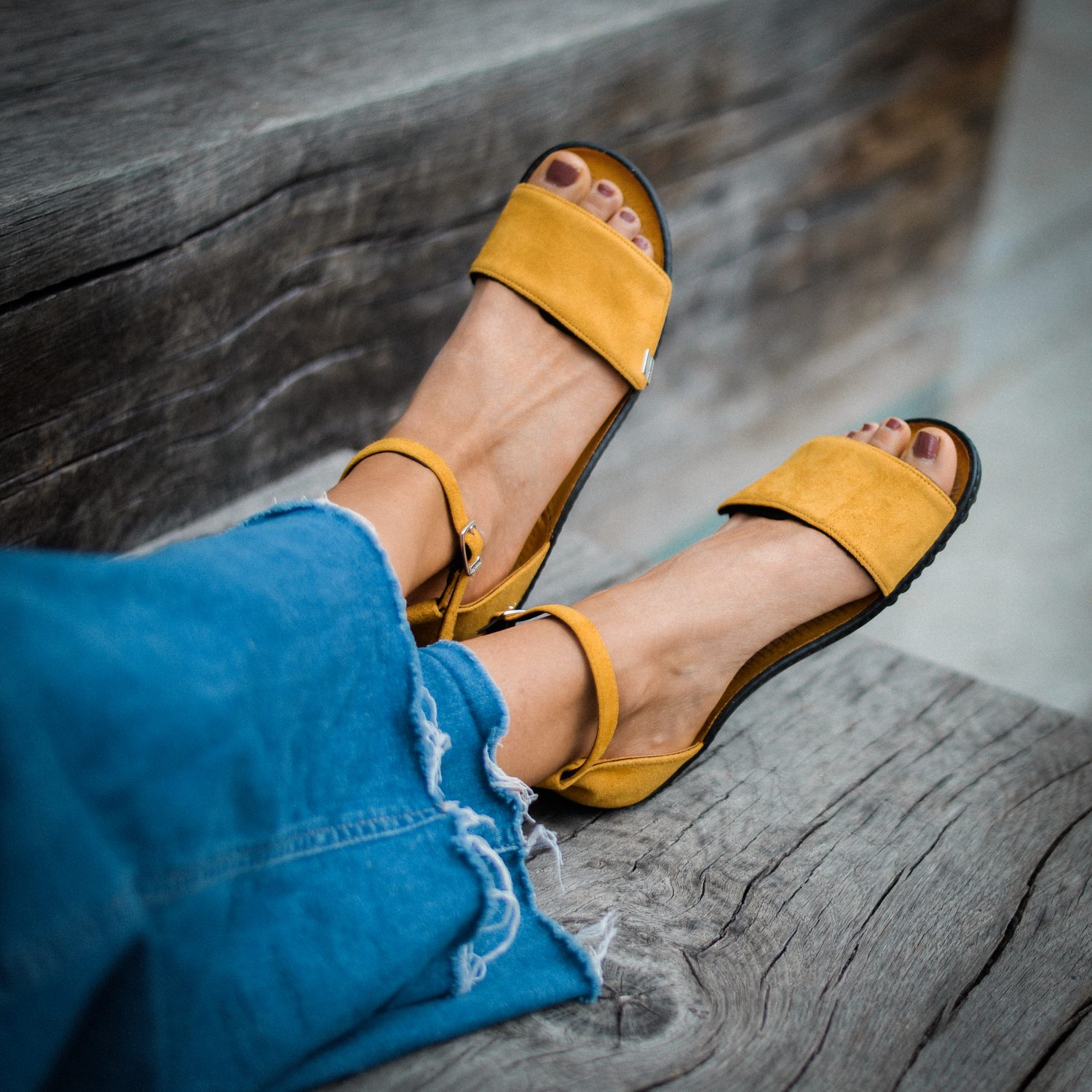
Velour is a real workhorse of a leather. It’s leather buffed on the flesh side and its nap remains on the surface, so it looks – and feels – visibly fuzzy. It’s less prone to smudging from touch than nubuck, which is why it’s often a favourite, especially among makers of work accessories and footwear. Among barefoot designers, the Zlín-based brand Saltic has embraced it in the Fura collection.
Did you know that the leather used to make shoes is essentially a by-product of beef processing? Thanks to your shoes, it doesn’t end up being incinerated – it’s used almost down to the last piece.
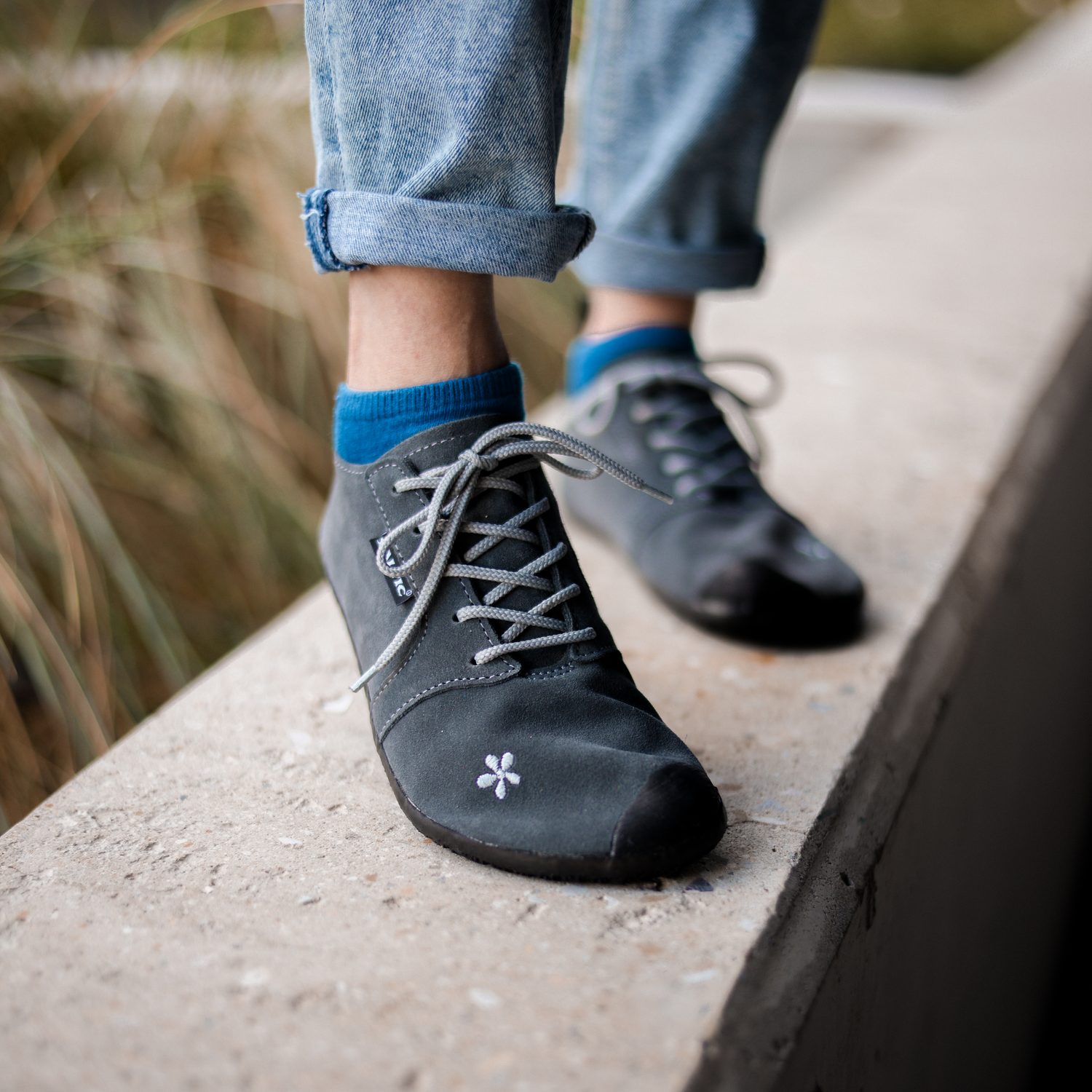
The days of tacky synthetic ‘leather’ are long gone. Today’s alternatives can brilliantly mimic natural leather types and often offer even better properties. They can be more durable (against microorganisms as well as other influences), come in a huge range of colours, and thanks to ever-improving material combinations, development keeps getting closer to the ideal footwear conditions – such as flexibility and breathability.

Of course, the key idea is that no living creature lost its life for these shoes. Overall, using vegan leather should be as gentle on the environment as possible, from production right through to disposal. And that’s exactly what manufacturers of vegan barefoot footwear work hard to follow. Shoes made from highly durable leather alternatives can be found, for example, from the brand CRAVE. The VEG range is also a point of pride for Saltic. You’ll find our vegan barefoot selection on the website under Vegan shoes. Every shoe with a vegan base is specially marked with a green ‘vegan’ circle. We’ve covered this topic in more detail in the article Can barefoot shoes be vegan?
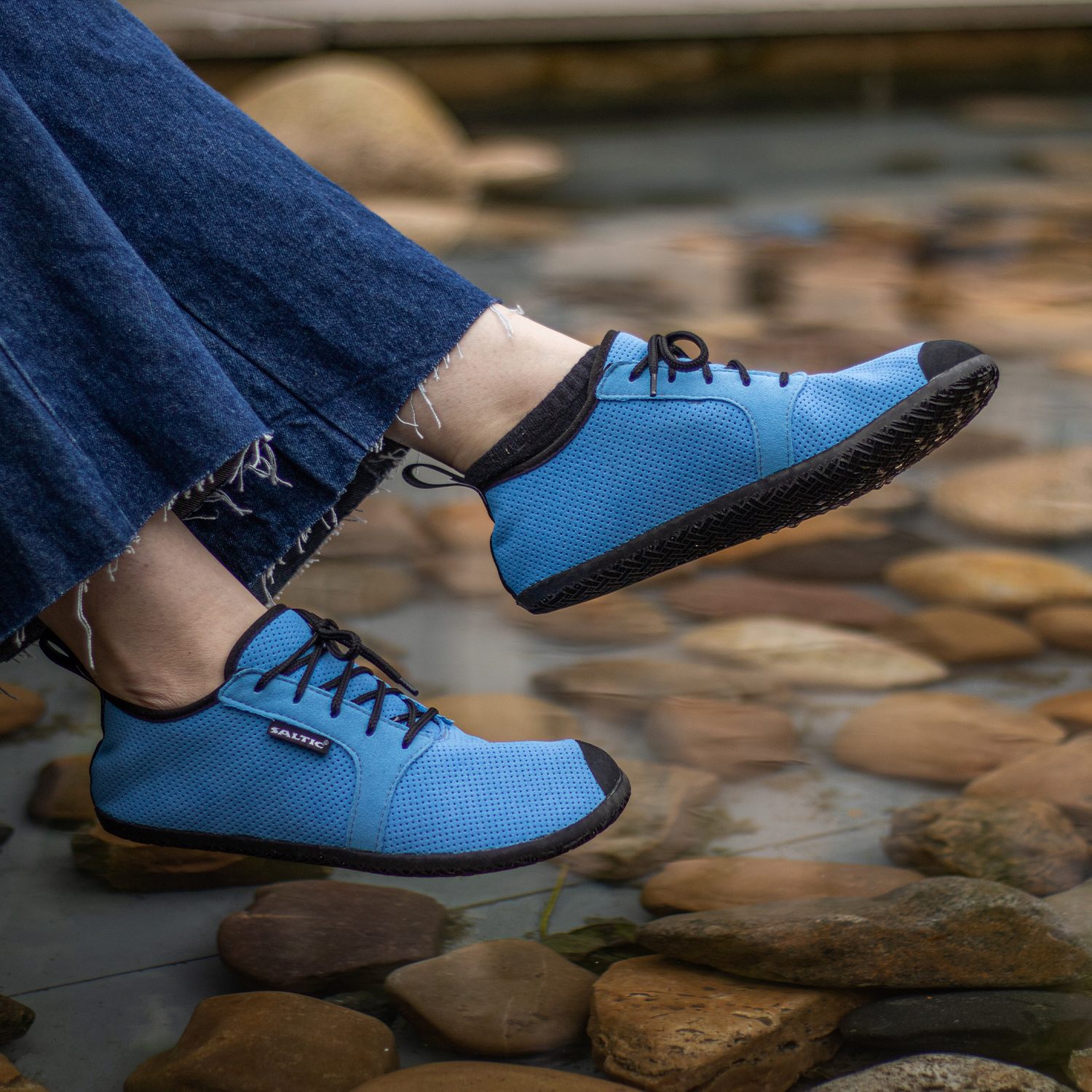
“I’m sewing little shoes for dry days and wet days.” That won’t be the case with textile shoes. The ideal climate for them is, of course, a dry spring, summer and a warmer autumn. They won’t protect you much from winter; on the other hand, in summer you – and everyone sitting nearby whenever you take your shoes off – will love the breathability. And water resistance? That’s the tricky bit. But even that can be solved. Did you know there are waterproof socks?
Tomáš Baťa already knew the benefits of canvas shoes. Lightweight footwear made from textile materials – the so-called “baťovky” – was the key product that suddenly became a huge global hit. And can you blame it? Not at all: textile footwear comes with plenty of advantages. The comfort of feet wrapped in natural materials with ideal space for your toes speaks for itself – you just need to try it. Cotton is often used as an additional material alongside synthetics (so not purely natural materials), for example by leguano. But that doesn’t reduce functionality – quite the opposite.
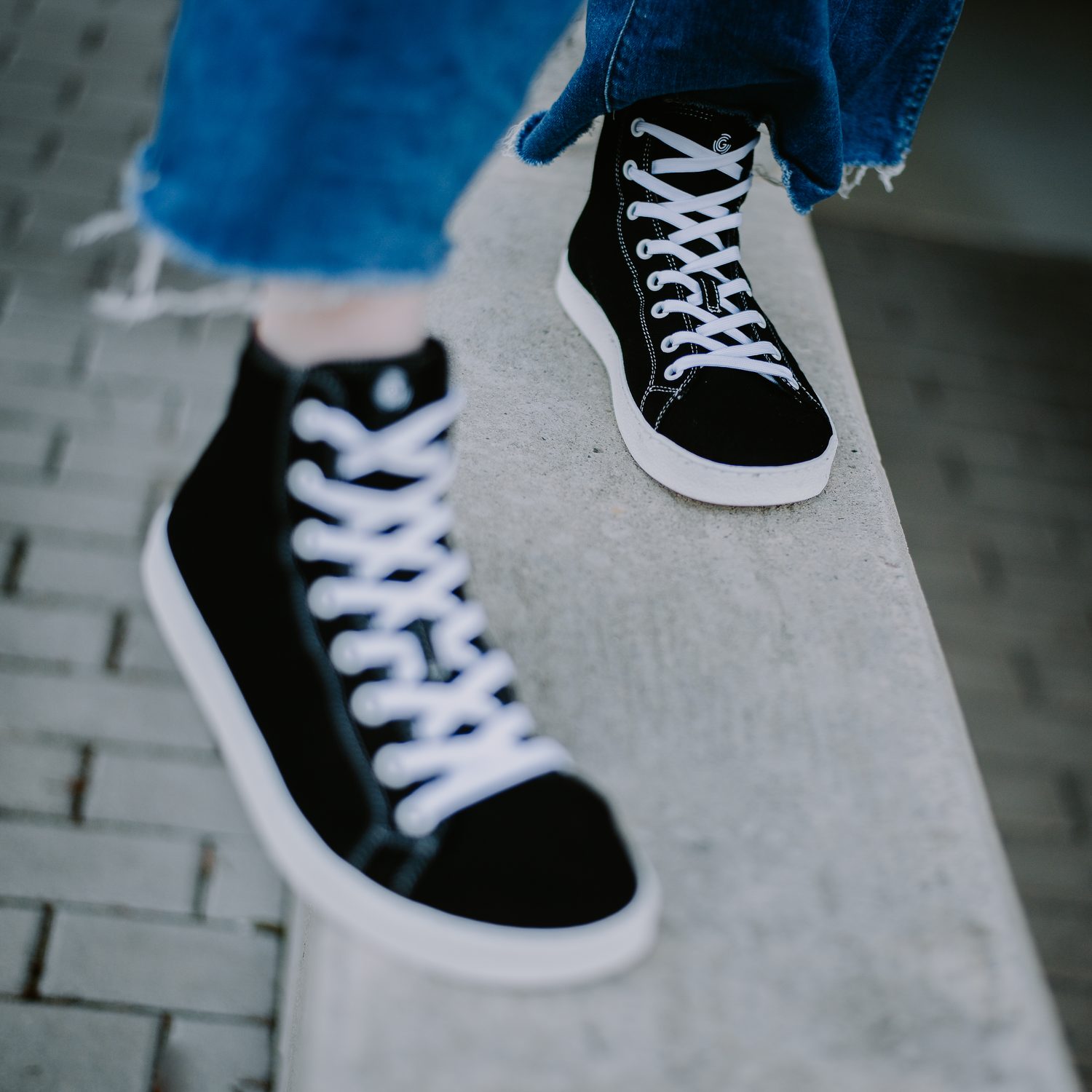
Synthetic textile materials have their own appeal too – especially breathability, water resistance and lightness. You’ve guessed it – they’re ideal for sports shoes, but not only that. These featherlight beauties look great in the office, on a woodland walk, around town, and during training too. You’ve surely heard words like softshell, polyester or nylon before. This list is the foundation for textile barefoot shoes from brands such as Xero Shoes or leguano. When it comes to polyester, it’s often made from processed PET bottles. Long live recycling!
At the start we mentioned proper shoemaker’s terminology, so let’s stick with it. Not just any “sole” – in shoemaking terms, it’s the outsole. A barefoot outsole is a science in itself. As a wearer it might not feel that way, but barefoot outsoles have to meet demanding requirements such as flexibility, scuff resistance, water resistance, adaptability to terrain and more. Manufacturers are uncompromising and keep working on improving performance. For example, leguano has developed its own outsole type entirely.
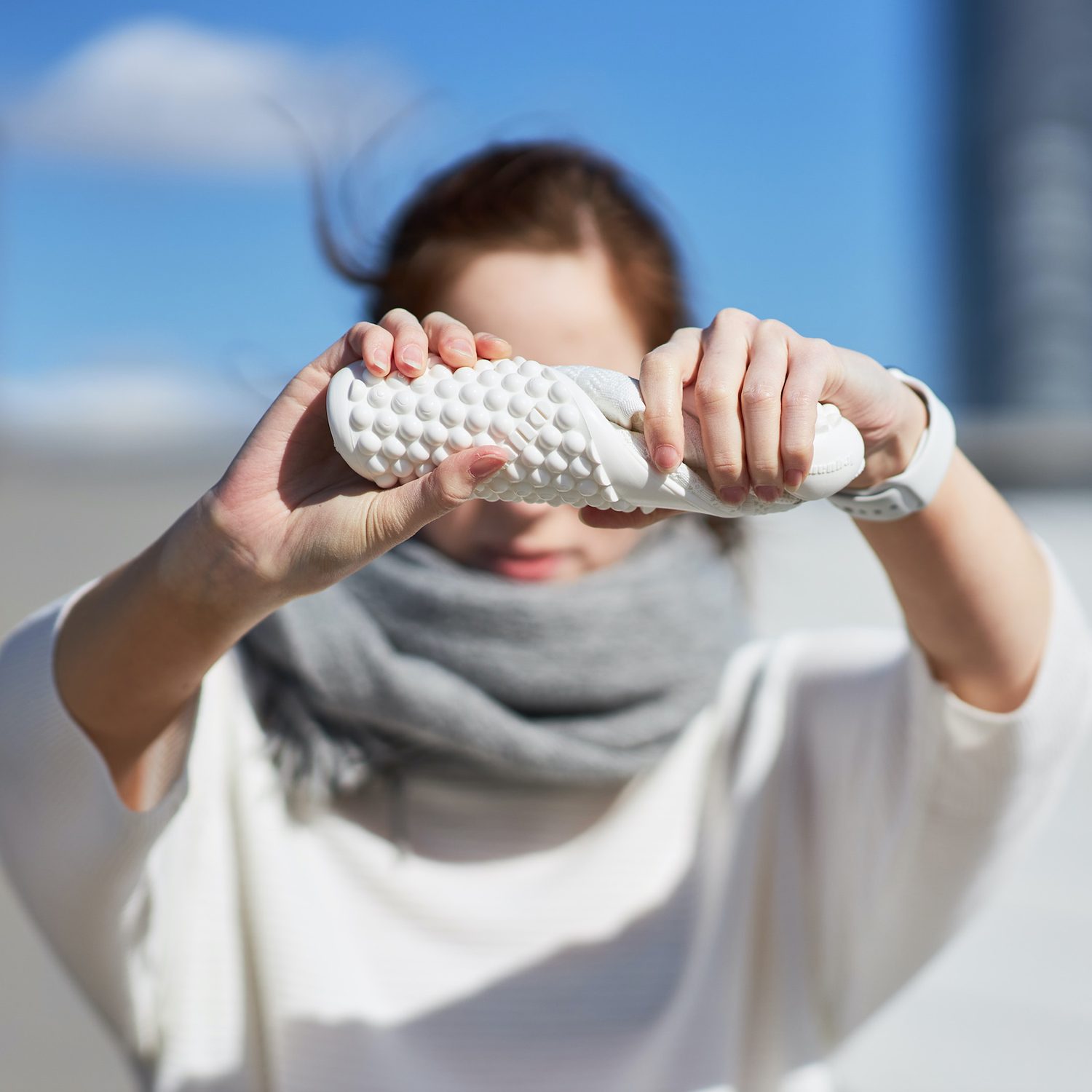
It’s not as simple as it seems. You walk differently in summer than in winter – and that applies both to upper materials and to outsoles. On sunny Caribbean beaches, an outsole with trekking-style grip would be unnecessary, while you’ll appreciate it when picking your way along paths in the Austrian Alps. So when choosing shoes for a specific purpose, look not only at the design and dimensions, but also at what the outsole is like.
Most brands are moving towards cup soles, which are produced in series and therefore keep quality consistent. Another advantage is that you can rely on the chosen size staying consistent.
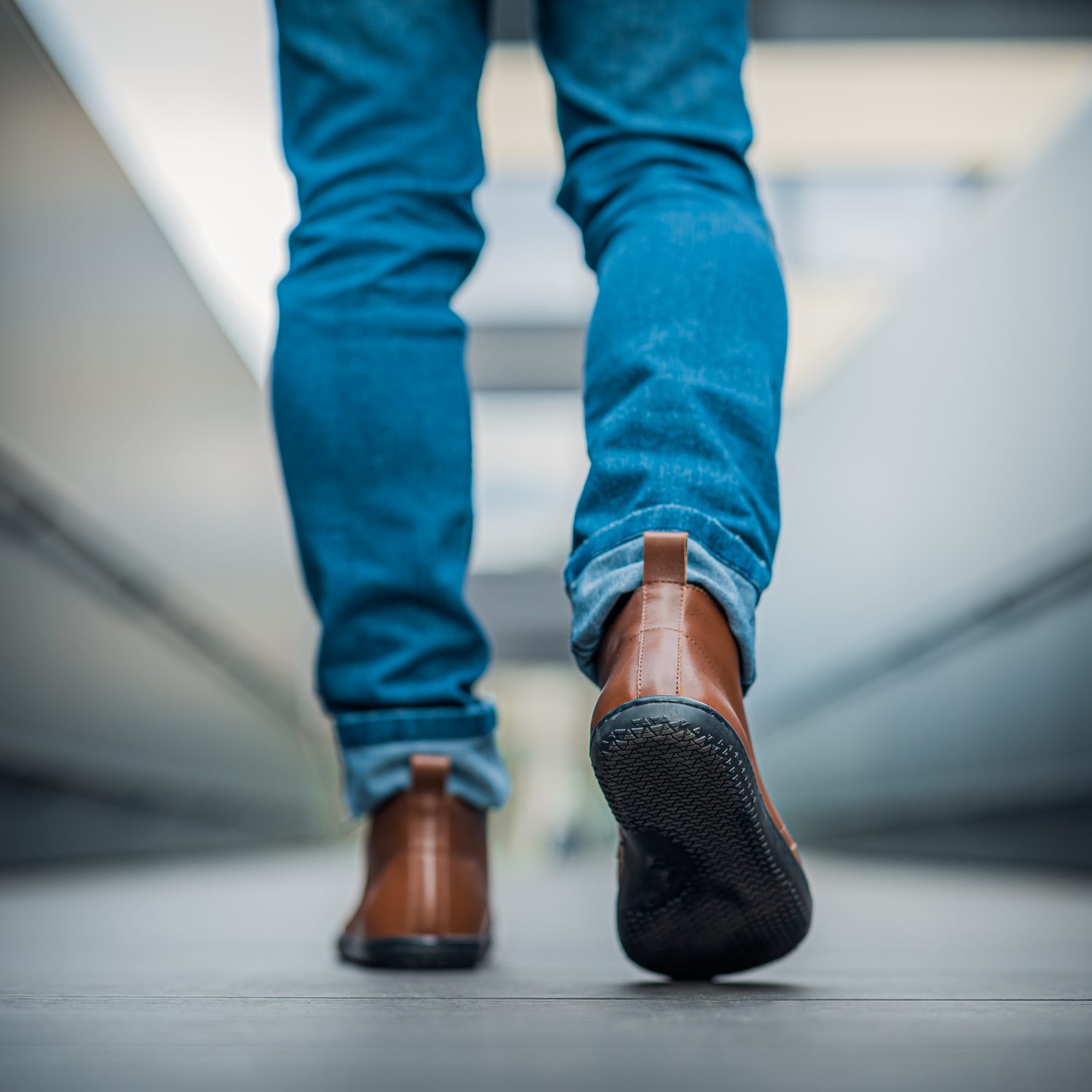
One advantage of a barefoot shoe wardrobe is that you probably don’t own loads of pairs – which means you care for them more, and more often, so they last as long as possible. Proper care really is the foundation. On our website, each shoe includes details of the materials it’s made from and the care it deserves. In general, these rules apply:

That’s the end of our deep dive into the materials used in the barefoot industry. Hopefully you’ve found answers to all those questions that quietly pop up when you’re choosing the perfect shoes for your barefoot feet. We wish you a happy choice and a light step.
If you’d like to explore more, take a look at our other articles. Feel free to drop us a message. Or pop into one of our naBOSo shops, where our trained (and genuinely lovely) team will be happy to help.

Where will your next steps take you?


 € - US
 Čeština
 Magyar
 Slovenščina
 Română
 български
 English
 Slovenčina
 Polski
 Dansk
 Nederlands
 Svenska
 Suomi
 Español
 Français
 Português
 Deutsch (DE)
 Deutsch (AT)
 Deutsch (CH)

