We’ll be happy to help via online chat or at: orders@premiumbarefoot.com

Selecting and Maintaining Barefoot Shoes Walking, Movement and Health
What should you look for when choosing hiking footwear if you want to treat your feet to a barefoot option? Selection tips, an overview of brands, and advice on shoe care.
Have you fallen in love with barefoot shoes so much that you can’t imagine taking a single step without them? If you’re keen on hiking, you’re probably wondering which shoes to choose for the trails. Are barefoot shoes suitable for this too? How do you choose the right pair, and which brands on the Czech market will meet your requirements?
We also have specific recommendations for waterproof barefoot hiking boots with a membrane, trekking shoes, and other hiking and outdoor barefoot footwear.
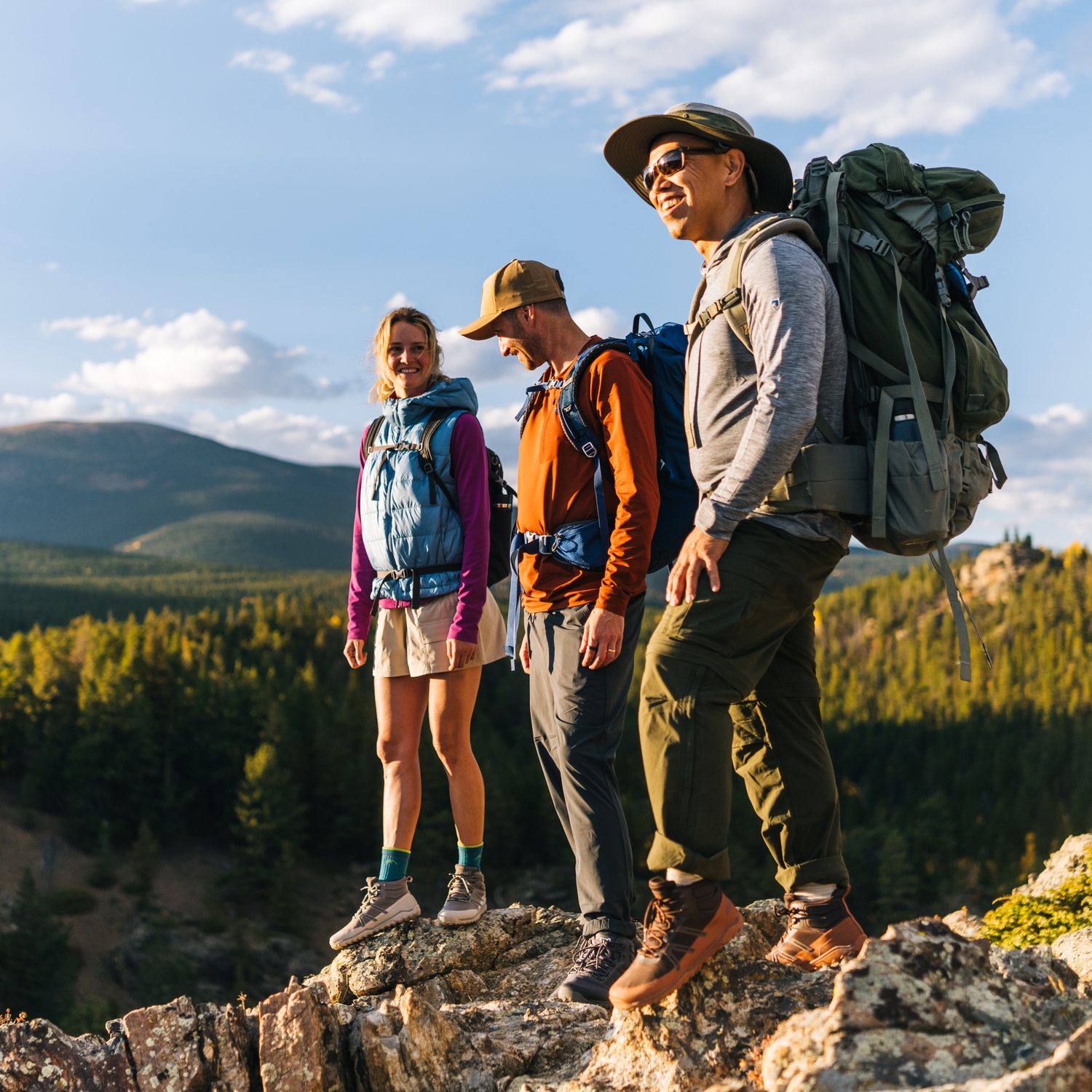
Experienced hikers know well that it’s not enough to have quality clothing to keep you thermally comfortable. Just like the right jacket or trousers, footwear matters too. But once you’ve switched to barefoot, the idea of wearing traditional hiking boots isn’t exactly appealing. So, can you wear barefoot footwear off-road? The answer is: YES, you can. And without worry.
Everyday walking around town on flat ground full of tarmac or paving stones tends to tire your feet much faster than walking in nature—mainly because of the stronger impacts on your joints. Varied terrain on the other hand gives your feet far more interesting stimuli in the form of uneven grassy areas, forest and field paths, soil, and so on. Walking then makes your feet work harder, which can also show up as better joint stability throughout the lower limbs.
Once you put on barefoot shoes for a trip into nature, your feet will also sense the ground much better. Thanks to the thin sole, the small muscles in your feet can react more quickly to stimuli, helping to reduce the risk of rolling an ankle and similar injuries.
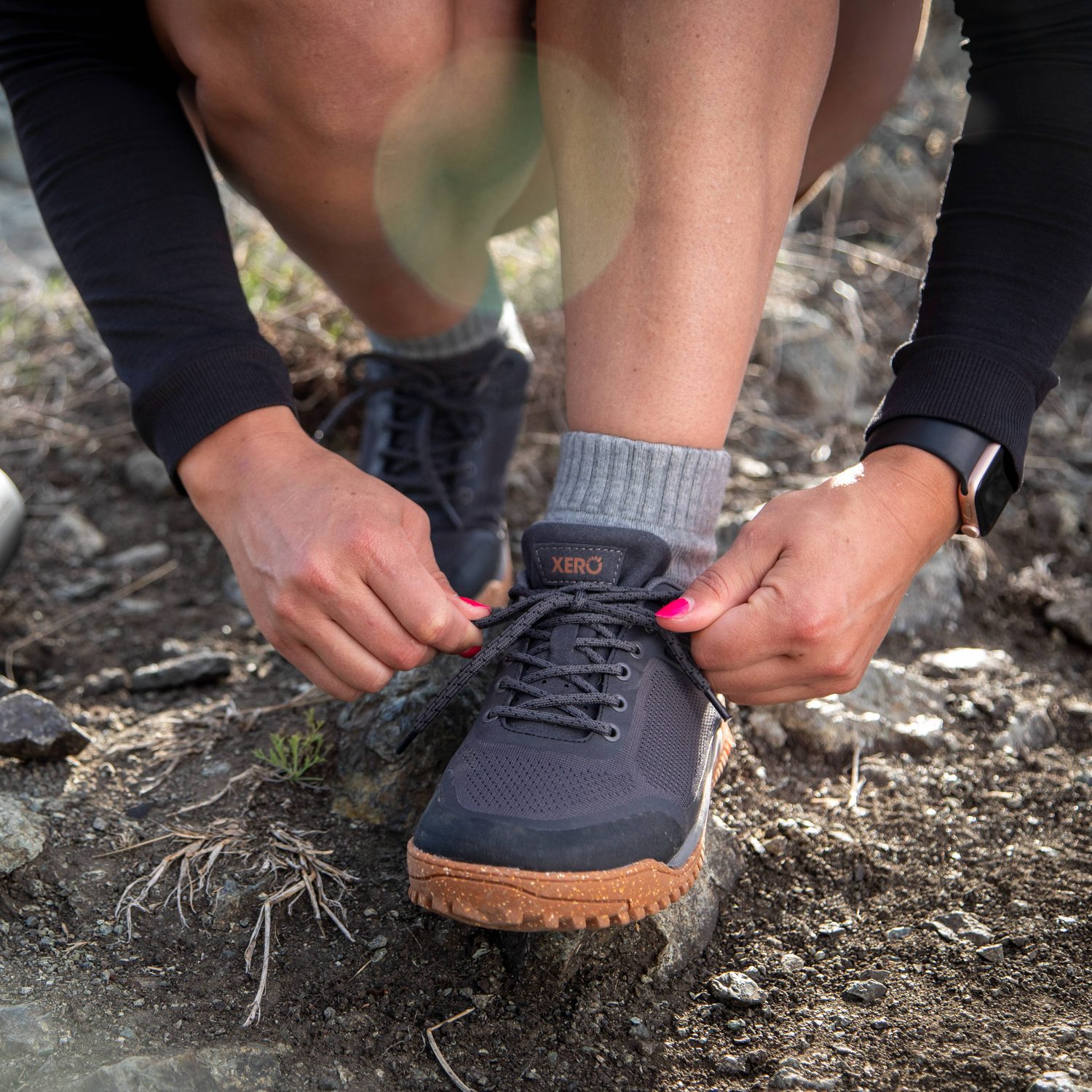
If you’ve only worn conventional footwear so far, it’s not a good idea to buy barefoot trekking shoes and head straight out on an all-day hike. Start with shorter routes in nature first, and only then in town. The terrain is more varied, and the sensations from walking will be much more intense. Another advantage is that you’ll notice not only the surface, but also what’s happening in your feet. And those experiences will help later when you’re walking in the city. Another option is to pack your old shoes in your rucksack and swap into them somewhere if things get too uncomfortable.
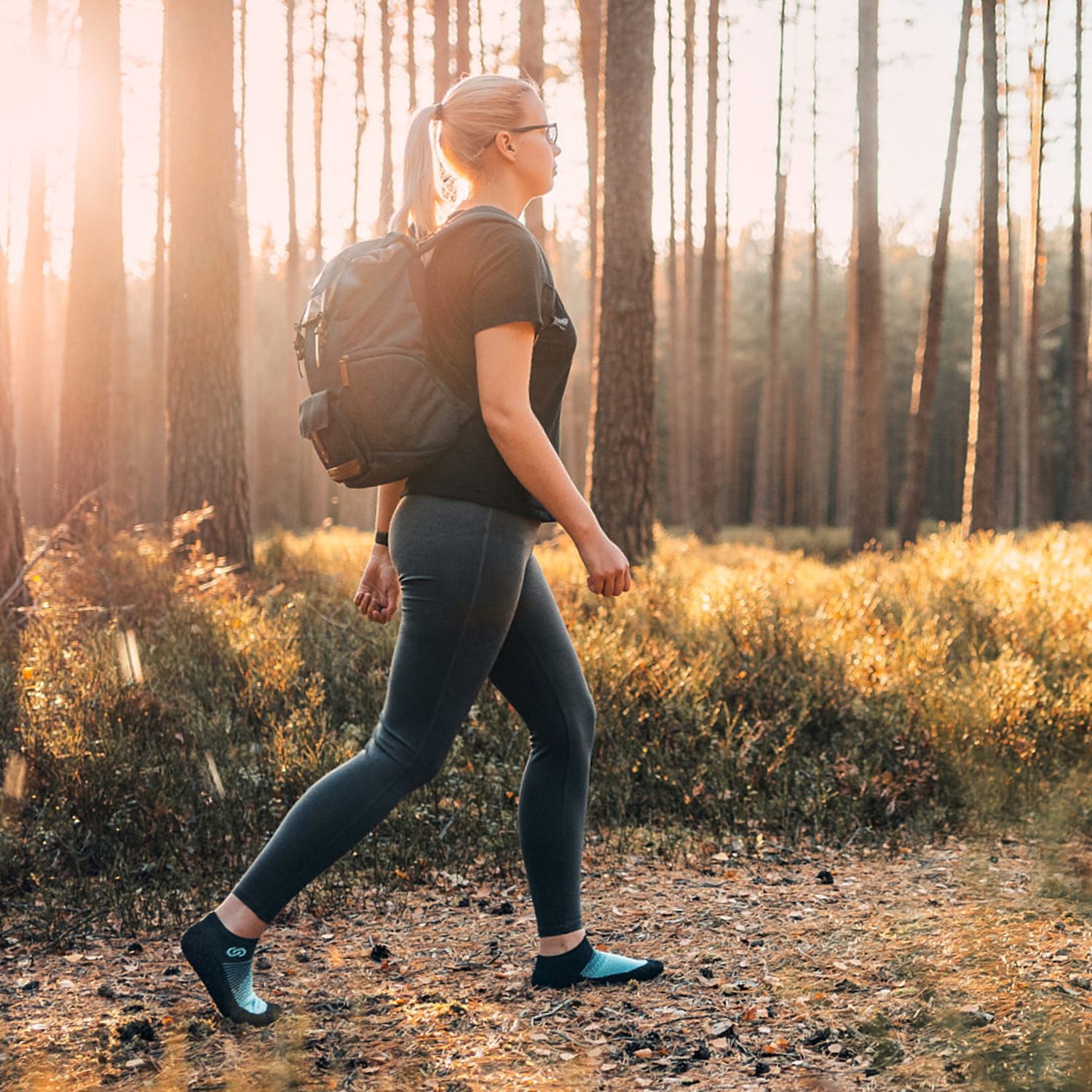
Before you even pack your bag, think about where you’re actually going. It’s essential to consider whether you’ll spend all your time hiking in the mountains, or whether you’ll also be doing some city walking. Walking on stones, sand or mud is a completely different story from strolling on paving stones or tarmac. While hemp canvas trainers might be enough for sightseeing, in tougher terrain you’ll definitely appreciate waterproof ankle boots with a grippy tread—shoes you can even take on the Camino.
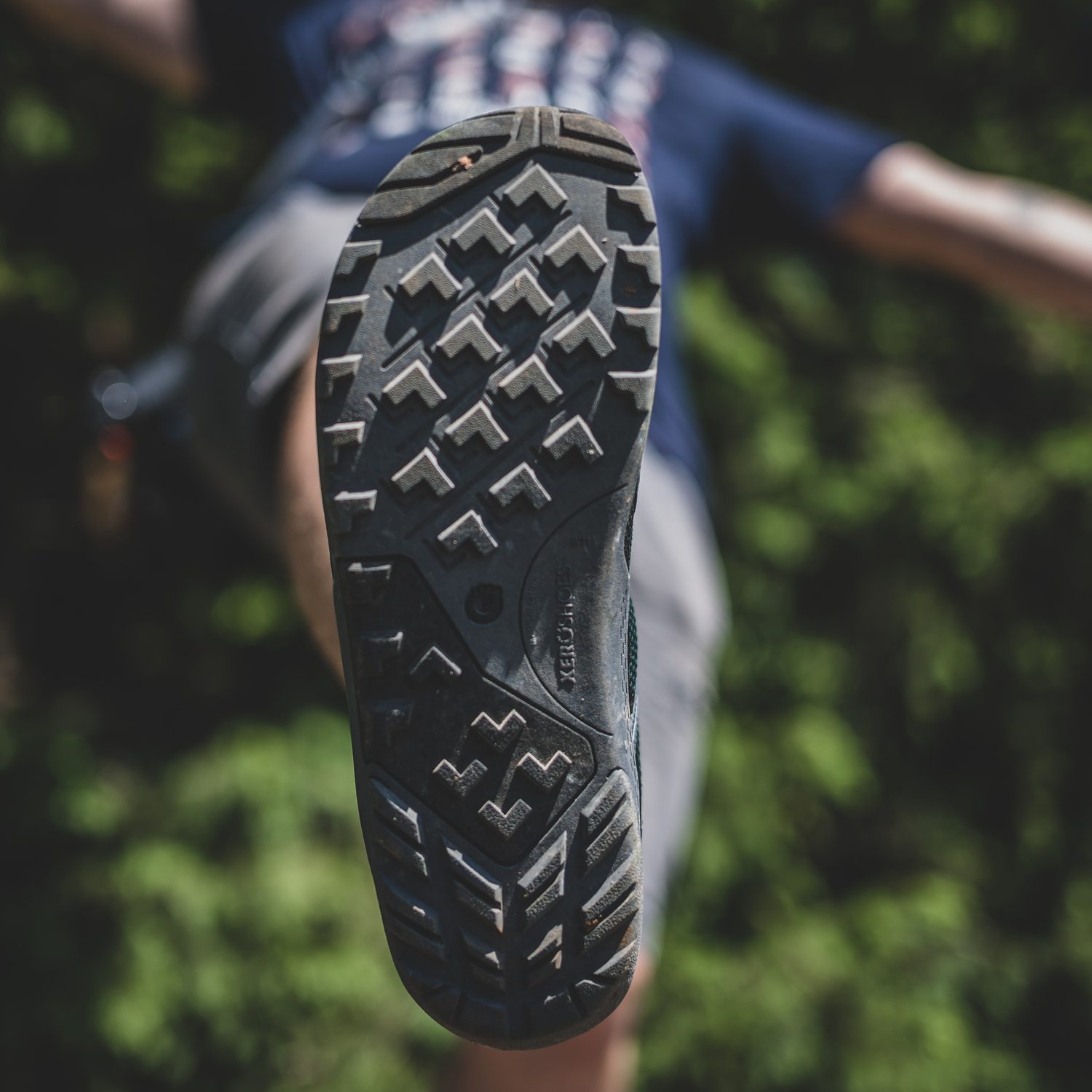
‘In summer I loved walking in nature completely barefoot. But for more demanding terrain I was used to classic hiking boots. After switching to barefoot, it was obvious my feet wouldn’t enjoy boots, so I took the risk in the mountains too—in super-light barefoot shoes. I started carefully, because I used to suffer from a twisted ankle quite often. But since swapping boots for barefoot shoes, I think around 2014, I haven’t had a single problem with my feet. Muscles that naturally stabilise the foot came back, and I learned to pay much more attention to where I step.
Most recently, for example, I easily managed an ascent to almost 5,000 metres on Mt Kenya in one of the most minimalist barefoot shoes. The guide almost didn’t want to let me go in them at the start, but by the end of day two—when everyone in heavy boots was complaining about blisters and I was hopping around the rocks like a mountain goat—he realised there must be something to it. With merino socks, even the cold wasn’t an issue. In barefoot shoes, the whole foot gets great circulation, and even though in the morning I thought my ears would freeze off under my hat, my feet were absolutely fine,’ writes Matouš Vinš from Travel Bible.
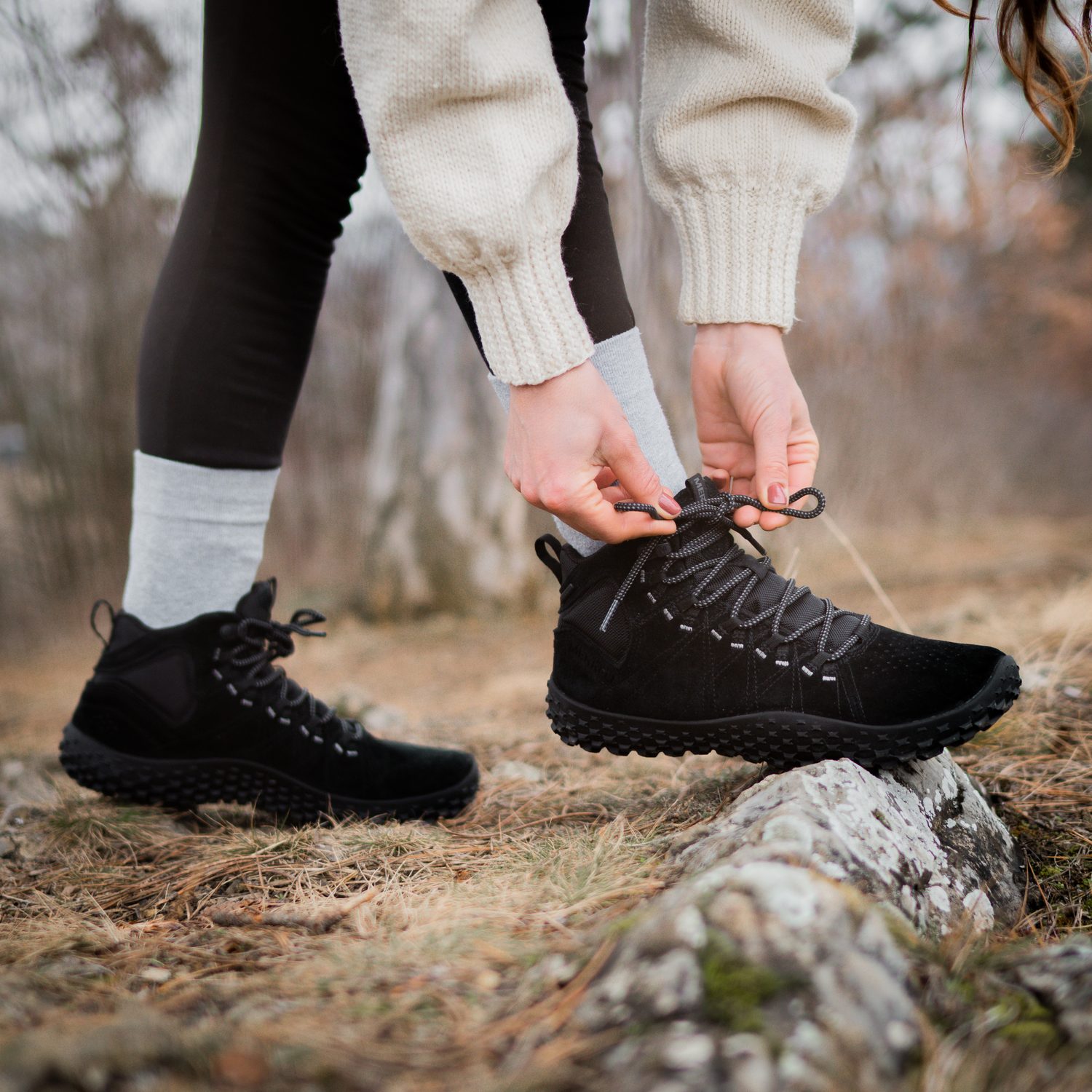
If you want to buy barefoot shoes for hiking, the choice of material is also very important. What the shoes are made from affects breathability, durability and water resistance. The material will of course also influence the weight of the shoe—trekking sandals are a different thing altogether from winter leather ankle boots. So what can your hiking barefoot shoes be made of?
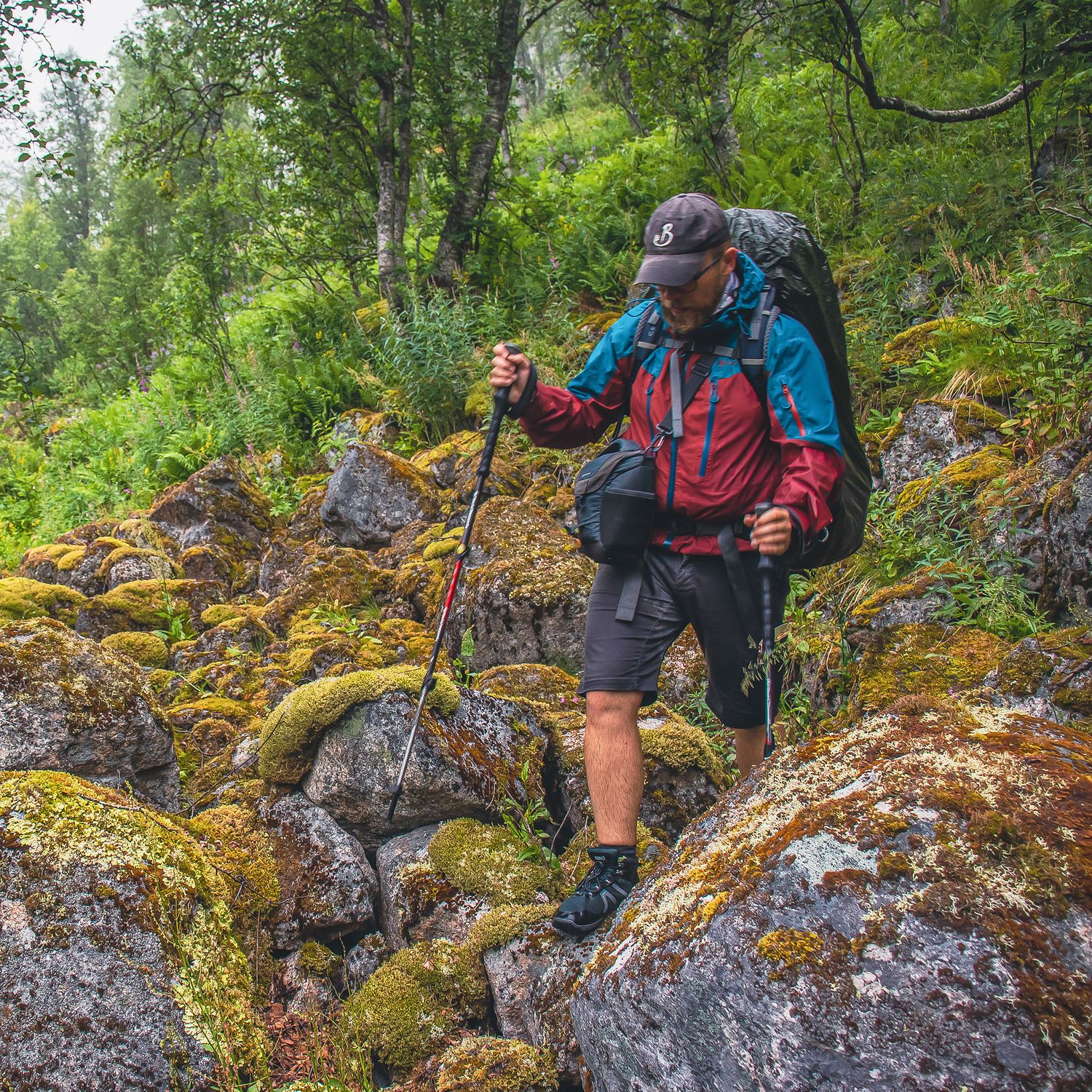
Viktorka Hlaváčková from Viktorka’s Journey There adds her experience: ‘Before I got barefoot shoes, I spent two years hiking almost exclusively in running shoes with zero drop. I guess that’s mainly why the transition to BF wasn’t particularly painful or unpleasant for me. As a BF beginner, after an all-day mountain hike I feel a pull in my Achilles tendons and my calves are slightly strained. My back muscles also work a bit differently than they’re used to, but that settles down quickly.
I also have a comparison with friends who hike with me in boots – I handle tricky terrain much more easily and I’m faster. What surprised me most is that I’m not cold in barefoot shoes, even when I’m walking through snow or it’s below zero – feet get excellent circulation in barefoot shoes.’
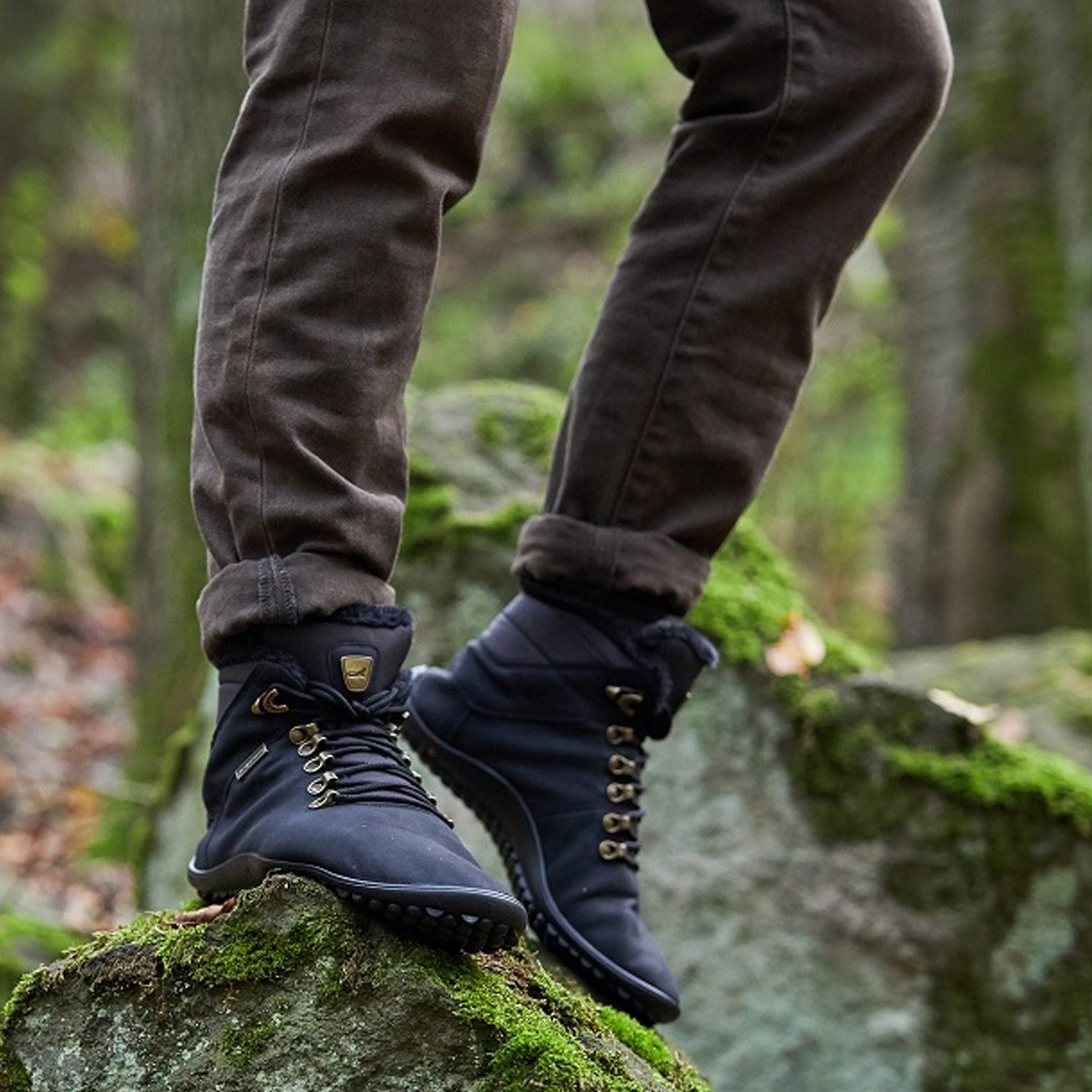
For a winter trip to the mountains, you’ll logically need completely different shoes than for a summer walk across a sun-baked meadow. But some barefoot shoes can be used almost all year round, as long as you don’t expose them to extreme conditions. Which brands are worth looking at?
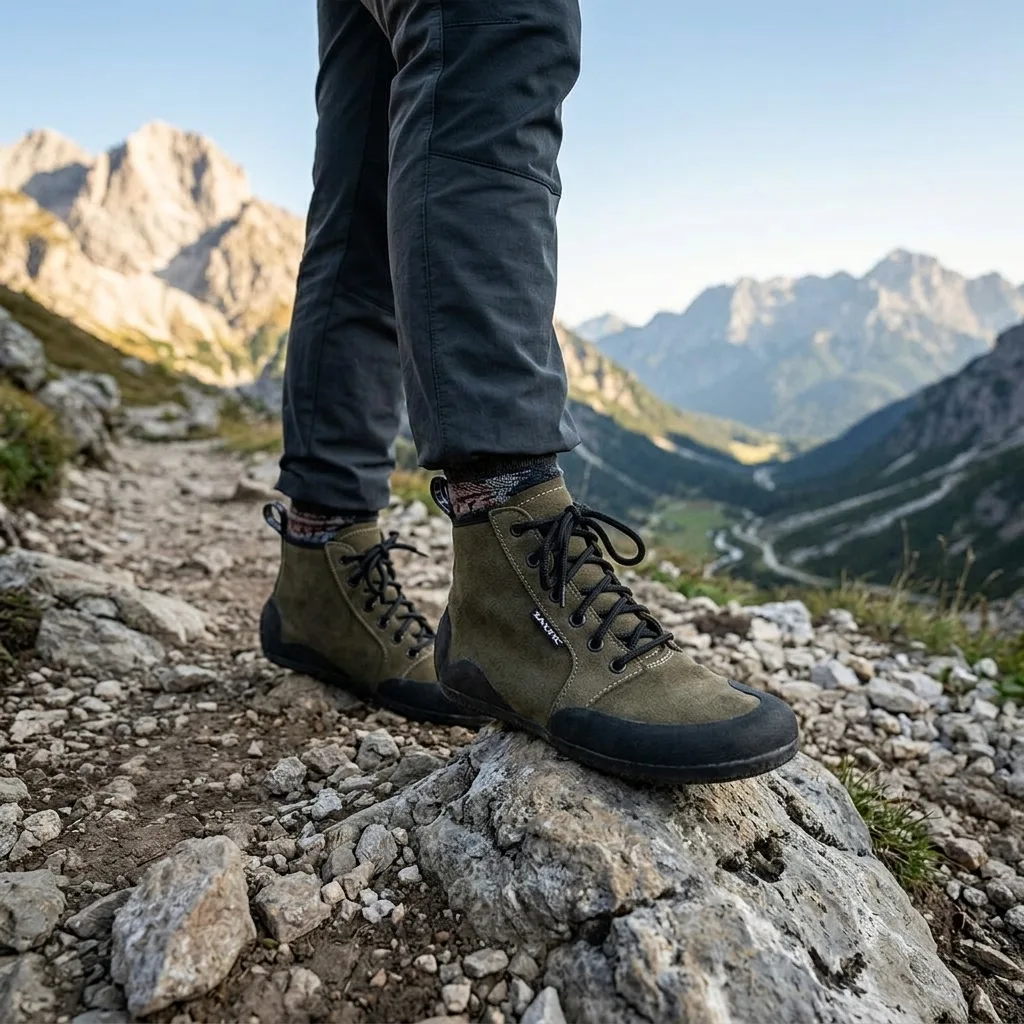
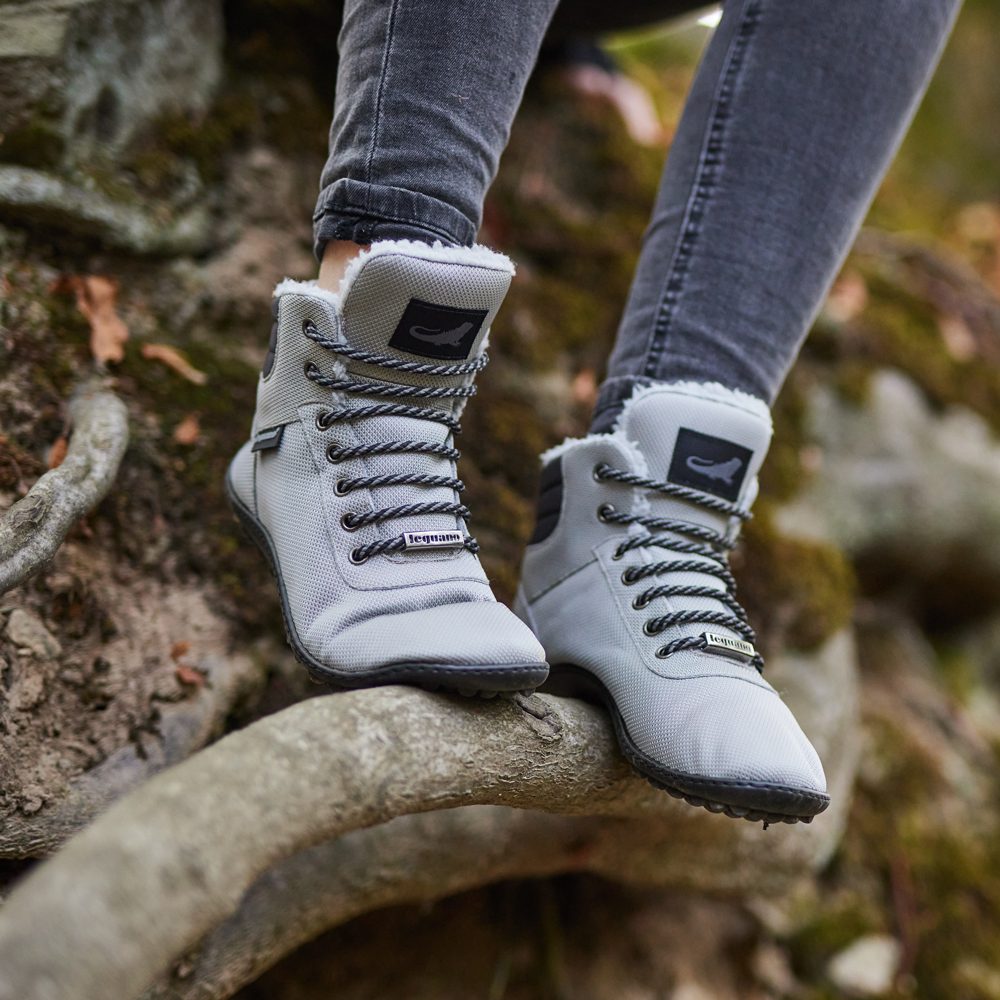
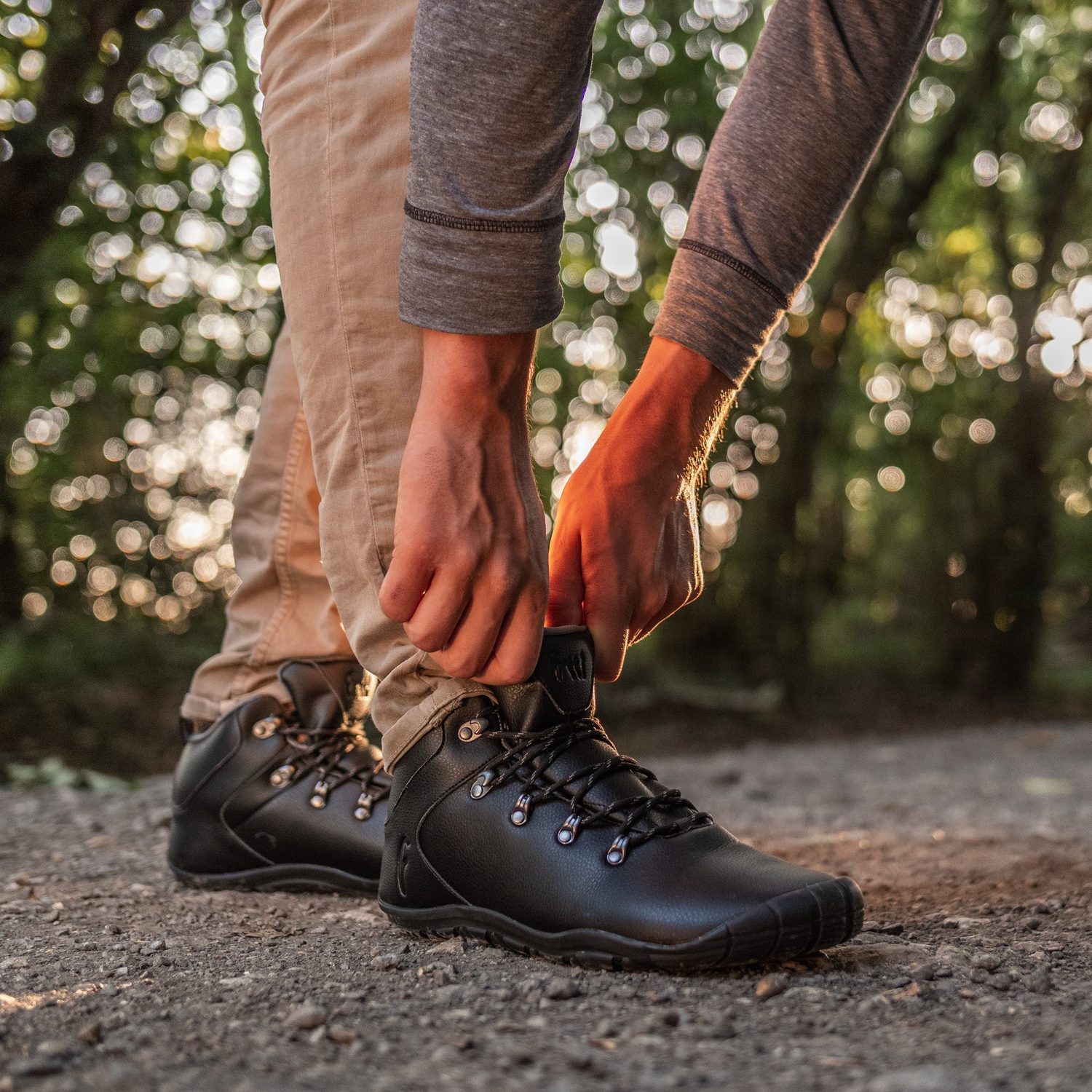
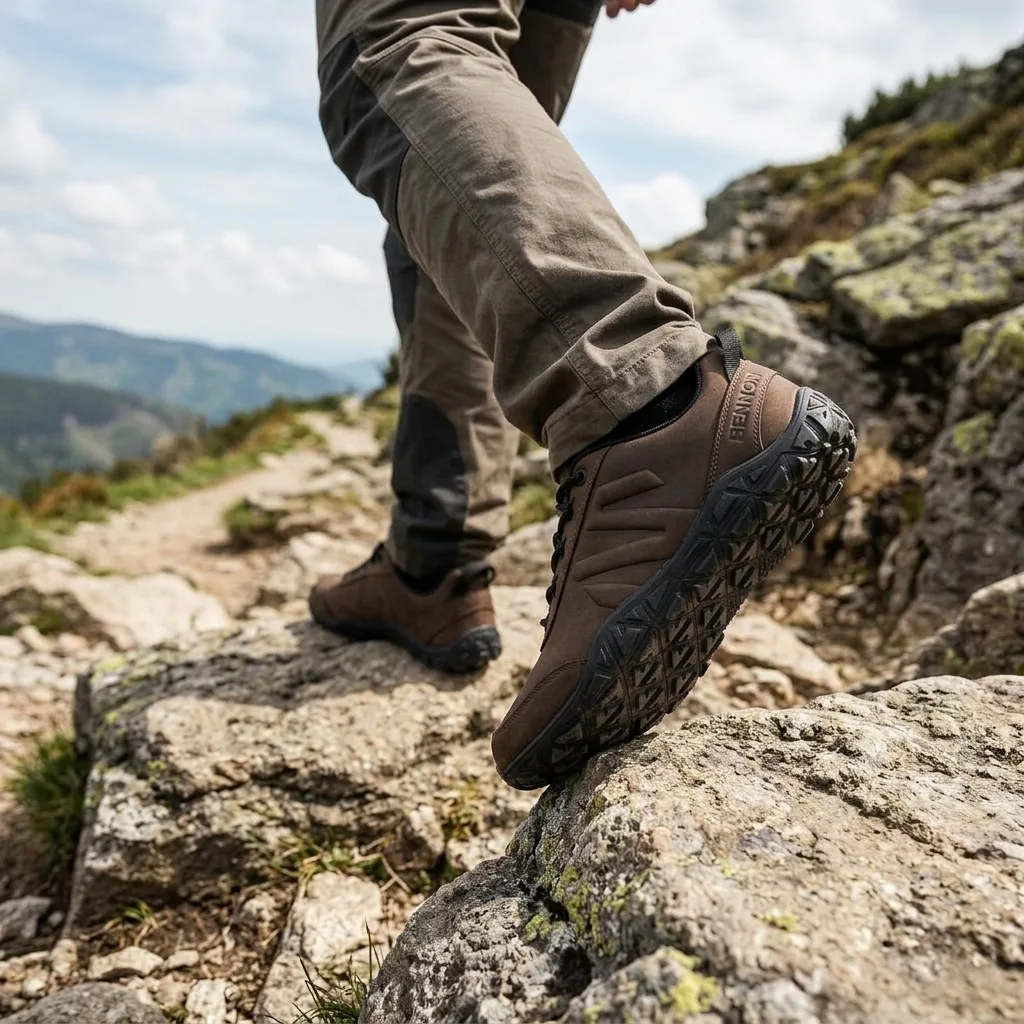
Shoes need to fit well—and with hiking footwear that’s doubly true. You don’t want them to start rubbing or pinching unpleasantly after an hour in the hills. If your barefoot trekking shoes don’t feel right the first time you put them on, keep looking. If they feel comfortable straight away, you’re on to a winner. But before a demanding all-day hike, test them properly. Give them a few kilometres on terrain similar to where you’re heading. That’s the only way to find out whether they’ll really serve you well.
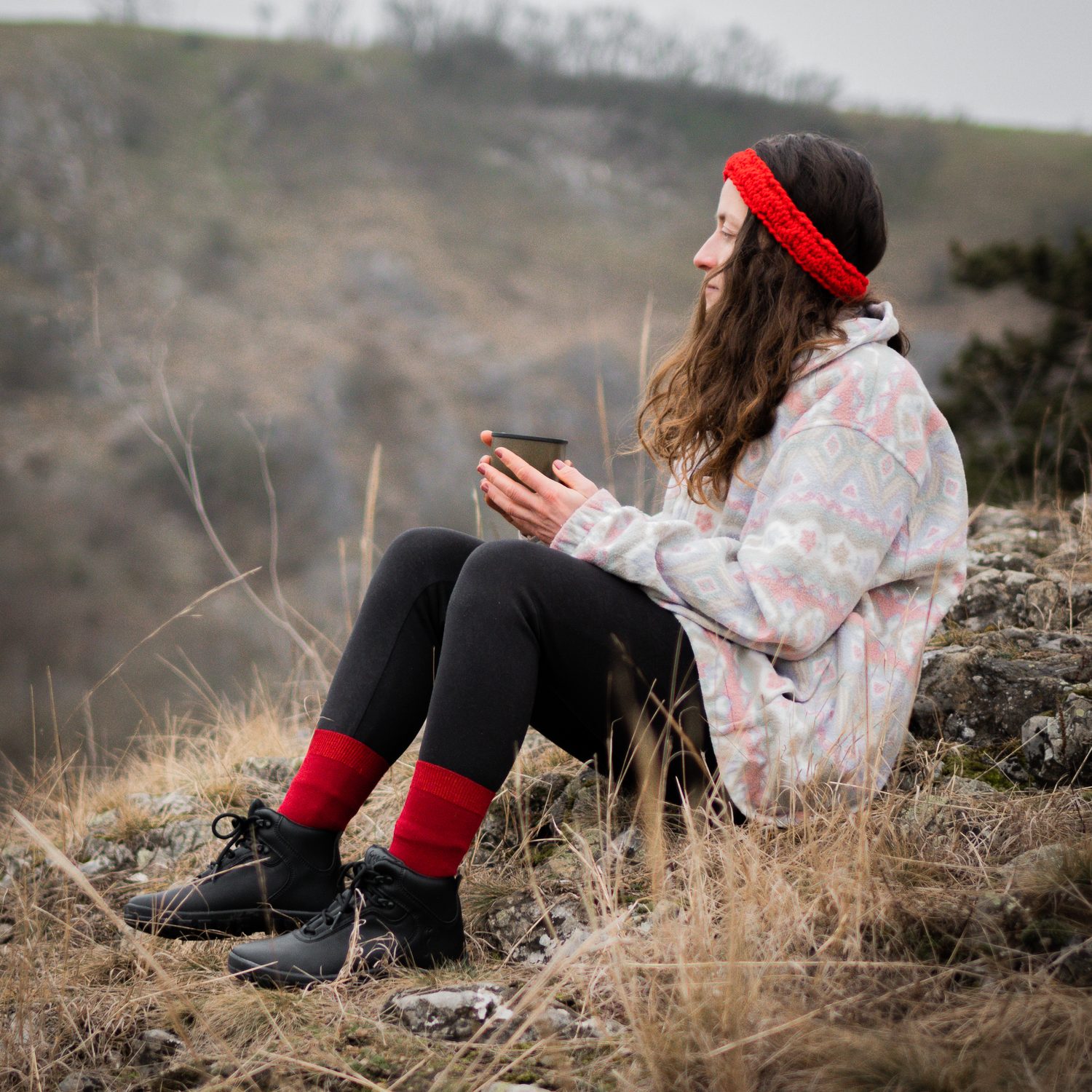
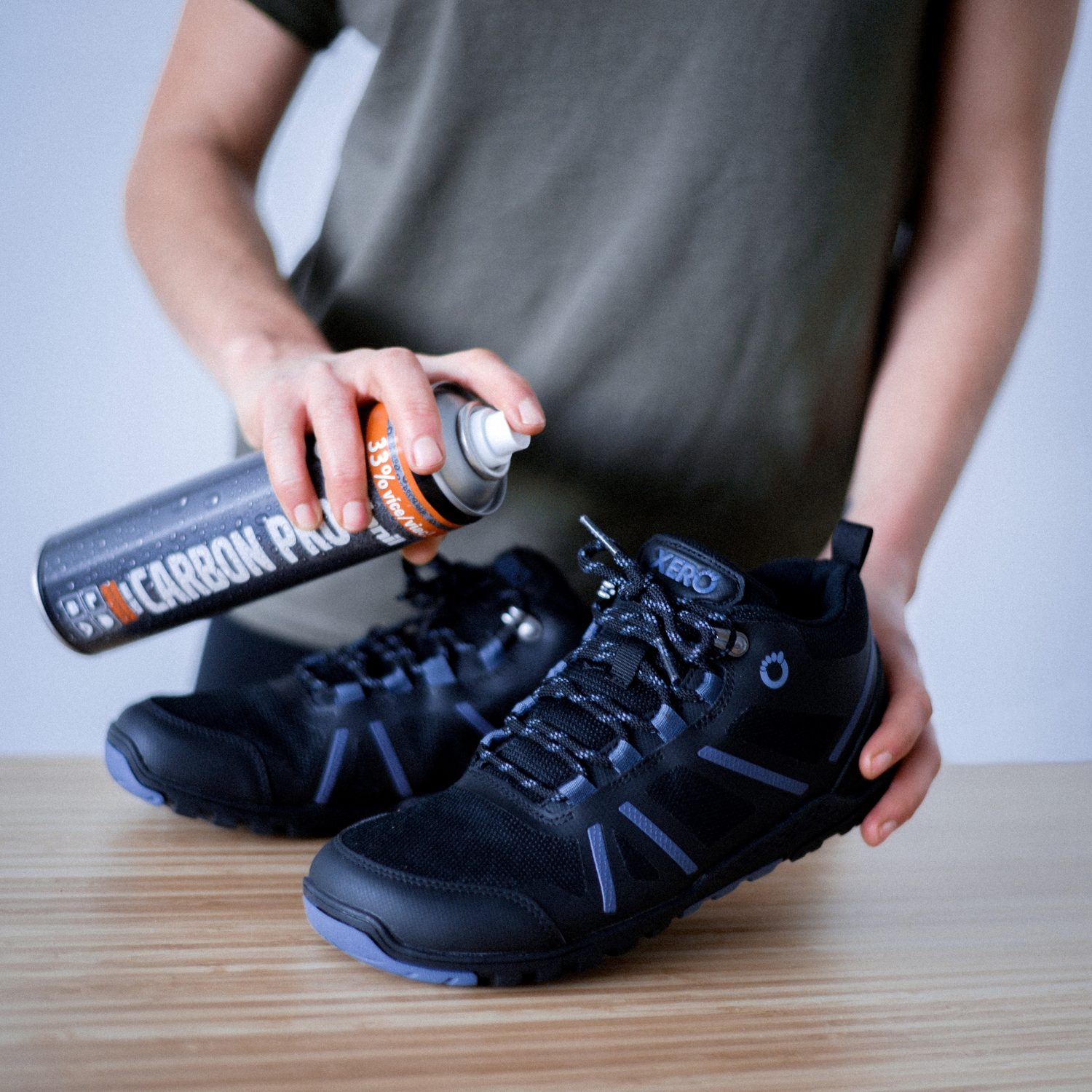
It’s the same as with any other shoes—your hiking barefoot shoes also need regular care.
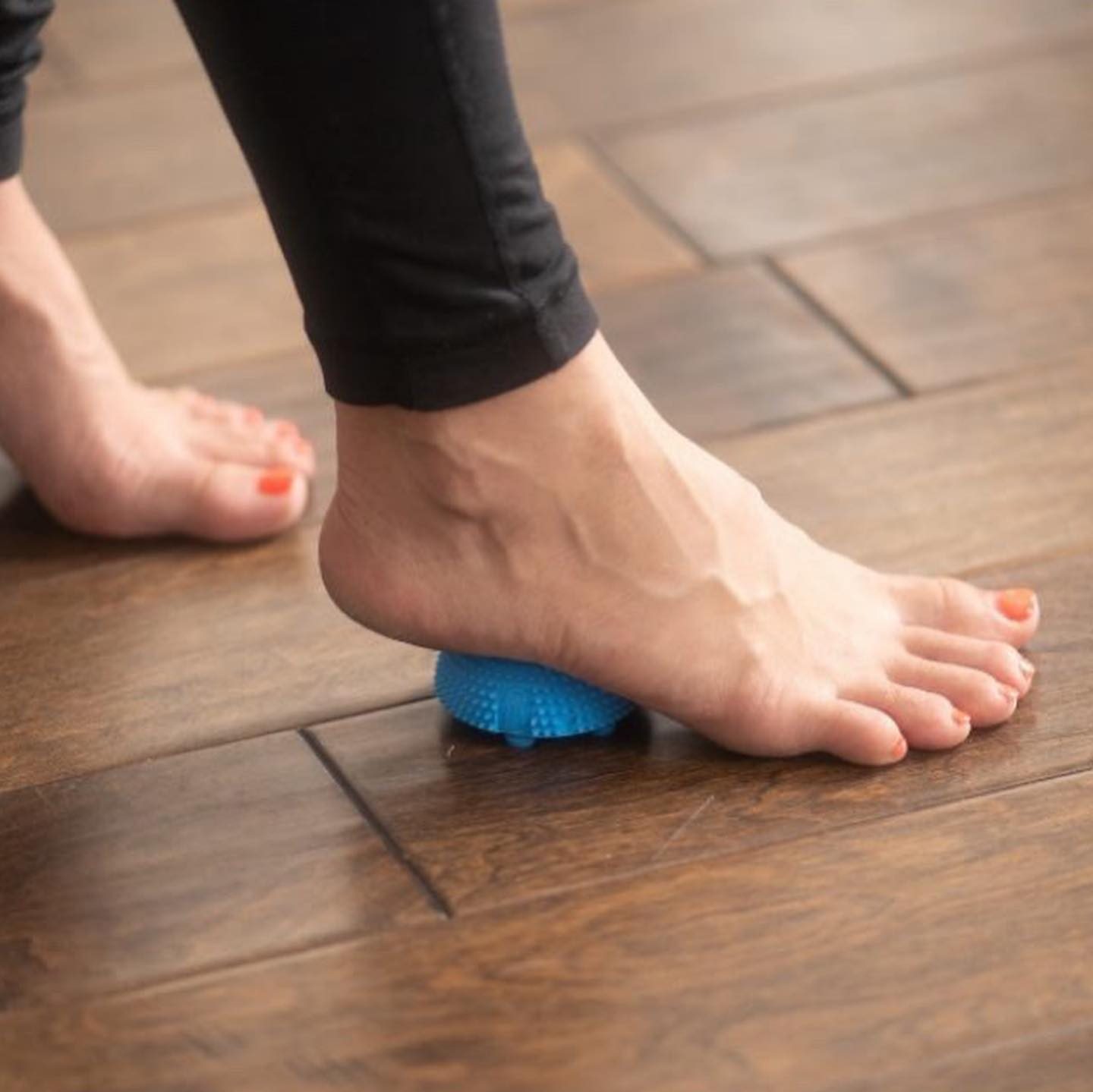
If your feet ache after a long trek, treat them to a few minutes of relaxation with the NABOSO Neuro Ball. You can use it as a massage ball to release tight areas of the sole, or use the firm Micro Round for more detailed work and to reach the small muscles.
Barefoot shoes are simply made for hiking. They help your feet work naturally and sense the terrain, so you can avoid injuries. And what’s more—you’ll be able to enjoy even the most demanding routes in pretty much any weather.
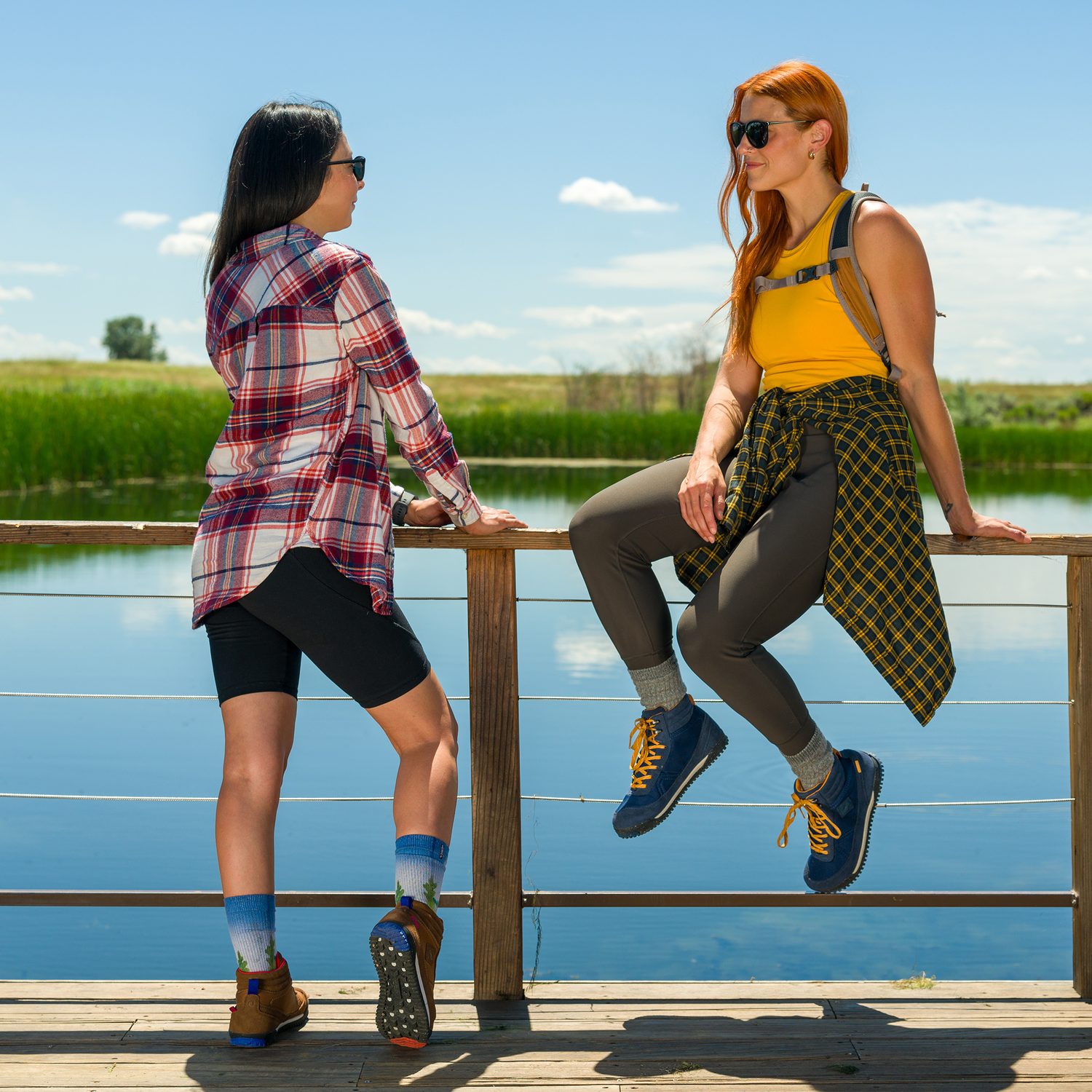
Where will your next steps take you?


 € - US
 Čeština
 English
 Slovenčina
 Magyar
 български
 Polski
 Dansk
Dansk
 Nederlands
 Svenska
 Suomi
Suomi
 Español
 Français
 Slovenščina
 Română
 Português
 Deutsch (DE)
 Deutsch (AT)
 Deutsch (CH)


