We’ll be happy to help via online chat or at: orders@premiumbarefoot.com

Walking, Movement and Health Selecting and Maintaining Barefoot Shoes
Struggling with a bunion? The right footwear can ease pain and slow the deformity. Find out how to choose shoes that genuinely help your feet.
Are you dealing with pain, rubbing or discomfort because of a bunion? The right footwear can significantly ease your symptoms and slow the progression of the deformity.
So how do you choose shoes that will genuinely help your feet? The key isn’t just a wide enough toe box and comfortable materials, but also an individual, expert approach.
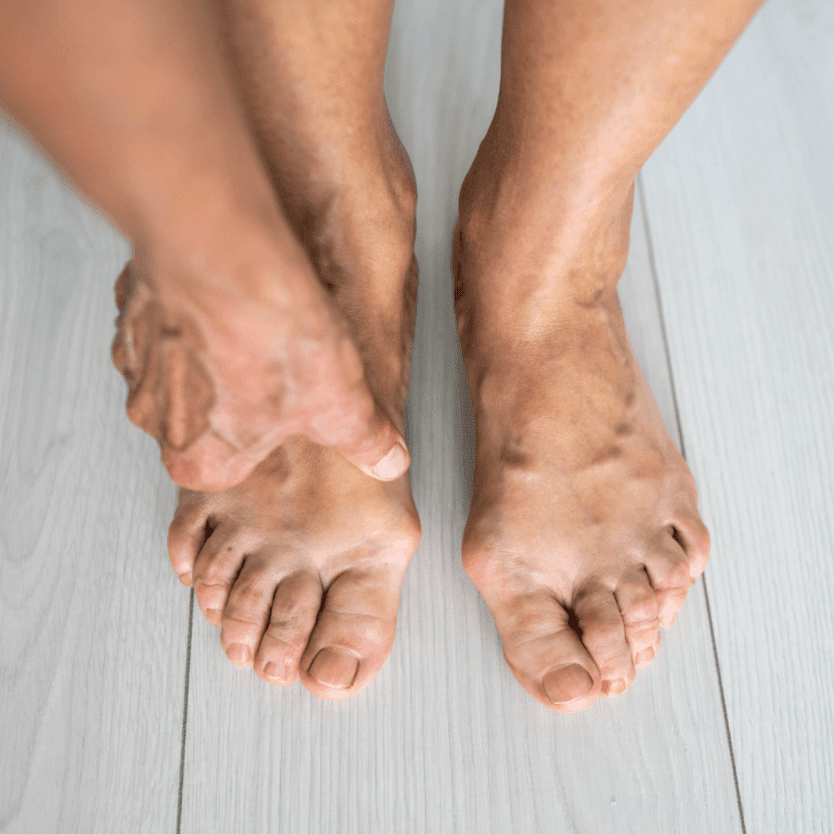
Hallux valgus is a deformity where the big toe drifts towards the other toes, leading to a bony bump forming on the inside of the foot.
Did you know…? A swollen joint isn’t always caused by a bunion. It can also be enlarged due to other conditions such as osteoarthritis or gout.
Want to support your foot health by choosing suitable footwear? Read on. And if you have any doubts, always consult a specialist – a physiotherapist or podiatrist can help you find a solution tailored to your feet.
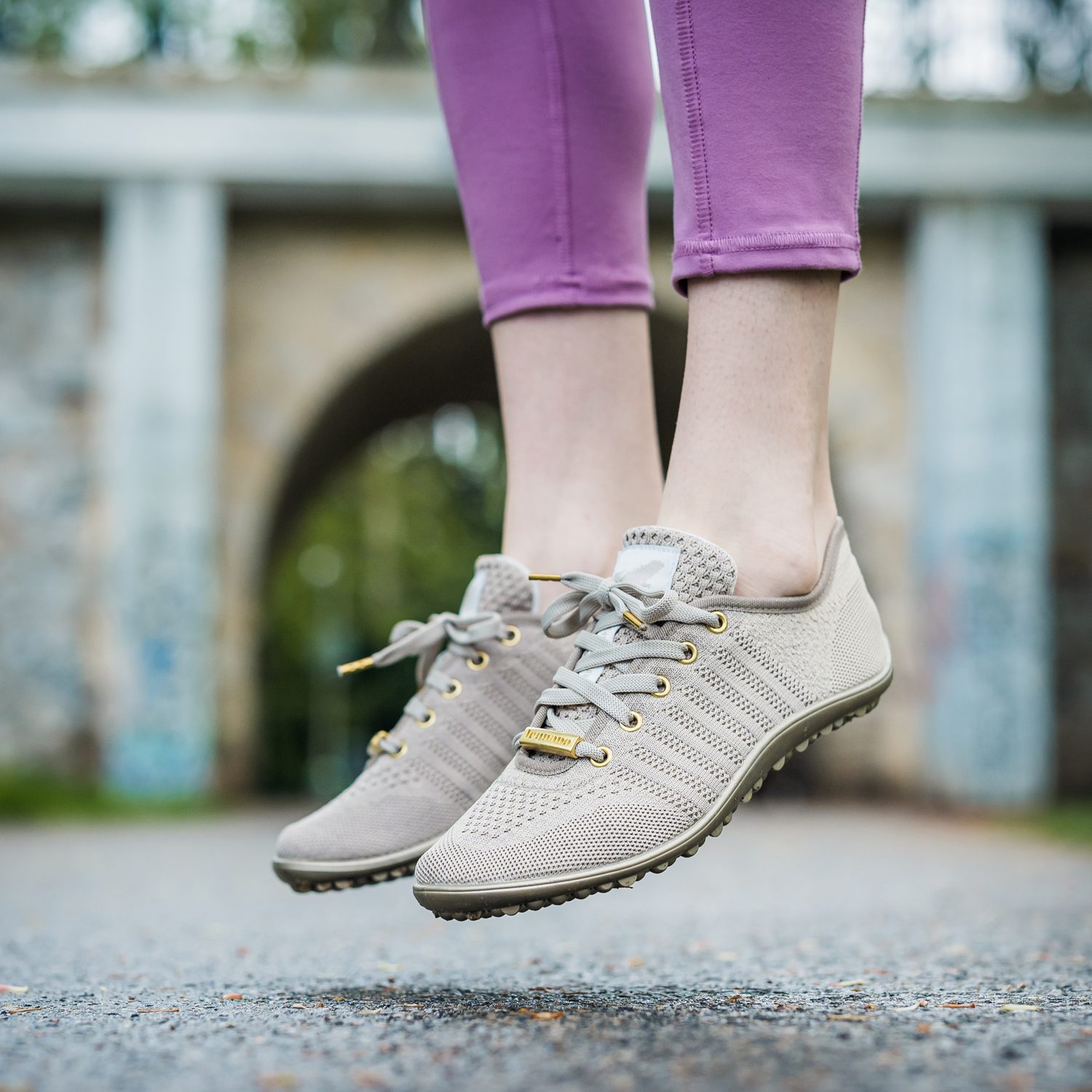
Yes, barefoot shoes can be very beneficial if you choose them correctly. However, they’re not a cure-all.
Barefoot shoes support natural foot movement and allow your feet to move the way nature intended. Without unnecessary pressure or restriction, barefoot footwear can help improve overall foot biomechanics and ease symptoms associated with bunions.
🔎 naBOSo tip: For more information on whether barefoot footwear is suitable for hallux valgus, you can read this article: Bunions and barefoot footwear: When and why it’s beneficial to walk “barefoot”.
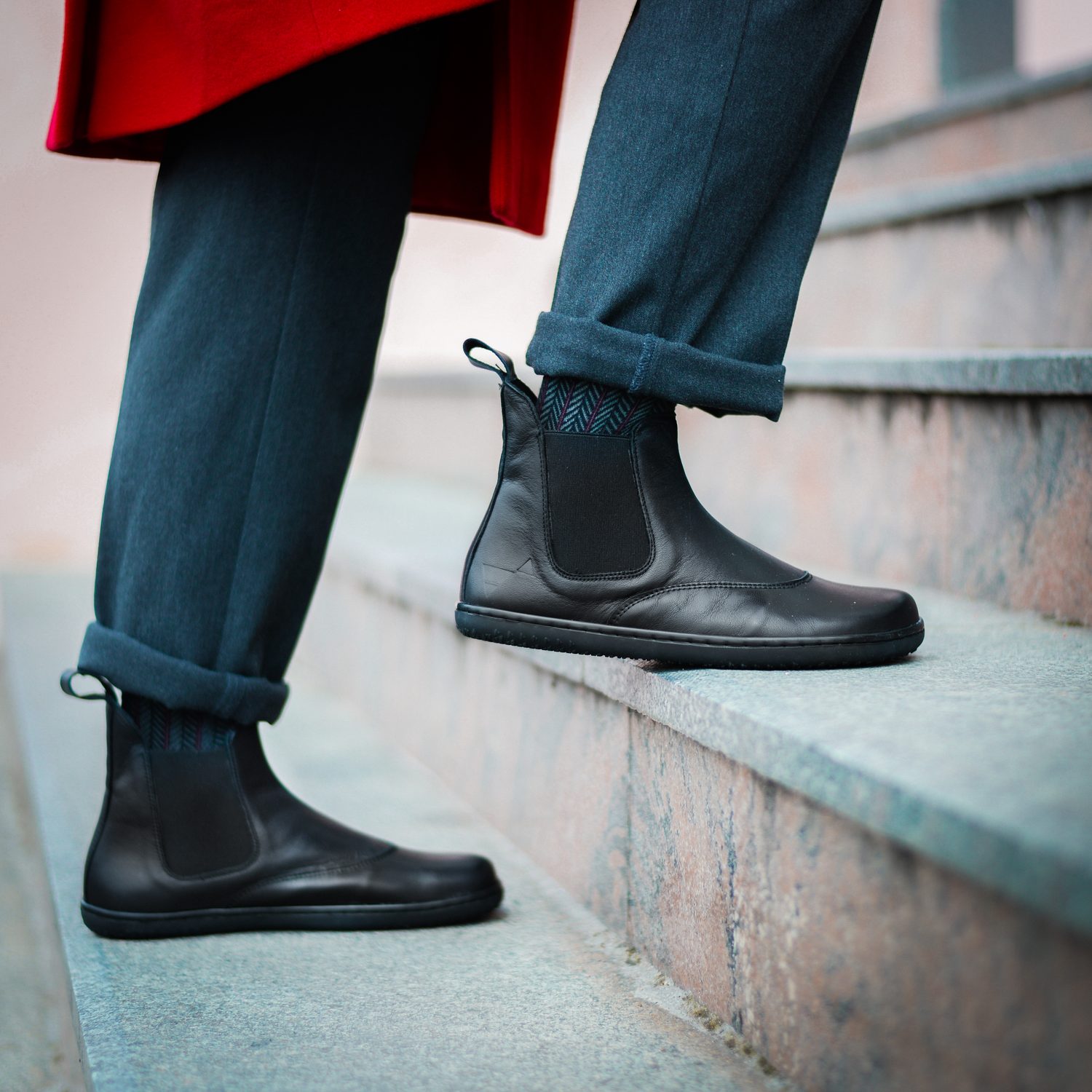
If you have bunions, it’s important to choose footwear that supports healthy foot alignment and minimises pressure on the big toe. If the deformity is more pronounced, we always recommend seeing a specialist.
Here are the key factors to focus on when choosing shoes:
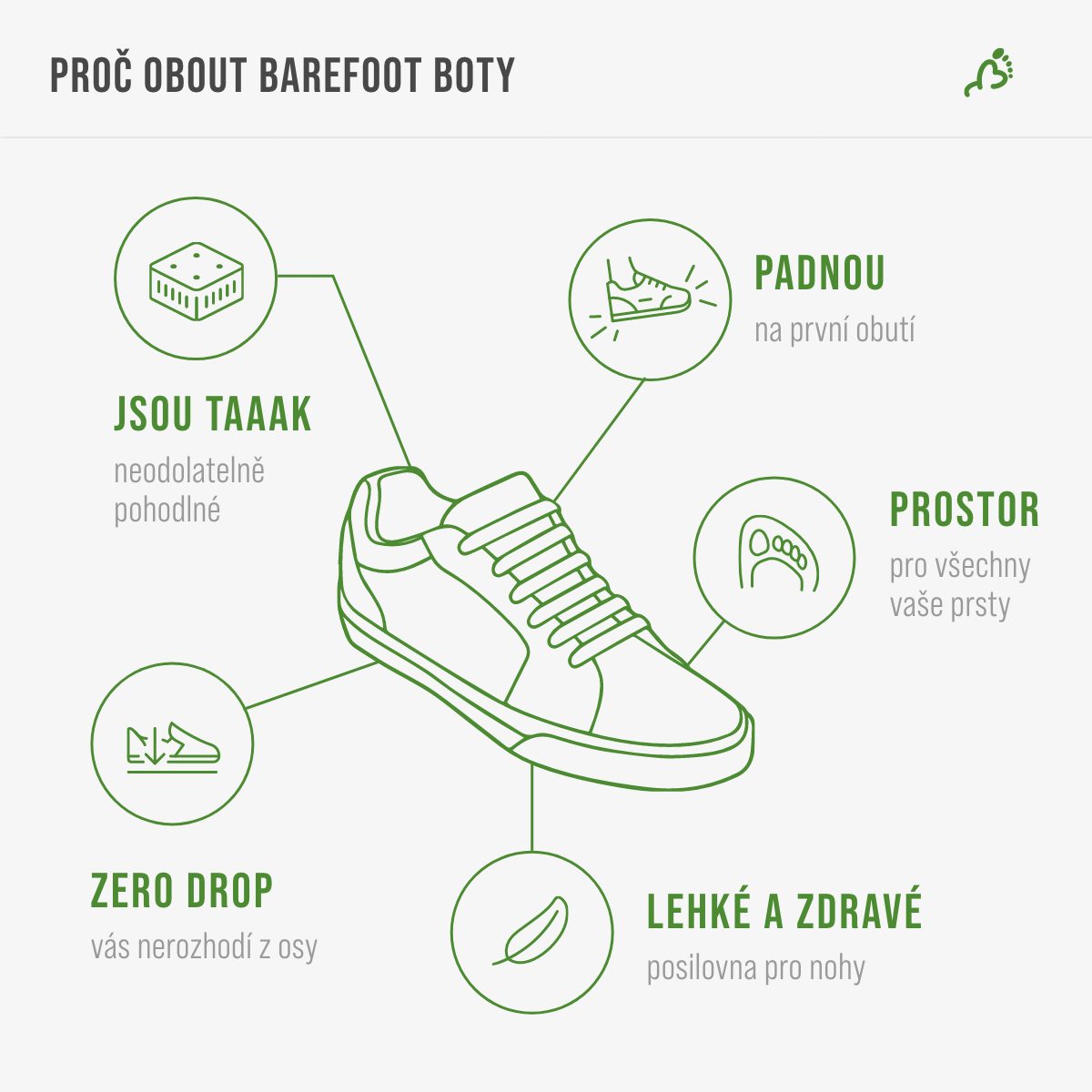
naBOSo TIP: With standard off-the-shelf shoes, it’s important that the upper doesn’t press on the bunion area or irritate the skin – it should be soft and adaptable. With barefoot footwear, this is less common because the materials used are usually softer and more pliable.
When choosing shoes, it’s important to pick the correct size. If a shoe is too tight, it can worsen bunion problems. On the other hand, a shoe that’s too large can mean your foot isn’t held properly and won’t feel stable as you move.
Ideally, the shoe should be slightly wider in the toe area and have enough toe allowance, ensuring plenty of space for your toes. To work out the right allowance, simply add 7 to 12 mm to your measured foot length.
We recommend trying barefoot shoes in person in-store to make sure they truly fit as they should.
Do bunions bother you and you’ve decided to choose suitable barefoot footwear? Focus on brands that offer a sufficiently wide toe box and models made from flexible materials.
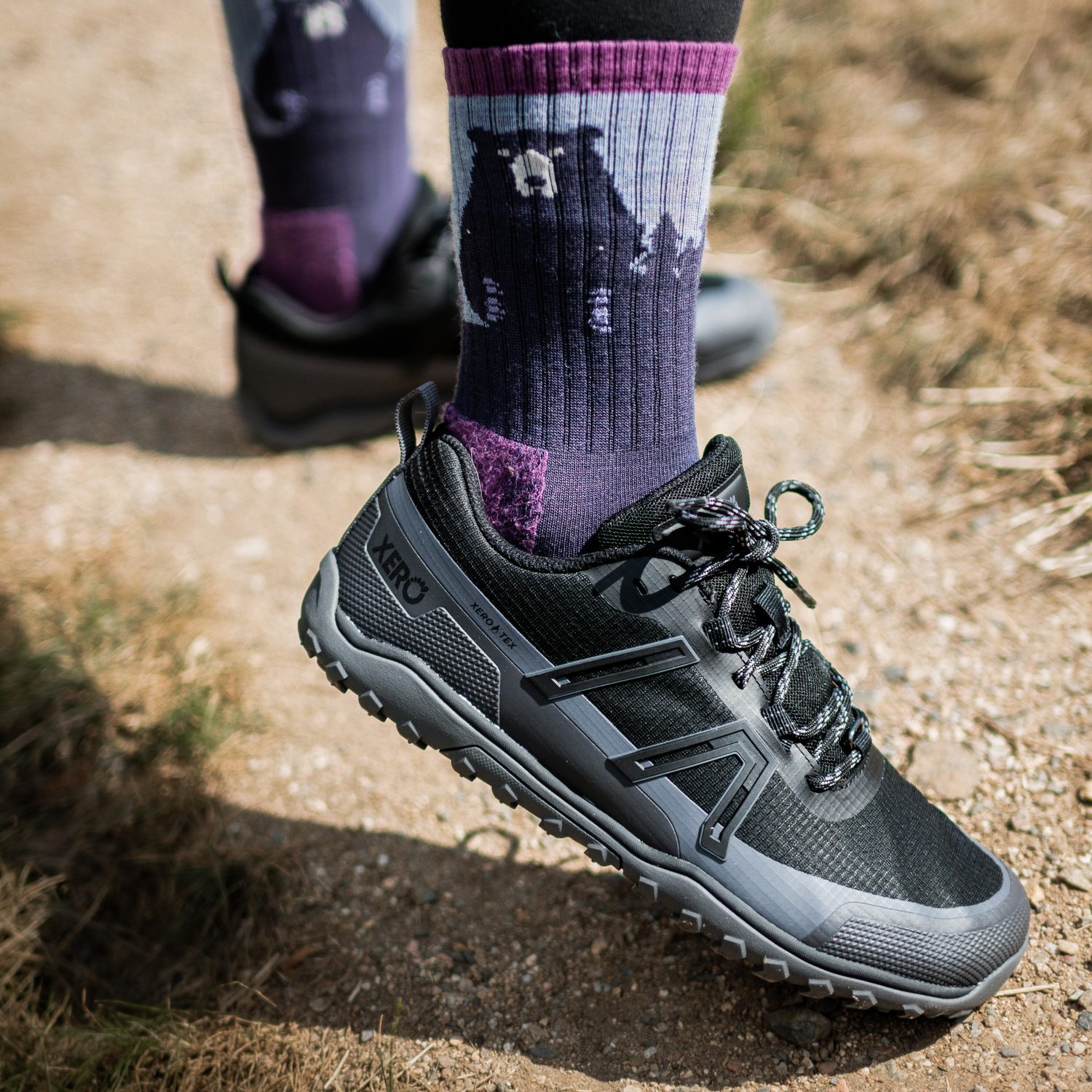
Xero Shoes
This brand specialises in barefoot footwear with a wide toe box, allowing your toes plenty of freedom to move. It offers a range of models – from sporty to everyday city styles, including knit options for greater flexibility and breathability.
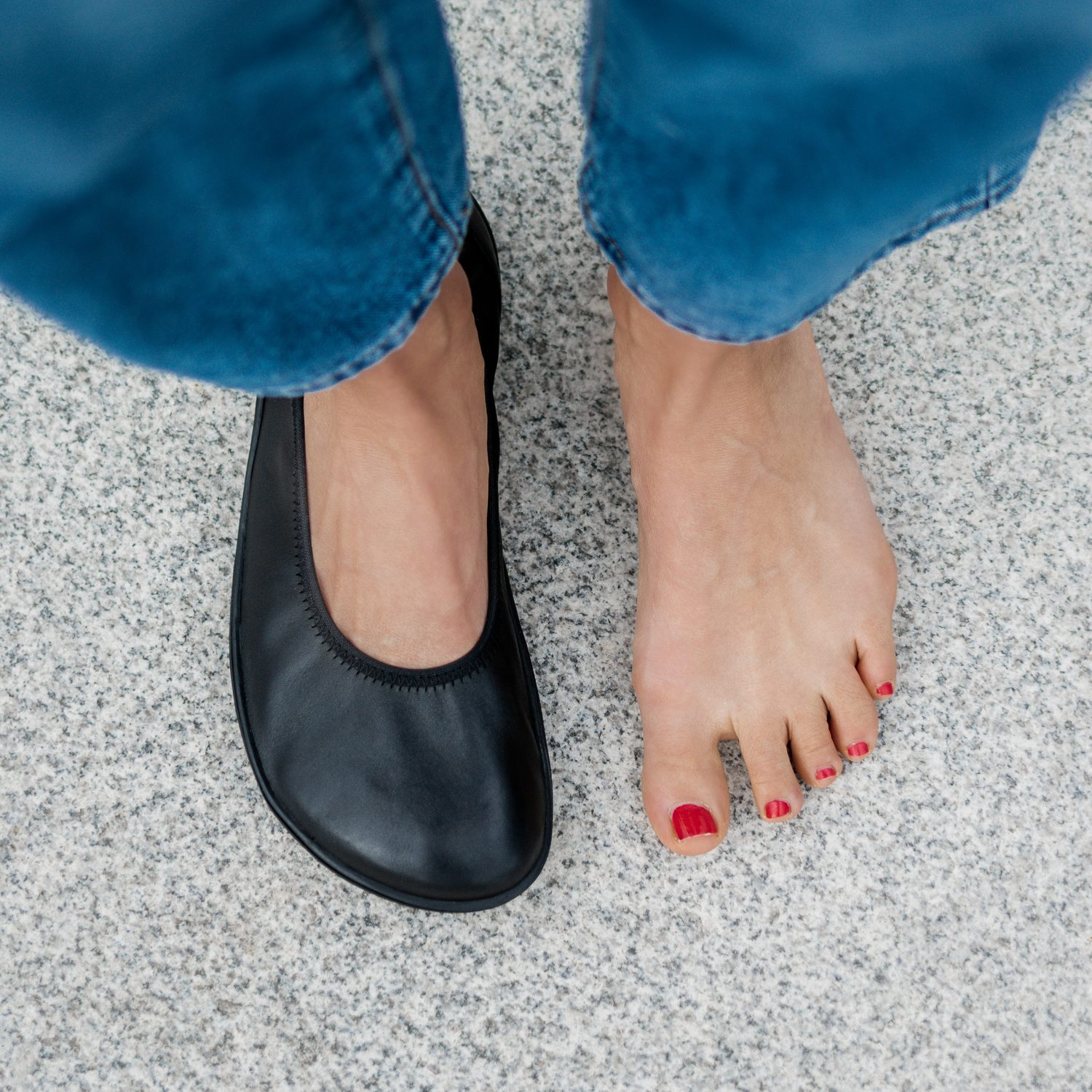
Aylla Shoes, CRAVE and Angles
These three brands offer barefoot shoes with a medium-width toe box, suitable mainly for city wear and smarter occasions. Most models are made from high-quality leather, ensuring an elegant look and comfort. These shoes can be a good choice if you don’t need an extremely wide toe box and you appreciate a flexible sole.
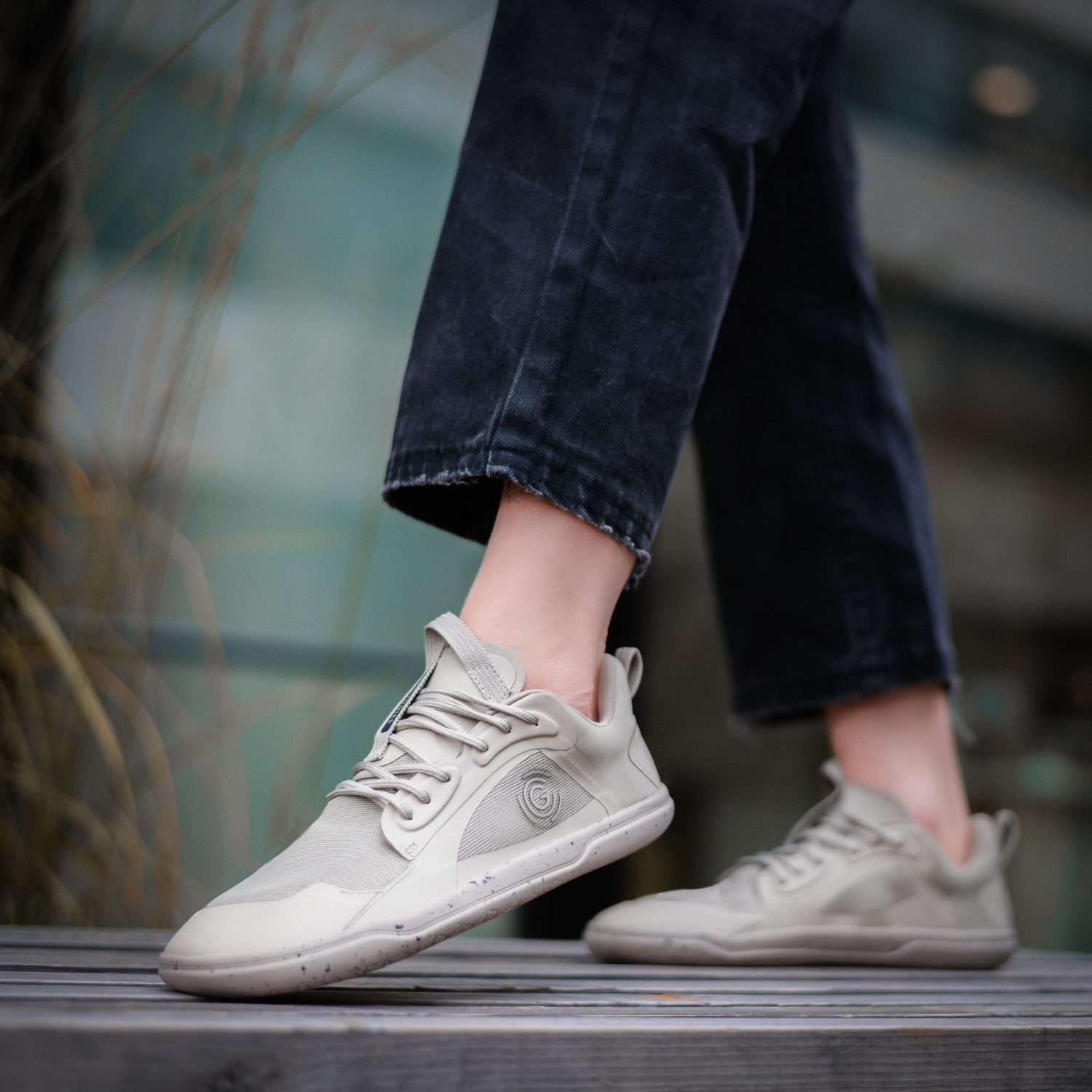
Groundies
Groundies offers a very wide range of stylish models with different toe box widths (from narrow to wide Barefoot+). Alongside several material options, it also offers different types of soles, so you can choose according to your preferences.
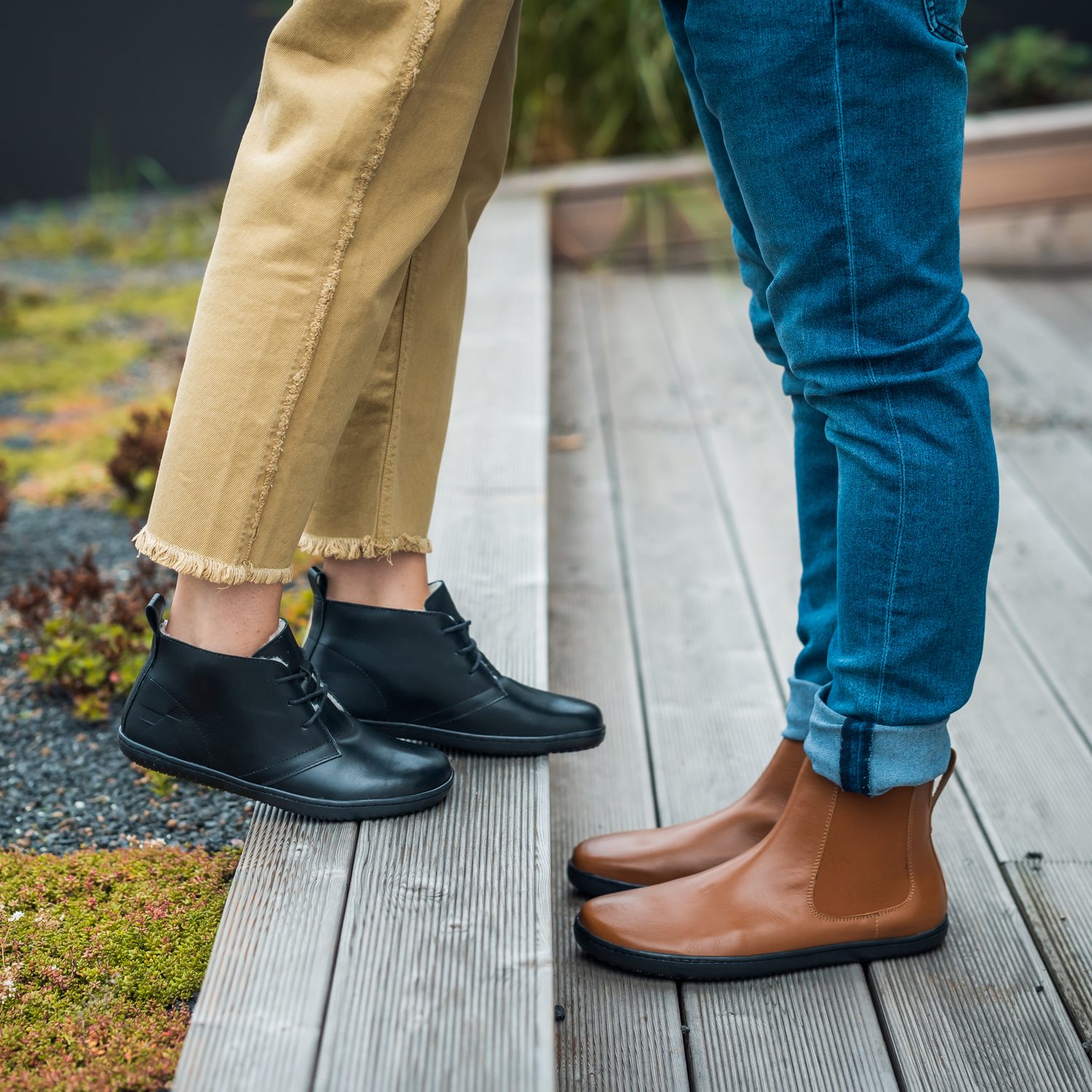
leguano
The leguano brand is known for a narrower fit and extremely flexible materials that adapt to the shape of your foot. Choose them if you value material flexibility without pressure on sensitive joints, as well as a very sensitive sole.
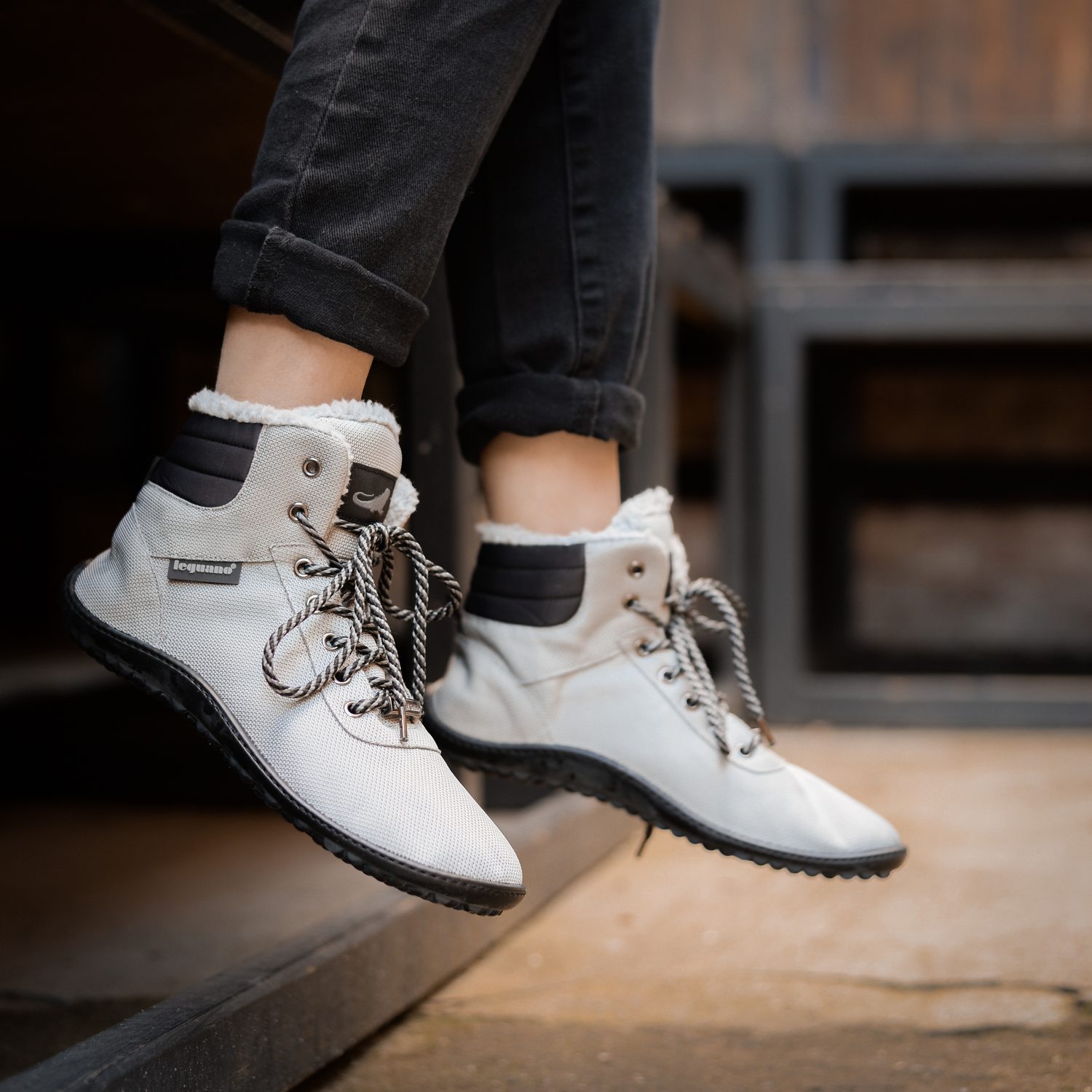
Remember that when choosing suitable footwear, it’s always important to take into account a specialist’s recommendations, your individual needs and your comfort requirements.
With hallux valgus, it’s crucial that insoles don’t just cushion pain, but above all correct foot alignment and stabilise the entire foot from the ankle to the big toe.
Memory foam insoles only soften the step, but they don’t solve the problem. Memory foam provides no stabilisation; on the contrary, it can make the foot even less stable.
That’s why the best solution is individually adapted insoles from a physiotherapist, tailored to the specific needs of your feet.
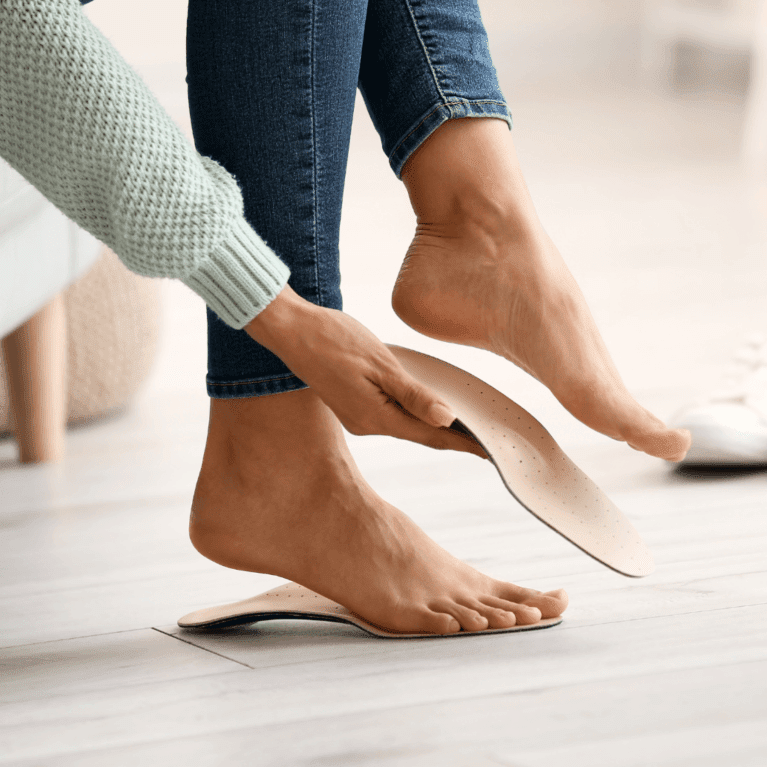
If bunions are bothering you, you don’t have to ignore the pain and discomfort. Professional support can help ease your symptoms and find a suitable solution, whether that’s appropriate footwear, insoles or exercises.
Not sure what’s best for you? Get in touch with the physiotherapists and other specialists who work with naBOSo – they’ll be happy to advise you. You can find their contact details here.
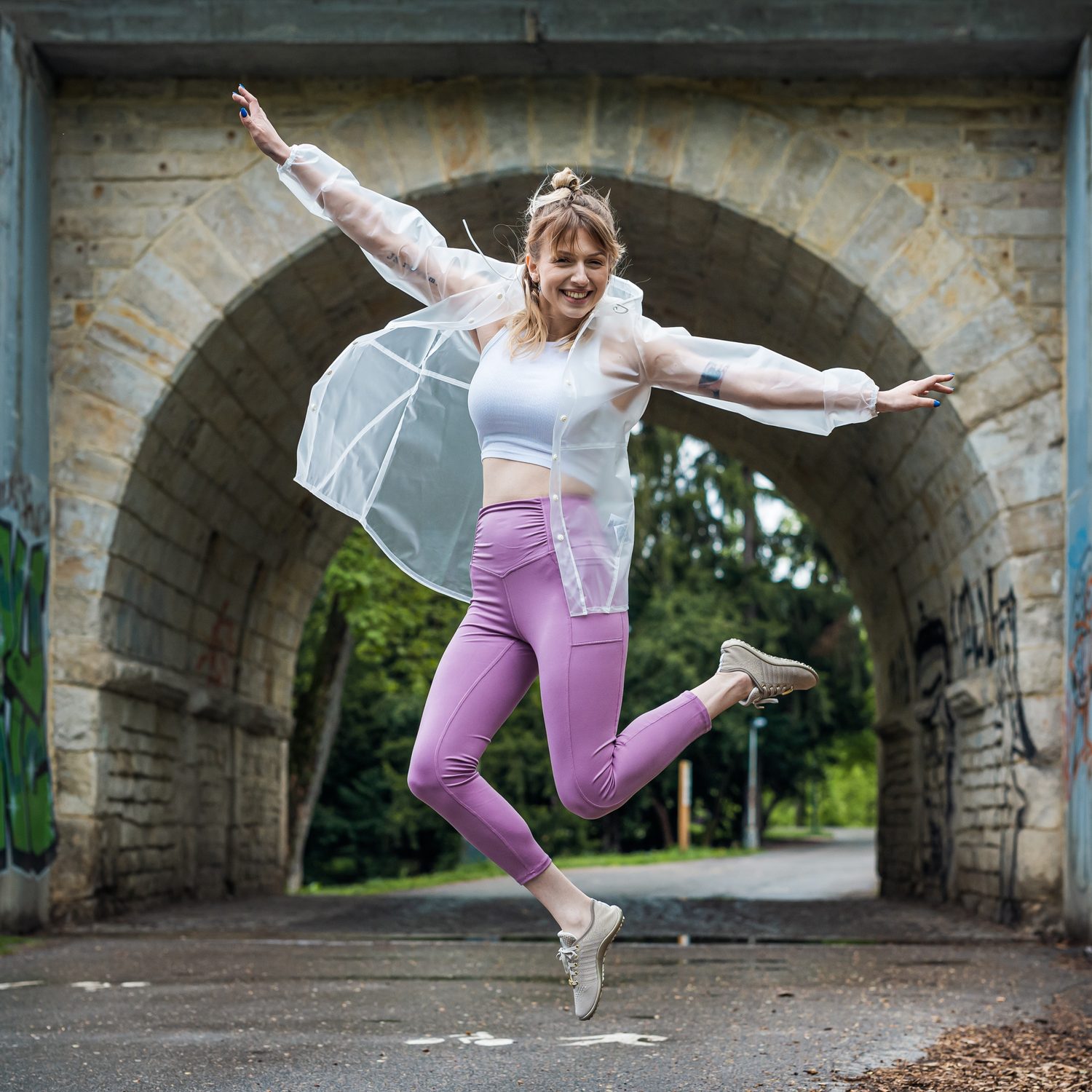
This article was created in collaboration with Bc. Edita Prošková – a podiatrist who focuses on acquired and congenital foot conditions in both children and adults. Through exercises and podiatric aids, she helps restore impaired foot function, which can affect the condition of the entire musculoskeletal system.


 € - US
 Čeština
 English
 Slovenčina
 Magyar
 български
 Polski
 Dansk
Dansk
 Nederlands
 Svenska
 Suomi
Suomi
 Español
 Français
 Slovenščina
 Română
 Português
 Deutsch (DE)
 Deutsch (AT)
 Deutsch (CH)

