We’ll be happy to help via online chat or at: orders@premiumbarefoot.com

Walking, Movement and Health Selecting and Maintaining Barefoot Shoes
Find out when barefoot footwear may not be suitable. Expert advice, higher-risk conditions and situations where barefoot walking can do more harm than good.
Barefoot shoes are a great choice for the vast majority of children and adults who want to improve their posture and strengthen the muscles in their feet. However, there are situations and health conditions where wearing barefoot footwear isn’t the right option.
Knowing which situations and diagnoses make barefoot shoes a poor choice will help you minimise the potential risks associated with wearing them.

Barefoot shoes bring many people a range of benefits – from freedom for your toes to better ground feel. But there are cases where wearing them may not be suitable.
This mainly applies to certain health conditions where it’s important to discuss your choice of footwear with a specialist and, if needed, opt for a gradual transition or a compromise solution. These include, for example:
This isn’t a clear-cut ‘no’ – it’s more a call for extra caution, an individual approach and, where appropriate, professional guidance. Even in these cases, a solution can sometimes be found – you just need to look for it with your specific condition and your body’s needs in mind.
That’s why, especially in these situations, it’s recommended to discuss your health status with a specialist before transitioning to barefoot – a physiotherapist, orthopaedic specialist or podiatrist.
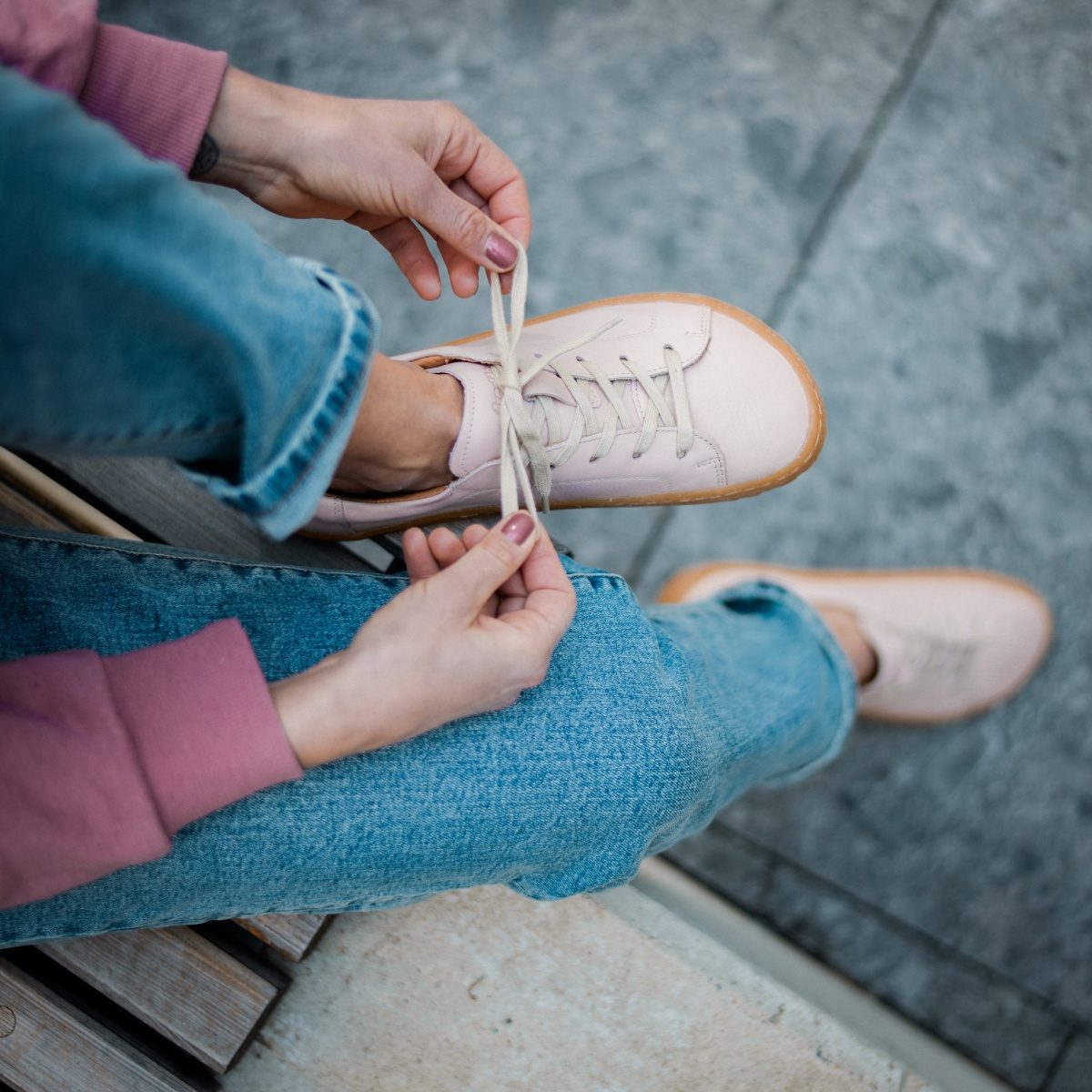
For people with certain diagnoses, ‘barefoot’ walking can be harmful mainly because of the high flexibility or thin sole of barefoot footwear. In some conditions, it doesn’t provide enough support for the foot, offers less cushioning and can lead to overloading certain parts of the foot.
The result can be reduced stability, muscle overload, pain and even a worsening of the condition. So if you have any of the diagnoses below, always seek advice from a specialist before putting on barefoot shoes.
Hypermobility means a pathological increase in joint range of motion. Especially with hypermobility in children – and if they also have issues with alignment and function of the lower limbs – walking in barefoot shoes is not suitable at all.
‘If someone doesn’t want to keep harming themselves and turn into a “contortionist”, they shouldn’t push their joints into extreme positions or try to increase their range of motion even further. Soft barefoot footwear allows hypermobile feet to get into these extreme positions, which isn’t ideal. On the contrary, an extremely flexible foot tends to need a firmer sole to slow it down a bit,’ explains physiotherapist Hana Tonarová.
With this diagnosis, the skin is extremely prone to injury and heals poorly. The thin sole of barefoot shoes may not protect sufficiently against injuries (sharp surfaces, dropping an object, knocking your foot). On the other hand, it can be an advantage thanks to the extra space and comfort – especially when combined with a special insole.
Specialists’ recommendations on ‘barefoot’ walking vary, but for stabilised diabetes, many physiotherapists agree that barefoot footwear with an insole can be a good option.
‘I’m definitely in favour of barefoot footwear for people with diabetes, ideally combined with an insole. In my practice, the biggest issue with diabetic foot tends to be chronic wounds, which often start with an ingrown toenail, advanced fungal infection or reduced local blood flow – and are therefore not related to the type of footwear,’ says physiotherapist Michael Tichov.
A stiff big-toe joint doesn’t allow a natural push-off when walking. In this case, a barefoot shoe isn’t suitable because the foot needs the shoe as support to replace the function of the big toe – ideally with a stiffer sole.
So if you feel your big toe is losing its original mobility, it’s high time to speak to a physiotherapist or orthopaedic specialist about prevention and treatment options.
With selected neurological diagnoses, it’s not possible to generalise – for some people, for example with cerebral palsy, multiple sclerosis or cerebellar degenerative ataxia, barefoot footwear can improve proprioception and walking.
For others, however, barefoot shoes may lack the stability they need. It’s always necessary to assess individually what a particular person with a neurological diagnosis requires.
A body with very high weight needs cushioning when walking, and a thin barefoot sole simply can’t provide that – so a better choice here is a barefoot shoe with a thicker sole combined with an insole, or footwear with a thick but soft sole.
Stepping down in shoes with a thin sole is extremely painful in this case. In the acute phase, soft cushioning is appropriate, or an insole that offloads the painful area and helps distribute weight correctly so the foot isn’t overloaded further. The transition to barefoot can come later, once the condition is stabilised.
With Achilles tendon inflammation, the key is to reduce the pull on the tendon. So, in general, footwear with a low ‘drop’ (the height difference between heel and toe) or an insole to adjust weight distribution tends to help more.
Michael Tichov doesn’t see wearing barefoot shoes with Achilles tendon inflammation as a clear-cut problem: ‘First and foremost, seeing a physiotherapist is important, not just changing footwear. If the push-off phase improves, the stride shortens and walking speed slows down, the force on the Achilles tendon is significantly lower – even when walking barefoot.’
Barefoot footwear is not recommended mainly for older people with extreme foot deformities (non-functional arch, hammer toes, hallux valgus). However, even older adults can discover, thanks to barefoot shoes, just how comfortable walking can be and appreciate the free space for their toes. You just need to bear in mind that the body becomes less adaptable with age, so it may take longer – and be harder – to get used to a change in footwear.
In the end, what matters most is whether they feel good, comfortable and stable in barefoot footwear – or whether they’d rather stick with the shoes they’ve worn all their life.
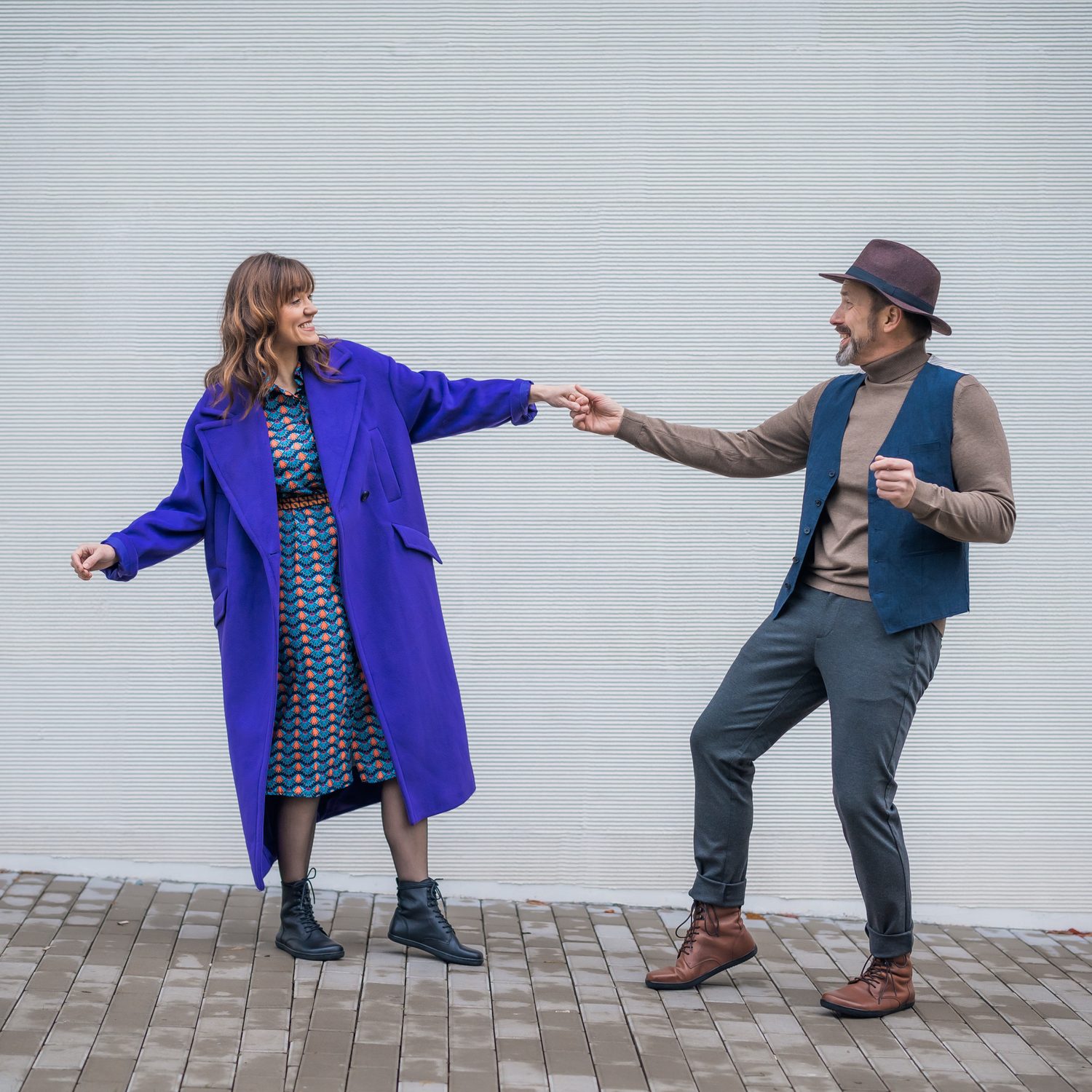
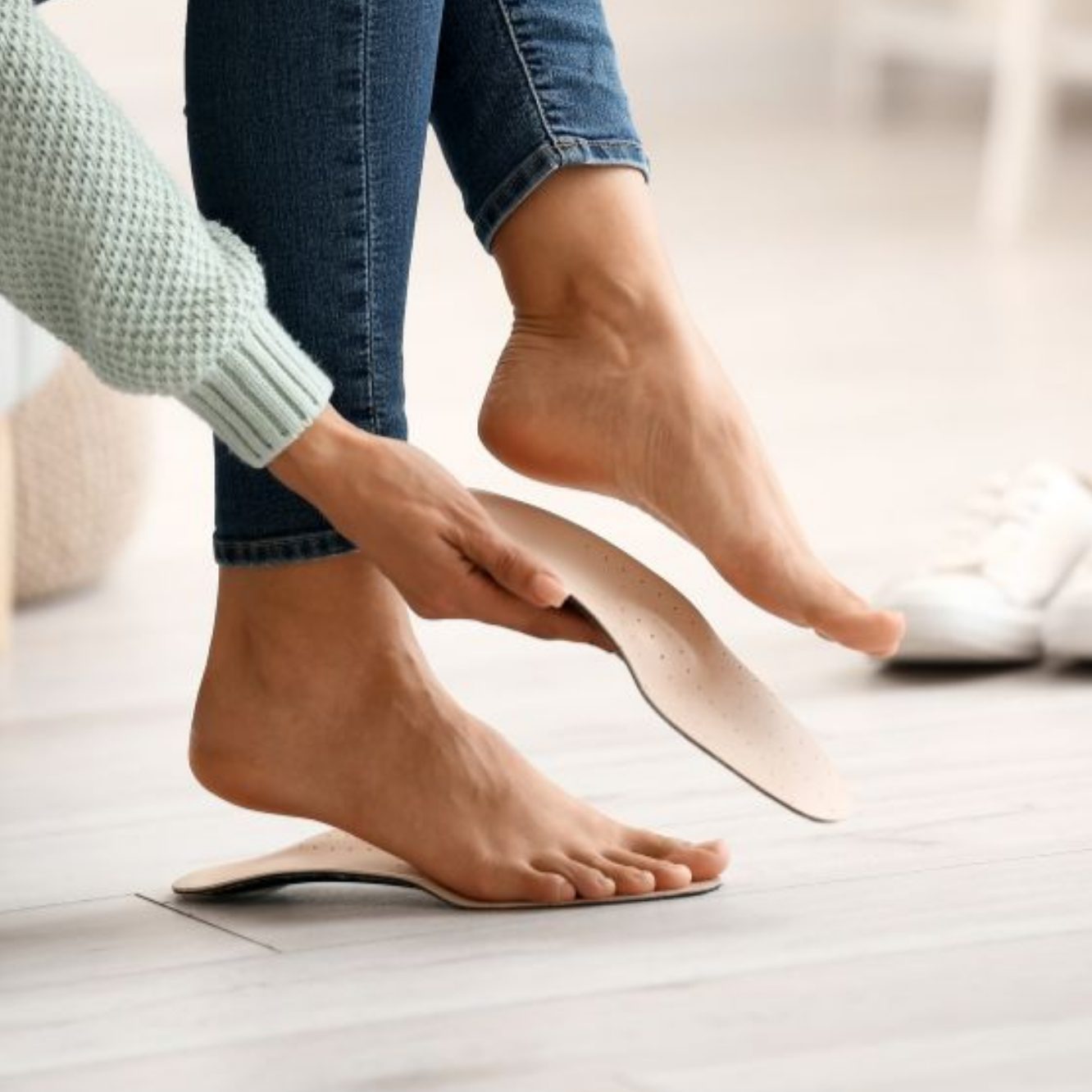
A well-chosen insole – ideally custom-made or adjusted by a podiatrist, orthotist or physiotherapist – can be a good compromise for many diagnoses between comfort and functional support.
‘For example, with issues such as heel spur, Achilles tendon inflammation or hallux valgus, the right insole in a barefoot shoe can significantly relieve pain while also helping address the cause of the problem,’ explains Michael Tichov. ‘What’s important is that the shoe fits you well, provides support where needed, and at the same time supports the foot’s natural movement.’
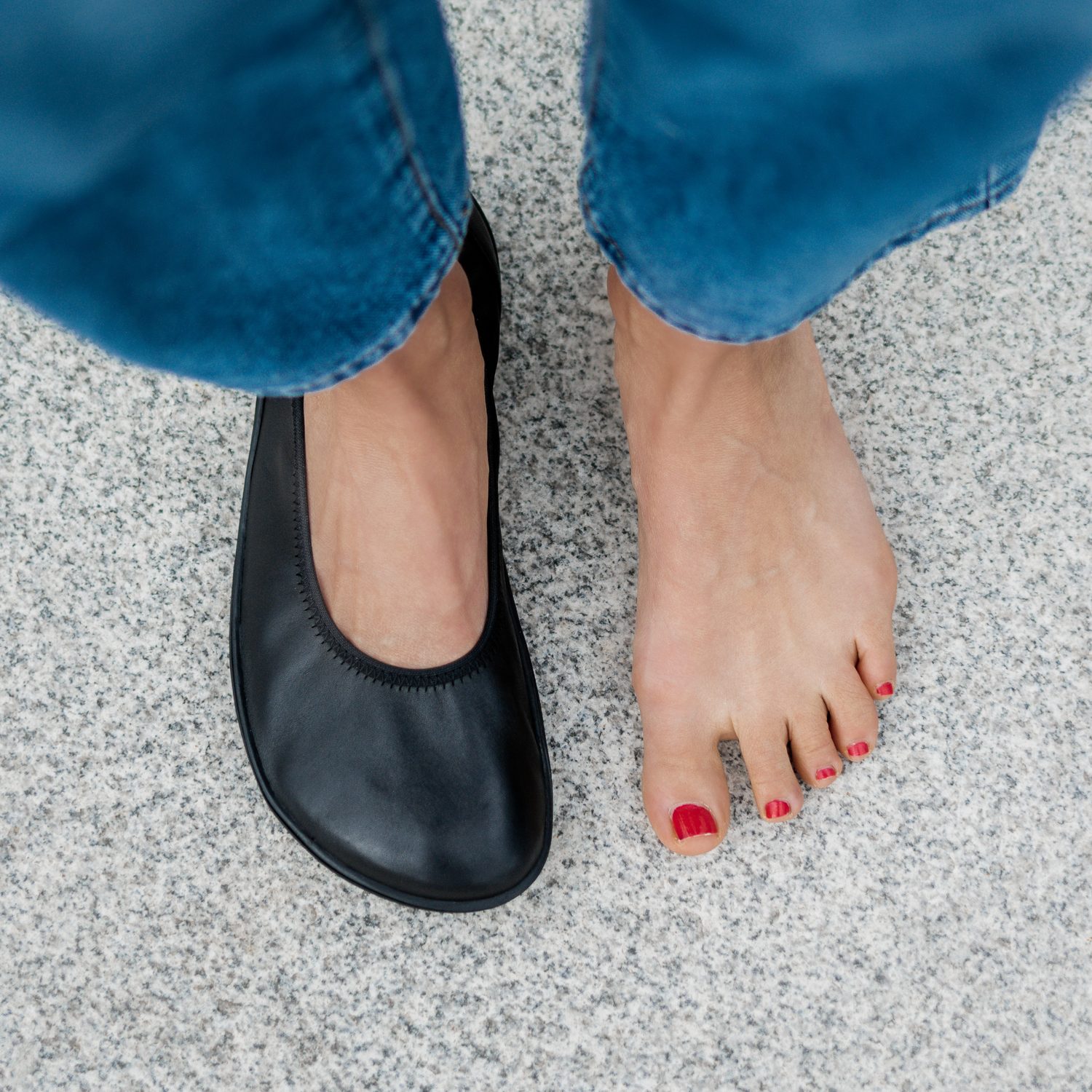
An anatomically shaped toe box in barefoot shoes is not a problem for any diagnosis or foot deformity.
‘I can’t think of any diagnosis where the anatomical shape of the toe box would be an issue. That means if the toe shape fits and there’s an appropriate allowance all around, then it’s absolutely fine for everyone,’ says Hana Tonarová.
A properly shaped toe box allows your toes to move naturally and doesn’t contribute to further deformities; on the contrary, it can help improve comfort and foot health.
Even if you don’t have any health issues, wearing barefoot shoes incorrectly can lead to unpleasant problems – for example overloading muscles and ligaments, worsening arch issues, or a higher risk of injury when walking on hard surfaces. The transition to barefoot footwear should be gradual, with a sensible load, because barefoot shoes aren’t a universal solution for every foot problem.
Some feet take longer to adapt to barefoot walking and may signal that switching to barefoot overnight isn’t the right choice. Warning signs include persistent pain in the feet or calves, or reduced stability when walking. Think of it like starting intense exercise after years of inactivity – your body would need time to adapt then too. If problems persist, it’s a good idea to discuss the situation with a physiotherapist or podiatrist.
naBOSo tip: If you’re just starting out with barefoot footwear, we recommend reading our article on how to walk properly in barefoot shoes to avoid potential issues.

Barefoot shoes may not be suitable for every occasion. Even if you’re a committed fan of barefoot walking, consider conventional footwear in these situations:
In some jobs and activities, specific footwear is simply essential. Before choosing barefoot shoes, always consider the specific requirements of your work or sport.
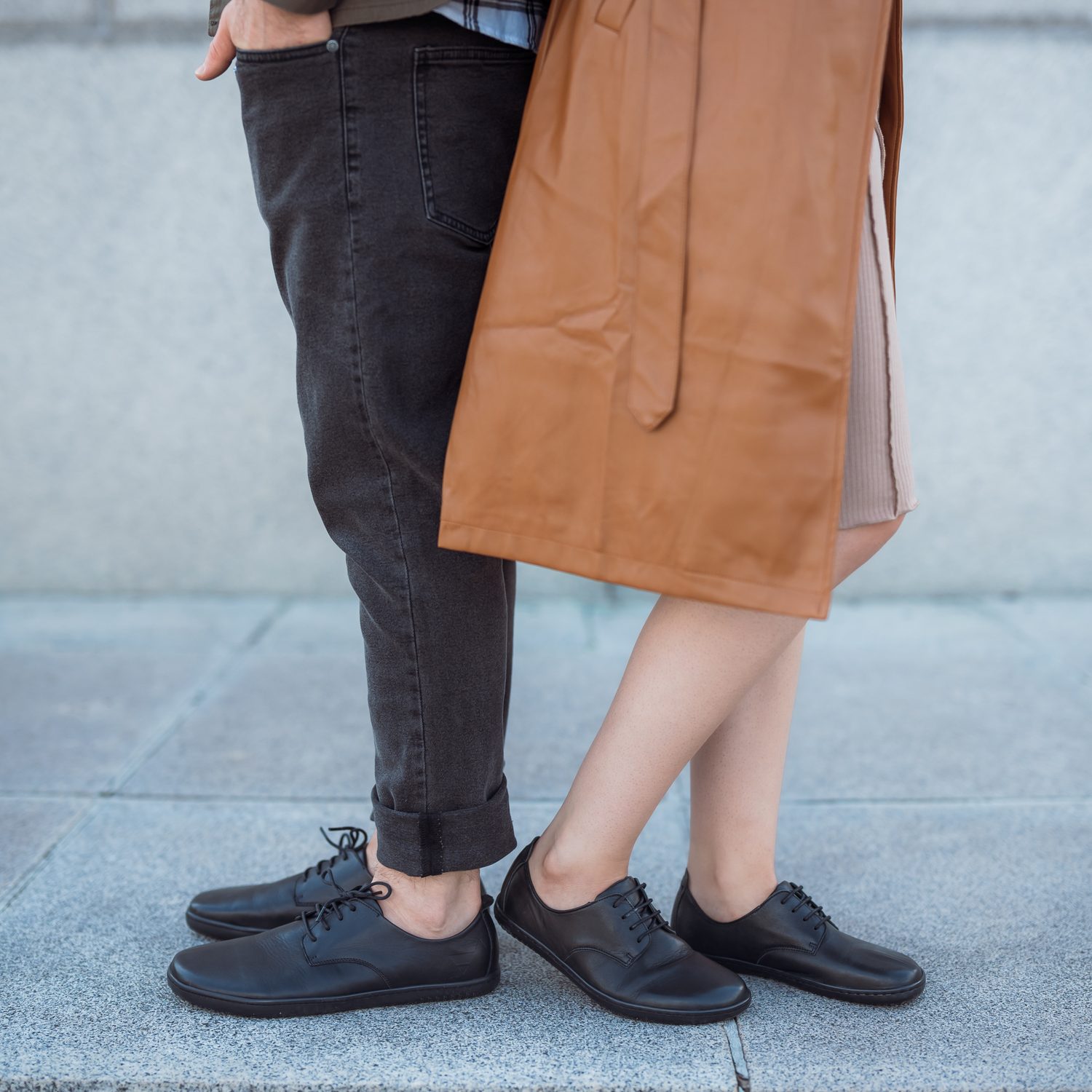
Barefoot footwear can change your life for the better, but only if you approach it responsibly and with your specific needs in mind.
Your health status, work environment and individual needs all play an important role in deciding whether – and to what extent – to include ‘barefoot’ walking in your everyday life and start benefiting from its many positive benefits.

This article was created in collaboration with physiotherapists Bc. Hanka Tonarová (HoneyCare.cz, FySport) and Mgr. Michael Tichov (FyzioGo).


 € - US
 Čeština
 English
 Slovenčina
 Magyar
 български
 Polski
 Dansk
Dansk
 Nederlands
 Svenska
 Suomi
Suomi
 Español
 Français
 Slovenščina
 Română
 Português
 Deutsch (DE)
 Deutsch (AT)
 Deutsch (CH)


