We’ll be happy to help via online chat or at: orders@premiumbarefoot.com

Walking, Movement and Health Selecting and Maintaining Barefoot Shoes
Running in barefoot shoes means returning to natural movement. Did you know this approach can help, for example, with knee pain? We’ll help you choose the right pair.
Running is a big topic. These days it’s one of the most popular sporting hobbies across all generations. And any runner will tell you there’s running and then there’s running. You run differently on a track, differently in a 100-metre sprint. And a marathon? That’s a challenge all of its own. The same goes for the surface: running on tarmac is different from running on grass, and completely different again on forest trails. But everyone and everything has one thing in common – shoes. We’ll help you choose the right ones for joyful, feel-good sporting experiences.
Whether you’re a beginner or a seasoned marathon runner, it always helps to understand the jargon that often comes up when choosing running shoes and trainers. To keep you in the loop, we’ve picked out a few of the most common and most important terms you’re sure to come across when looking for your future running partners.
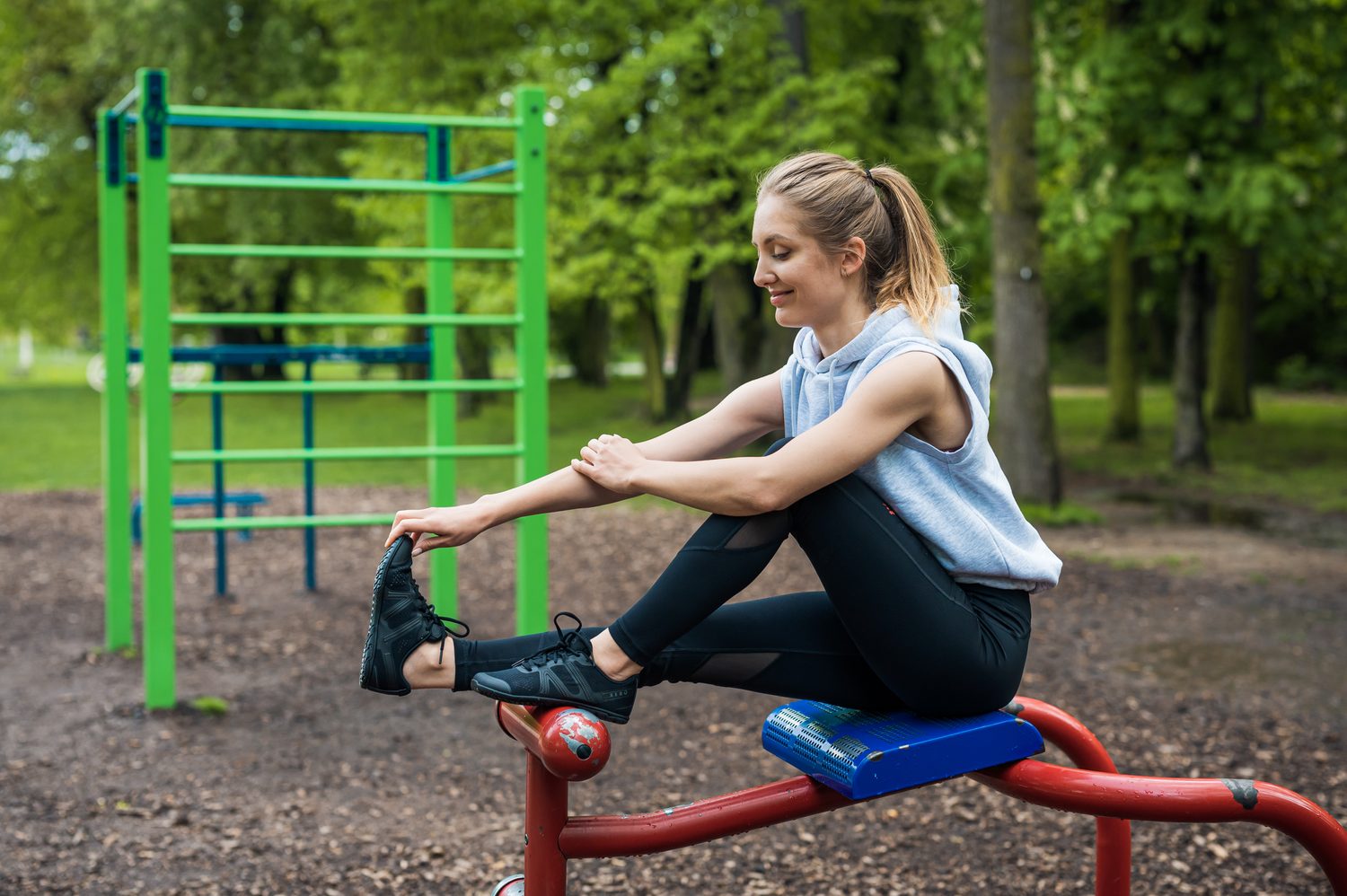
The difference in sole height between the toe and the heel. In running shoes, some retailers even recommend it. In general, though, the rule is simple – the smaller the drop, the more natural your running feels. In barefoot shoes, you won’t find it at all. Drop – just like a heel, even a tiny one – goes directly against the foot’s natural habits. That’s why all barefoot shoes have zero drop, i.e. zero drop.
This refers to traction on wet and slippery surfaces. It’s those lugs that save you in mud and rough terrain. Barefoot shoes can’t have aggressive grip – let’s be honest, that wouldn’t feel very nice for everyday walking. However, in some winter and sporty barefoot models, a bit of grip is definitely useful. You’ll find it, for example, on LEGUANO AKTIV or XERO SHOES MESA TRAIL.
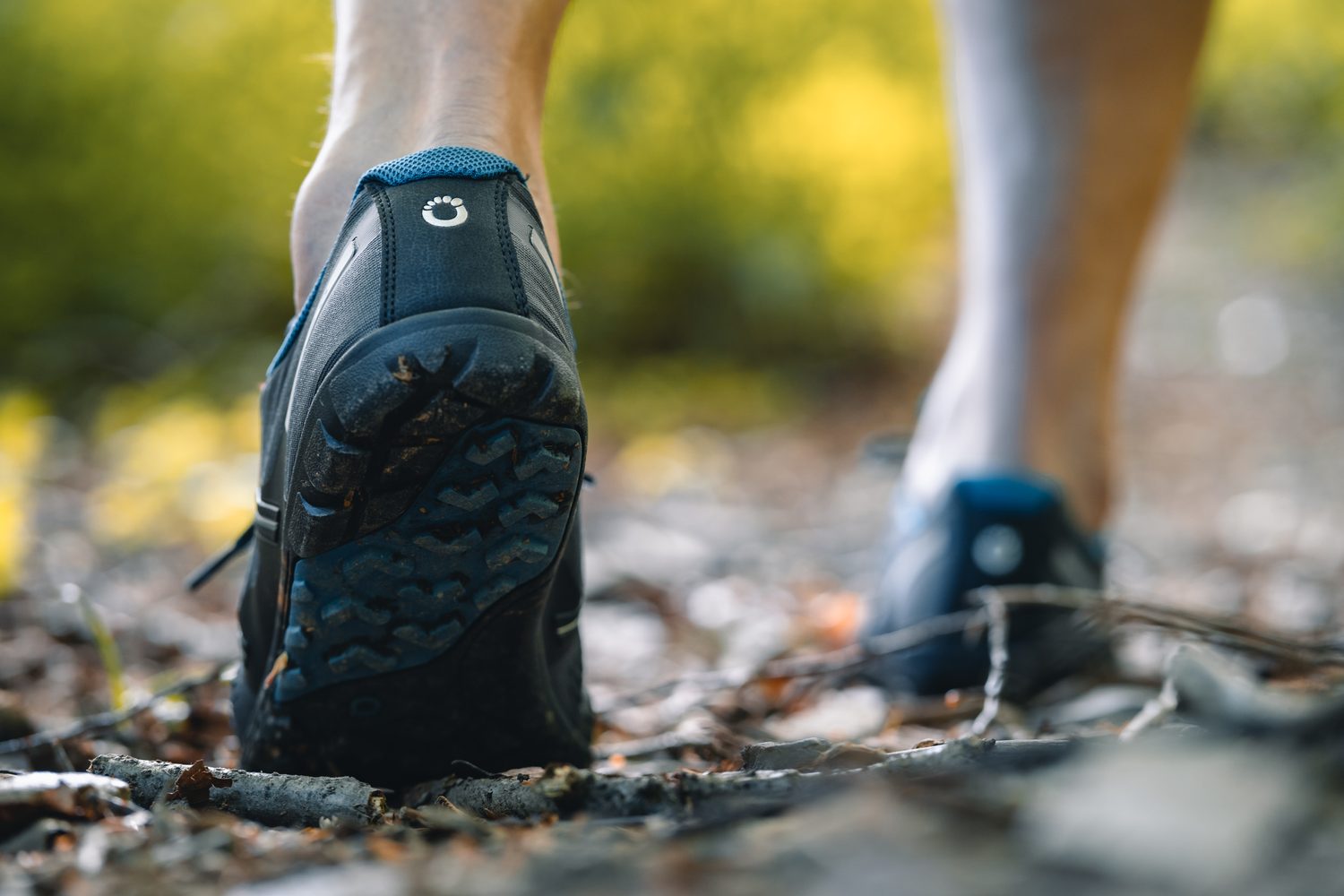
Less well-known but often-used terms when choosing footwear are pronation and supination. Both describe your foot strike. Pronation means the walker/runner rolls the ankles inwards on landing, sometimes described as knock-knees. Shoes then tend to wear down on the inside edges. Supination is the classic bow-legged pattern, where you land the other way round – ankles outwards – and you’ll see wear on the outer edges of the shoes. Both types of foot strike can be strong and obvious from a distance, or milder, which is usually only revealed by a professional gait analysis (or by looking at how your older shoes have worn).
A purely medical term (sometimes also spelled “proprioreception”) that refers to your sense of position – your body’s awareness of where it is in space. In simple terms, it’s that feeling when your brain registers your movements, which muscles are working, and how they’re functioning.
How do you choose the right size? It’s a tricky question with any type of footwear, and running shoes are no exception. The key is to measure your foot properly. Ideally, trace your foot on paper and measure the longest distance. Then add around 10 mm as an allowance, so your foot has enough space for truly free movement. You can read more about the correct measuring method in the article How to measure your foot correctly.
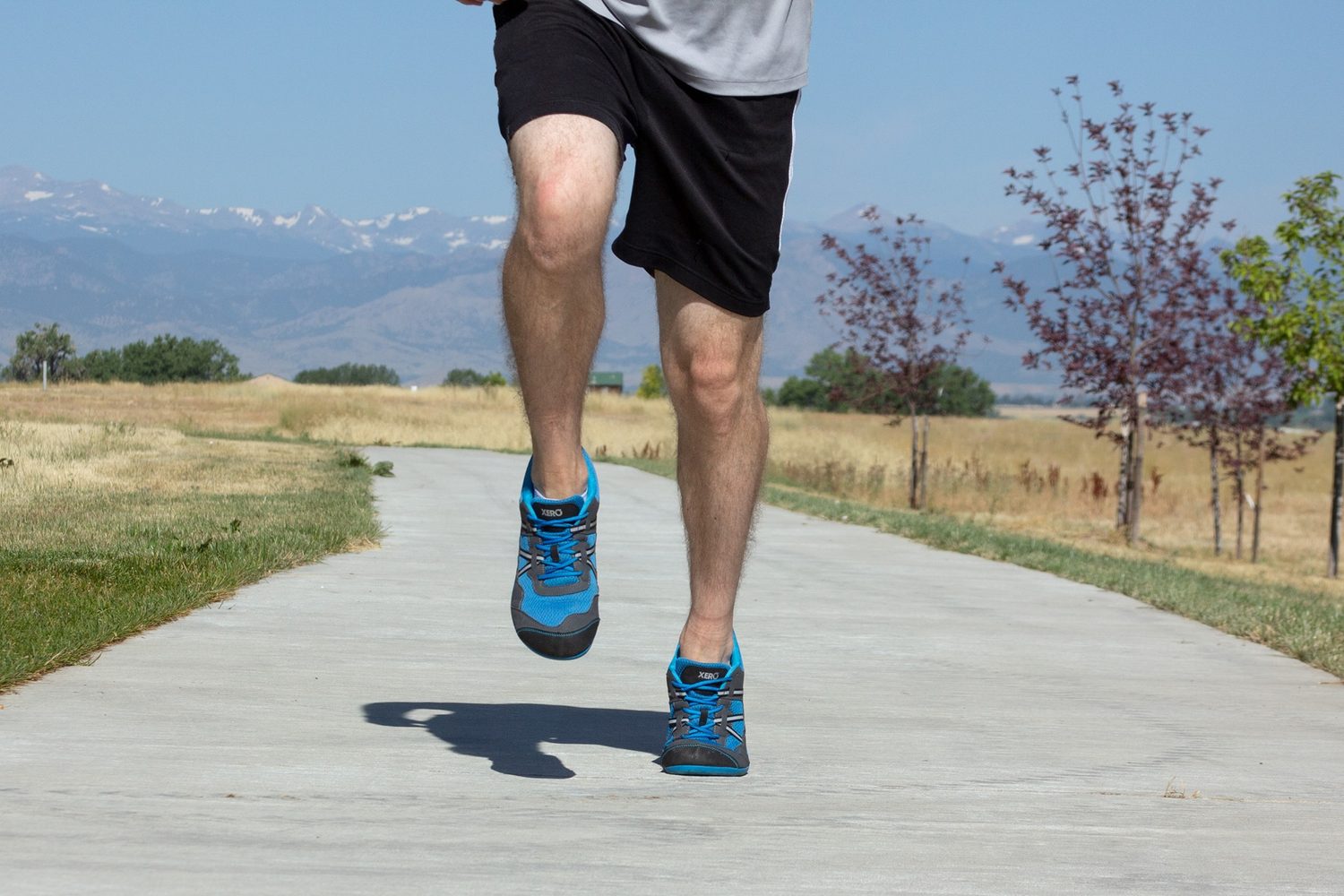
As the terms pronation and supination suggest, the right foot strike is especially important when running – and not just because of shoe wear. Your foot strike affects potential aches and health issues down the line from calf pain, knees and hips all the way to your spine. Running is physically demanding; your body takes a lot of load, and you’re the one who can influence how.
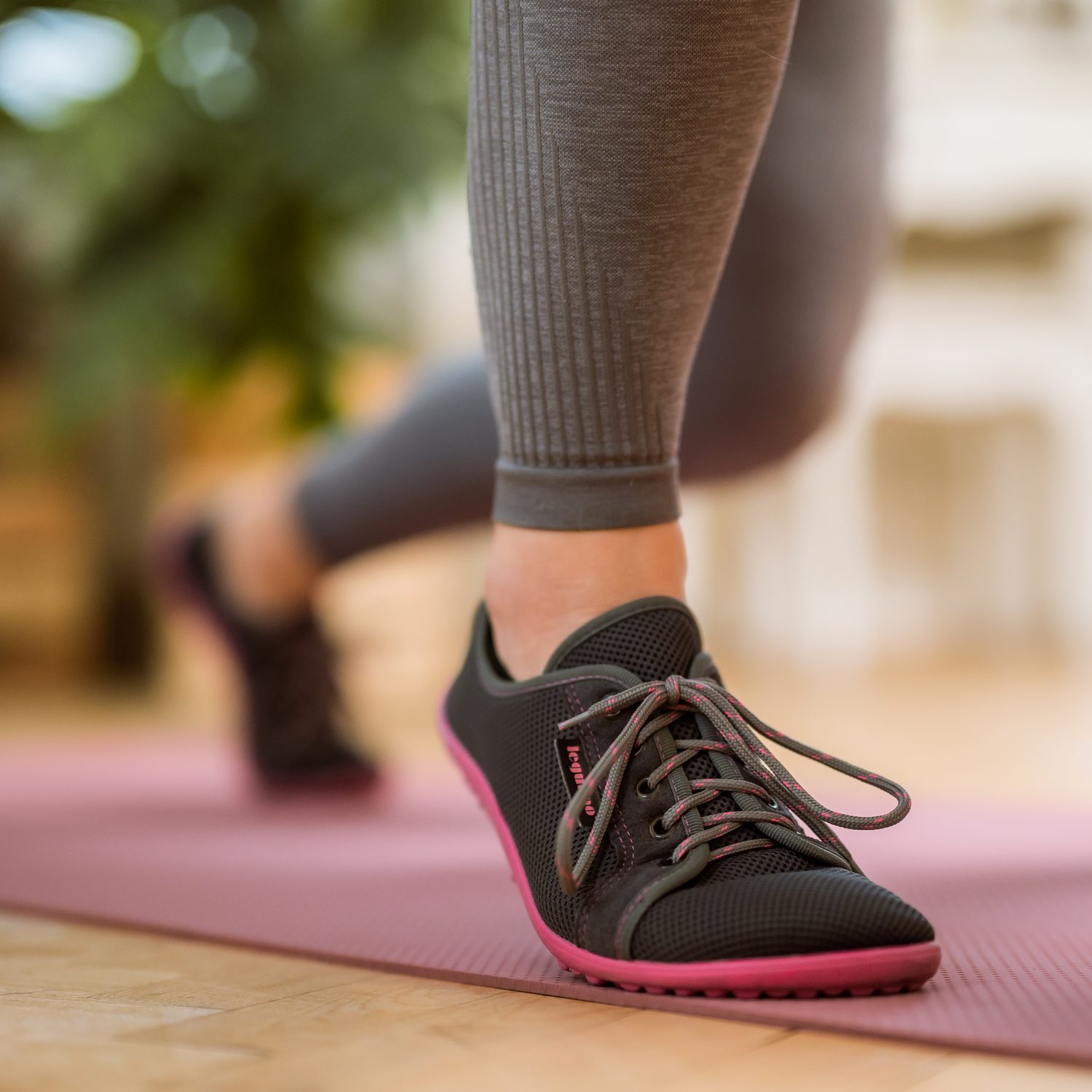
By learning to tune into your body – to feel your muscles, and to notice how and where you land. Barefoot shoes are ideal for exactly that. With them, you’ll get used to naturally and fully controlling not only your feet, but your whole body. Don’t worry, it’s absolutely doable – it just takes regular practice, ideally regular running and keeping it in mind.
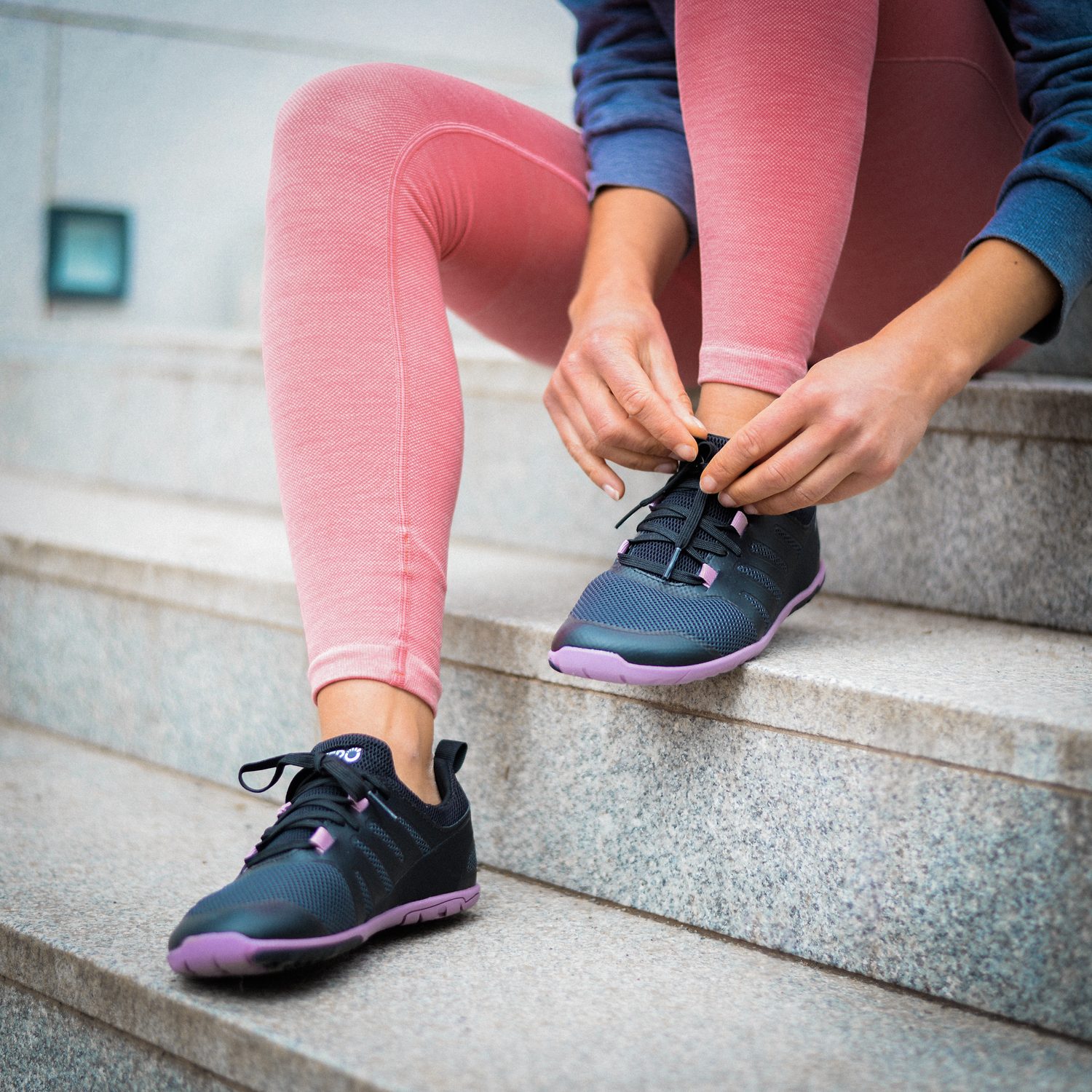
Who would have thought that something as simple as a sock could matter so much – especially during sport? But it really does. A sock acts as a protector for your foot, both from the outside and the inside. It protects your feet from chafing, scratches and ticks, and also from sweat and those not-so-popular blisters. The right performance sock keeps your foot dry, warms you up in winter – and there are even socks that feel pleasantly cooling in summer. Socks are a science, aren’t they? So choose that in-between layer carefully.
A topic in its own right is compression socks and compression knee-highs. If you’ve ever wondered why those “mad” runners wear knee-highs in summer, here’s why. This accessory doesn’t just finish off a running outfit – it mainly supports performance. It improves circulation and reduces muscle vibration on impact, which can also help with faster recovery after exercise.

Terrain. With conventional running shoes, it’s one of the most important specs when choosing a pair. And with barefoot? That problem disappears. Free feet with plenty of space – that’s the foundation of all barefoot shoes, and together with your confidence, your feet can handle anything, whether it’s fast races, long distances or wandering through the woods. It’s up to you whether you want to run everything in one pair, or whether you’ll lace up XERO SHOES MESA TRAIL for trails and, for the road, perhaps LEGUANO AKTIV.
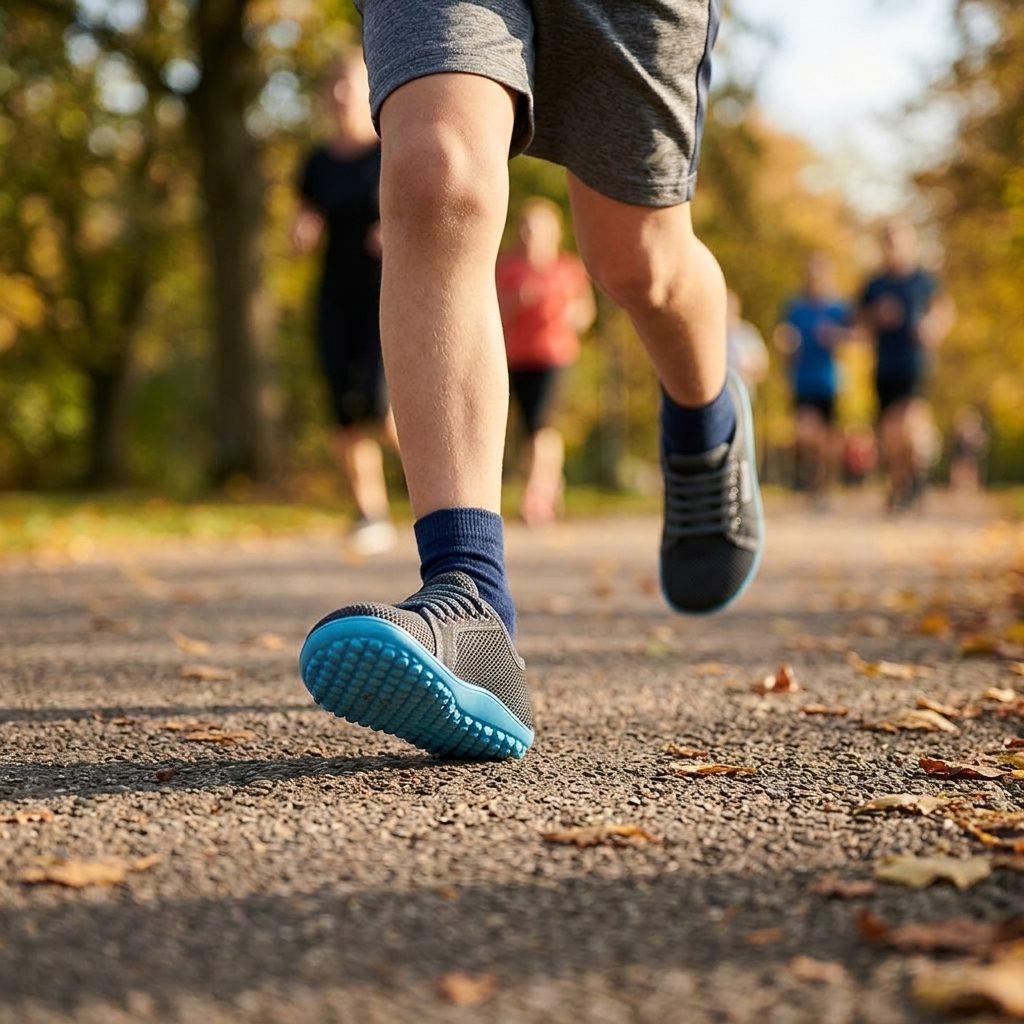
One of the absolute top brands among sporty barefoot shoes is XERO, which actually came about by accident, as its founder Steven Sashen mentioned in an interview with Andrea Součková.
“The Xero Shoes brand has been connected with naBOSo right from the very beginning – since 2015. We were looking for barefoot sports sandals and found Xero. Over time they started adding performance models and now casual ones too; I believe that in a few years they’ll be a leader in the barefoot category,” says Andy Součková.
Xero is a best-seller mainly thanks to the technology and the fact they fit well and can be tightened securely. “In the performance category, they have no competition. I’ve tried all the sporty barefoot shoes for running – and Xero are top. I’m sure it’s because Steven makes them as if he were making them for himself,” Andy adds.
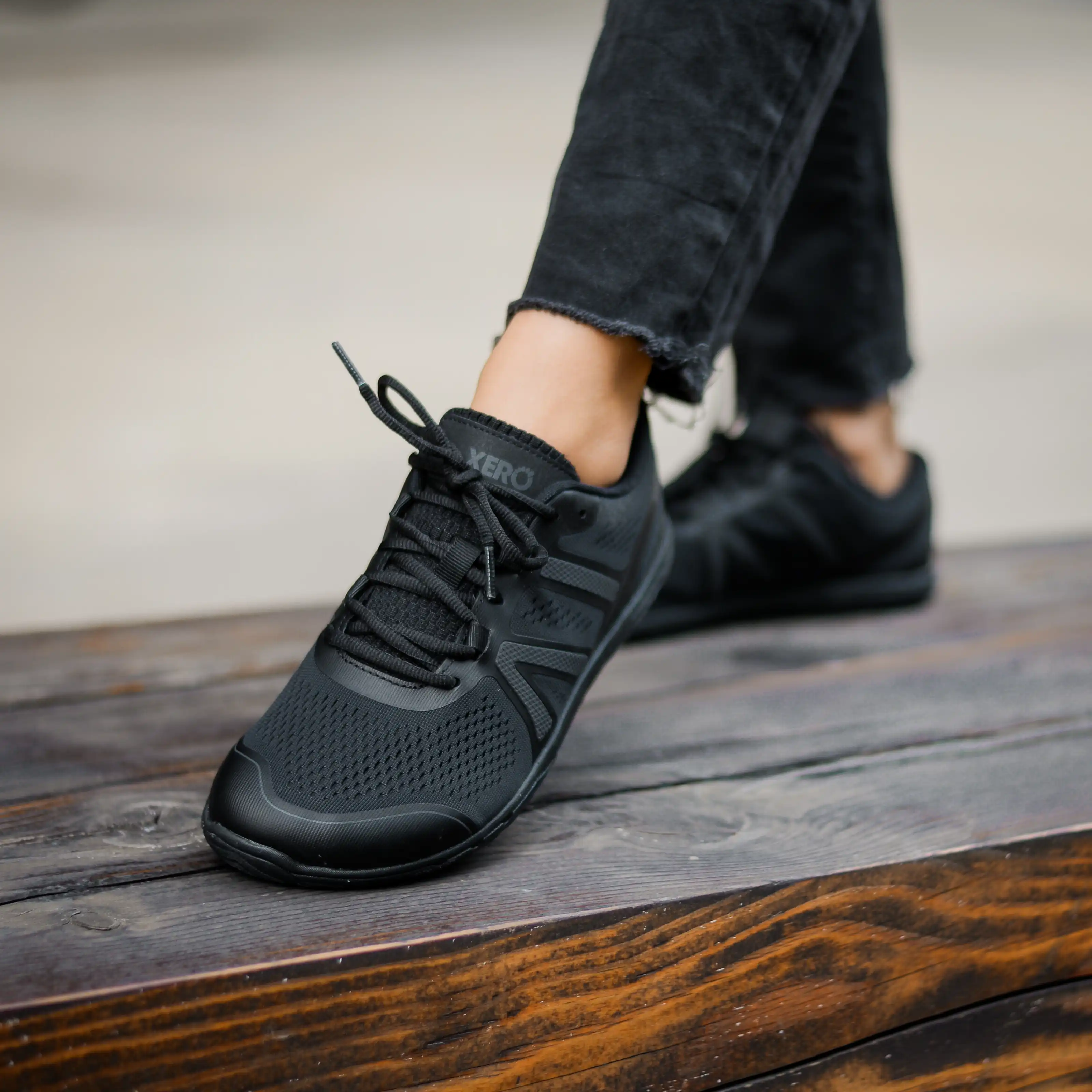
Shoes from the XERO SHOES HFS range are ideal for hard surfaces: they’re ultra-light, thin, and perfectly wide in the toe area. A new addition for 2022 is the lightweight running trainer XERO SHOES ZELEN made from recycled and biodegradable material. For lovers of forest scents and trails, there’s the XERO SHOES MESA TRAIL range.
A true classic that won’t let you down in any situation are the popular brands leguano or Merrell.
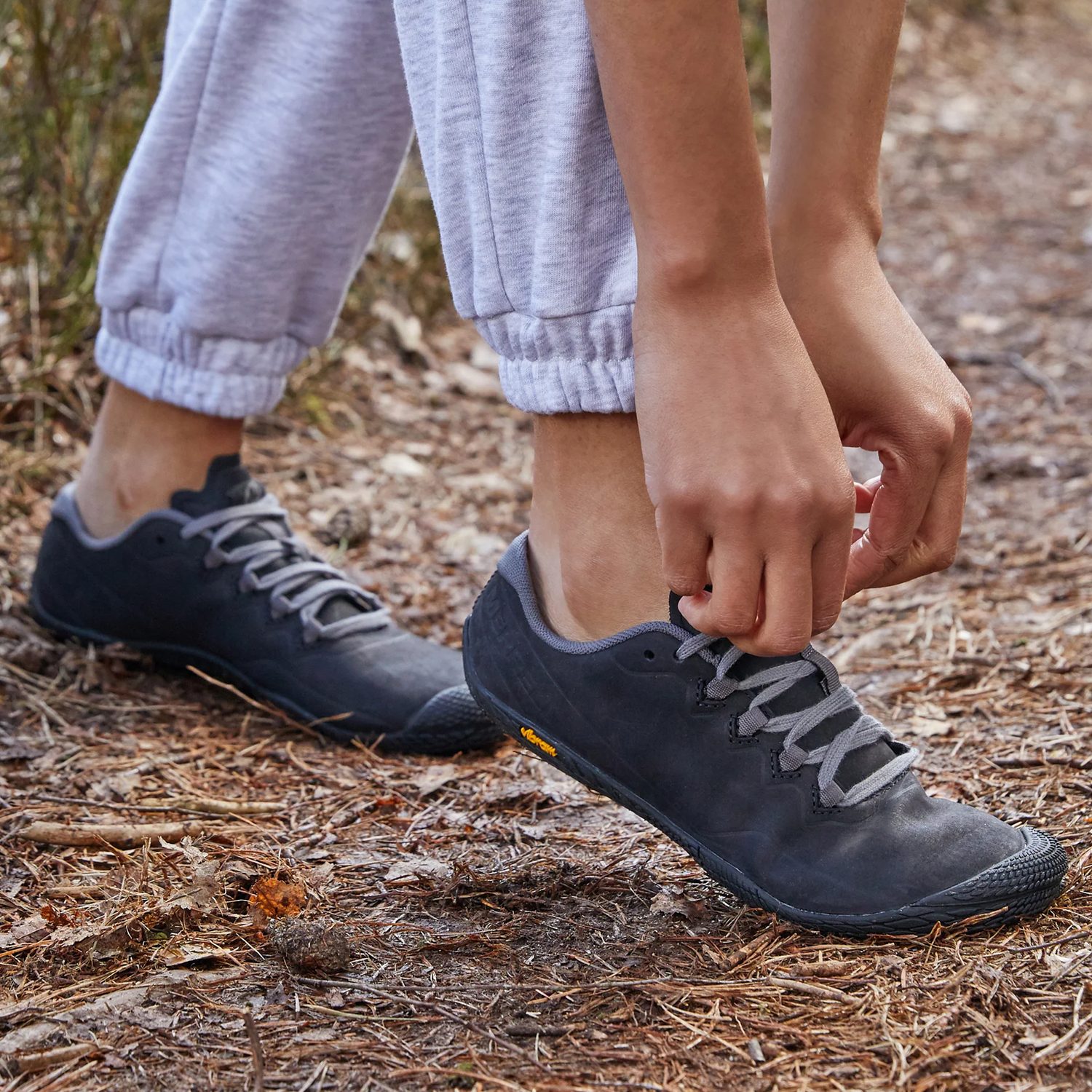
Sooner or later, when choosing running shoes, you’ll probably think of a tricky question: what about cushioning? Barefoot shoes don’t have any, so don’t your knees suffer more? And the answer is: no. If you follow the recommended approach when you start running in barefoot shoes and listen to your body, then no. You can read how to do it in our article full of inspiration and tips from experienced runners How to run in barefoot shoes?
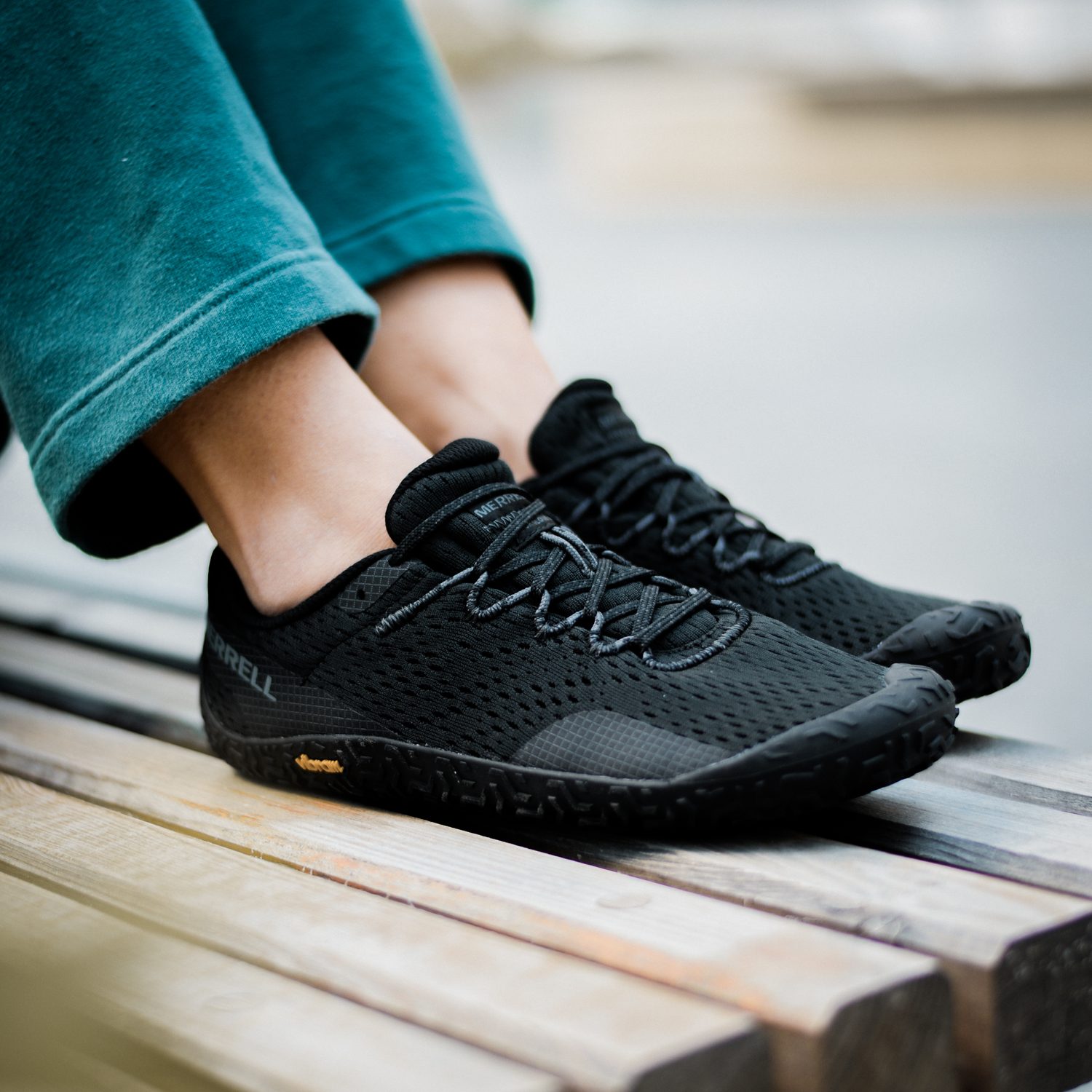
First and foremost – it’s natural. Yes, it’s different: you can feel what you’re running on – every little stone, every uneven patch. That connection to the ground makes you pay more attention to your body. So it’s different, and better. Barefoot shoes allow you to fully use the strength of your whole foot right to the tips of your toes, and they teach you to run and land naturally – on the forefoot or the whole foot.
Still unsure? Take a look at our range of running shoes, they’ll convince you on their own.
TIP: For an even more intense movement experience and better circulation and foot function, use sensorimotor insoles. After training, treat your feet to a few minutes of relaxation with the massage ball Neuro Ball.


 € - US
 Čeština
 English
 Slovenčina
 Magyar
 български
 Polski
 Dansk
Dansk
 Nederlands
 Svenska
 Suomi
Suomi
 Español
 Français
 Slovenščina
 Română
 Português
 Deutsch (DE)
 Deutsch (AT)
 Deutsch (CH)

