We’ll be happy to help via online chat or at: orders@premiumbarefoot.com

Children Barefoot Walking, Movement and Health Selecting and Maintaining Barefoot Shoes
This article will guide you through when and how to put shoes on your child for the first time, so their little feet get the best possible start on their first steps.
Children grow in the blink of an eye and before we know it, they start attempting their first independent steps. Buying their first shoes is definitely not something to rush. The right children’s shoes shouldn’t just look lovely – above all, they need to meet certain criteria. So how do you choose the first shoes for your little one?
The fact that you’re about to buy your child their first pair of shoes is a big milestone in their life – and it’s not one to take lightly.
Poorly chosen footwear can not only lead to swelling or blisters on little feet, but it can also deform the toes or negatively affect the way they walk for life.
You’ll find more useful information in these articles, which – like this one – we wrote in collaboration with physiotherapists:
As soon as your little one starts pulling up and attempting their first steps, you might feel tempted to head straight out to buy shoes. Although it sounds logical, the truth is a bit different. Before you go shopping, it’s worth waiting a little while.
“Supporting” a child’s foot with ankle boots tightly laced up can do more harm than good.
Another common mistake many parents still make is holding their child under the arms, constantly helping them walk or, heaven forbid, using various walking reins. It’s best to avoid all of this for one simple reason.
A child needs to strengthen not only the muscles in their legs, but also their back extensors, as well as the other muscles throughout the body. That’s exactly how they gradually learn to walk properly.

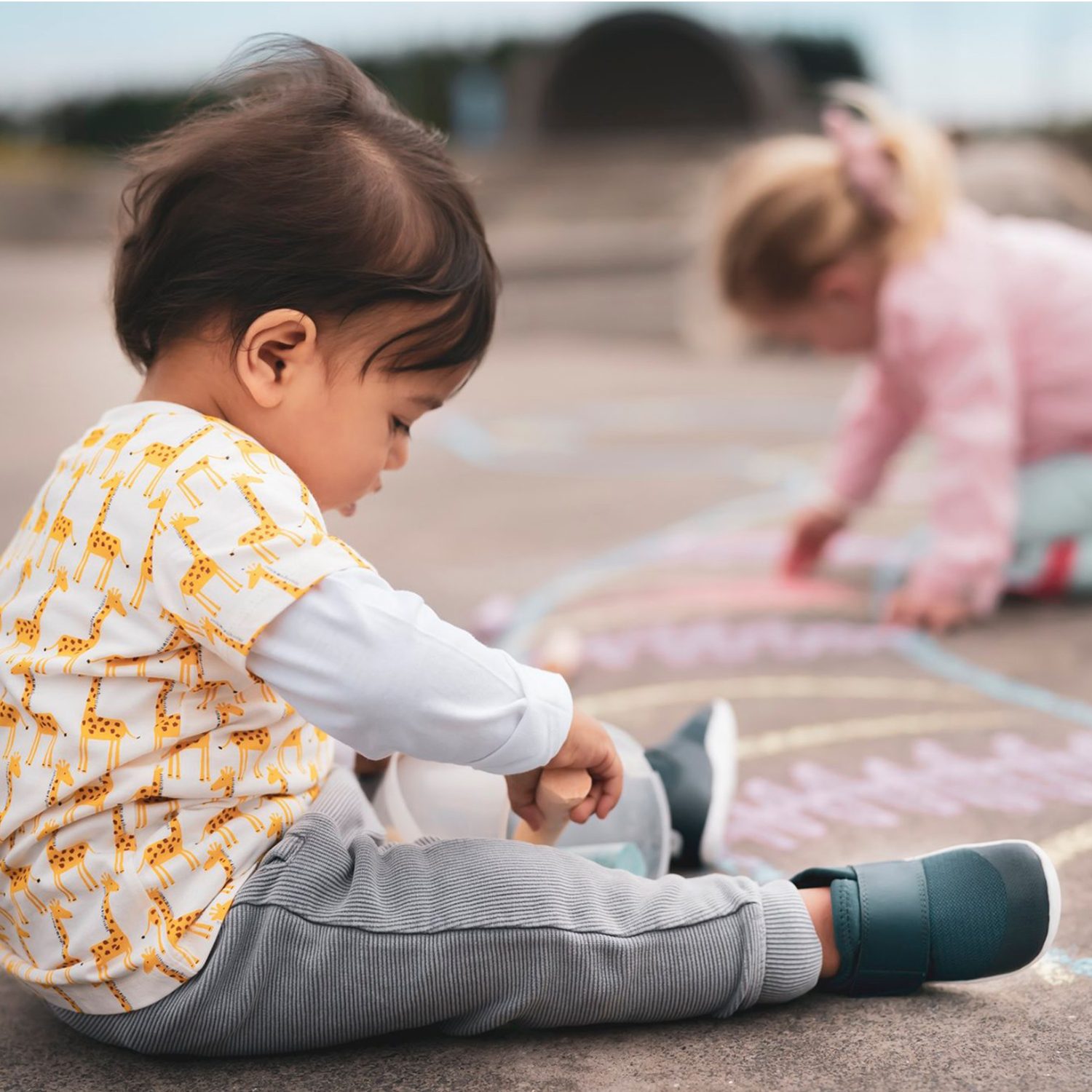
If you can’t wait and still want to get your child their first footwear (especially in winter), choose so-called soft shoes. Their advantage is not only the soft sole, but also the fact they don’t stiffen the ankles in any way, so the foot can move freely. It’s best for your child to practise their first steps in soft shoes at home, on a flat floor.
Once you can see they’re gaining confidence in walking (walking without support and not balancing with their arms), it’s time to go shopping and choose your child’s first proper shoes – also known as prewalkers. In our e-shop, you’ll find them in the Shoes for first steps category.
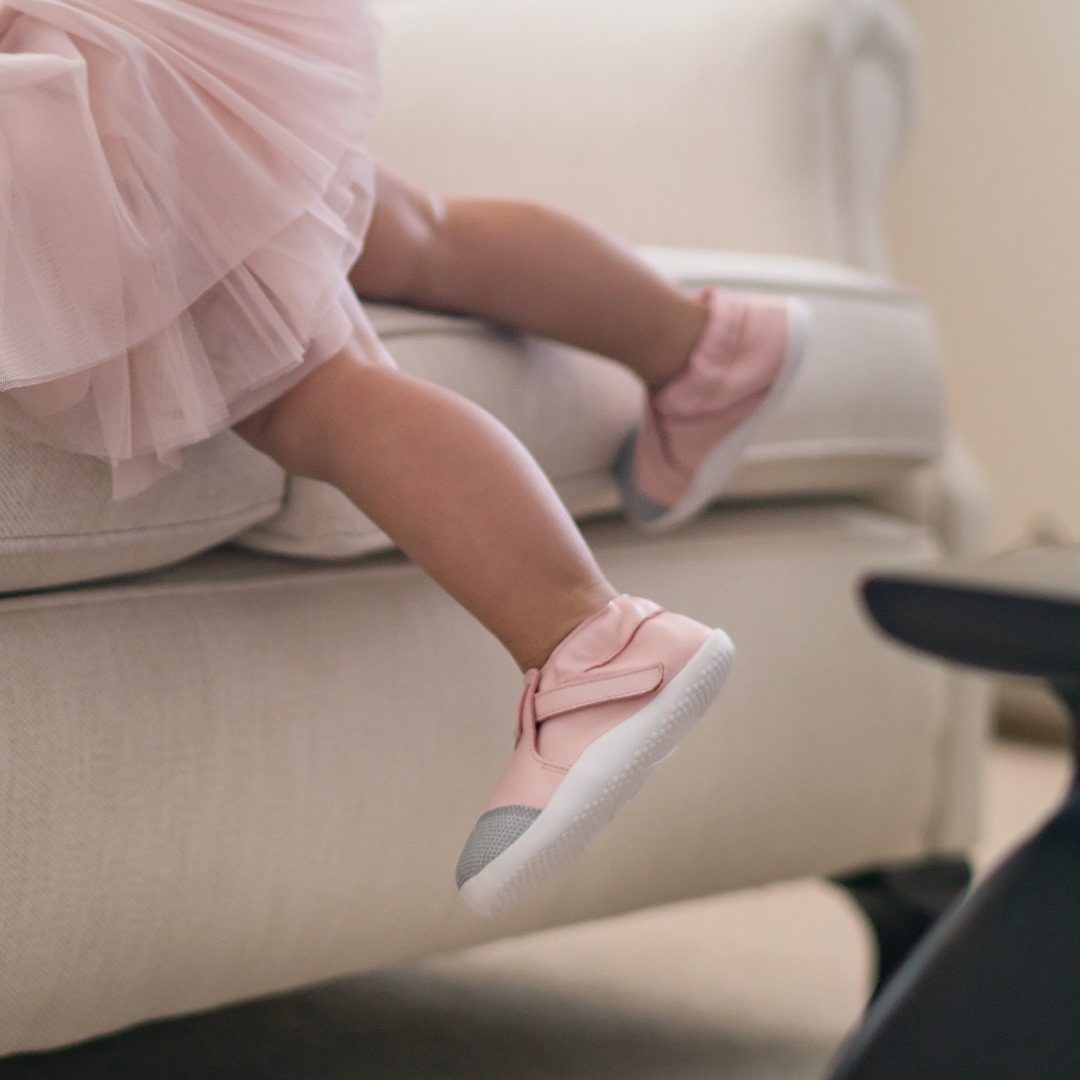
Shoes mustn’t restrict the foot in any way and should be big enough – but not too big. They definitely shouldn’t press across the instep, and they should fit well around the heel. When it comes to sizing, it can vary from brand to brand, because manufacturers often differ slightly in their measurements. To choose correctly, you need to know the most accurate possible foot length and width, ideally also the instep height, and remember to allow for growing room. For first shoes, this should be a maximum of 10 millimetres in length and 2 mm on each side.
If you’re not sure, read our complete guide to measuring children’s feet: Tips and mistakes to avoid or pop into one of our shops, where we’ll be happy to help.
P.S.: One thing you definitely shouldn’t forget – children’s feet grow quite quickly, so measure them regularly to make sure the shoes don’t start to pinch.
Barefoot shoes mustn’t restrict the foot while walking or disrupt its natural development. A raised heel or a narrow toe box, which we mentioned above, should therefore be an absolute no-go. So what features should you look for to recognise the right barefoot shoes?
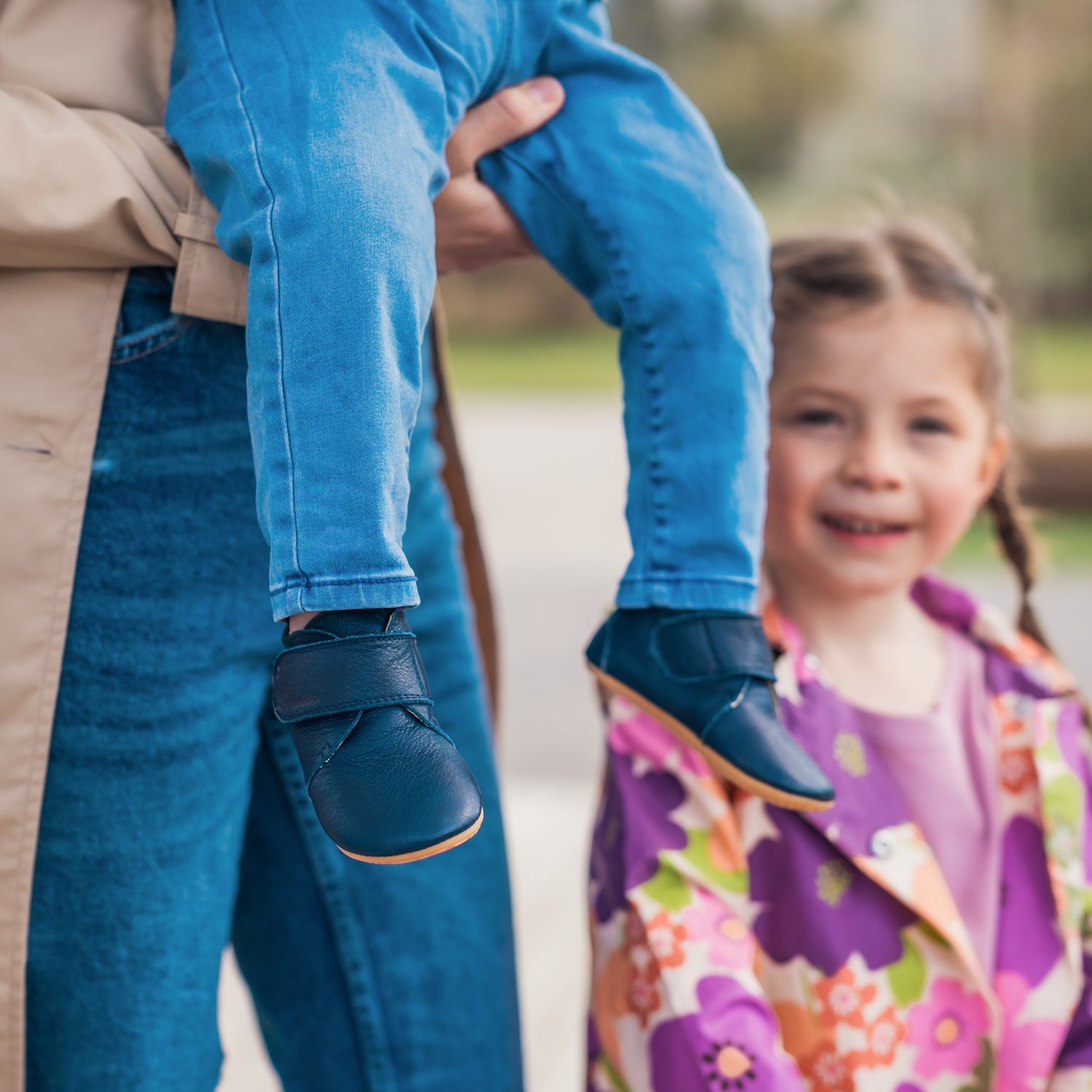
Once you’ve carefully measured your child’s feet, you can get shopping. We’ve picked a few tips for specific brands that will not only look great, but above all help your child learn to walk well.
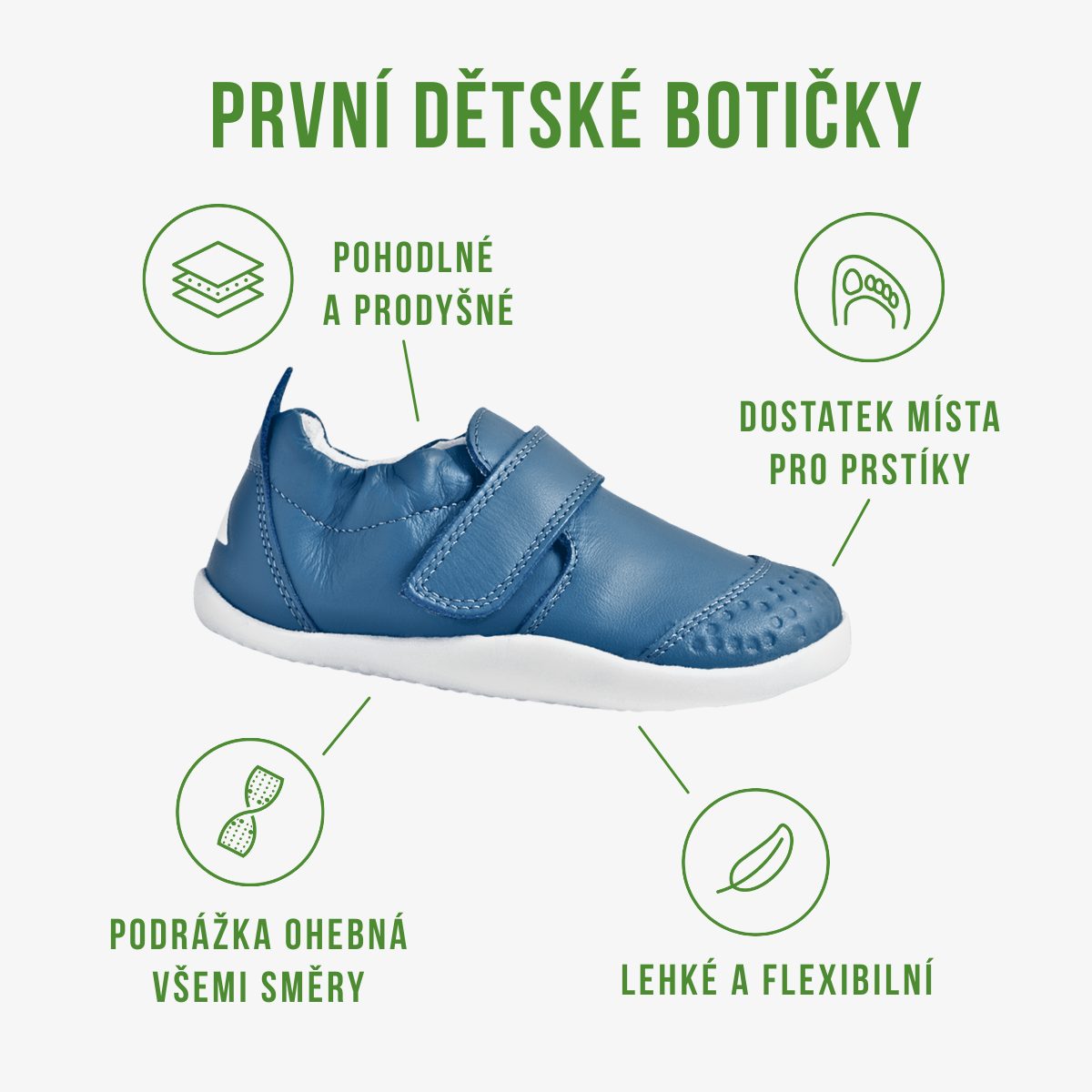
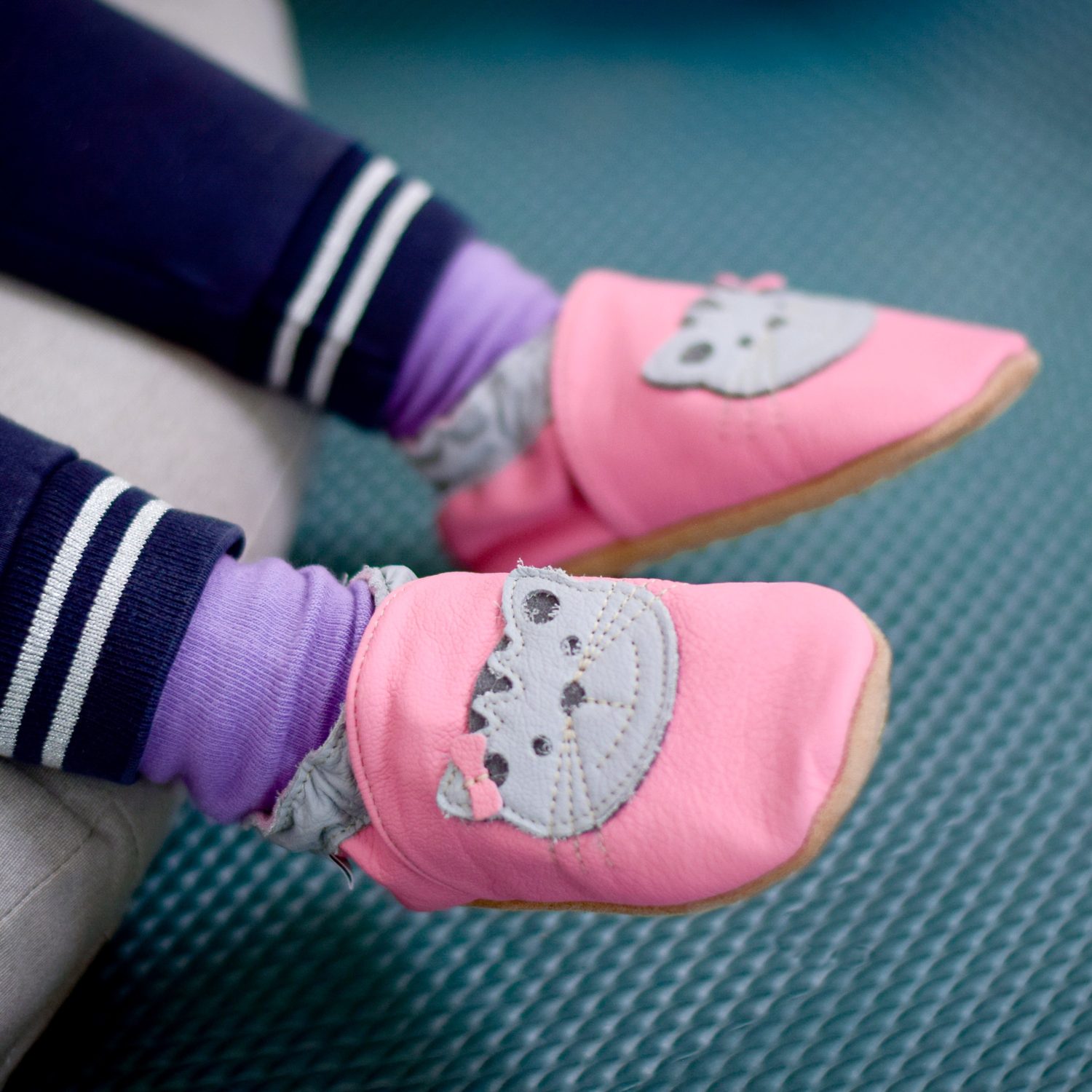
Barefoot soft shoes are lightweight, soft, fully flexible and have plenty of room for the toes. Breathable materials let the skin breathe freely. Simply ideal footwear, especially for indoors, for your toddler’s first attempts and first steps.
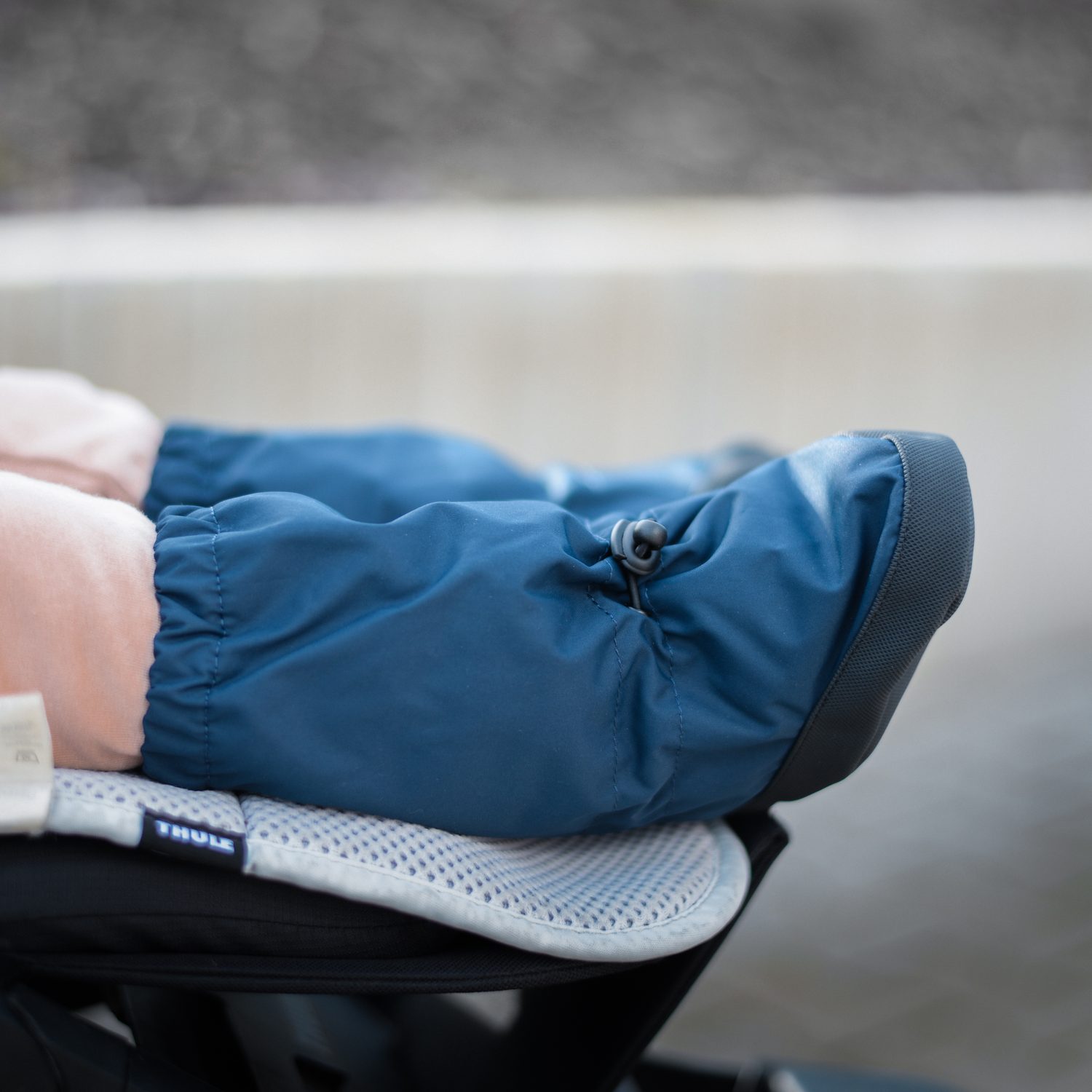
Winter booties are a practical solution to keep children’s feet warm and dry during all winter activities – whether your little explorer is learning to toddle outdoors, spending time in a carrier, or resting in the pushchair. They’re lightweight, soft and designed not to restrict movement.
First shoes (prewalkers) should be very lightweight and flexible, so your child can easily bend them as they walk. And that’s exactly what you’ll find from these brands:
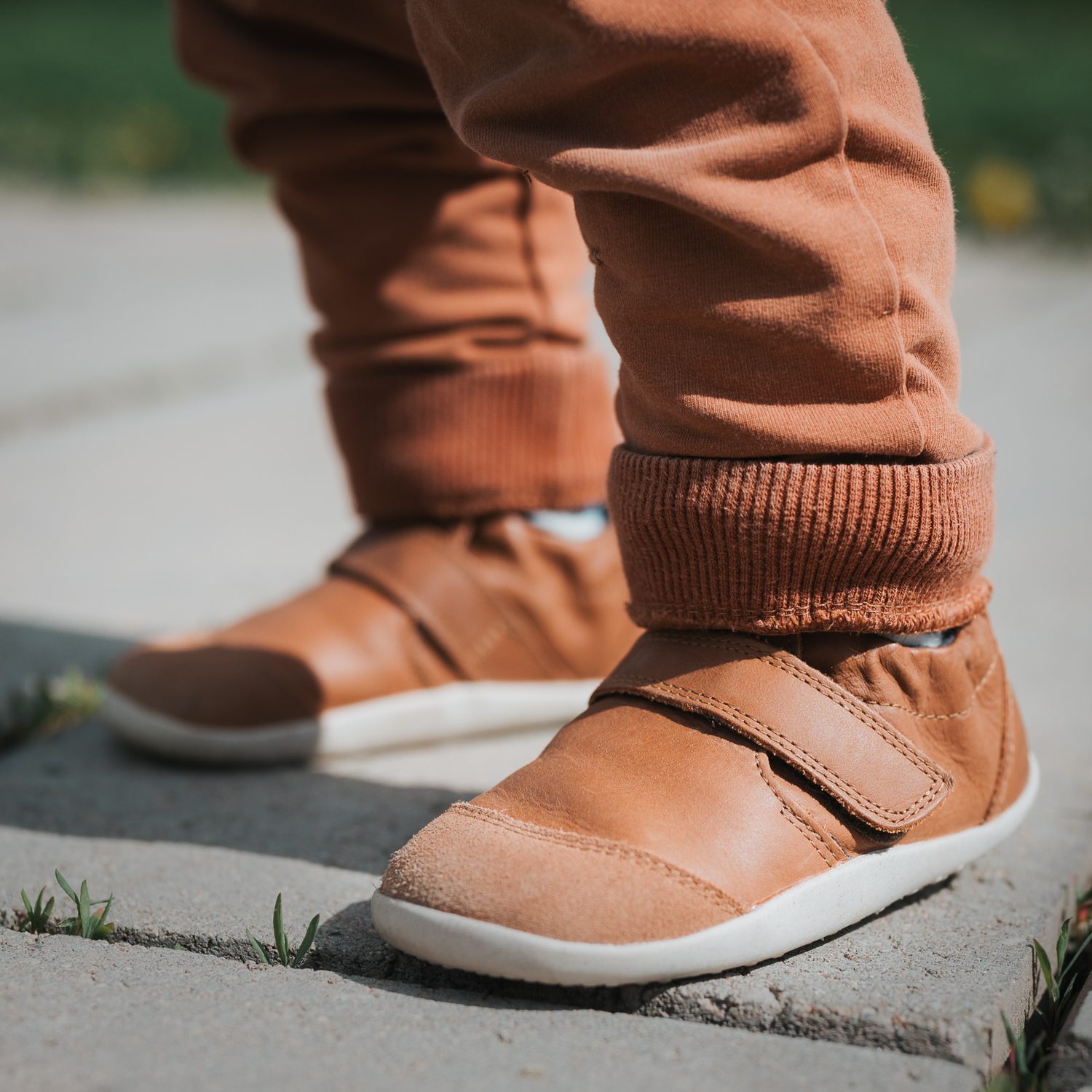
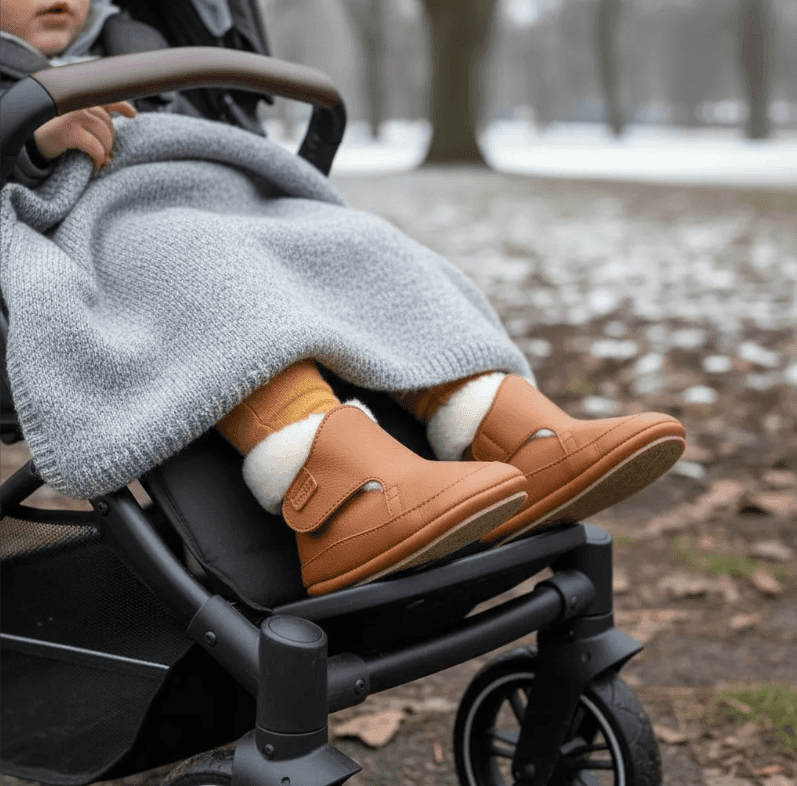
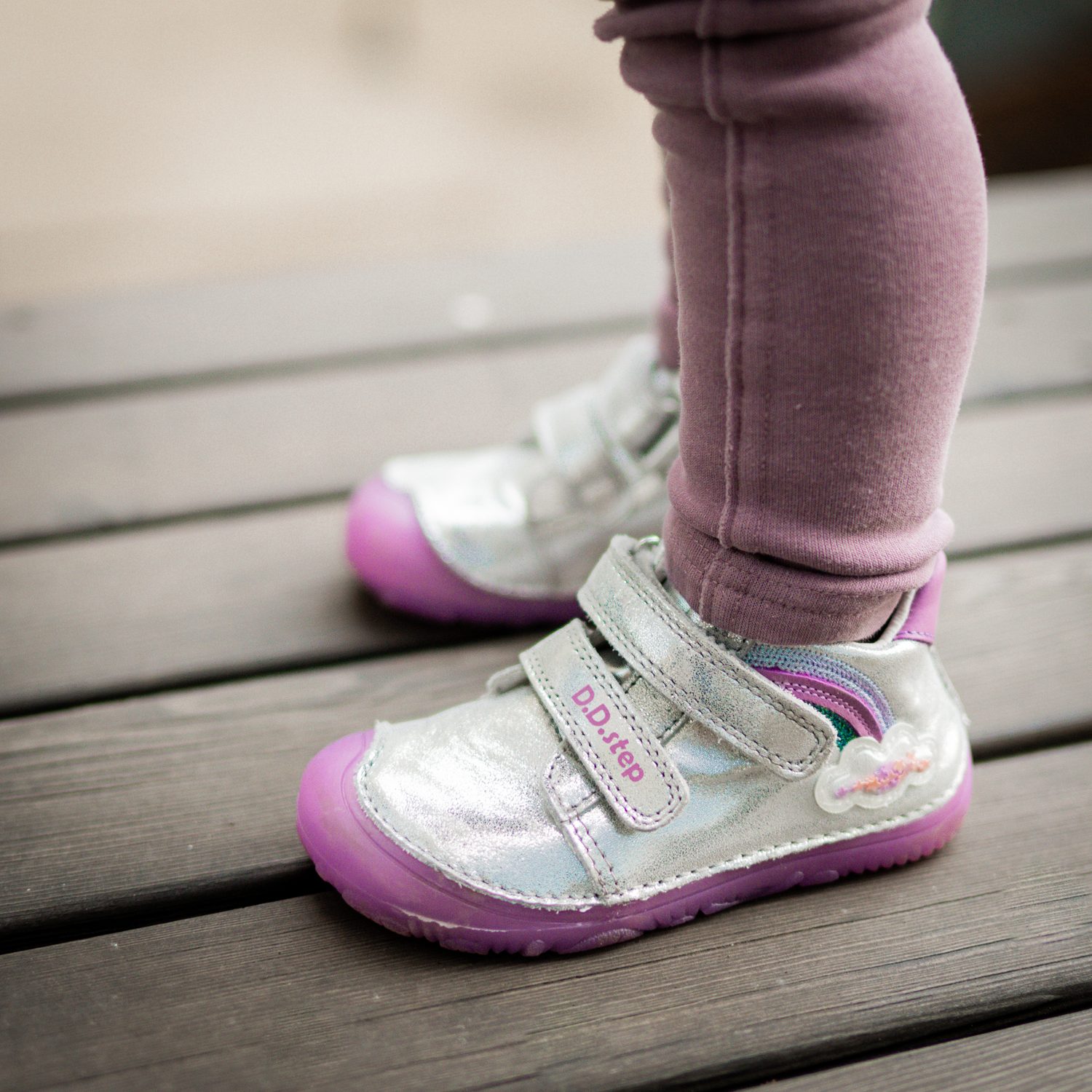
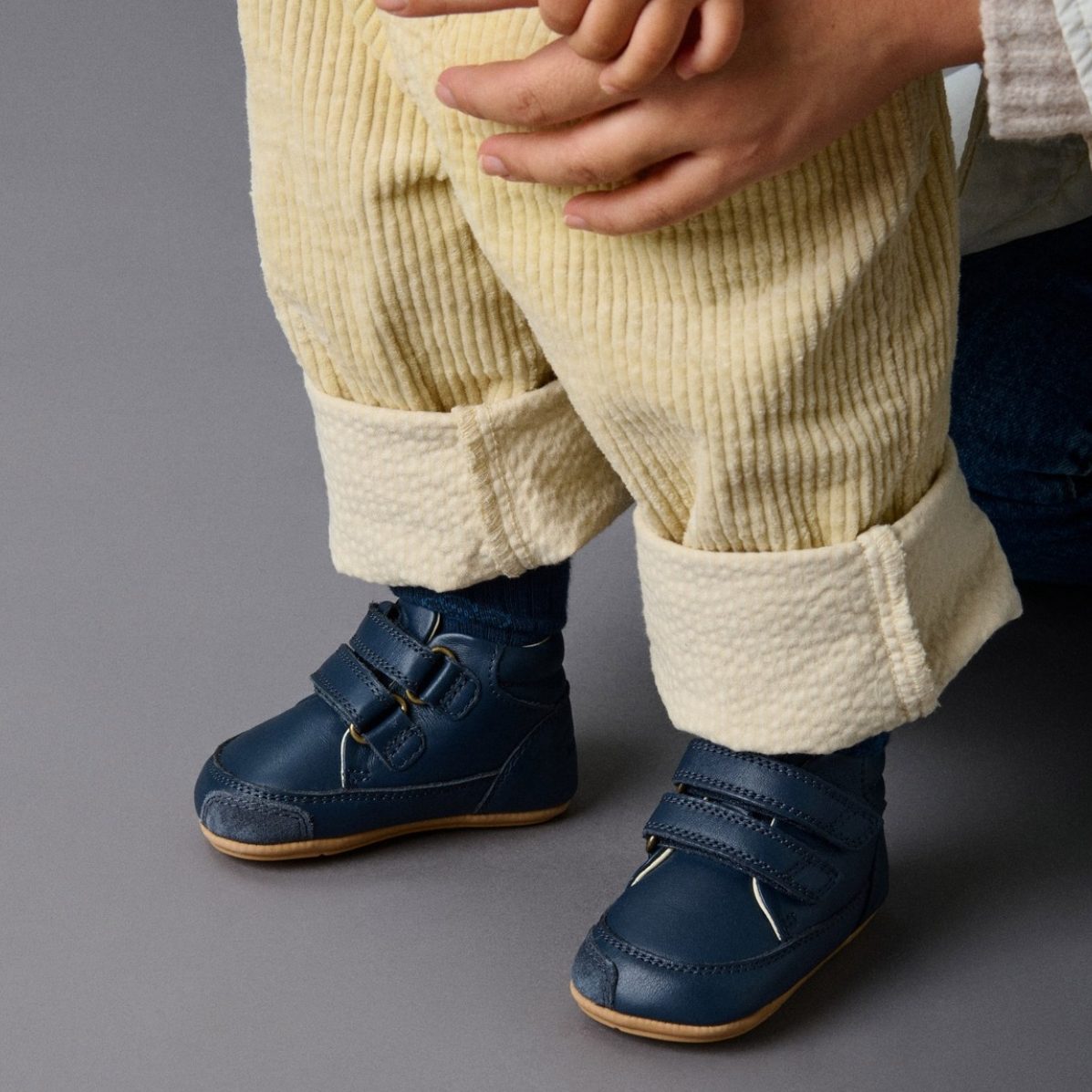
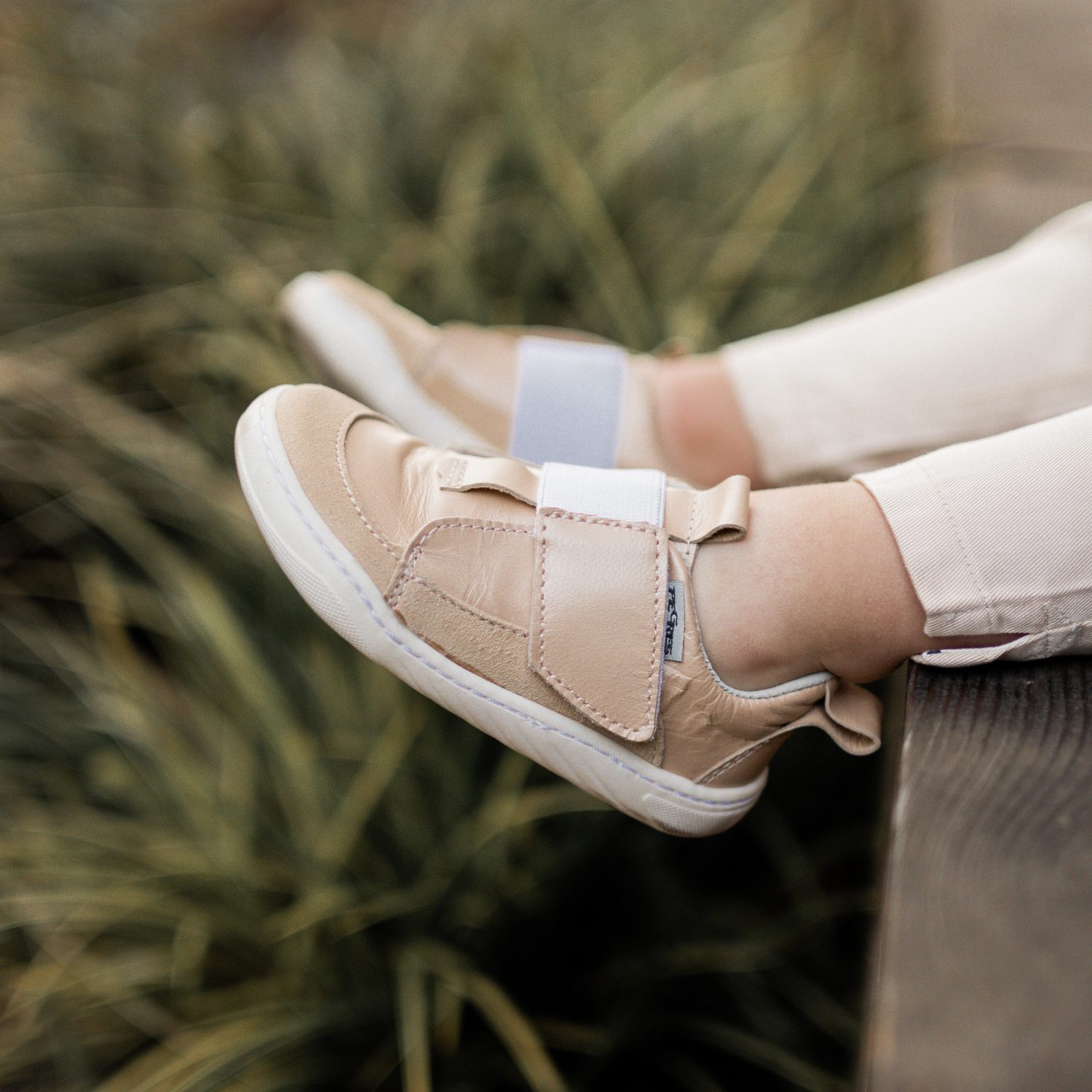
Affenzahn – high-quality, beautifully designed prewalkers, ideal for first steps. They fit medium-width feet and can be tightened well even for a low instep, but they can also handle a slightly higher one. Available in both a leather and vegan version, including all-year-round and winter models with a membrane.
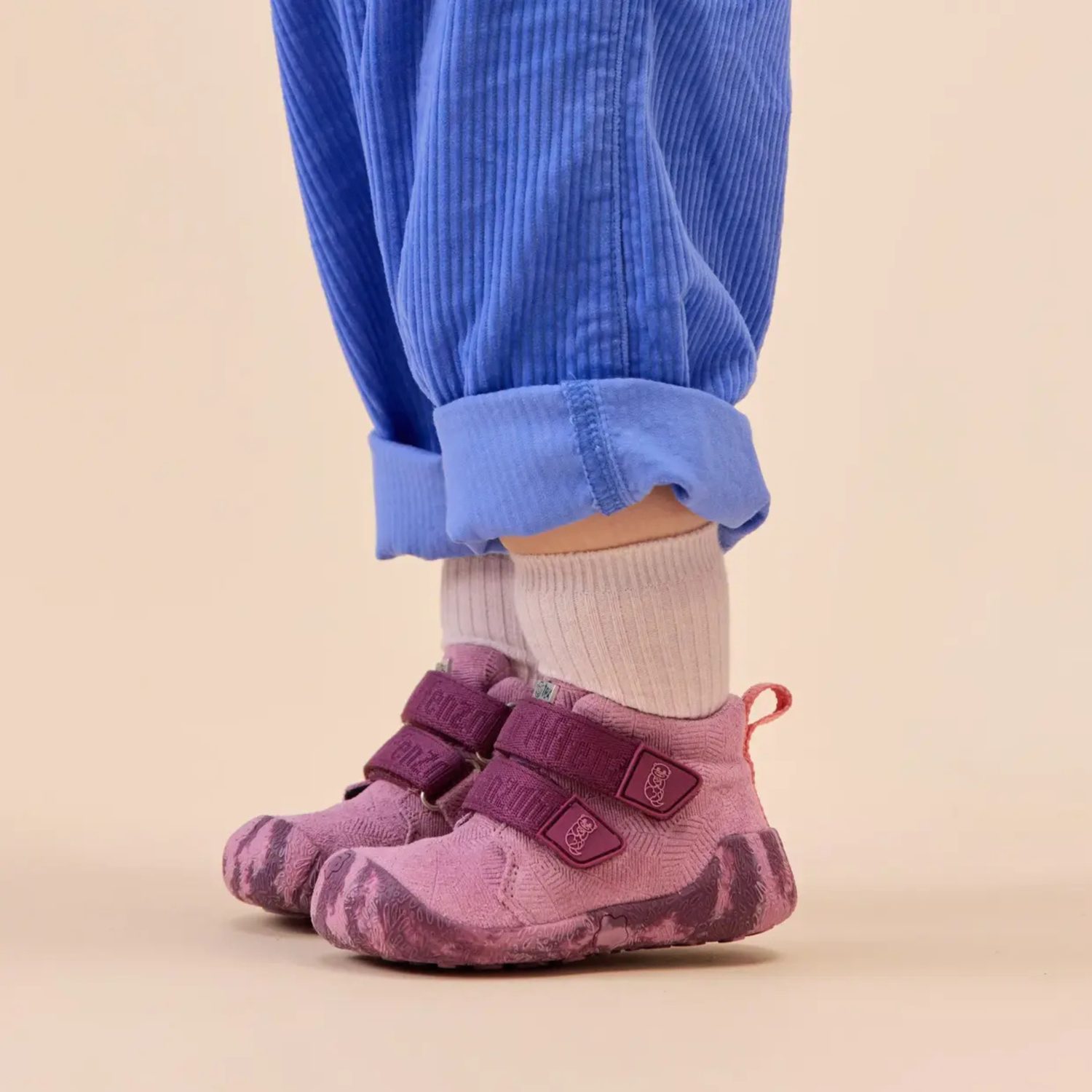
So there’s no need to worry about barefoot shoes for children – they mimic walking barefoot. You can confidently put them on from those very first independent steps. You’ll see for yourself that this investment is worth it and pays off in the form of healthy, strong children’s feet that don’t need any input from a physiotherapist.
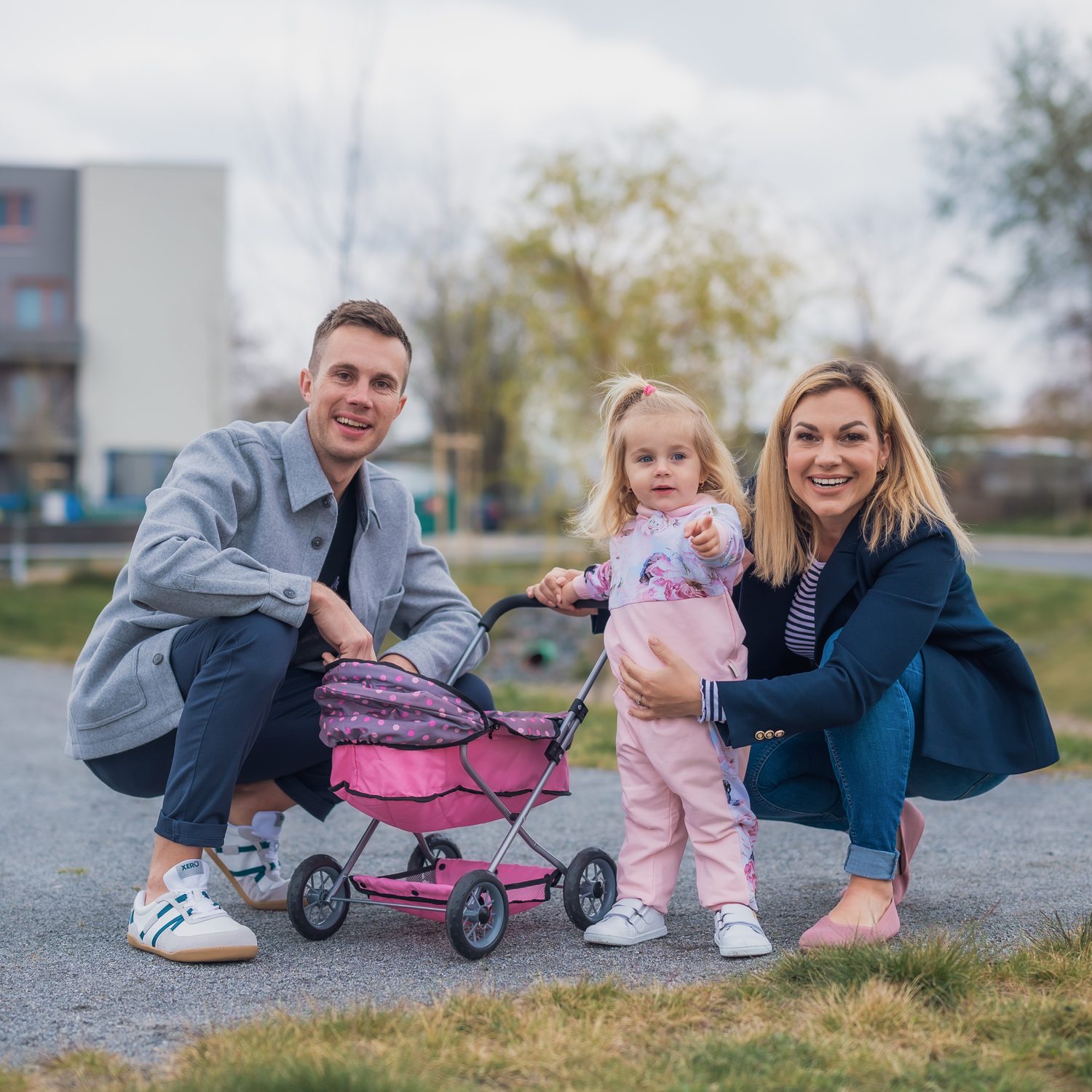
This article was created in collaboration with Bc. Edita Prošková – a podiatrist specialising in acquired and congenital foot conditions in children and adults. Through exercises and podiatric aids, she helps restore impaired foot function, which affects the condition of the entire musculoskeletal system.
What else might interest you on this topic?


 € - US
 Čeština
 English
 Slovenčina
 Magyar
 български
 Polski
 Dansk
Dansk
 Nederlands
 Svenska
 Suomi
Suomi
 Español
 Français
 Slovenščina
 Română
 Português
 Deutsch (DE)
 Deutsch (AT)
 Deutsch (CH)

