We’ll be happy to help via online chat or at: orders@premiumbarefoot.com

Selecting and Maintaining Barefoot Shoes Walking, Movement and Health
When is it worth buying second-hand barefoot shoes, and when is it better to avoid them? Practical tips on what to look out for, with expert advice from podiatrist Bc. Edita Prošková.
Are you wondering whether to buy second-hand barefoot shoes? It can be a brilliant idea – you’ll save money and help the environment at the same time. But not every pre-worn pair is a good choice for your feet or your children’s growing feet. Let’s take a look at how to tell which shoes are worth it, and which ones you’re better off avoiding.
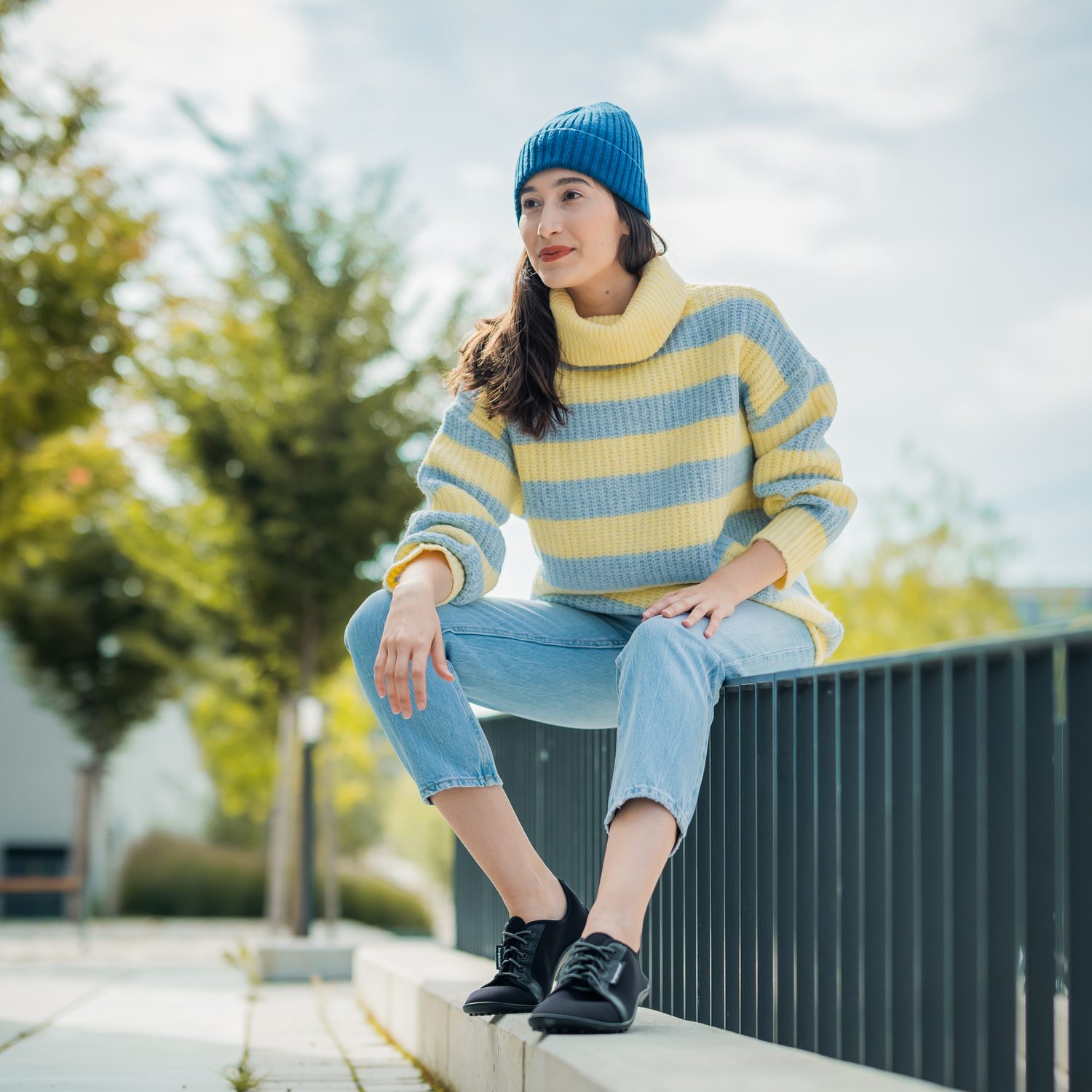
Let’s be honest – barefoot shoes aren’t cheap. For adults, it can mean an investment of thousands of crowns, and once you add fast-growing children’s feet into the mix, the cost quickly adds up. For many people and families, buying brand-new barefoot shoes for everyone is simply a luxury they can’t afford.
But that doesn’t mean you should wear – or buy for your children – just anything. Quite the opposite! If you care about the health of your feet and the healthy development of your children’s feet, buying second-hand can be a great solution. For a fraction of the original price, you can get quality barefoot shoes that offer the same comfort and natural shape for healthy foot development as new ones.
What’s more, buying second-hand helps the environment and supports more sustainable consumption. It’s a win-win – as long as you do it properly.
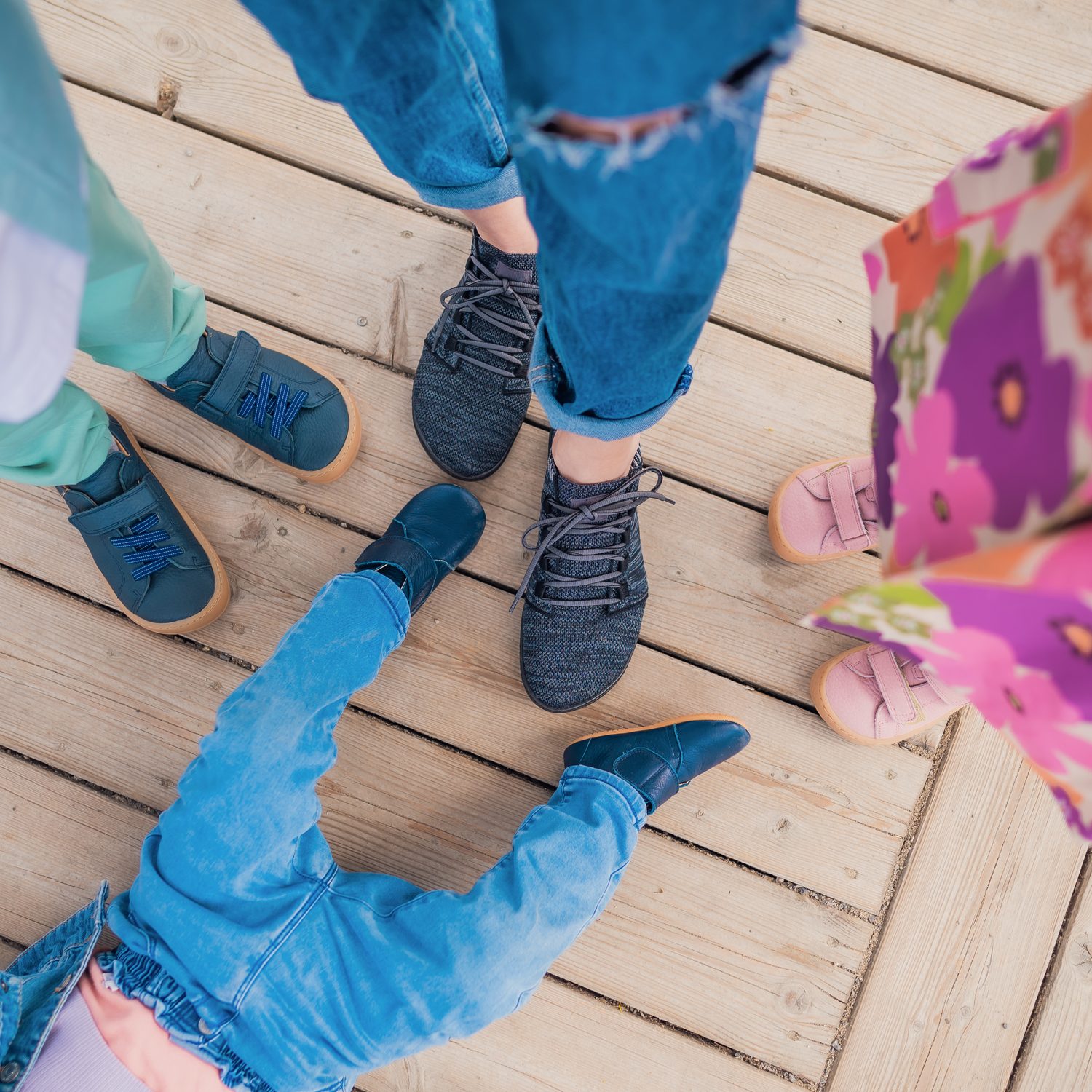
Nothing to think about here – if you come across unworn barefoot shoes at a good price, go for it. Of course, as long as they have the right shape and size. Then they can go straight in your basket!
Sometimes shoes just don’t fit – whether for an adult or a child – or children grow faster than you expect. These can be a great buy, but always ask for photos of the outsole (the bottom of the sole), which should look almost like new, the heel counter so you can check its shape, and also the insoles and inside of the shoe to make sure everything is clean and undamaged.
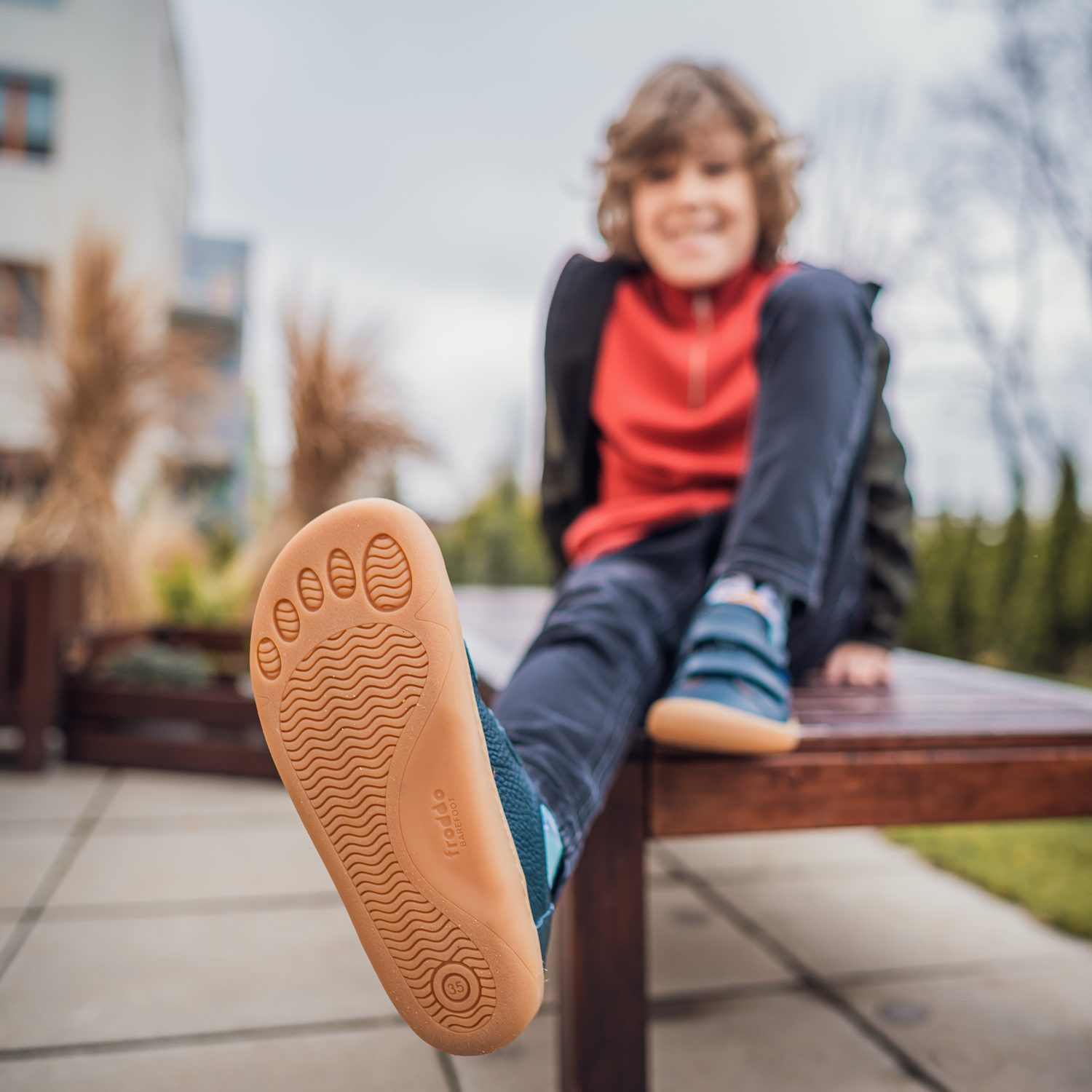
If the shoes have been worn for a while, it doesn’t automatically mean they’re a bad choice. But you should definitely inspect the photos carefully – or, if you’re collecting in person, take a proper look at the shoes. What exactly should you focus on?
As advised by Bc. Edita Prošková, a podiatrist specialising in foot problems: the outsole (the bottom of the sole) shouldn’t be worn down more on one side, scuffed along the inner edge of the foot, or in the area of the transverse arch, under the toes where the foot bends.
A little wear on the edge of the heel is fine, but if it’s very noticeable or asymmetrical (more on one side), it’s not a good choice. Most often, this kind of damage comes from children’s playground slides or balance bikes, or it can be a sign that the shoe didn’t fit the first owner properly at the heel.
Look at the shoe from behind – the heel counter should be straight, perpendicular to the ground. If it leans to one side, it means the first owner didn’t walk properly in the shoes. And that’s definitely not something you want to pass on to your feet or your children’s feet.
Check whether any mould has appeared inside. This happens mainly with shoes that have been stored for a long time in a damp environment or weren’t dried properly.
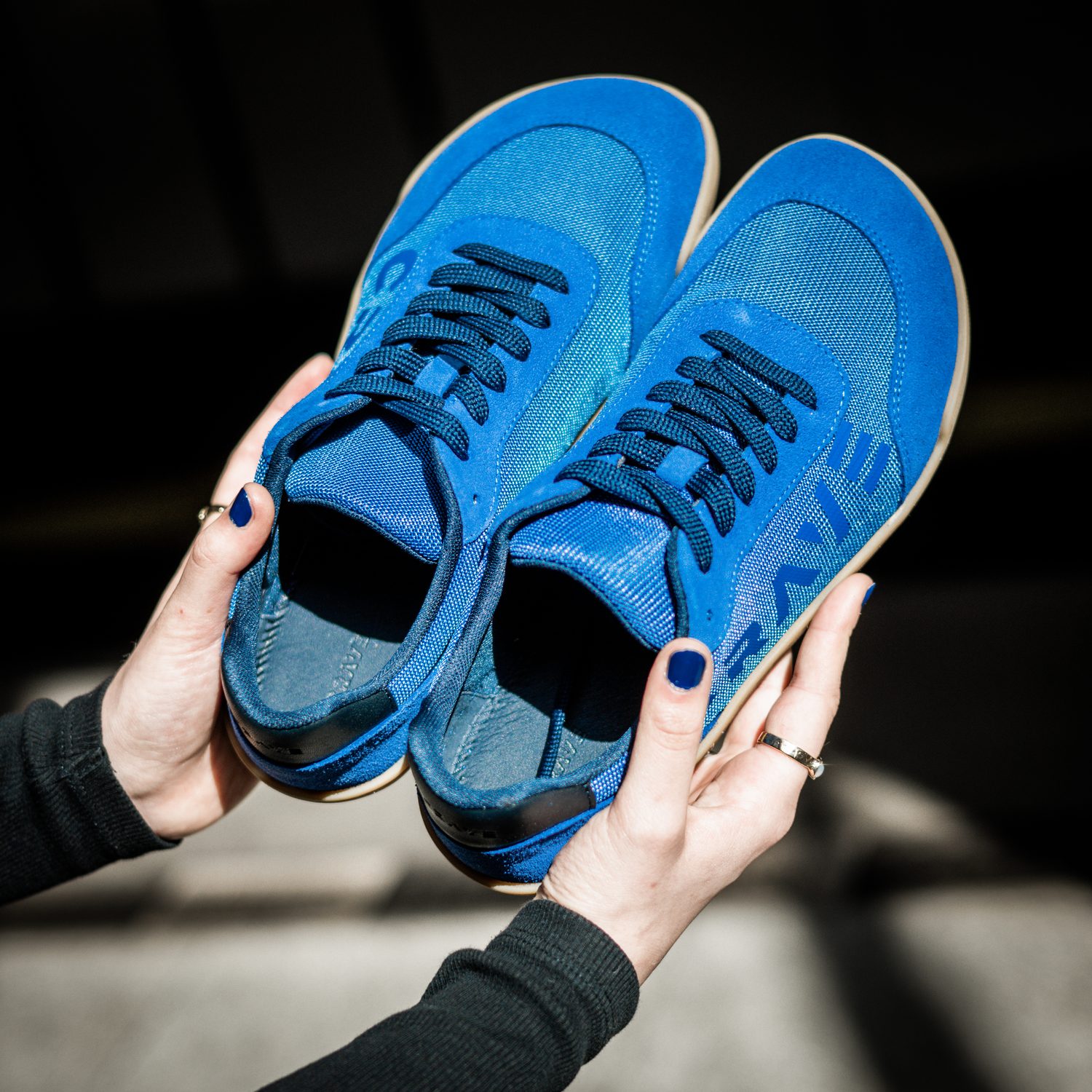
If the listing explicitly says “for finishing off”, it means the shoes have already seen better days. For healthy foot development, that’s not an ideal choice.
With standard high-street shoes and “compromise” footwear, a big issue is the internal structure of the sole. As Bc. Edita Prošková explains: “The sole has a grid inside it, which gets compressed according to the first owner’s gait. So it can be more worn under the heel, more to one side, etc.”
What does that mean for you? This kind of shoe then tends to guide the new owner into the same movement patterns. And that’s the last thing you want!
With proper barefoot shoes, you shouldn’t find this internal grid. That’s one of the reasons why second-hand barefoot shoes are a much better choice than standard footwear.
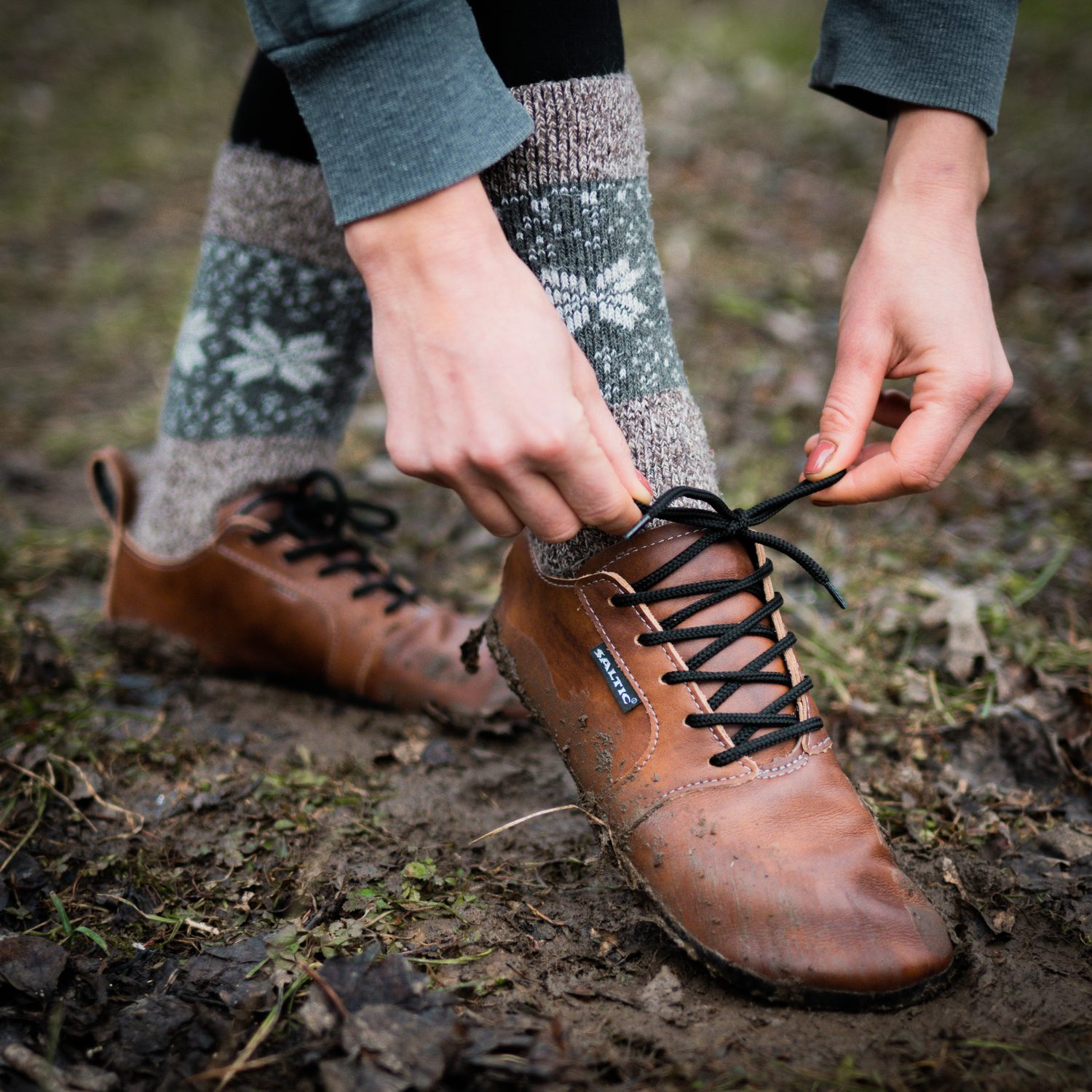
Before you buy, always ask yourself these questions:
How often will you wear them? If they’re meant to be everyday shoes you’ll have on for several hours a day, be especially careful when choosing. The more time you spend in them, the more important their quality and condition become.
What’s the overall condition of the shoe? Look at the outsole, the heel counter and the inside. Even small details can tell you whether the shoe is worth it.
What type of shoe is it? Is it a true barefoot shoe, or a compromise shoe? With second-hand compromise footwear, the risk of taking on the first owner’s poor movement patterns increases significantly.
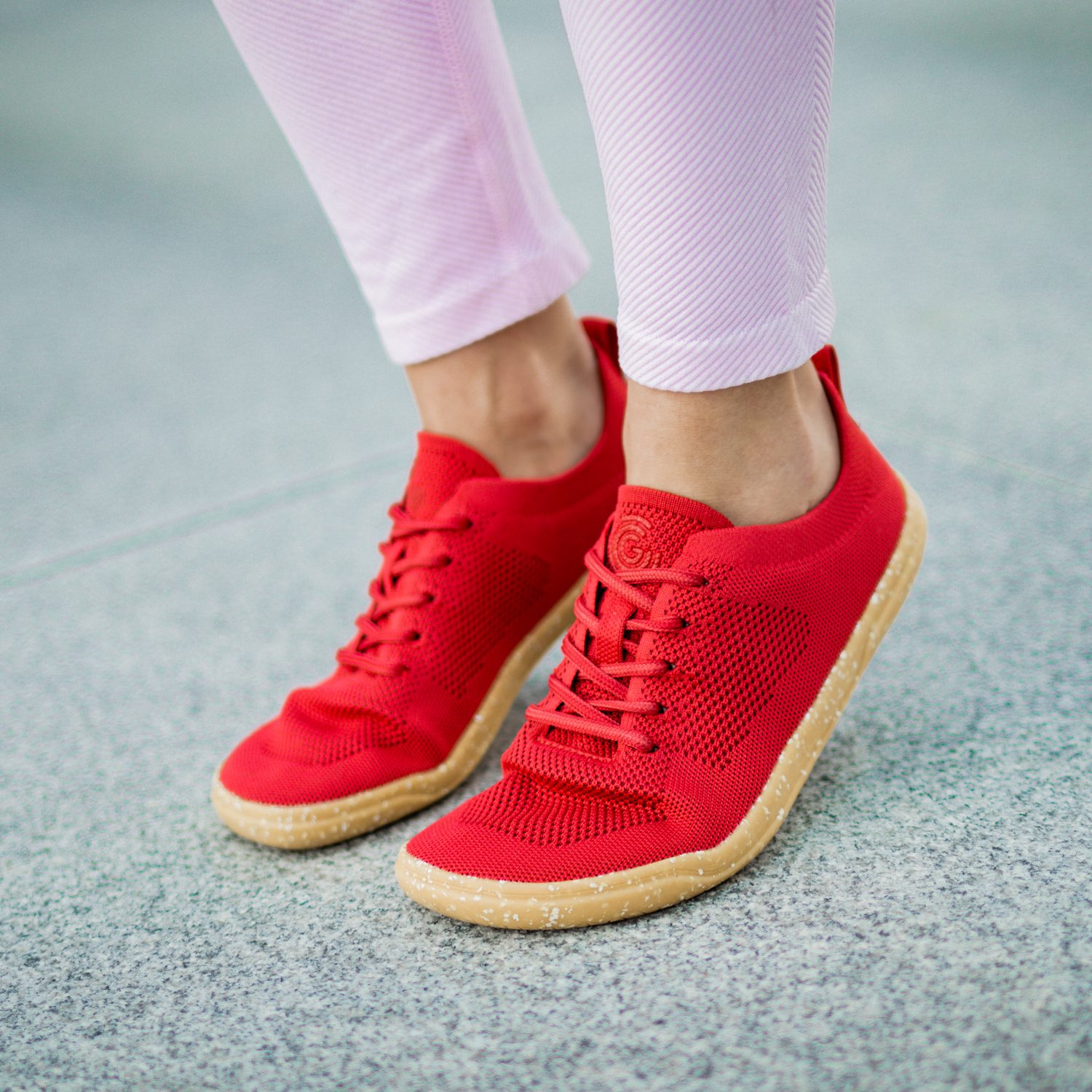
✓ Yes, without worry:
✓ Yes, but always ask for photos:
✗ Better not:
Buying second-hand makes sense – for your wallet and for the planet. Just take a moment to check them properly, and your feet (and your children’s feet) will thank you. And if you’re not sure, feel free to ask in a community of people who have experience with barefoot shoes.
In any case, it’s true that quality second-hand barefoot shoes in good condition are still a much better choice than new standard shoes at a similar price. Investing in the right footwear pays off – whether it’s new or second-hand.
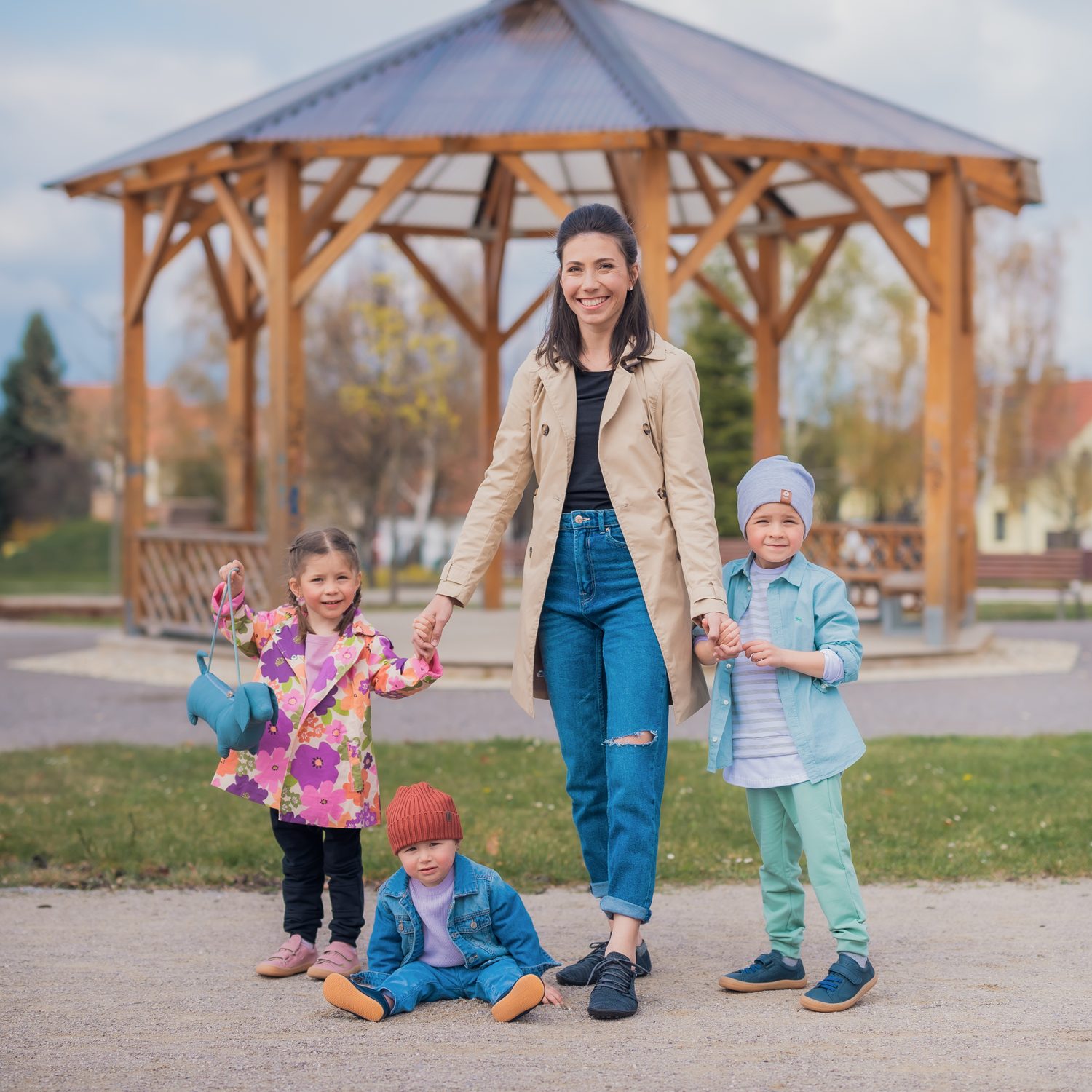
This article was created in collaboration with Bc. Edita Prošková – a podiatrist who works with acquired and congenital foot problems in both children and adults. Through exercises and podiatric aids, she helps restore impaired foot function, which affects the condition of the entire musculoskeletal system.
What else might interest you on this topic?


 € - US
 Čeština
 English
 Slovenčina
 Magyar
 български
 Polski
 Dansk
Dansk
 Nederlands
 Svenska
 Suomi
Suomi
 Español
 Français
 Slovenščina
 Română
 Português
 Deutsch (DE)
 Deutsch (AT)
 Deutsch (CH)

