We’ll be happy to help via online chat or at: orders@premiumbarefoot.com

Selecting and Maintaining Barefoot Shoes Walking, Movement and Health
What should you focus on when choosing your first barefoot shoes? Tips from the sole to the lacing. What your first steps will be like — and what might catch you out.
Walking well is a real skill. Try looking around and, for a moment, really watch how people walk and place their feet. You’ll soon notice that one person lands on their toes, another on their heels; someone wears their shoes down on the inside, someone else on the outside. You might think it doesn’t matter — but it does. And above all, it’s about your health. All of these factors can lead to health issues not only in your feet, but throughout the body. Especially when you realise you spend whole days in shoes.

But that won’t be your case — because the very fact you’re thinking about barefoot footwear and reading this article means you want to change something. A brilliant decision. Let’s introduce you to barefoot shoes so you can choose the right pair — one that fits your feet, your eye and your heart.
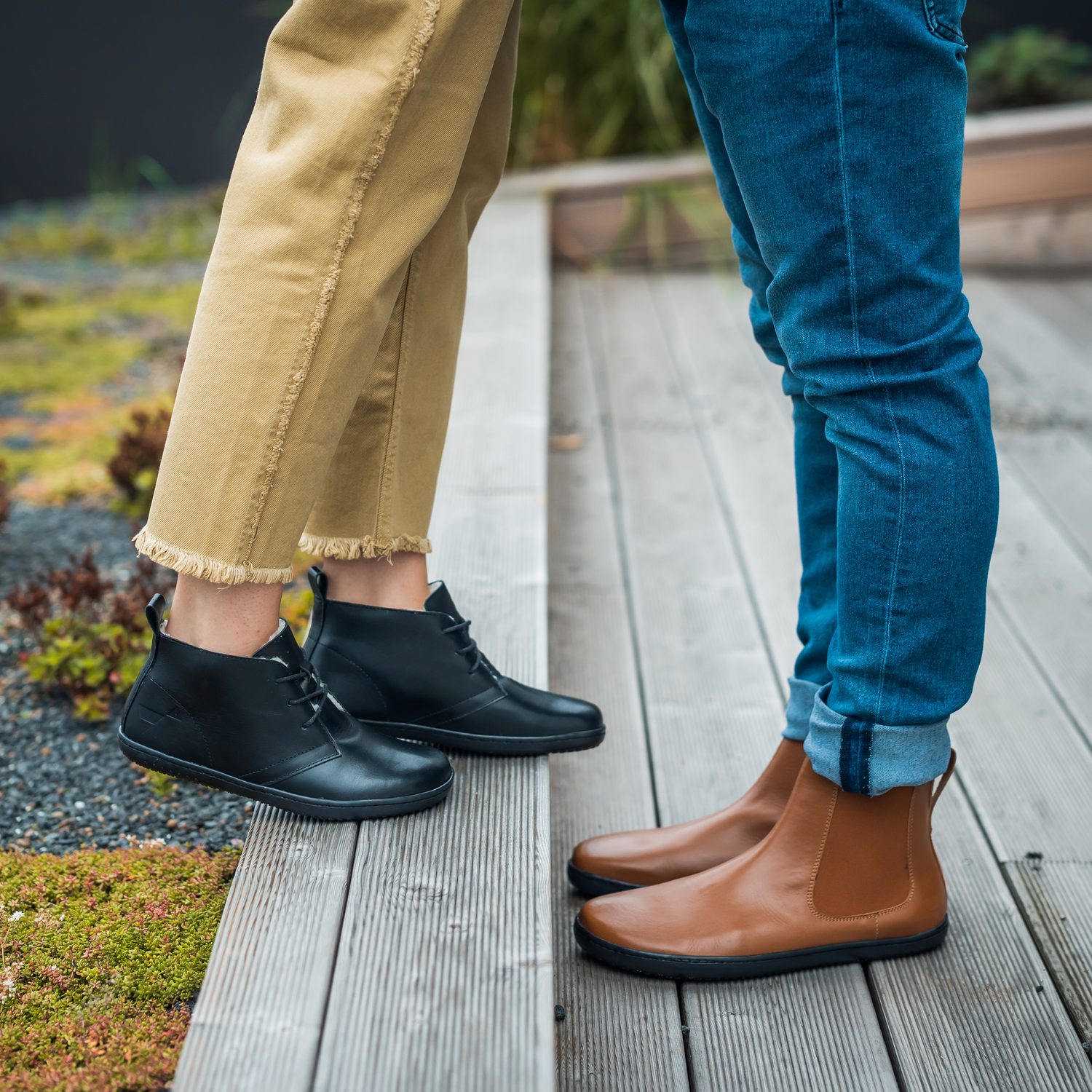
It might surprise you, but at first glance you often can’t even tell it’s barefoot. Just like with conventional footwear, there’s a huge range of styles — and it’s easy to find shoes for the office, for the outdoors and for sport; sandals, trainers, all-year shoes, winter styles with a cosy lining, or comfy slippers.
However, every proper barefoot shoe has these features — pay extra attention to them when choosing:

It’s completely natural that when choosing shoes, the first thing most of us look at is the design. If a shoe doesn’t fit your eye, it won’t fit your foot — simple as that. Just as important is the material, whether you prefer leather, synthetic polyester options, or natural or vegan materials such as linen, cotton and technical hemp.
Material plays a major role in the sole too — more precisely, the outsole. Its thickness will influence how you walk, so choose carefully. For barefoot beginners, thicker outsoles are often recommended — 4 or 5 millimetres. You’ll find these, for example, from the Czech urban-shoe brand CRAVE, the German brand GROUNDIES or the sporty XERO SHOES. If you want to jump straight to a thinner option, a good middle ground is 3 millimetres — for instance from the Czech brand ANGLES or the trainer-focused SALTIC.
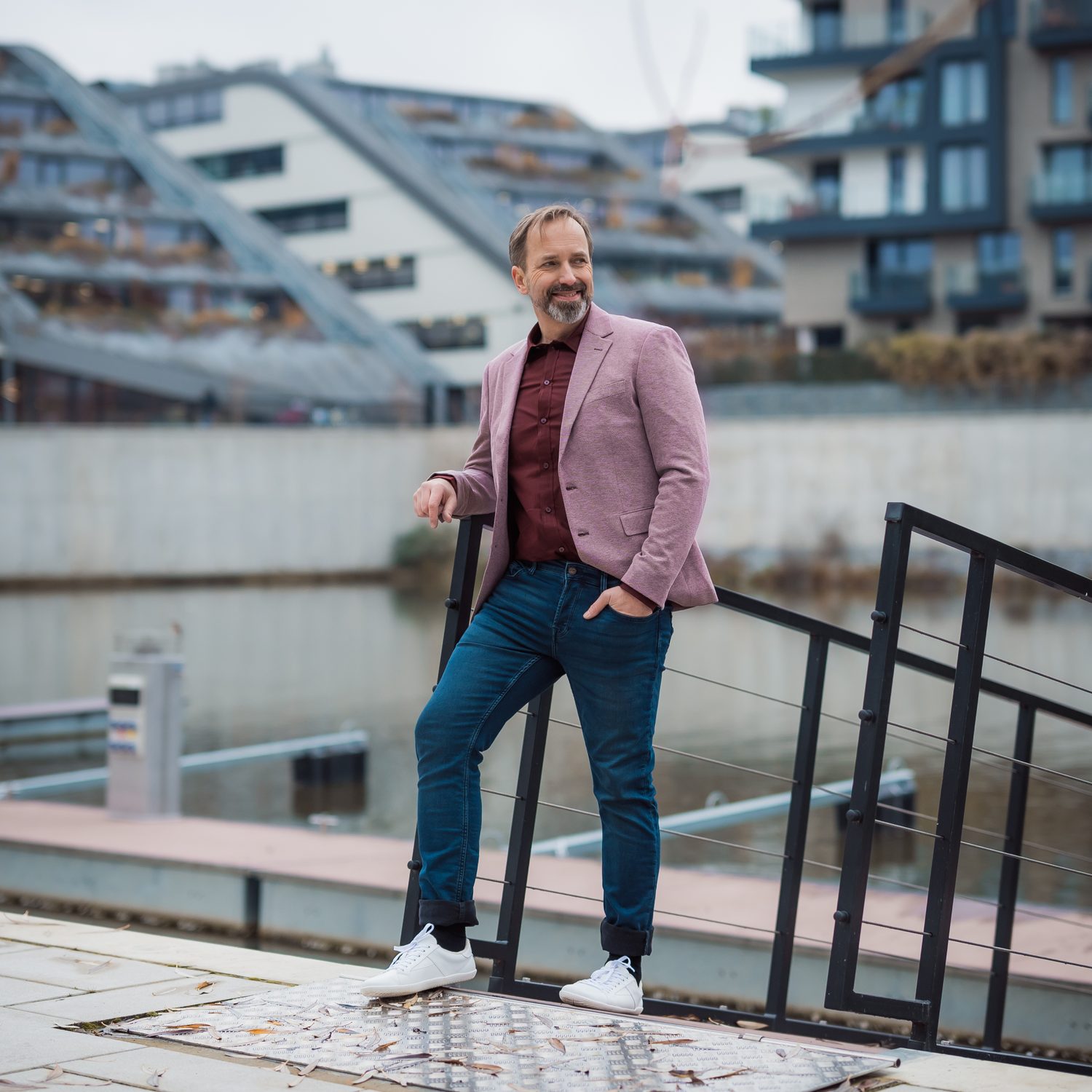
The shape is just as important. The shoe should hug your foot nicely, but still leave enough freedom to move. Different barefoot shoes have different insole lengths and widths, so a size 39 from one brand may not fit the same as a 39 from another. That’s exactly why it’s crucial to know your true size — by measuring your feet yourself. You can learn how in our article How to measure your foot properly — and why you need extra toe allowance.
Fastenings — laces, a zip or elastic — create the look and also serve an important purpose. Choose footwear that adapts to your foot, not the other way round. Firm fastenings and zips usually don’t offer much adjustability, which is fine in most cases. But if you have a high instep, deal with swelling, or have joint deviations, it’s better to choose laces or elastic.
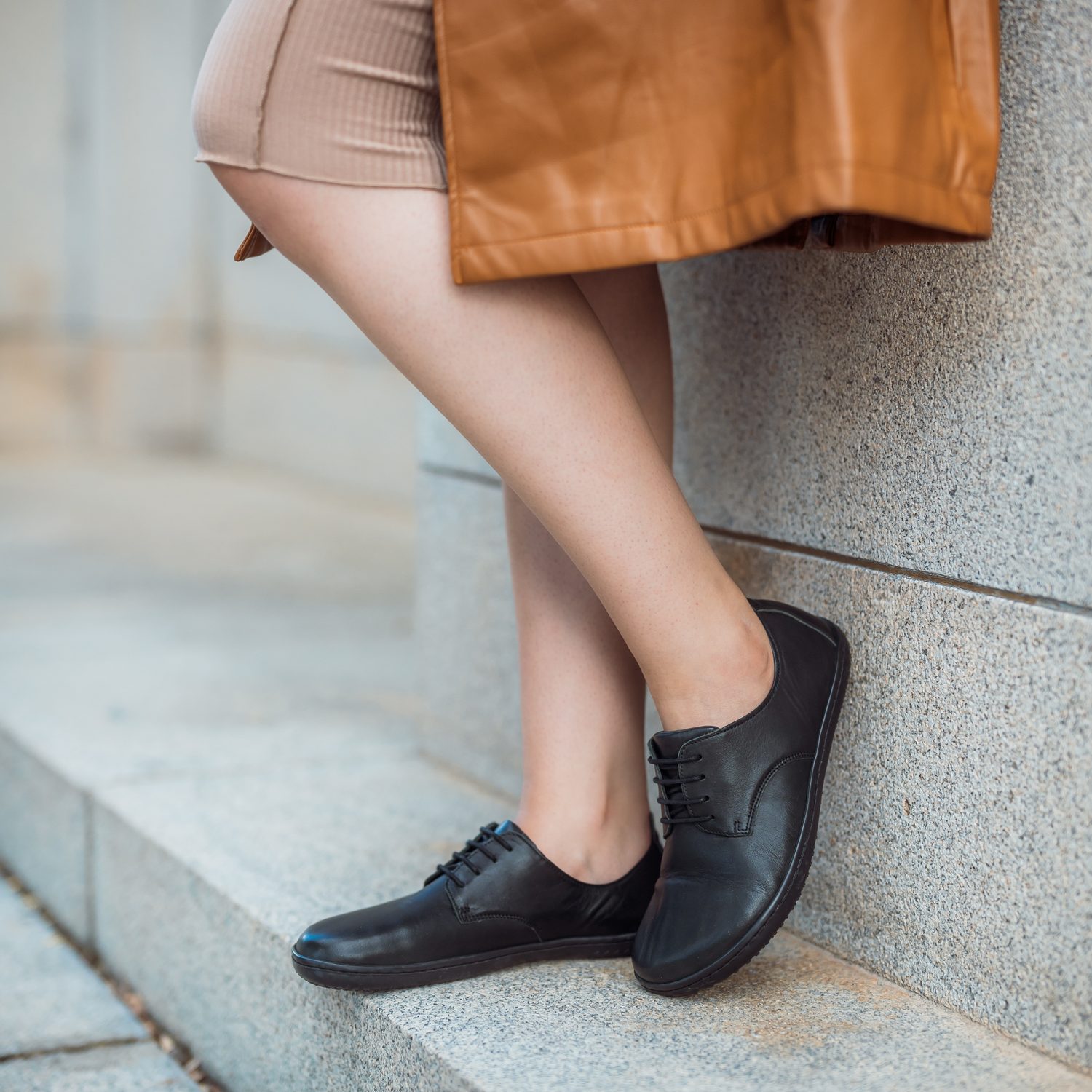
Try them on, try them on, try them on. The ideal option is to visit a specialist barefoot shop, play Cinderella and test as many types of shoes as possible. In every shop you’ll be greeted by helpful staff who can give you excellent, expert advice. You can find a list of our shops on the website.
That said, in today’s online world it’s tempting to order without trying — and it either works out or it doesn’t. Online shopping is absolutely fine, but then pay even more attention to choosing the right size and shoe shape, and measure both of your feet properly (yes, it really is important to measure both). Every barefoot brand has its own size chart, so it’s worth taking the time to carefully compare the outlines of your feet with the numbers in the charts. And don’t forget to add extra toe allowance.
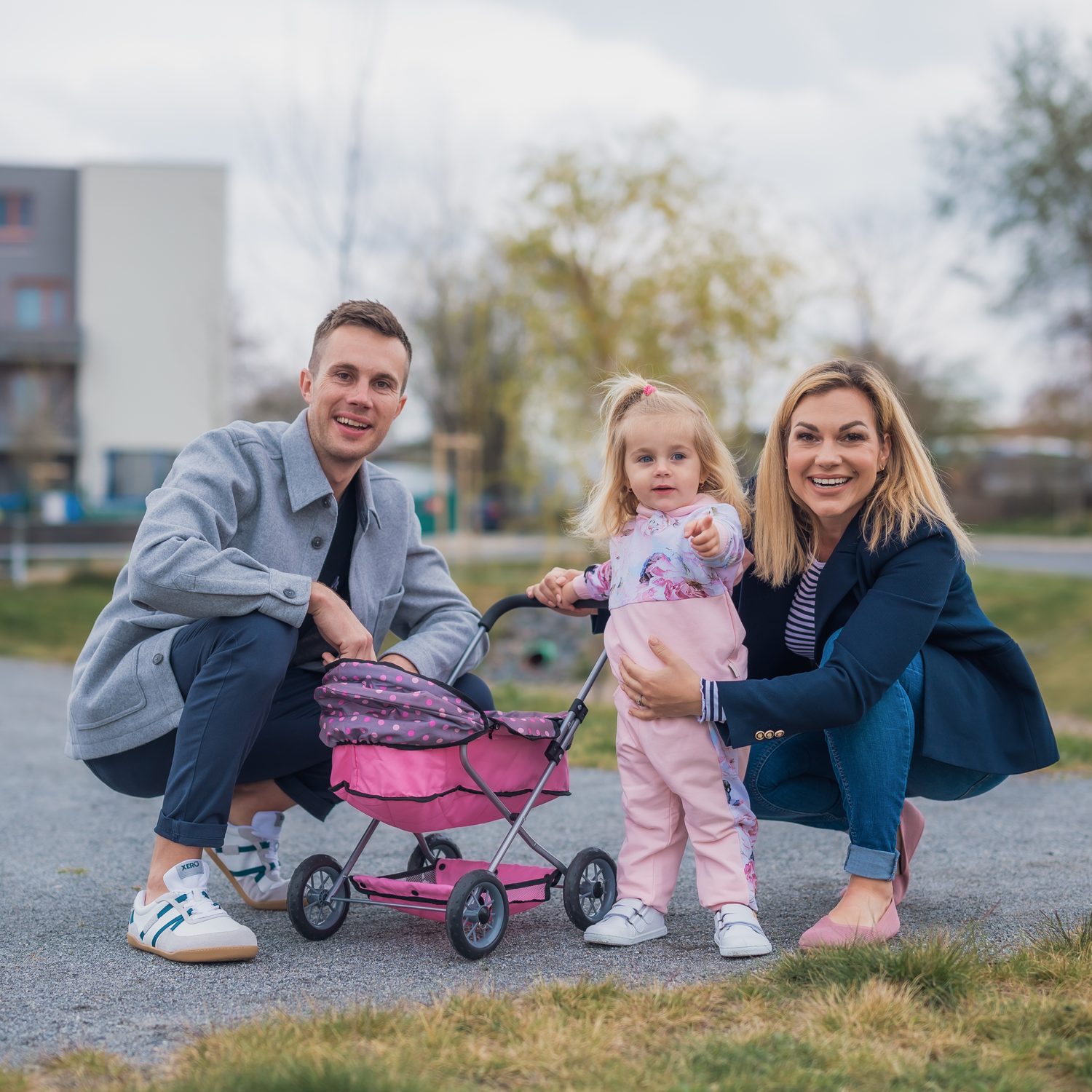
The next step is choosing a suitable material you genuinely like — especially with your most common routes, walking destinations and the season in mind. Considering any niggles you may have when walking, putting shoes on and taking them off, think through the right fastening — or none at all.
And then? The most important thing — and where everyone starts anyway: colour and style that go with your wardrobe and make you smile.
Choosing children’s barefoot footwear is especially important and sensitive, which is why we give it special attention in the article How to choose children’s barefoot (naBOSo) shoes.
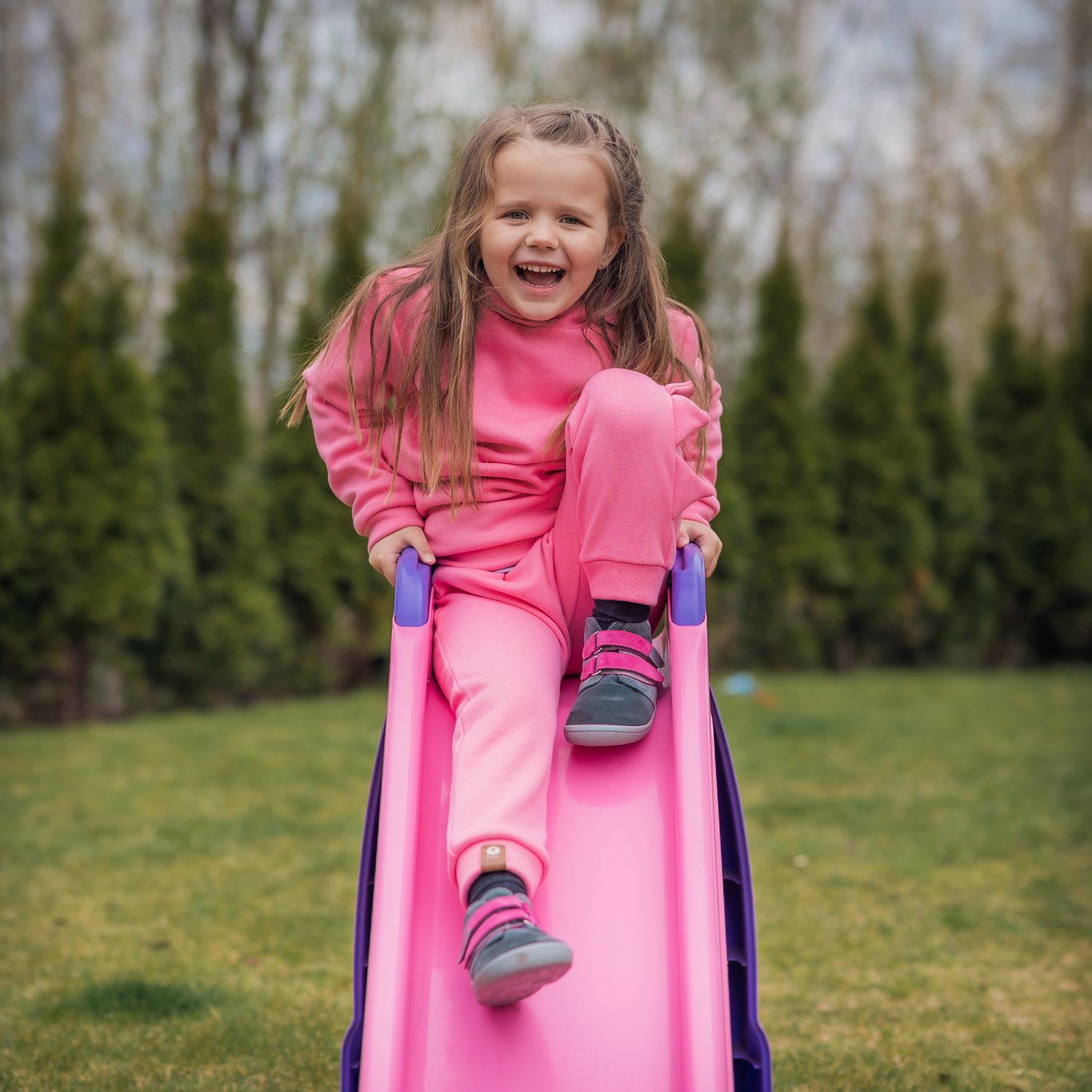
There’s no need to rush. And when transitioning from thick-soled shoes to barefoot footwear, that’s doubly true. At first, choose shorter walks in nature — it’s a balm for your body, mind and almost-bare feet. The best teacher is the woods: soft paths, twigs underfoot, the occasional stone. In barefoot shoes, your feet will very quickly start to explore and sense the ground beneath you. And when you hit your first proper stone, you’ll be surprised what it actually feels like. You’ll quickly learn to choose your path — and with it, how to place your feet well.
‘Before I bought barefoot shoes, I spent two years hiking almost exclusively in zero-drop running shoes. I guess that’s mainly why the transition to BF wasn’t particularly painful or unpleasant for me. As a BF beginner, after an all-day hike in the mountains I feel a pull in my Achilles tendons and my calves are slightly strained. My back muscles also work a bit differently than they’re used to, but that settles quickly. On the other hand, I can compare myself with friends who hike with me in heavy hiking boots – I handle tricky terrain much more easily and I’m faster. What surprised me most is that my feet aren’t cold in barefoot shoes, even when I’m walking through snow or it’s below zero – your feet get excellent circulation in barefoot footwear.’ Viktorka Hlaváčková from Viktorka’s Journey There
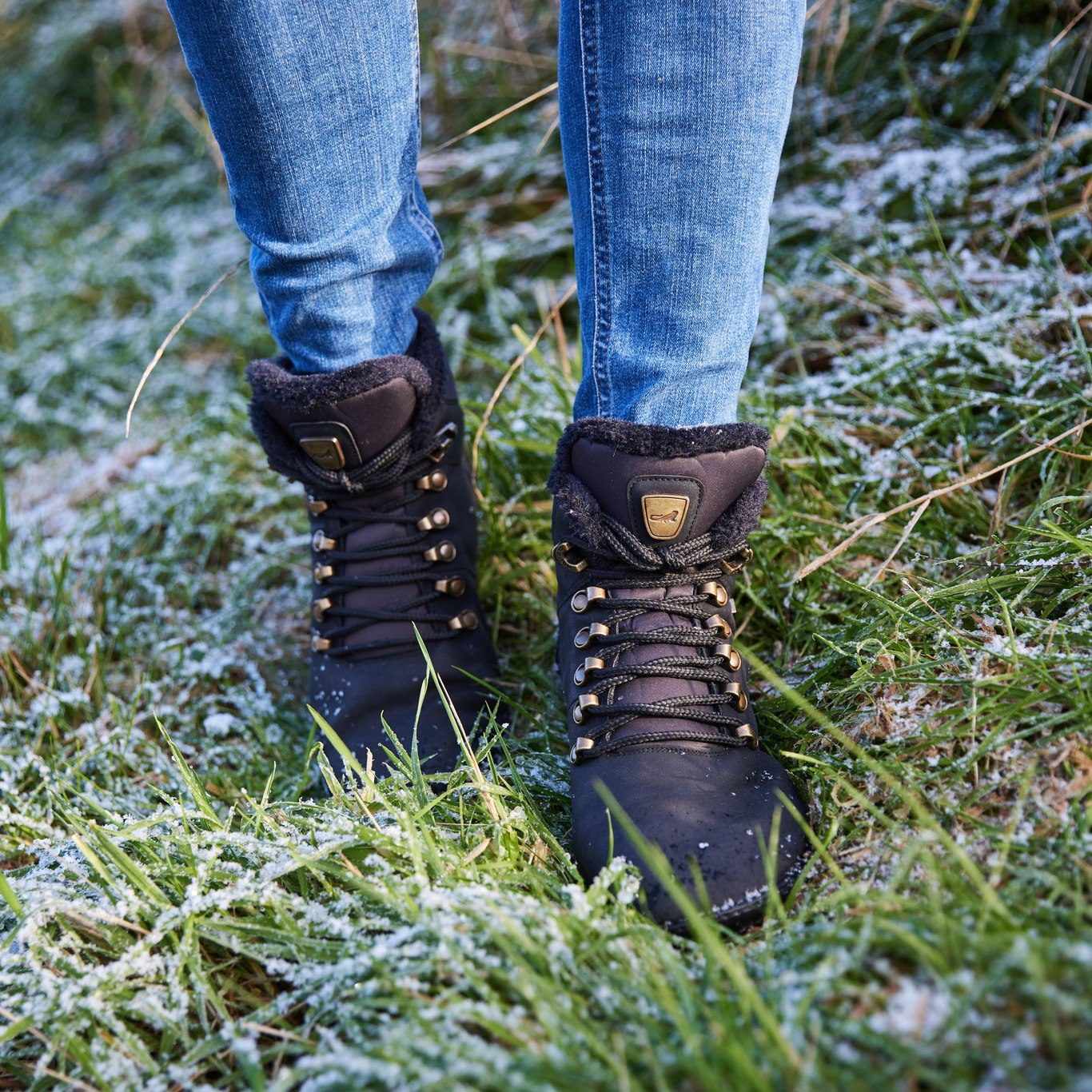
Walk slowly and tune into your body — your posture, shoulders, core and the muscles you’re using. Barefoot shoes won’t let you just stomp along on autopilot. At least at first, they make you think about how you walk. You’ll become aware of your movement habits — and that’s the perfect starting point for changing them.
Also be prepared for the possibility that your feet may ache after the first few kilometres. And that’s not a bad thing at all. Muscles that haven’t been used for a long time because of conventional shoes need time to wake up again. Be patient — your body (and nicely defined calves) will thank you in time.
So, in conclusion: go for barefoot, give it a try. You’ll love it — just like we do.
What else might interest you on this topic?


 € - US
 Čeština
 English
 Slovenčina
 Magyar
 български
 Polski
 Dansk
Dansk
 Nederlands
 Svenska
 Suomi
Suomi
 Español
 Français
 Slovenščina
 Română
 Português
 Deutsch (DE)
 Deutsch (AT)
 Deutsch (CH)

