We’ll be happy to help via online chat or at: orders@premiumbarefoot.com

We tested insulated, versatile boots for winter travel. Saltic Vintero meet demanding outdoor requirements while combining comfort and flexibility.
| Tested model | SALTIC VINTERO |
| Best for | light trekking, winter, leisure, city |
| Upper material | natural smooth leather |
| Lining | WinTherm functional membrane |
| Sole | EXTASY Fix – 3,5mm |
| Fit | suitable for wider feet too, roomy toe box and instep area, for fan-shaped feet and a dominant big toe |
| Boot height |
mid |
| Colour options | black, burgundy, brown |
| Available sizes | 34–46 |
| Price | 3 870 Kč |
| Testing conditions | approx. 200 km – snow, mud, streets |
| Manufacturer |
ethically made by Saltic with 100% handcrafting in the Czech Republic |

For most people, getting outdoors in winter goes hand in hand with heavy, stiff footwear. This winter, though, I had the chance to try lightweight barefoot shoes Saltic Vintero and wondered how they’d cope. On my travels, I split my time pretty evenly between cities and mountains, so I need footwear that can do a bit of everything.
So I took the Vintero for a weekend in the Beskydy Mountains (around 30 kilometres walked in snow), home for the Christmas holidays to Vysočina (about 40 kilometres in mud and snow), and to finish the year, onto the streets of Istanbul (around 80 kilometres on hard surfaces). In between, I wore them for everyday errands across December in the Czech Republic—sometimes on frozen ground, other times through slush and wet mud.

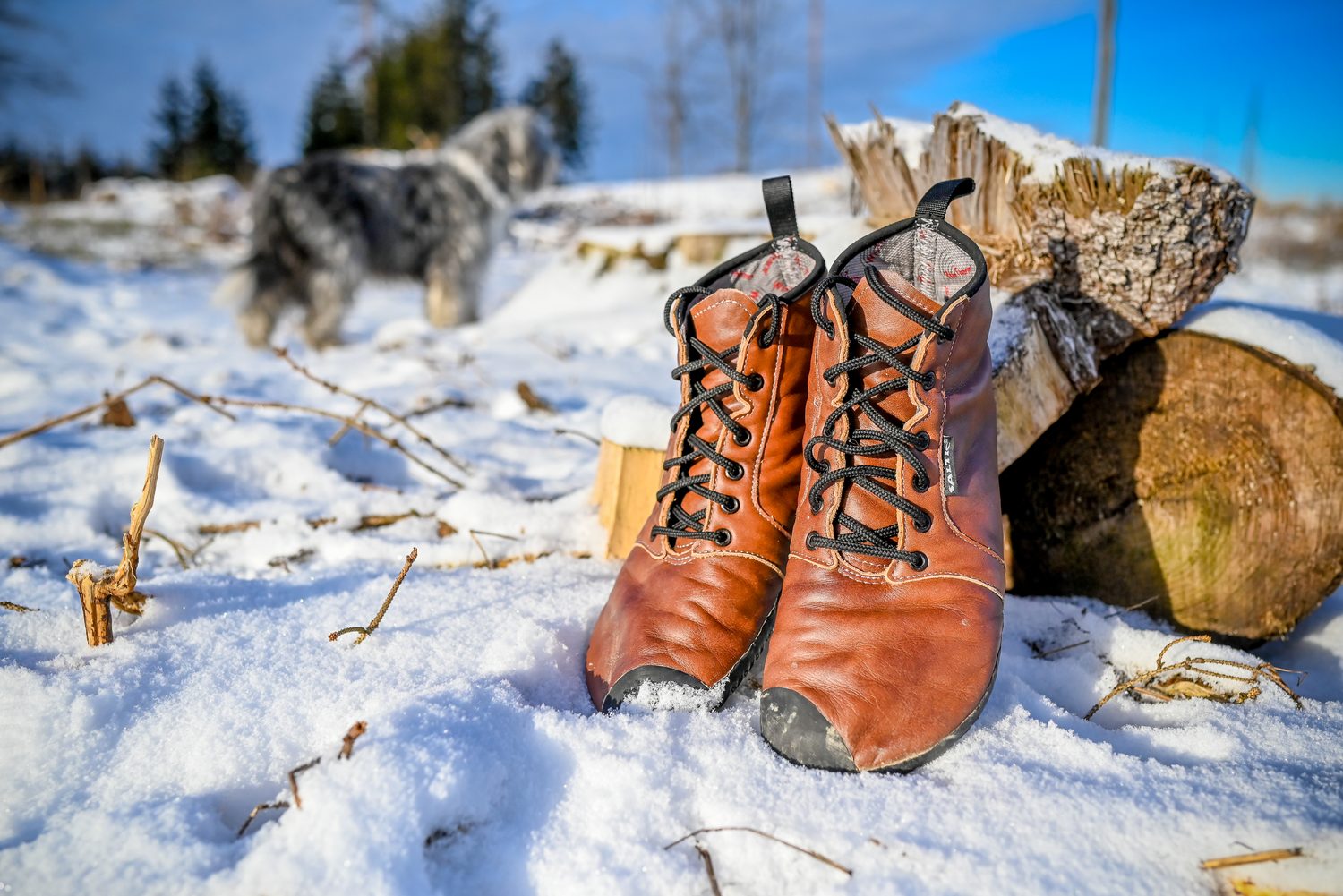
The insulated barefoot shoes Saltic Vintero are a great option for fans of ‘barefoot’ walking in the colder part of the year. The WinTherm membrane with a 3,5 mm thermal layer provides solid warmth, and you can boost it further with thicker trekking socks.
They’re easy to put on, because they open up really nicely. There’s a large loop at the heel to help you pull them on—sturdy and big enough to grab properly even with gloves on, without worrying it’ll tear. The six eyelets let you lace them up tightly and secure them, which I really appreciate. Even though I don’t need heavy hiking boots, I like the feeling of a firmly held foot.
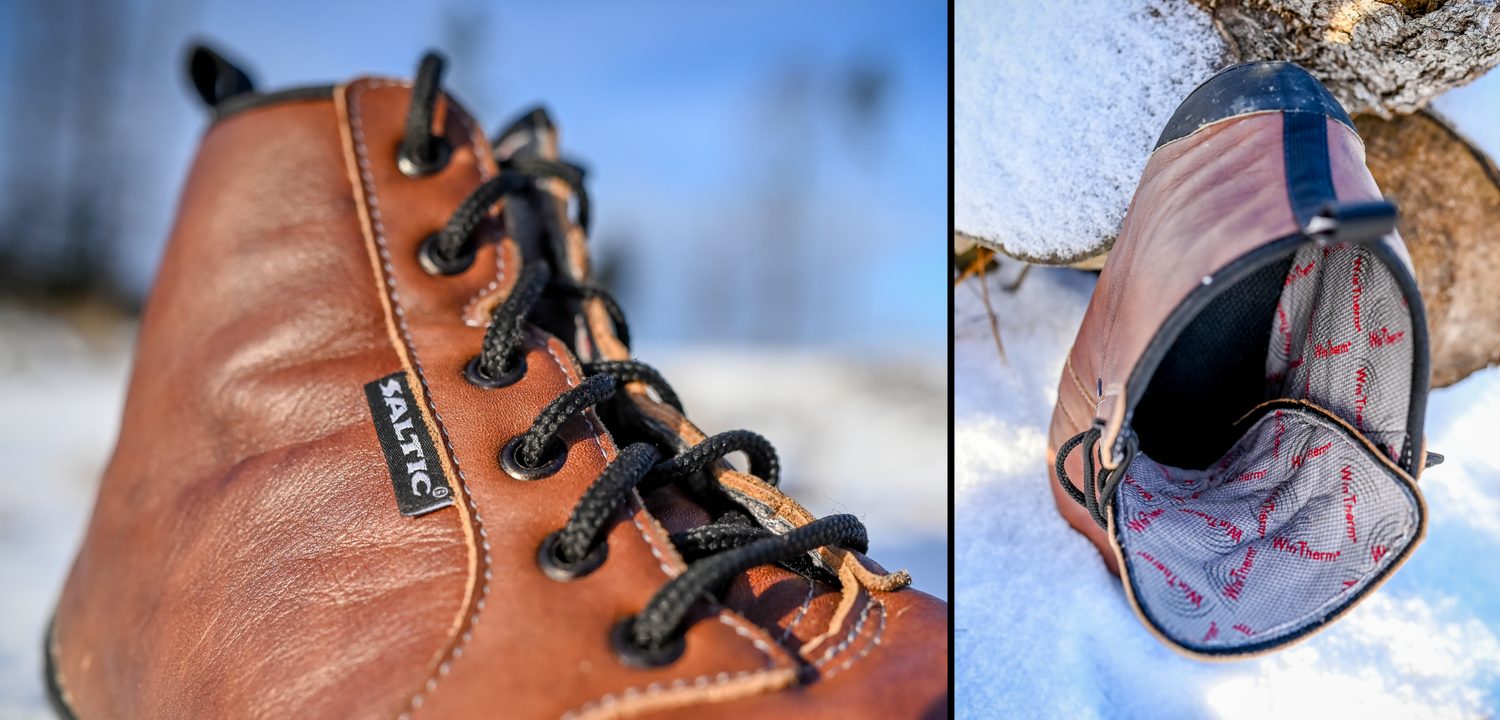
The Saltic Vintero sole is a three-millimetre Extasy Fix outsole. At first I was a bit sceptical just looking at the tread pattern, but using them on snow, ice and mud convinced me that they can handle tougher terrain and more demanding conditions. Sure, there were moments when I slipped even in the Vintero—once on an icy road, and once on a muddy slope. In the first case, it was really more a job for studs, and in the second there was so much mud that even a tractor would have struggled.
The smooth natural leather looks great, and together with the WinTherm membrane it creates a strong barrier against water and snow. You can improve water resistance by using an impregnation spray to protect and care for the outer material. The boot can cope with a lot of water (for example, rain), but it isn’t fully waterproof by design (I wouldn’t wear them into deep puddles, for instance). From experience, though, even after a full day walking in the rain along Istanbul’s city walls, my feet stayed dry and comfortable. For extra peace of mind, waterproof socks like Sealskinz are a safe bet.
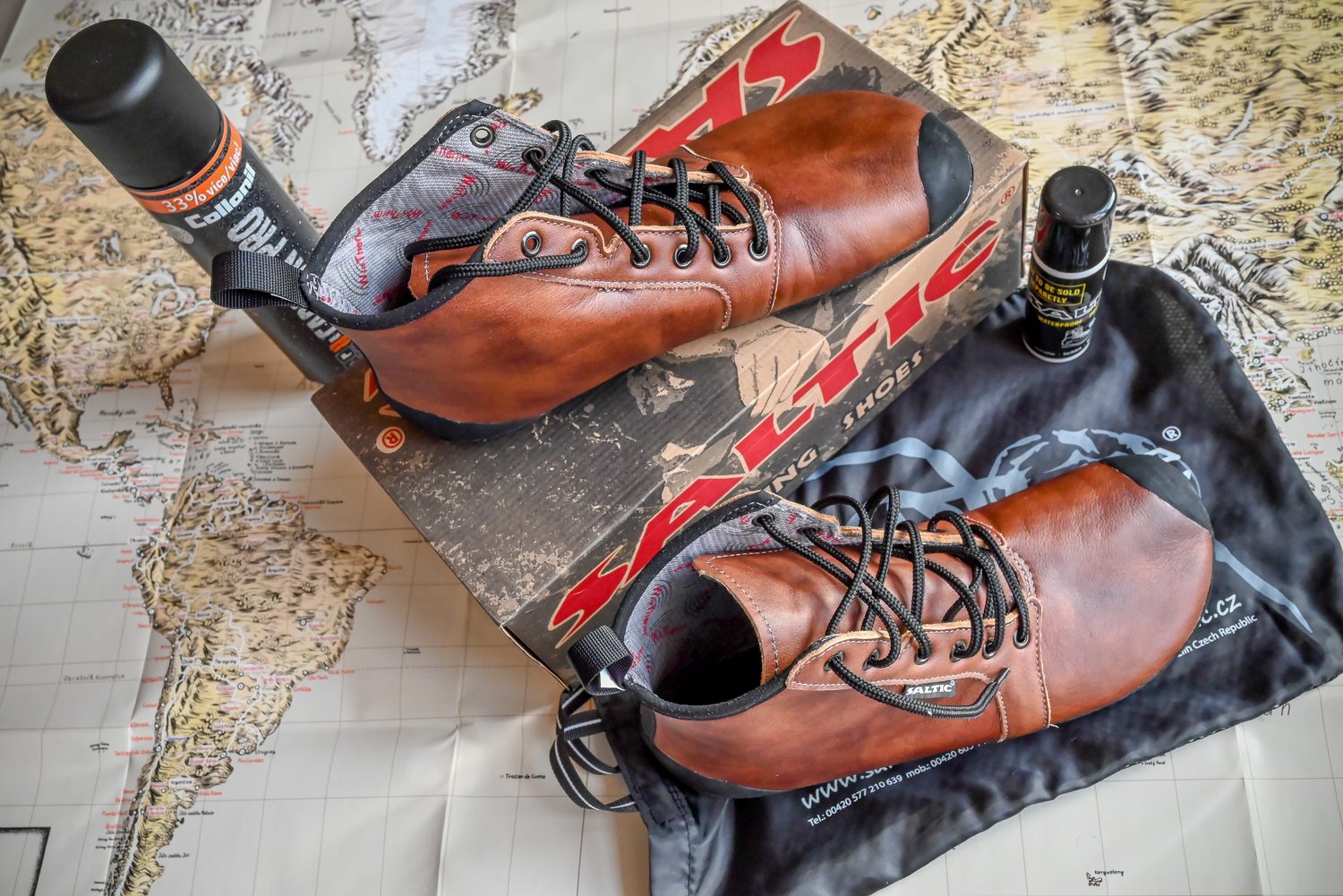
The membrane keeps warmth (and sweat) where it should be and contributes to a very comfortable walk. Personally, I appreciate the reinforced toe (I often catch my toe on things) as well as the reinforced heel.
From the very first wear, it felt like my foot was in a warm slipper or a really warm, higher sock. That feeling didn’t change even with long-term use. They fit beautifully at the front and all your toes have plenty of room—both above and at the sides. Even when pulled tight, the laces don’t pinch anywhere and the material doesn’t bunch up in a way that could cause rubbing. Your foot doesn’t slide around inside; it sits securely despite the generous space. The antibacterial insoles with a thermoregulating function—supplied with the Vintero—also help with that.
In these barefoot shoes I often walked around 20 kilometres in a single day, and they weren’t even broken in yet—but there were no signs of rubbing or pressure points on the sole, toes, ankle, or anywhere else. They really are like slippers, in the best possible sense.
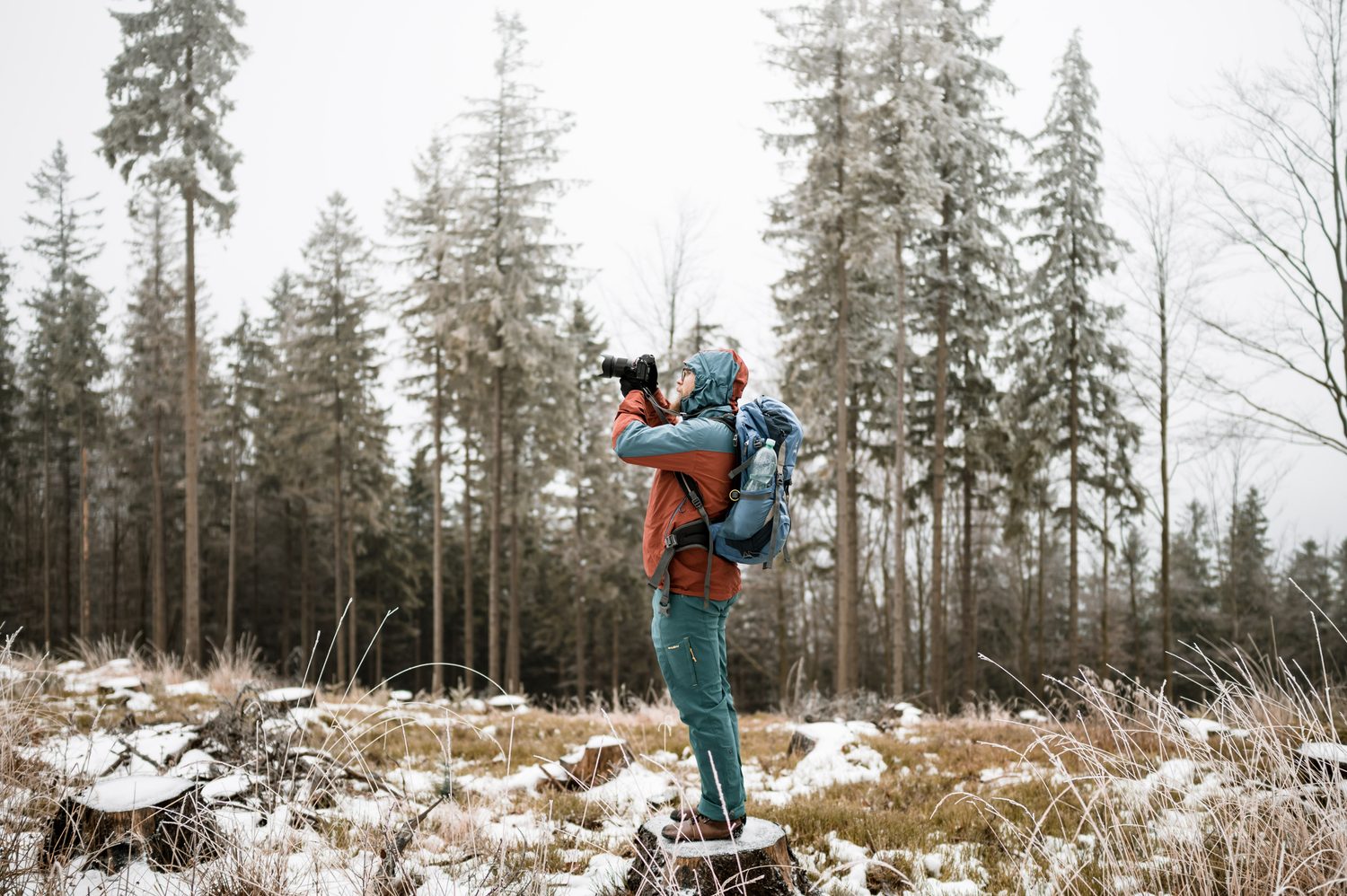
For my first trip in the new boots, I headed to the beautiful Beskydy Mountains. It was slightly below zero, the trees were coated in frost and the hilltops had a dusting of snow—not much, but enough. At first I wasn’t sure whether to take the Vintero for this trip; after all, the Beskydy are proper mountains—low ones, but still mountains.
I could barely feel the boots on my feet, which was a big change compared to my usual winter trekking boots. The first steps on snow and ice felt a bit odd, but after a few moments I got used to it and then it was completely fine—pleasant and light. I was really surprised that they didn’t slip, and that even with temperatures around minus five degrees, my feet didn’t feel cold. By the end of the day we reached the mountain hut and my feet were still dry and warm.
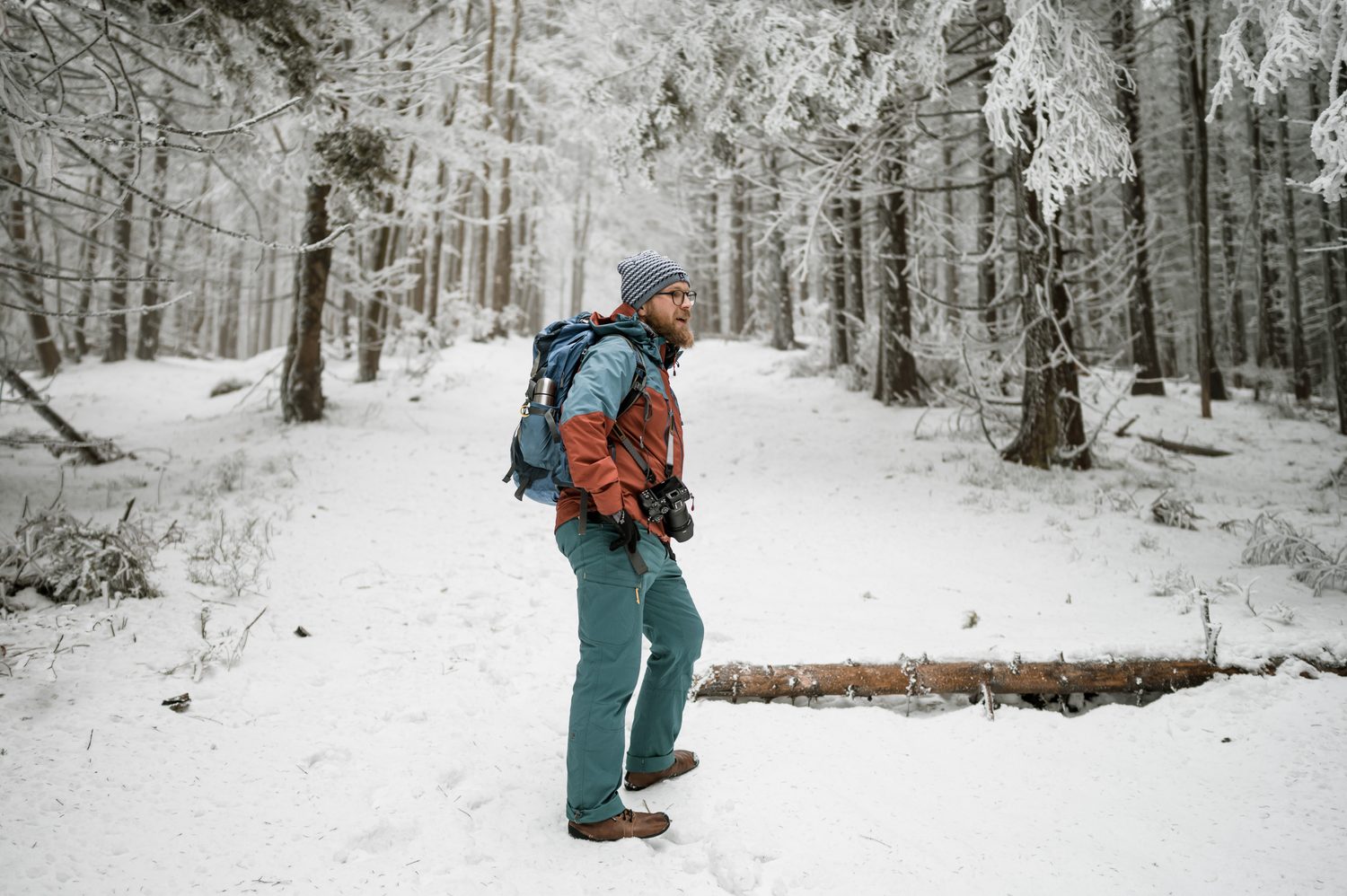
I’m used to Christmas in the Czech Republic traditionally being more mud than snow, and this year I was actually a bit grateful for it. I took the Vintero on several dog walks across the fields back home in Vysočina, where frozen ground, mud and the occasional snow patch all mixed together. The boots handled the mud and water well. It’s true I had to be careful not to let water in through the tongue, but that wasn’t too difficult. Even after a full day in the mud, it was enough to rinse them off in the evening and they looked like new. At first I worried they might get scratched or damaged by branches and stones, but so far I haven’t noticed any damage.
The last big test was waiting on the streets of Istanbul, the largest city in Turkey, where I spent the end of the year. It wasn’t freezing, but it did rain a lot. On the hard surfaces of the local streets I walked tens of kilometres, visited several islands, and walked the full length of the Constantinople city walls. Throughout all of it, my feet didn’t hurt and I didn’t get a single blister or pressure point. Even though it rained and blew the whole time, my feet stayed dry and warm.
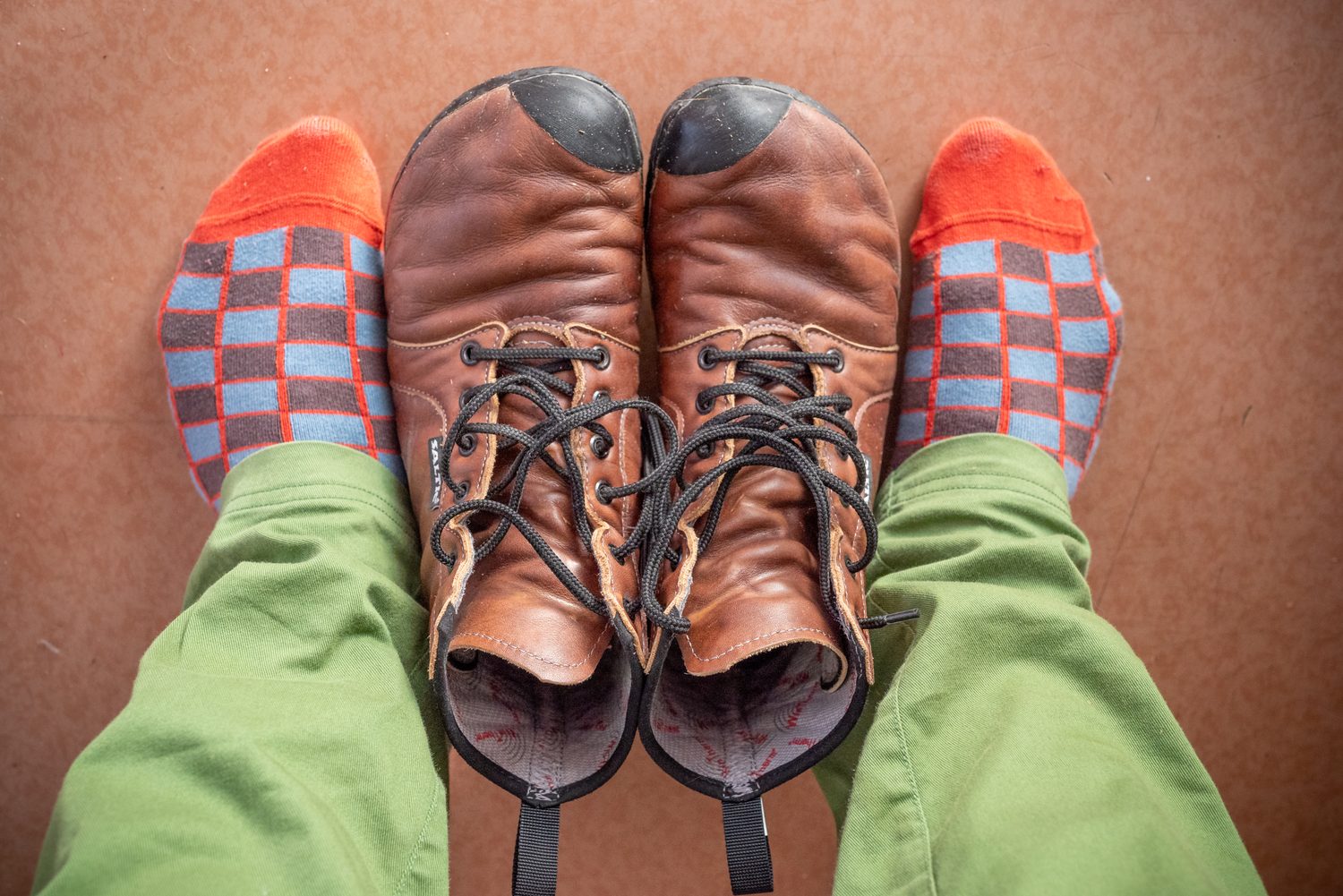
Final verdict
The Saltic Vintero barefoot shoes are comfortable, lightweight and very easy to pack, yet you can still move confidently in snow and frost. I don’t have to worry about them soaking through in heavy rain, but at the same time I know that thanks to good heat distribution I won’t overheat in them at an airport or in a museum. I probably wouldn’t take them for a multi-day stay in winter wilderness or mountains—they’re not designed for that—but as versatile boots for winter travel they meet exactly what I expect from footwear.
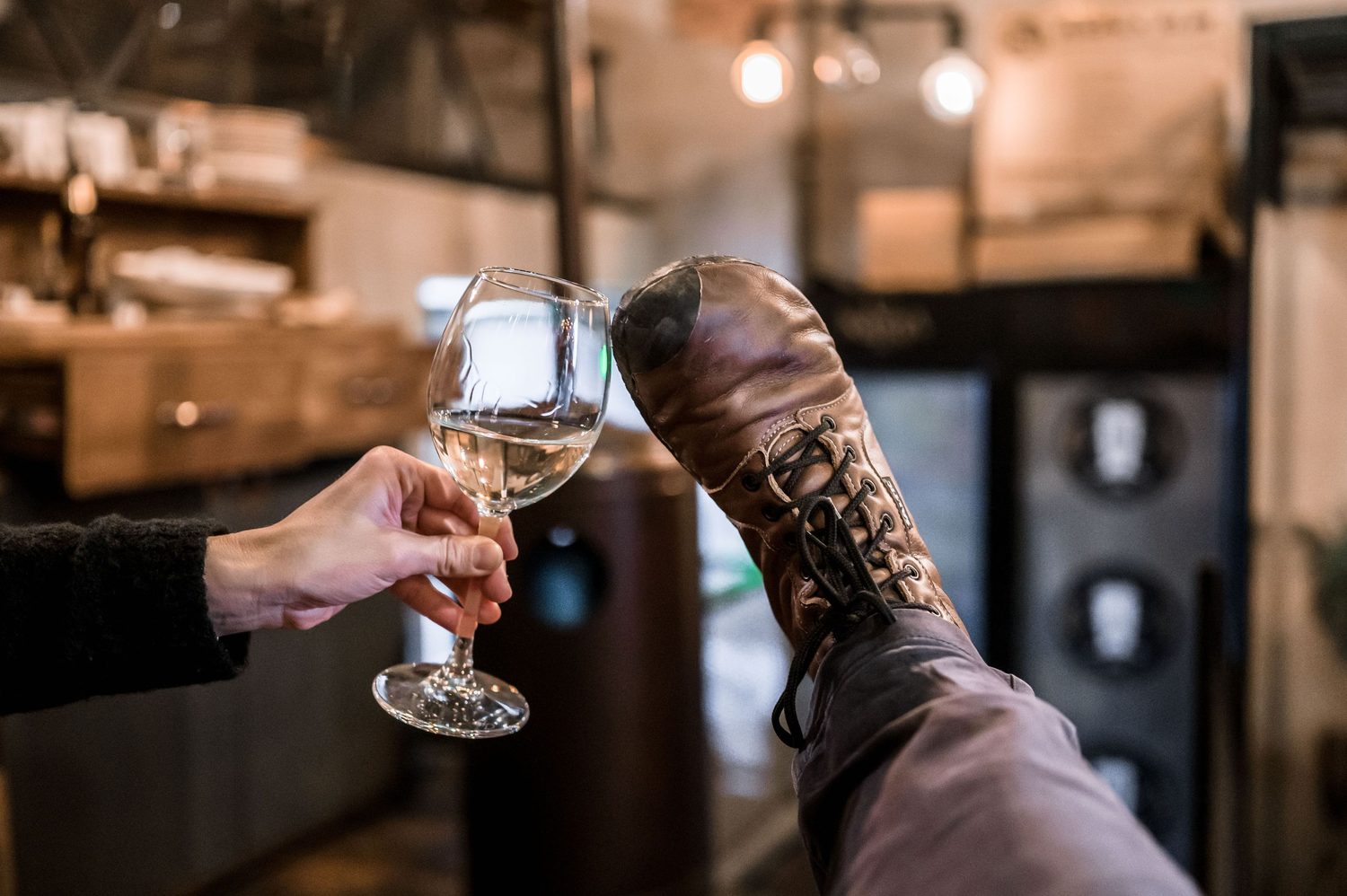
And finally: they look just as good on Prague’s Náplavka riverside, at a Beskydy mountain hut, and in Istanbul harbour.

Saltic Vintero were tested by Jiří Kalát. A travelling writer and speaker for people who enjoy listening. He loves the Middle East and North Africa, but is happy to roam anywhere you can find adventure or discover something new. He is the author of the book Všichni tady lžou, collaborates with several magazines and travel websites, and gives talks at festivals and venues across the Czech Republic.
Where will your next steps take you?


 € - US
 Čeština
 English
 Slovenčina
 Magyar
 български
 Polski
 Dansk
Dansk
 Nederlands
 Svenska
 Suomi
Suomi
 Español
 Français
 Slovenščina
 Română
 Português
 Deutsch (DE)
 Deutsch (AT)
 Deutsch (CH)

