We’ll be happy to help via online chat or at: orders@premiumbarefoot.com

Discover the main causes of hallux valgus and effective ways to prevent it. The right footwear, exercises and care can help keep your feet healthy and pain-free.
Hallux valgus (commonly known as a bunion) isn’t just a cosmetic issue – it’s primarily a health problem that can seriously affect your quality of life. Pain, reduced mobility and difficulty walking are just some of the complications hallux valgus can cause.
So how does this deformity develop, what influences it, and most importantly – how can you prevent it?
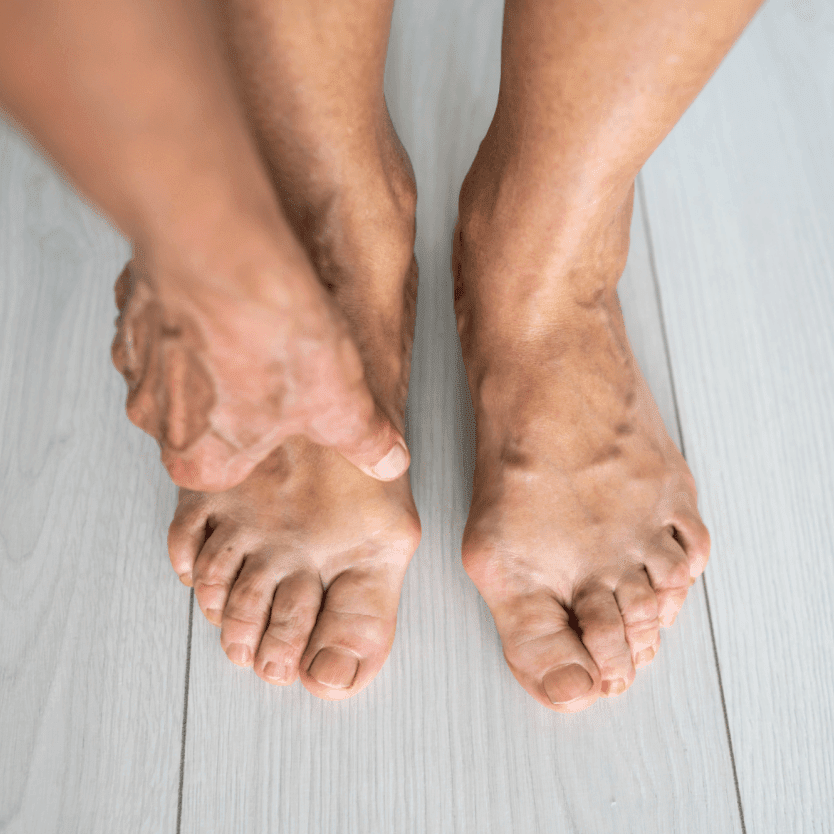
Hallux valgus shows up as the big toe drifting towards the other toes, while the joint at its base becomes enlarged and misshapen. Over time, this shift increases pressure on the neighbouring toes, causes rubbing and can lead to further foot deformities.
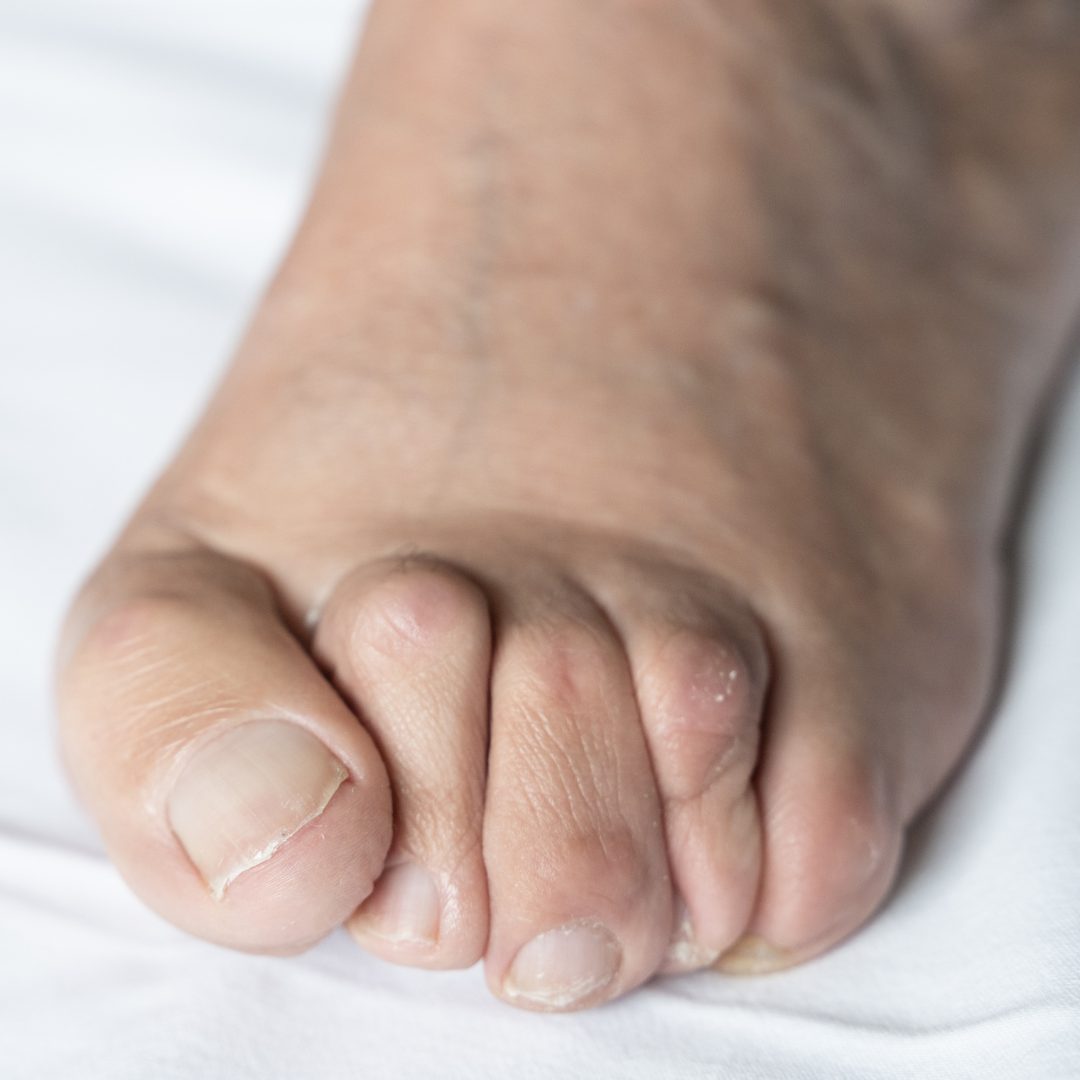
Hallux valgus is a deformity in which the big toe gradually shifts towards the other toes. At the same time, the joint at its base enlarges and becomes deformed. This shift increases pressure on the surrounding toes, which can lead to rubbing and further deformities of the foot.
However, the issue isn’t only the big toe itself. Hallux valgus often also relates to a collapsed transverse arch and overloading of the muscles that extend the toes. These changes can contribute to hammer toes or claw toes. The drifting big toe isn’t always the main cause of the difficulties – it may be more of a consequence of broader changes in the structure of the foot.
The sooner you start looking after your feet, the better your chances of preventing this problem from progressing. Prevention mainly comes down to choosing the right footwear, doing suitable exercises and having regular check-ups with a specialist.
A common misconception is that bunions are caused only by wearing unsuitable shoes, such as narrow high heels.
In reality, hallux valgus doesn’t develop overnight. It’s the result of a combination of genetic predisposition, the way you walk, and external factors such as unsuitable footwear.
Understanding these causes is key both for prevention and for slowing its progression.
Many people have a genetic predisposition to bunions. If your parents or grandparents had this deformity, it’s more likely to appear in you too.
Your gait dynamics play a crucial role in proper weight distribution and stability when walking. If they’re disrupted, it can lead to overloading certain parts of the foot and the gradual development of deformities, including hallux valgus.
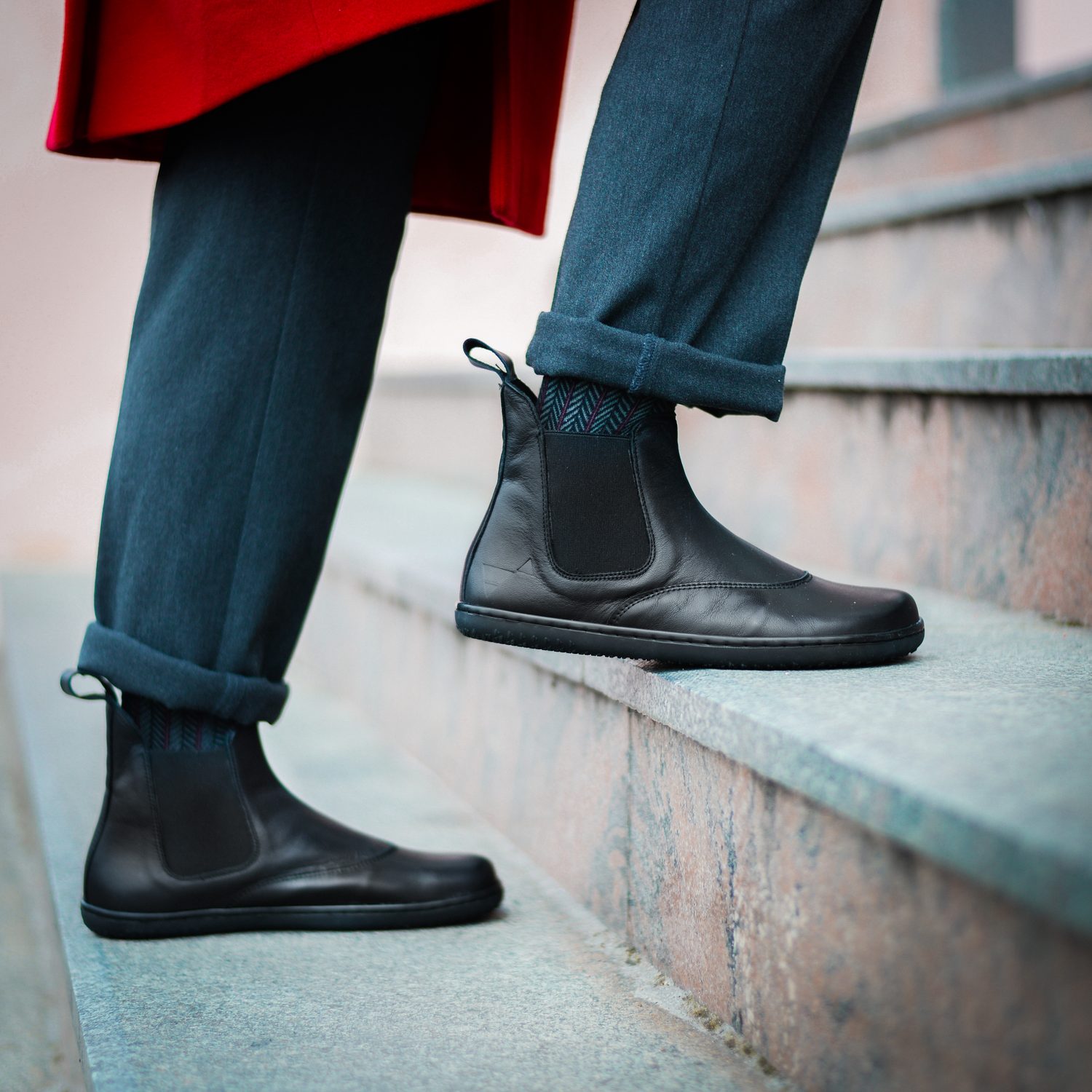
One of the main factors that worsens hallux valgus is poorly chosen footwear. The most harmful are:
Socks can also have a negative effect on bunions – if they pull the toes too tightly together and restrict their movement.

Regular exercise is one of the key elements of both prevention and management of hallux valgus. Strengthening the foot muscles and stretching the toes helps keep the foot in a natural position and reduce the progression of the deformity.
Some of the most effective exercises include toe spreading, rolling your foot over a ball, or using your hands to guide the big toe back into better alignment. Exercise not only helps ease pain and stiffness, but also improves overall foot stability and supports healthier movement patterns.
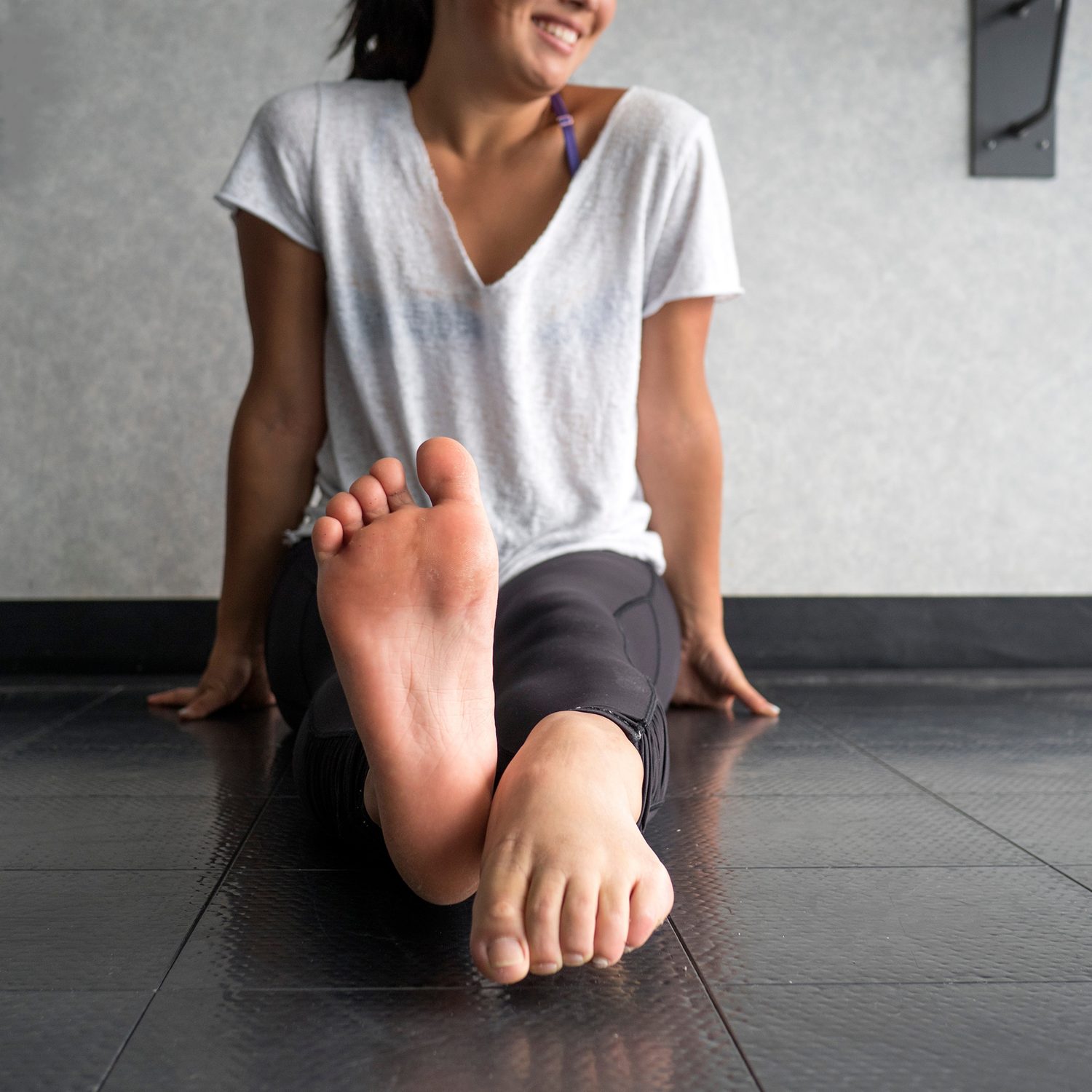
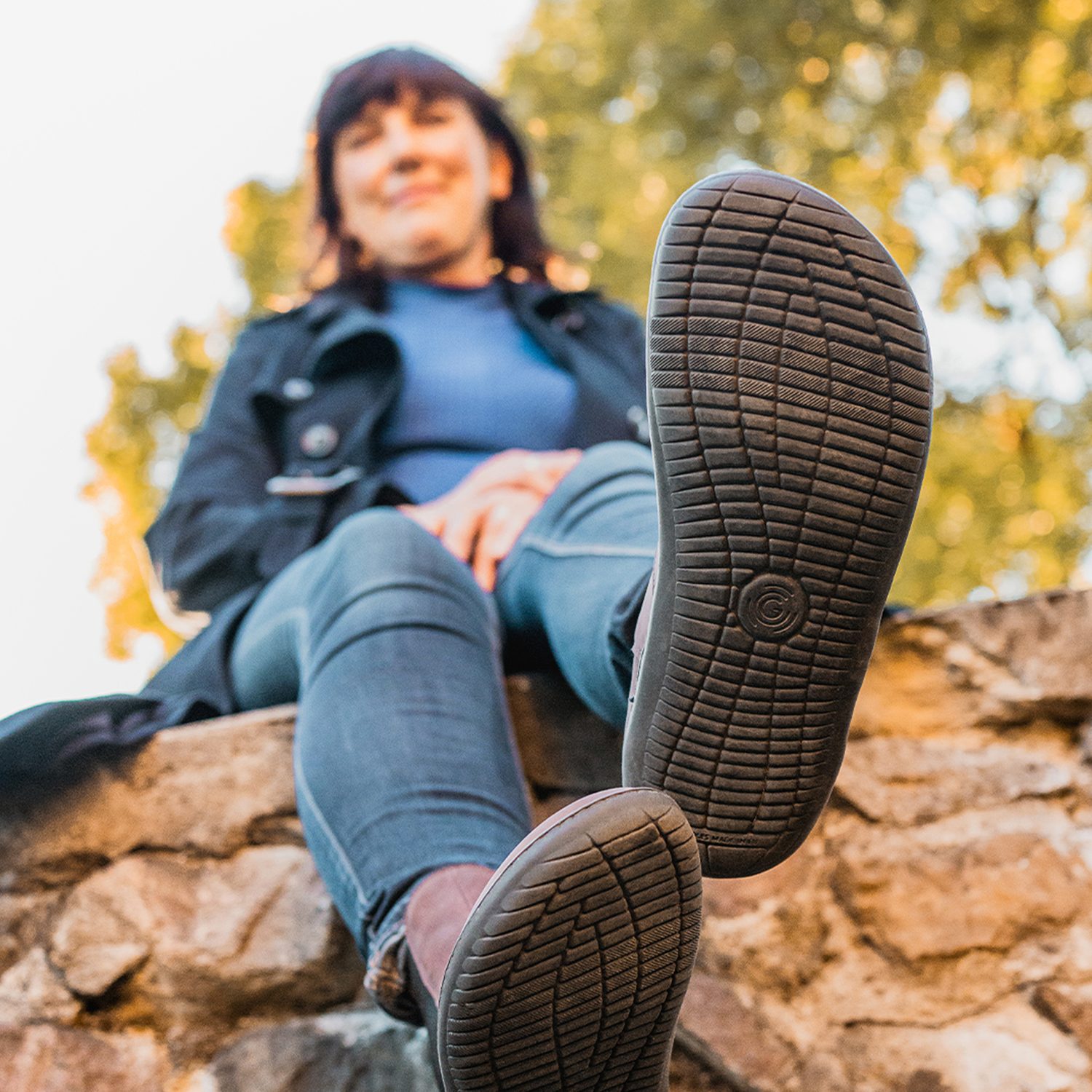
The foundation of preventing bunions – and stopping an existing deformity from getting worse – is wearing shoes that respect the natural shape of your foot. What should ideal footwear offer, and what criteria should you use to choose it?
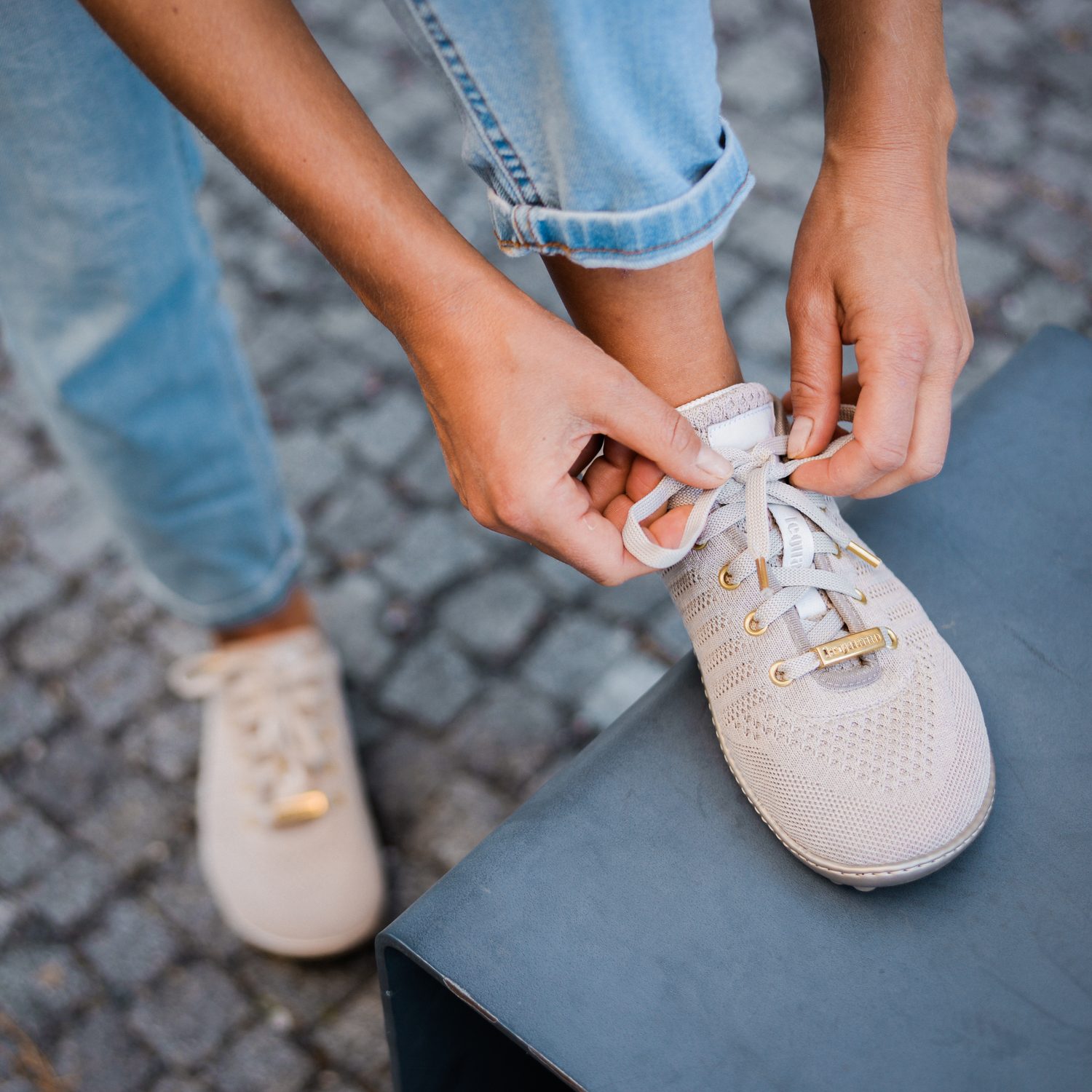
Walking barefoot strengthens the foot muscles and supports natural weight distribution, which may help ease hallux valgus symptoms and slow further progression of the deformity.
🔎 Bunions and barefoot shoes: when and why is it beneficial to walk ‘barefoot’?
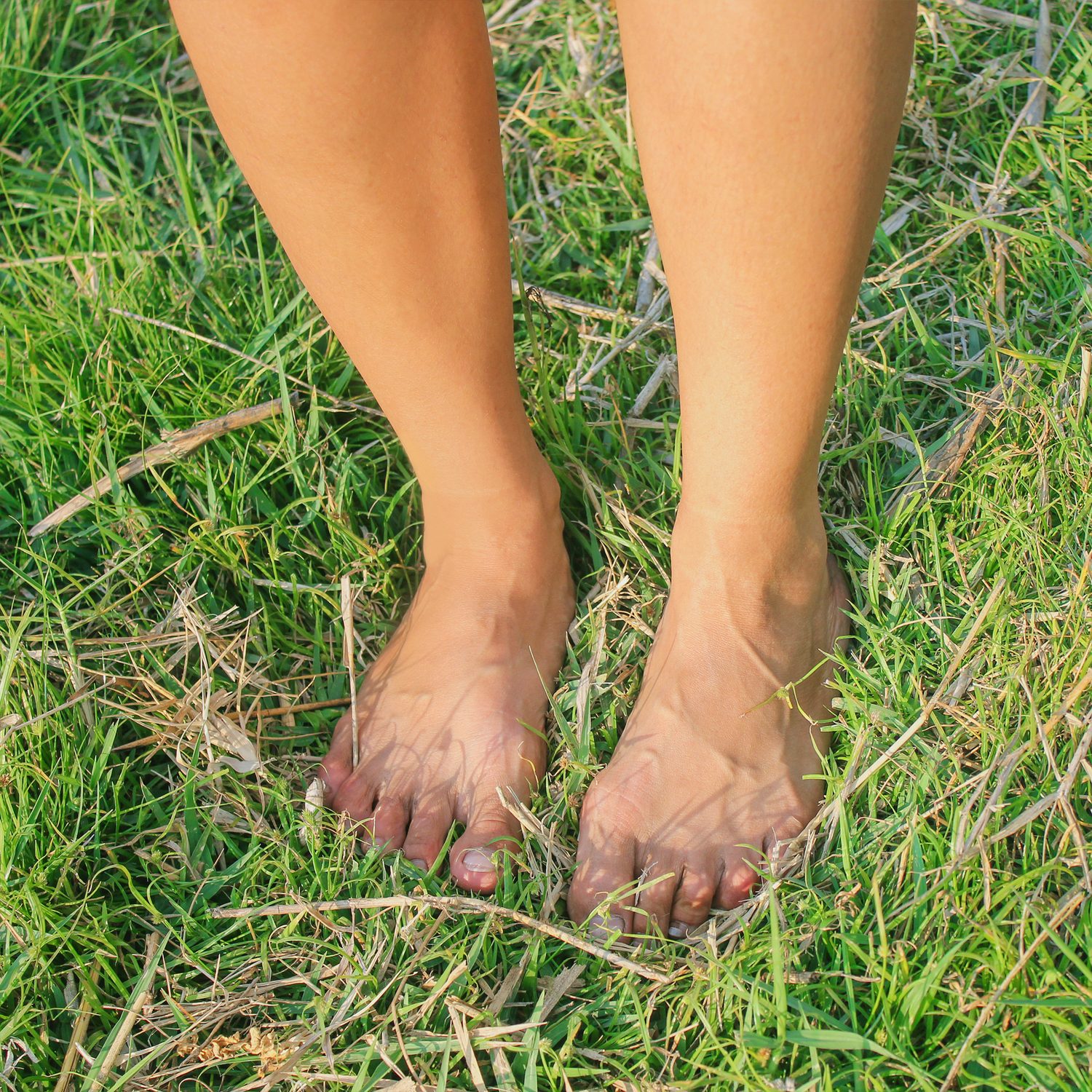
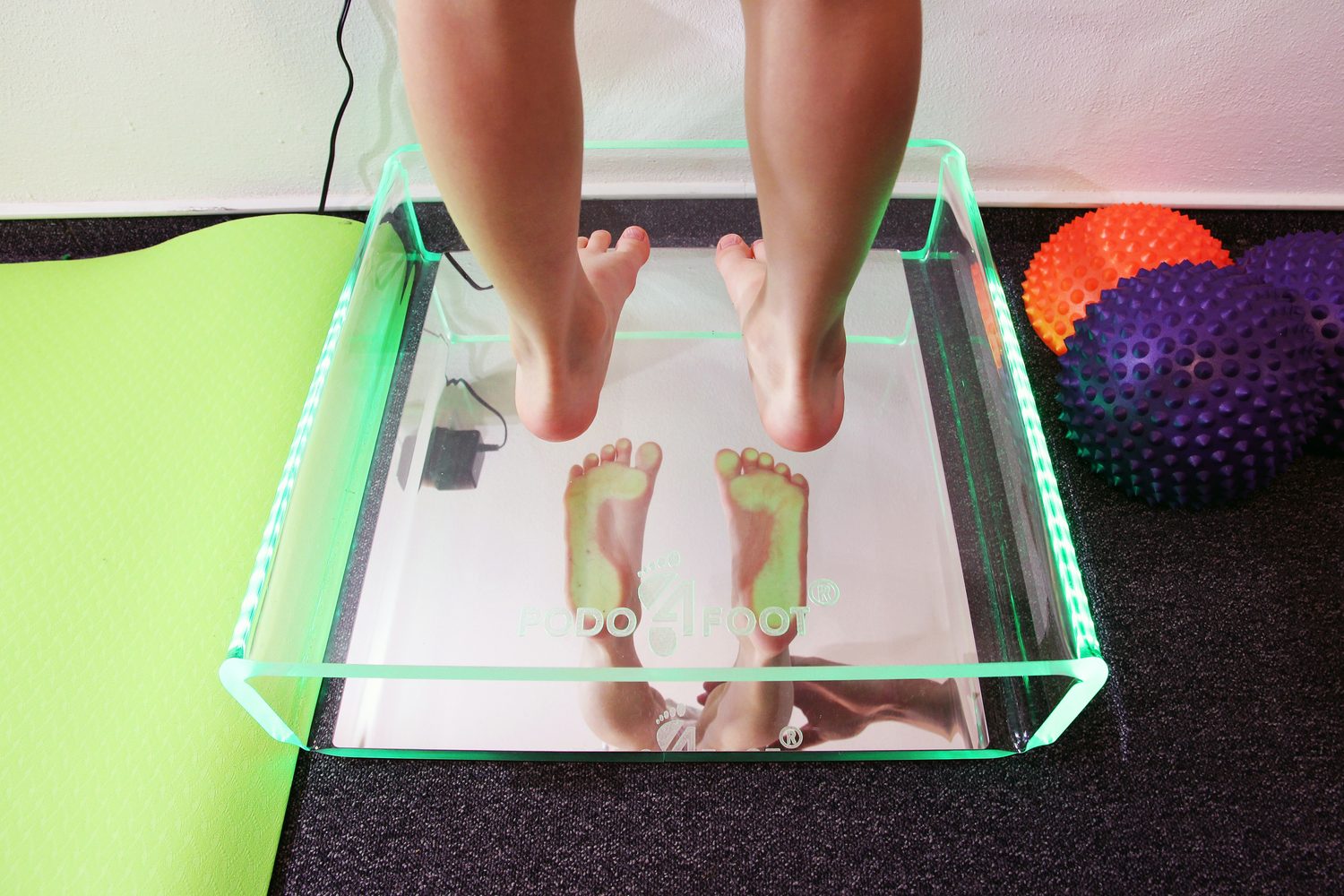
A preventive check-up with a podiatrist, orthopaedic specialist or physiotherapist can help identify predispositions to hallux valgus before serious problems appear.
NaBOSo works long-term with physiotherapists and other specialists from across the Czech Republic, who will be happy to help you with prevention and solutions for (not only) foot-related issues.
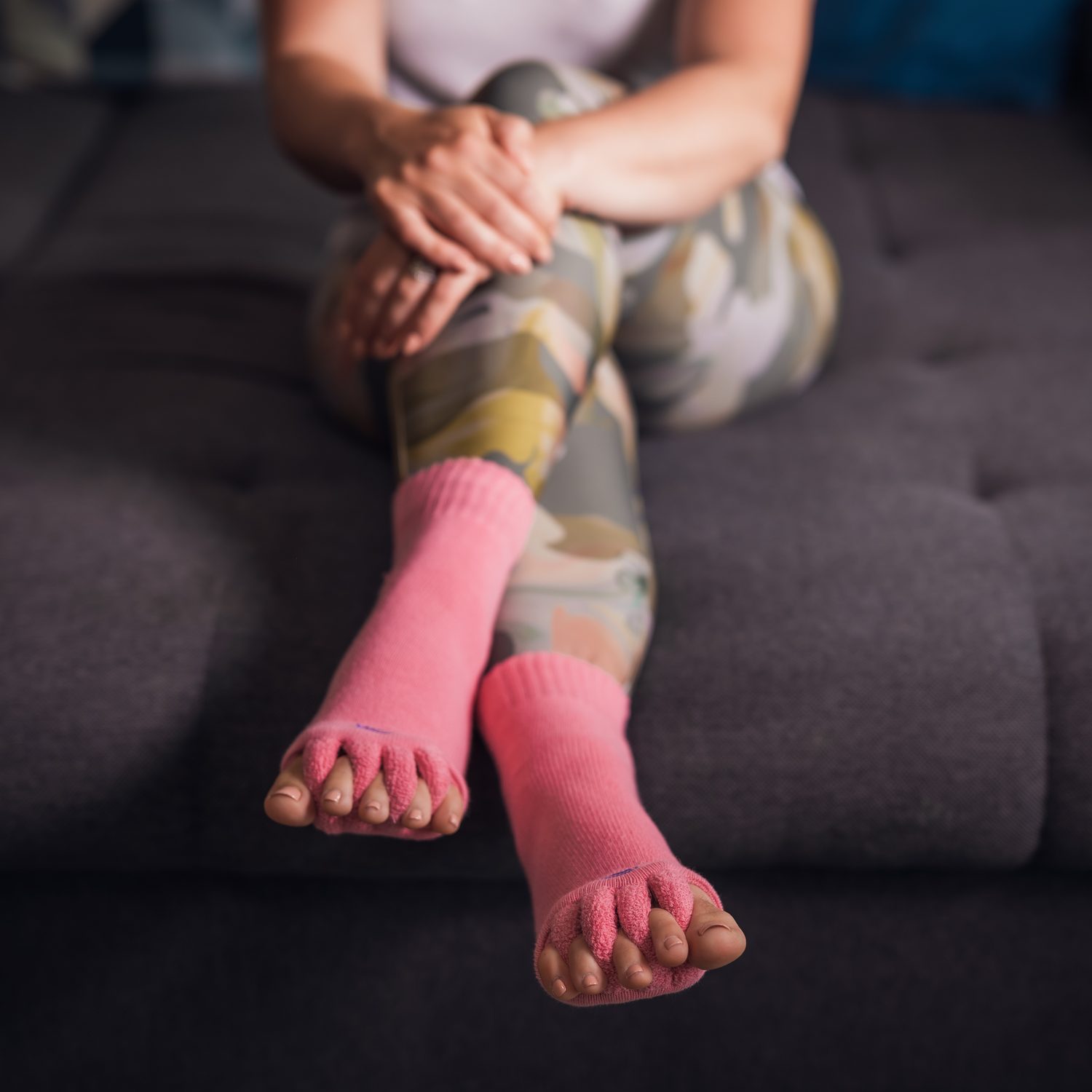
If you’re starting to notice the first signs of hallux valgus, various corrective aids may help:
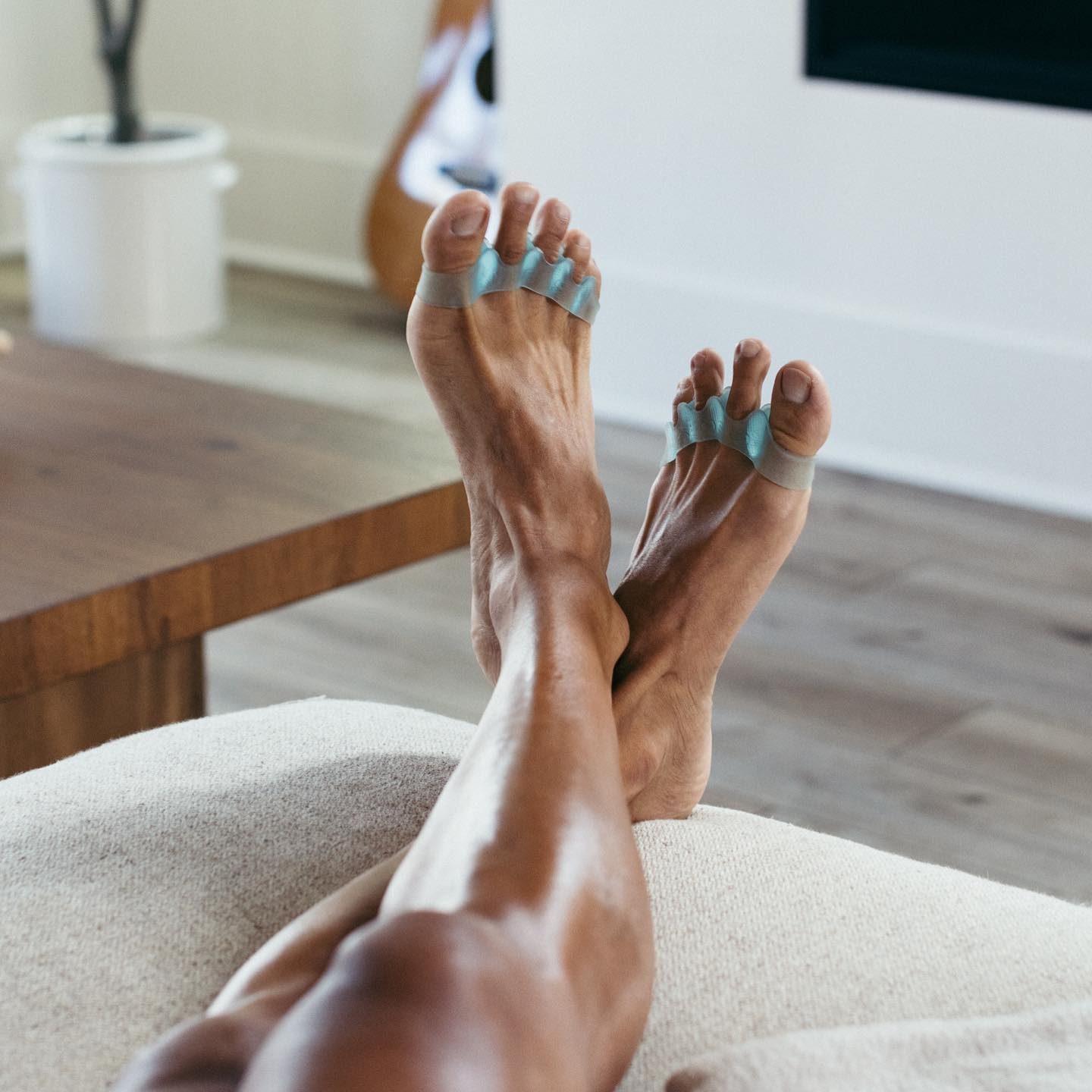
Even though genetics play a role, how you care for your feet also makes a big difference. The right footwear, regular exercise and early diagnosis can significantly slow the progression of bunions – or even prevent them altogether.
Don’t ignore the signals your feet are giving you – they deserve the same attention as any other part of your body. Give your feet freedom, space and support, so they can carry you through life without limitations.

This article was created in collaboration with Bc. Edita Prošková – a podiatrist specialising in acquired and congenital foot conditions in children and adults. Through exercises and podiatry aids, she helps restore impaired foot function, which can affect the condition of the entire musculoskeletal system.


 € - US
 Čeština
 English
 Slovenčina
 Magyar
 български
 Polski
 Dansk
Dansk
 Nederlands
 Svenska
 Suomi
Suomi
 Español
 Français
 Slovenščina
 Română
 Português
 Deutsch (DE)
 Deutsch (AT)
 Deutsch (CH)

