We’ll be happy to help via online chat or at: orders@premiumbarefoot.com

Give your feet maximum comfort and a way of walking that’s natural for them – barefoot. Switch to barefoot shoes and learn how to walk in them properly.
Walking barefoot is as natural as breathing – but these days, we’re simply not used to it. Most of us still keep our feet trapped in narrow, stiff shoes with thick soles and often a heel. It’s no surprise, then, that the foot becomes a bit ‘switched off’, and the transition to barefoot shoes can feel like a shock at first. Give it time, arm yourself with patience, and you’ll see that before long you’ll fall in love with barefoot shoes – and won’t want to take them off.
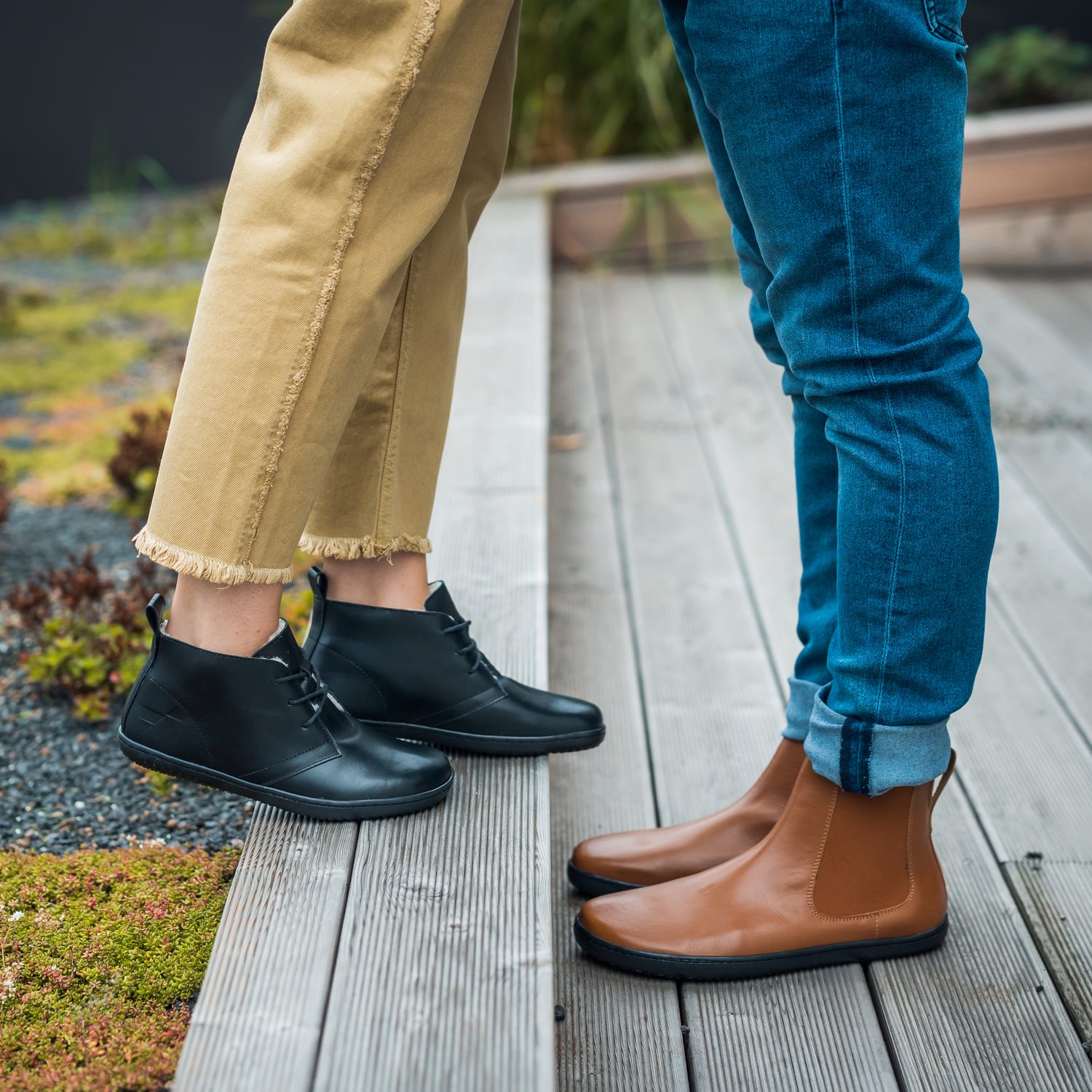
Resist the urge to throw out all the shoes you currently own and replace them with several pairs of barefoot shoes straight away. Once you discover the magic of barefoot walking, you probably won’t want to go back – but it’s still wise not to rush. First, your feet will change a little and you may well need to move up a size after a while. Second, you need time to figure out which brands suit you best, because they differ in things like toe-box width or instep height.

Feet that have been confined in conventional shoes for years usually need time to ‘wake up’. It’s a bit like warming up your muscles before a tough gym session. If you want to avoid pain in your feet, knees, or even your back, allow your underused muscles and tendons to adapt gradually and build the strength they need. At first, it’s better to avoid city pavements, which demand more cushioning from your feet. Instead, wear barefoot shoes on gentle, uneven ground, where your feet get a variety of stimuli – and you’ll be able to manage longer distances thanks to that.
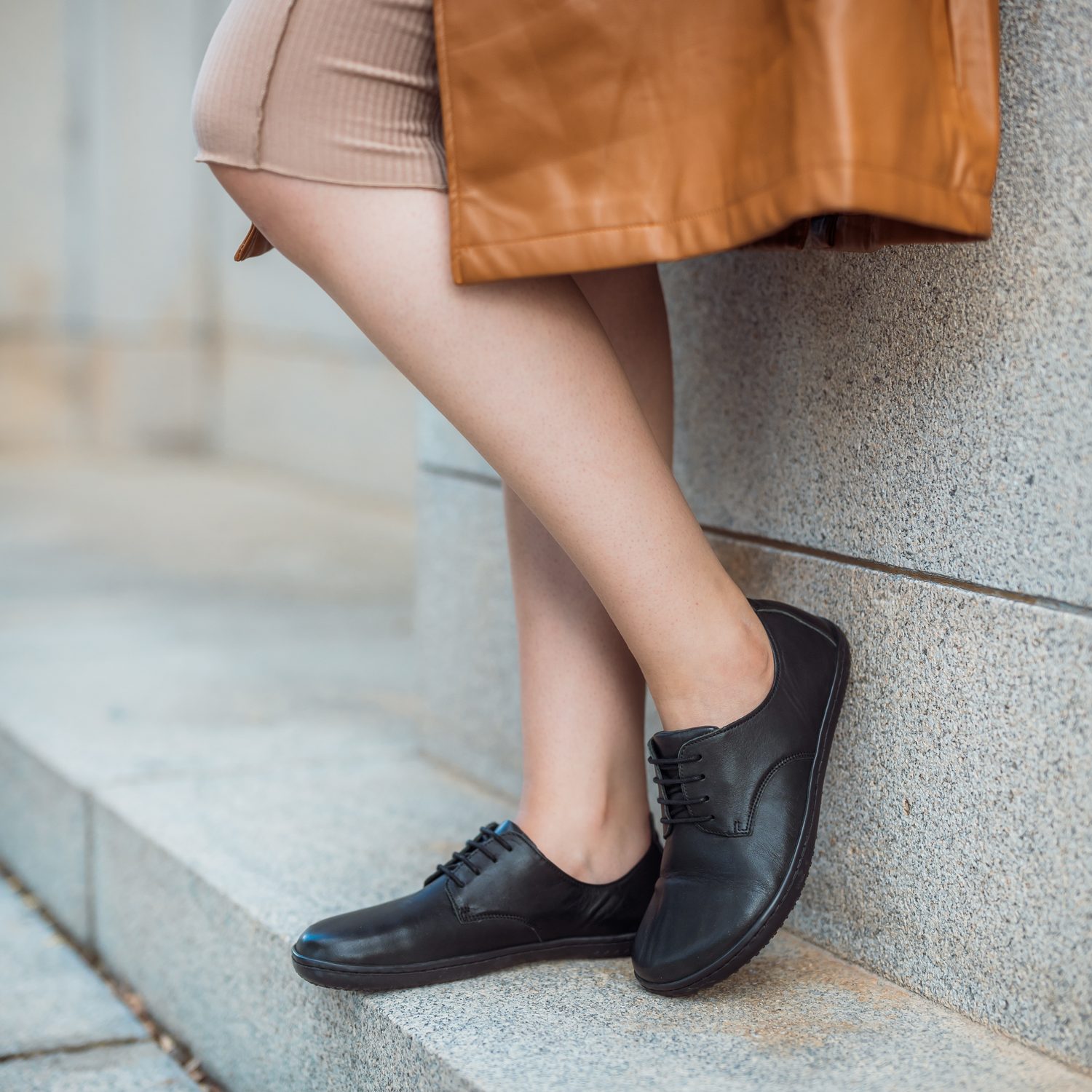
Slower, mindful walking should become your everyday mantra. For your feet to respond well to the ground, you need to ease off the pace a little. Notice how you place your feet softly on the ground, landing across the whole foot, and with each next step lifting the heel first before pushing off through the toes. Don’t forget steady breathing either, so you avoid that unpleasant stitch in your side, and keep an eye on your overall posture – tall and upright – while also tuning into the muscles you’re using as you walk.

When you switch to barefoot footwear, the muscles in your feet and legs start to strengthen, and you may feel mild soreness – much like after a workout. Your feet can relax while walking on sensorimotor insoles and ending the day in sensorimotor socks stimulates blood flow in the feet, improves circulation, and helps release muscles and fascia. If you have hammer toes or hallux, you can also help yourself with silicone toe separators.
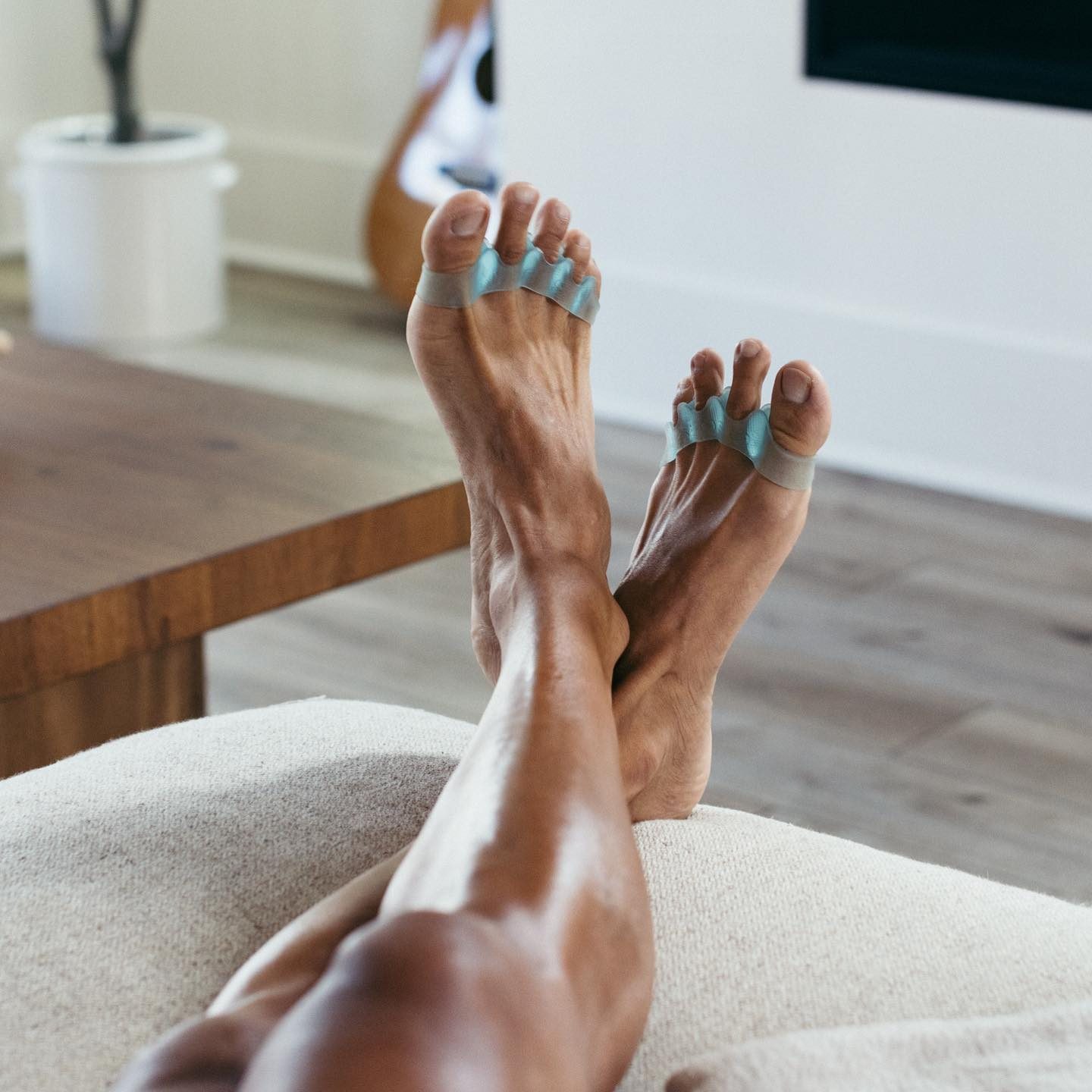
To help your feet fully wake up and learn to work the way evolution intended, you’ll also benefit from specific exercises designed to activate the muscles. This is especially recommended if you’re dealing with any kind of deformity – whether hammer toes, a pronounced bunion, or a significantly collapsed arch. While sometimes it’s enough to strengthen just the feet, in other cases you’ll need to focus on the whole body – for example, if you have issues with your cervical spine.
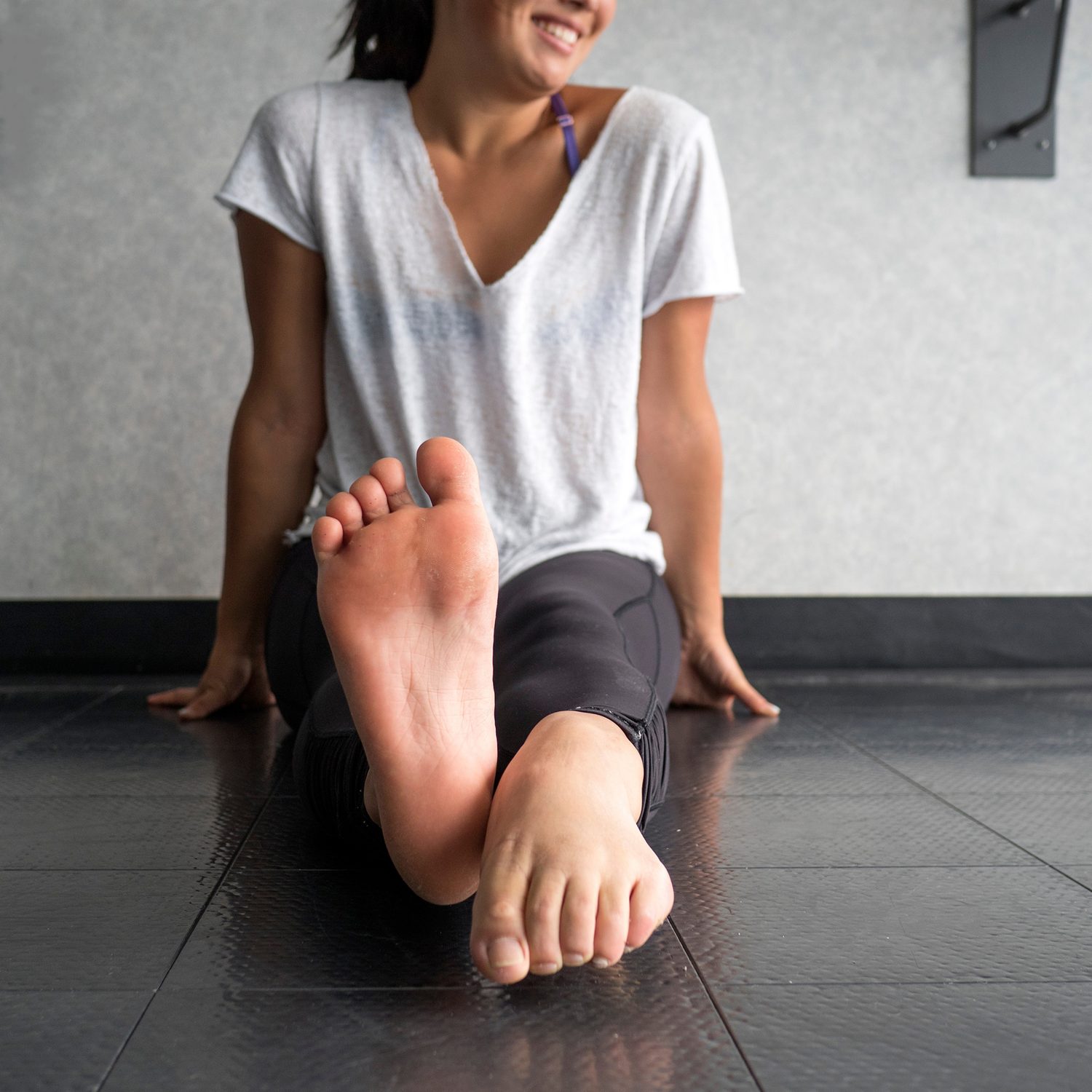
Have you been wearing barefoot shoes for several weeks, trying to walk mindfully, and yet you’re still dealing with significant – or even worsening – pain in your feet or back? Then don’t wait and book an appointment with a physiotherapist or podiatrist (the link lists specialists that naBOSo has worked with long-term). They’ll assess not only your feet and walking style, but also your overall posture, and advise you on what to work on to improve how your body feels.
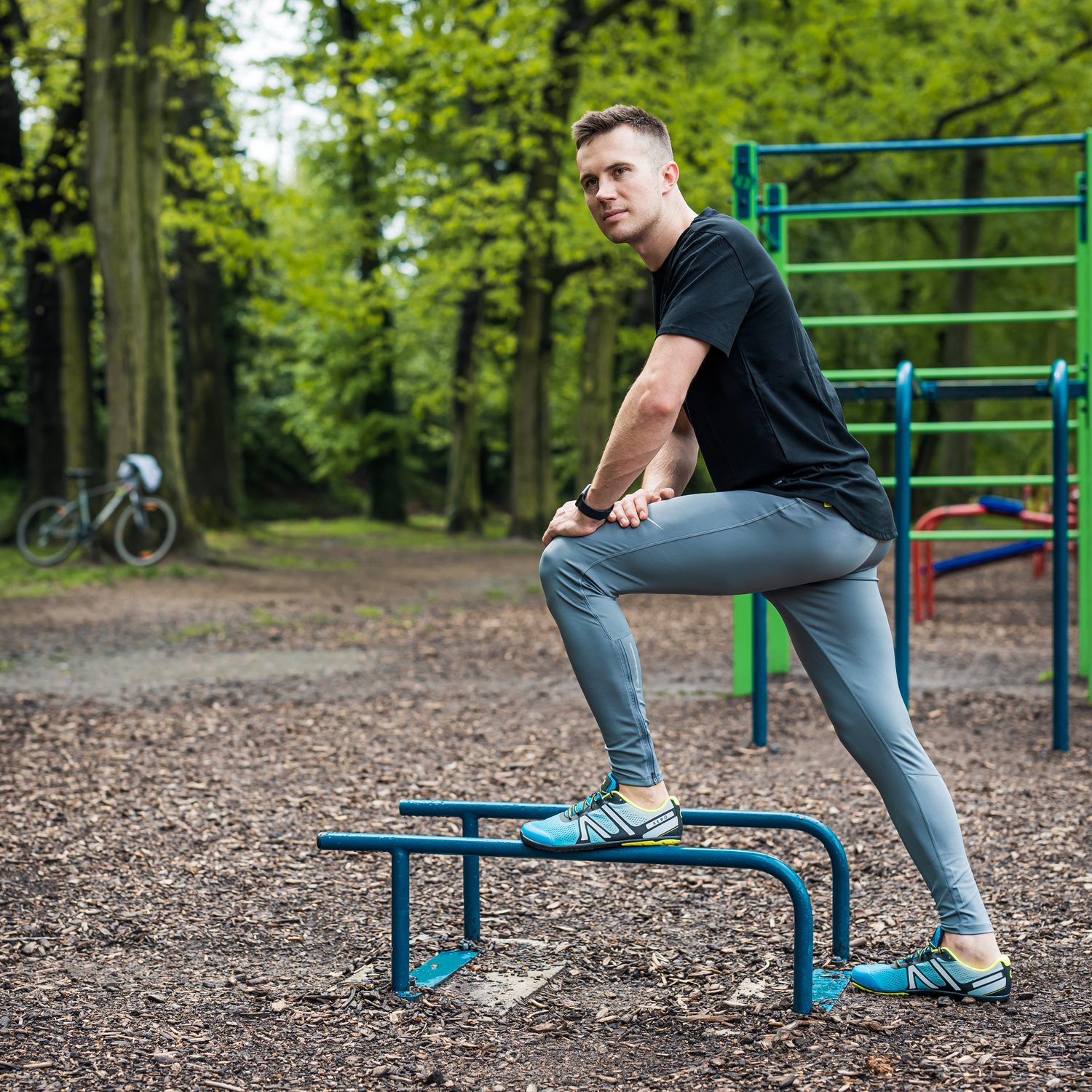
Before you start overhauling your shoe collection, don’t forget to consider your overall health – and if needed, discuss your plans first with your orthopaedic specialist or physiotherapist. Barefoot footwear isn’t suitable for everyone. Specialists generally recommend avoiding it with certain neurological or orthopaedic diagnoses, as you could unintentionally cause an injury while walking.
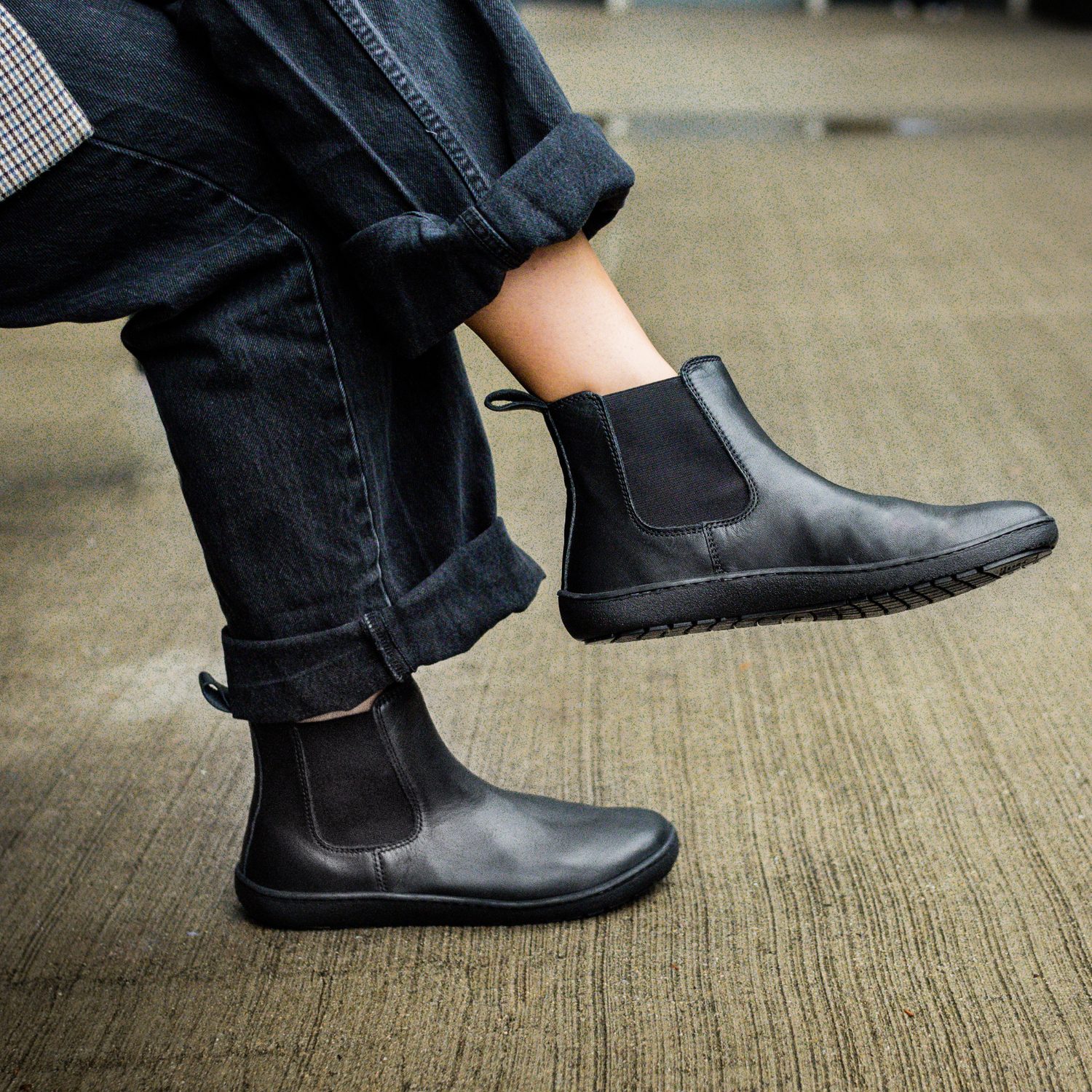
Although switching to barefoot footwear can feel a bit like a gym session at first, don’t let early setbacks put you off. Pay attention to signs of discomfort, tired feet or mild pain, don’t hesitate to use corrective aids that are available today, and definitely don’t overdo it. If you’re patient and give your body time, you’ll see that you’ll gradually get used to your new shoes.

Where your next steps might take you:


 € - US
 Čeština
 English
 Slovenčina
 Magyar
 български
 Polski
 Dansk
Dansk
 Nederlands
 Svenska
 Suomi
Suomi
 Español
 Français
 Slovenščina
 Română
 Português
 Deutsch (DE)
 Deutsch (AT)
 Deutsch (CH)

