We’ll be happy to help via online chat or at: orders@premiumbarefoot.com

Do you spend most of your day sitting? Pay attention to workstation ergonomics, balancing techniques and physiotherapists’ tips to help prevent back pain.
In physiotherapy clinics, we most often see patients troubled by chronic back pain, so-called vertebropathies. These issues usually arise from inappropriate strain – for example, prolonged sitting or physically or mentally demanding jobs without suitable compensatory exercises.
It’s important to mention repeated poor movement patterns, which are often the root cause of these problems. If you sit for just one day, nothing much will happen. Similarly, if you only include compensatory strategies in your routine temporarily.
We’ll teach you the general basics of healthy sitting and add simple tips to help you prevent back pain during long hours at a desk.
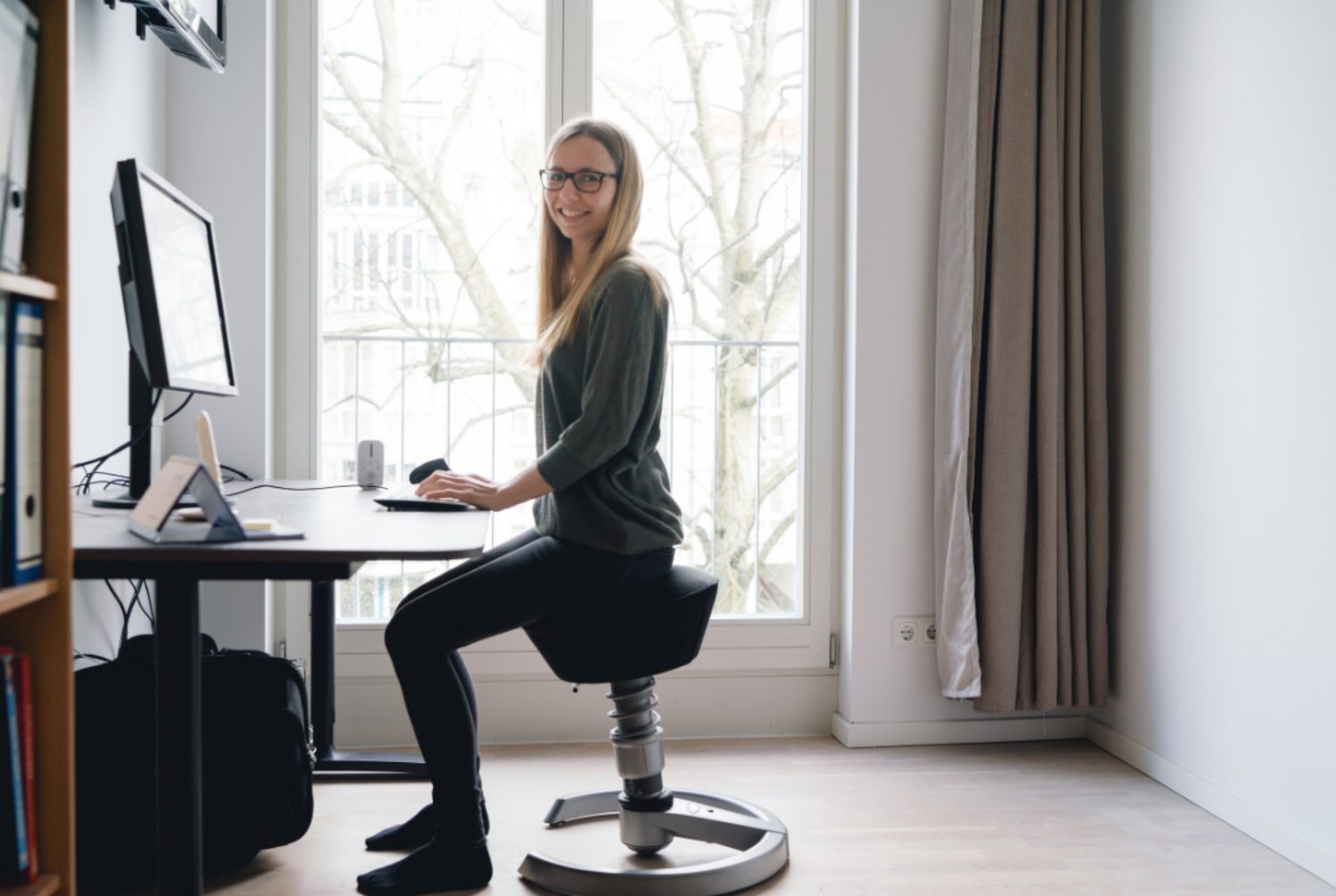
Long periods of static sitting can lead to a range of health issues. The biggest problem isn’t the sitting position itself, but the stiffness and staying in the same position for hours. For many of us, this shows up not only in the musculoskeletal system as back pain, but can also negatively affect our breathing pattern, digestion, and even circulation.
After long hours of sitting, the back tends to round forwards and the shoulders roll inwards. We also “like” to jut the chin towards the monitor, which has an unfavourable effect especially on the cervical spine. When sitting, it’s not only an upright spine that matters, but also the position of your legs. Most of us don’t support ourselves evenly through both feet. For example, one or both legs may be slightly lifted, stretched out, or tucked under the chair. This first affects the pelvis, which tilts or rotates, and then the rest of the body, including the position of the arms.

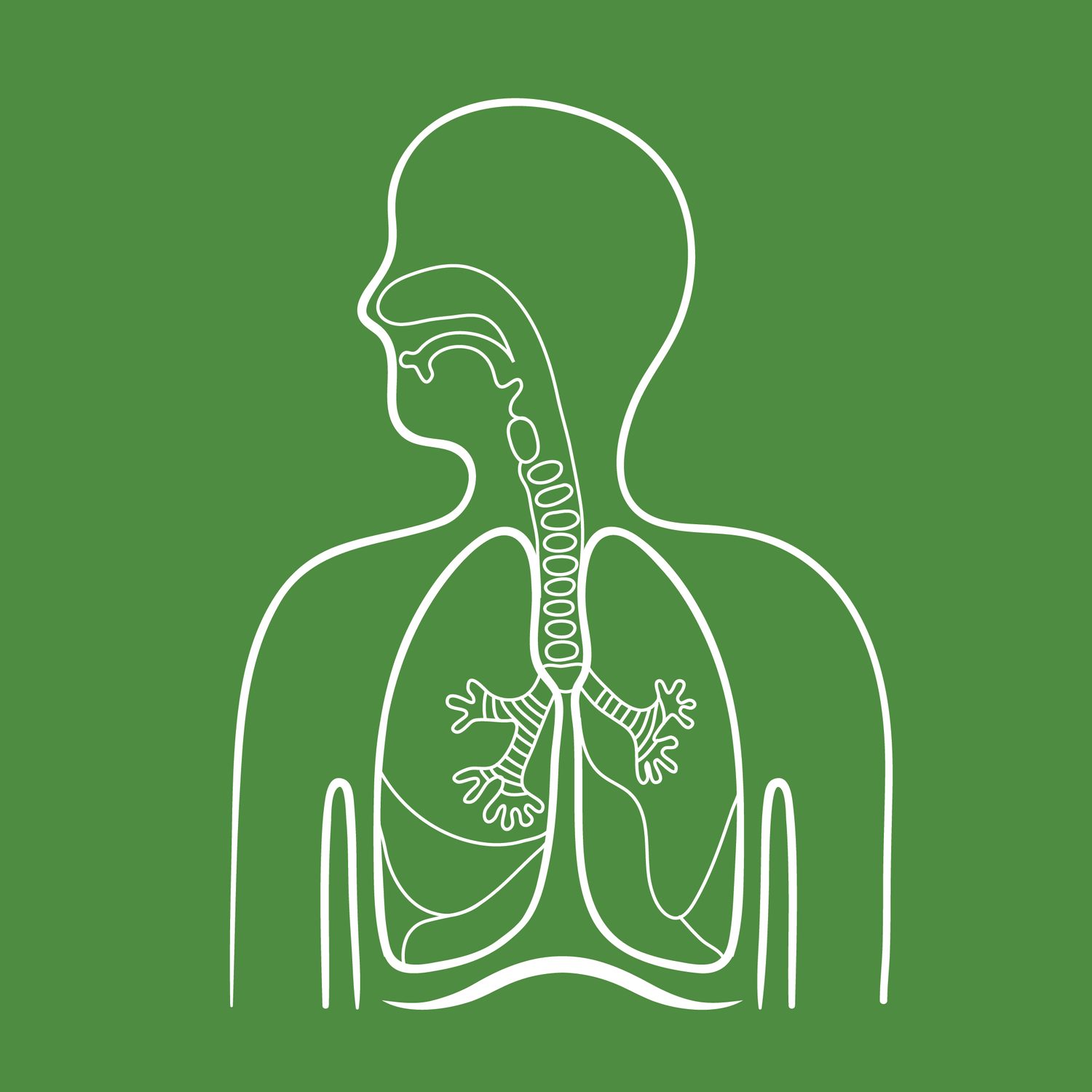
Diaphragm activity is key. Besides breathing, it has other roles too – for example, postural and sphincter functions. By postural function, we mean its influence on upright posture and spinal support. It works together with other trunk muscles, known as the deep stabilisation system of the spine. If there’s a deficit here, it affects the entire musculoskeletal system. Our movement patterns change, overload begins to build up, and we start to feel pain.
The diaphragm’s sphincter function ensures a functional closure of the oesophagus, preventing food from returning from the stomach back into the oesophagus. A deficit is typically felt as oesophageal reflux (heartburn).

Among other organ systems, poor sitting can alter breathing, digestion and, in some cases, circulation. Breathing is influenced by the position of the head and chest, as well as the diaphragm activity mentioned above.
There is compression of the abdomen, which can reduce blood supply to certain parts of the abdominal organs and limit natural blood circulation. Here, the diaphragm applies another of its functions – as it moves downwards, it massages the organs, allowing them to move in relation to one another. The intestines have reduced peristalsis due to poor sitting, so they can’t work as efficiently as we’d like. Related problems include bloating and constipation. Long periods of sitting also slow blood flow, which negatively affects the vascular system and can lead to varicose veins.
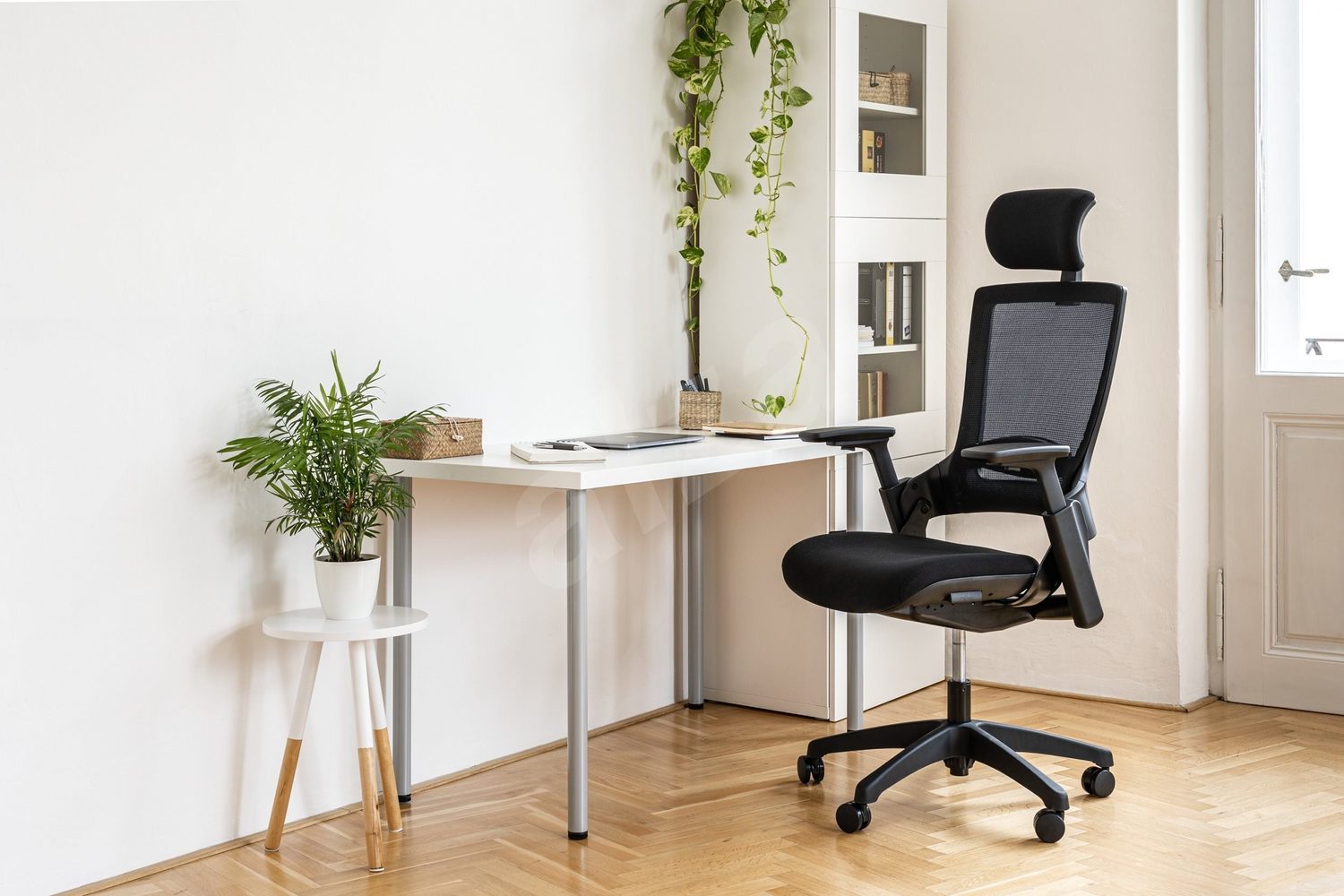
Workstation ergonomics helps you adapt your workspace to your individual needs – mainly by choosing the right desk and chair so you feel comfortable and safe. Just as important as choosing well is setting everything up correctly.
Desk should ideally be height-adjustable, so that when sitting it can be set to the height of your elbow rests. Thanks to the variable height, this type of desk also allows you to alternate working positions (sitting, standing, kneeling).
Chair should be easy to adjust to your individual needs, respecting your body’s anatomy. It should provide sufficient support for your trunk, back, elbows and head. Remember: you can sit well on very few chairs, but you can sit badly on any chair.
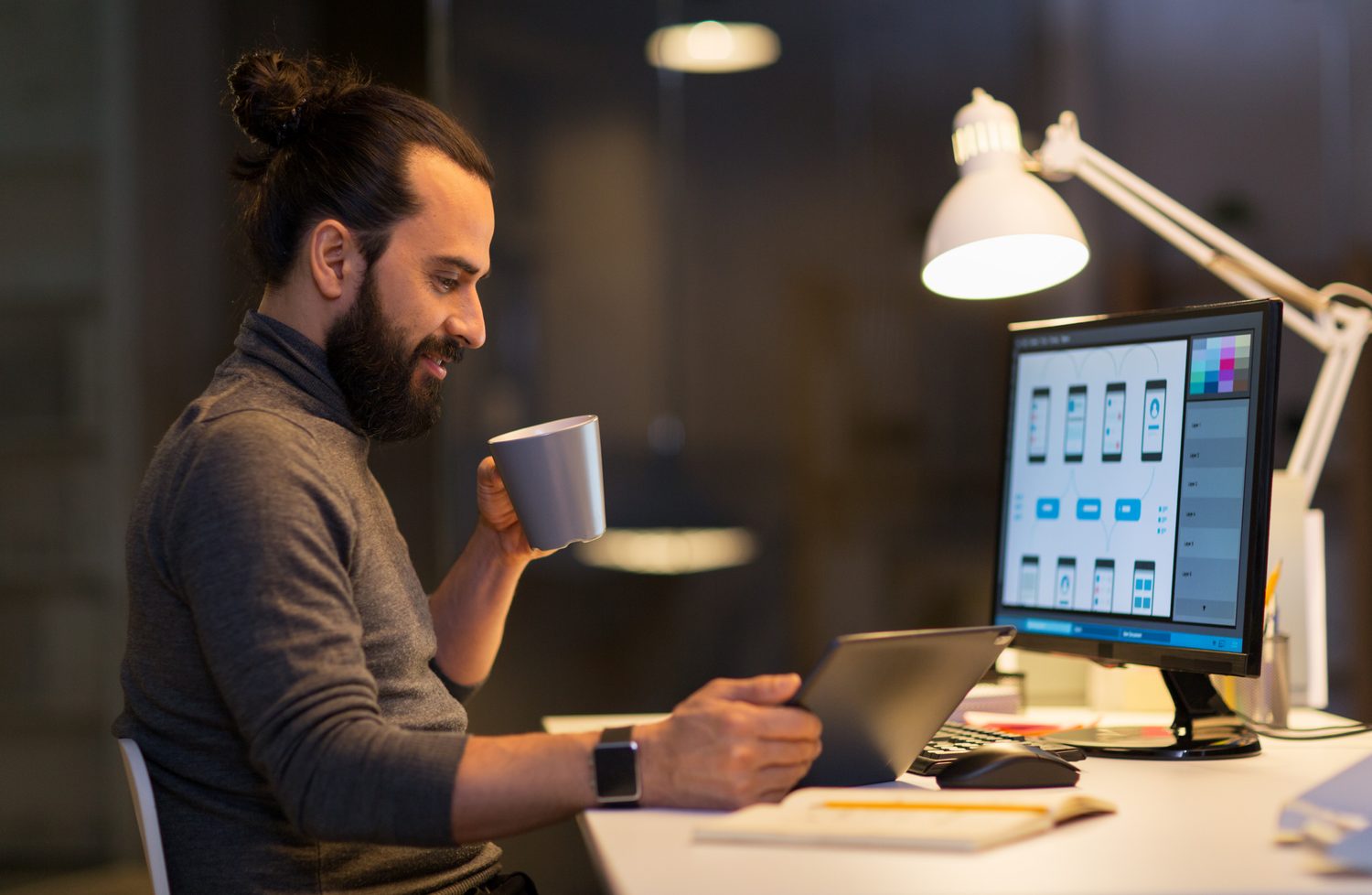
Monitor should have its top edge at eye level when you’re sitting upright. Depending on the screen size, it should be about 50–60 cm away. Its position is also crucial. You should have the monitor directly in front of you to avoid pronounced working asymmetry. Screen glare matters too, because we subconsciously adjust our posture to avoid reflections. For long-term work, a matte panel is therefore more suitable.
For the reasons above, using a laptop for long-term work isn’t ideal. It doesn’t follow ergonomic principles and can overload the neck and upper trapezius muscles.
There isn’t one universal “correct” way to sit. Any position you hold statically for tens of minutes at a time isn’t beneficial for your body. While sitting, aim to adopt an active sitting posture regularly. In active sitting, muscles throughout the body engage. Use support through the whole soles of your feet, load through the pelvis, support through the elbows, and an upright spine including the head, which should be in line with it.
Closely linked to supporting yourself through the soles of your feet is choosing suitable footwear, because bare feet often aren’t welcome in workplaces. Many people also don’t tolerate being barefoot because they constantly struggle with cold feet. Barefoot shoes offer a great compromise between being barefoot and wearing shoes. They provide enough space for the whole foot, including the ability to splay the toes – something conventional footwear often lacks. If our feet don’t have enough room, they can’t work properly. This affects the alignment of the whole body.
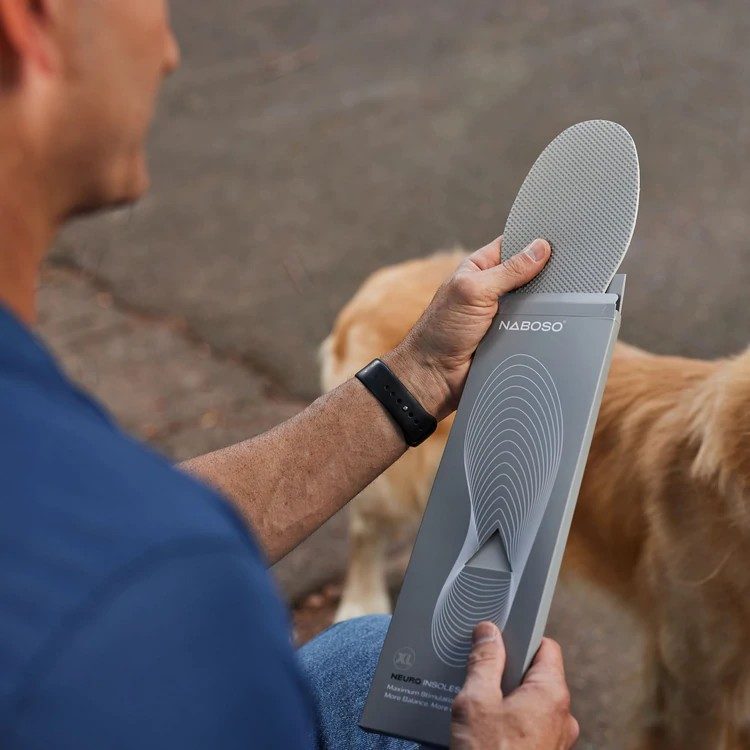
While working, you can also stimulate the sole of the foot to improve awareness, for example with sensorimotor insoles or a massage mat.
Dynamic sitting can also be beneficial for the body, but not for the entire working day. In dynamic sitting, the body balances and stimulates the muscles to engage. However, with long-term use it can overload superficial muscle–fascia structures, leading to discomfort or musculoskeletal pain. Use it, for example, during breaks. Overall, though, no more than 1–2 hours of your working day.
For this type of sitting, you can use a balance cushion, gym ball or kneeling chair. Of course, dynamic sitting won’t suit everyone. In that case, look for another suitable form of compensation. As physiotherapists, we care about each client’s individual preferences.

Don’t forget to keep your feet in shape with simple exercises that can help you.
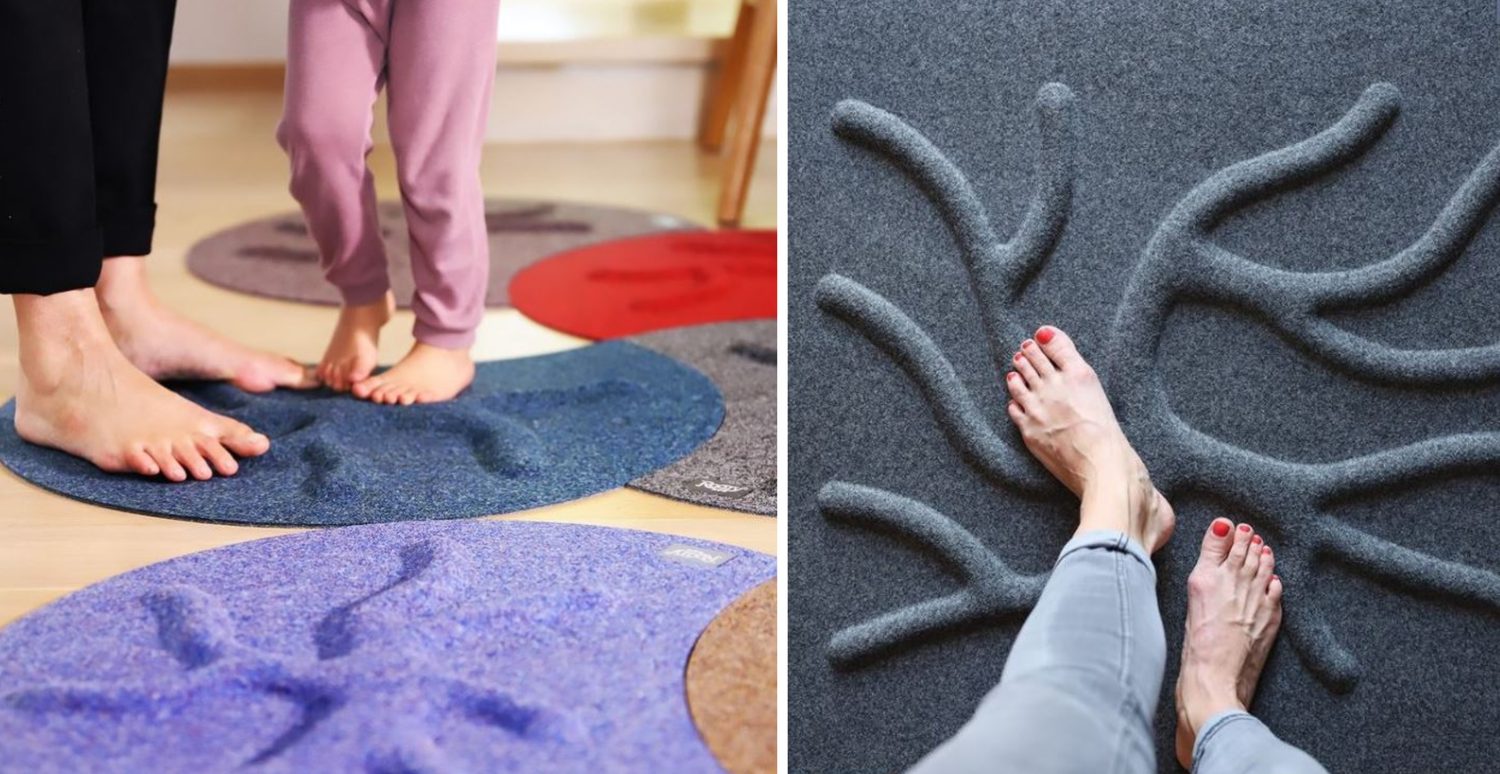
Nowadays, the amount of time most people spend moving during the day is decreasing. Many travel to and from work by car or public transport, sit at work, and then spend the evening at home watching TV or reading. If you have a sedentary job, you may be sitting for more than eight hours a day. That’s why it’s a good idea to include corrected sitting with an upright spine as often as possible during the working day, and at least once an hour stand up and take a short walk – for example, to make a cup of tea or get some water. If you have a sensorimotor rug in the room, you can use it to stimulate the soles of your feet. This mechanically toughens them up, and your brain receives a different sensation than just a smooth floor.
Also add a short stretch or a few exercises after long sitting during a work break. Outside working hours, it’s still a good idea to make time for physical activity. If you’re not sure how to start and you’d like to exercise healthily from the comfort of home, you can begin with the Kinisi physio plan. It’s a four-week exercise programme created by physiotherapists.
However, if your back already hurts, simply seek out a physiotherapist who can recommend tailored exercises and talk you through how to start moving. You can also see one as a preventative measure, but unfortunately preventative appointments are not yet covered by health insurance providers.
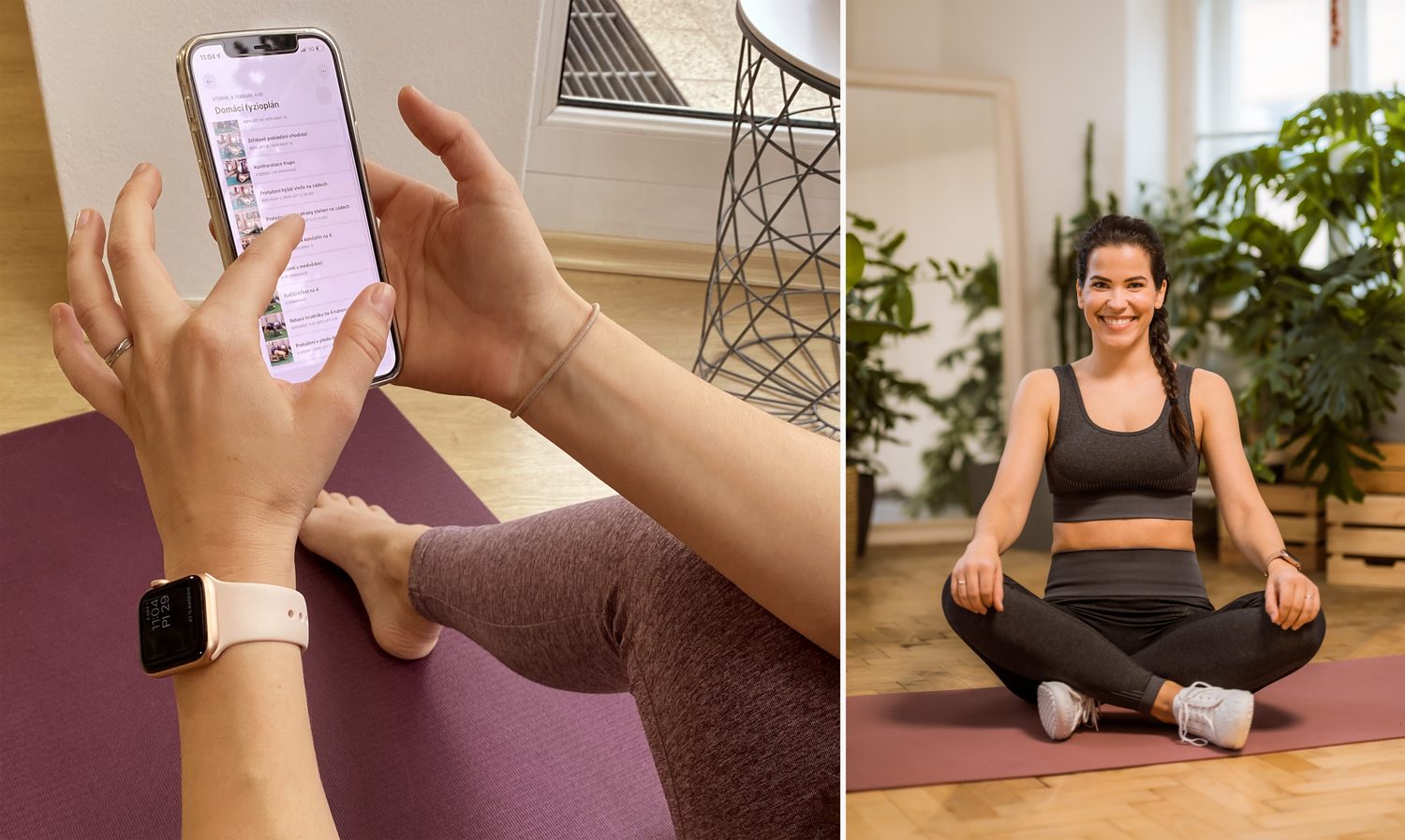
 BSc. Lucie Pochmanová
Physiotherapist at Kinisi – a physiotherapy centre. She focuses on adult physiotherapy, women’s physiotherapy, and paediatric physiotherapy (children from 5 years).


 € - US
 Čeština
 English
 Slovenčina
 Magyar
 български
 Polski
 Dansk
Dansk
 Nederlands
 Svenska
 Suomi
Suomi
 Español
 Français
 Slovenščina
 Română
 Português
 Deutsch (DE)
 Deutsch (AT)
 Deutsch (CH)

