We’ll be happy to help via online chat or at: orders@premiumbarefoot.com

Pregnancy brings major changes to your musculoskeletal system. Listen to your body and get back into shape as soon as possible after birth with simple exercises or with the help of a physiotherapist.
The human body develops and changes throughout life, constantly adapting to both the external and internal environment. Our posture and movement patterns are continually influenced by many factors such as our breathing, posture, lifestyle and daily rhythm, the work we do, and whether (and what kind of) sport we do. Over time, we’re affected not only by injuries, operations or illness, but above all by our mental state and stress.
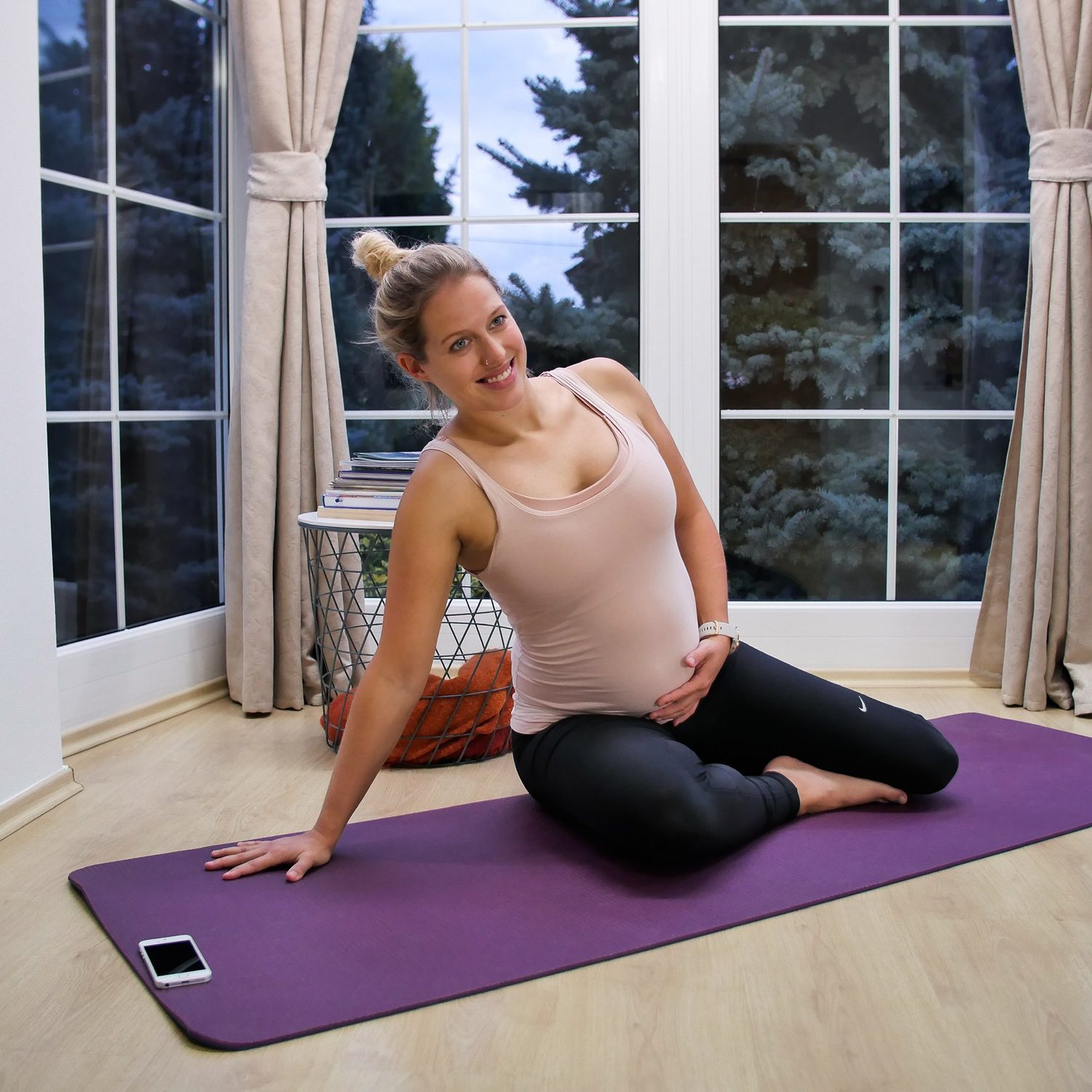
Pregnancy brings fairly significant changes (not only) to the musculoskeletal system over the relatively short period of nine months. If a woman had hidden issues in the musculoskeletal system before becoming pregnant, they very often show up during pregnancy. If we learn to tune into our body and work with it before pregnancy, we can adapt much more easily to the changes that happen during pregnancy. And we’ll find it much easier and quicker to get back in shape after giving birth.
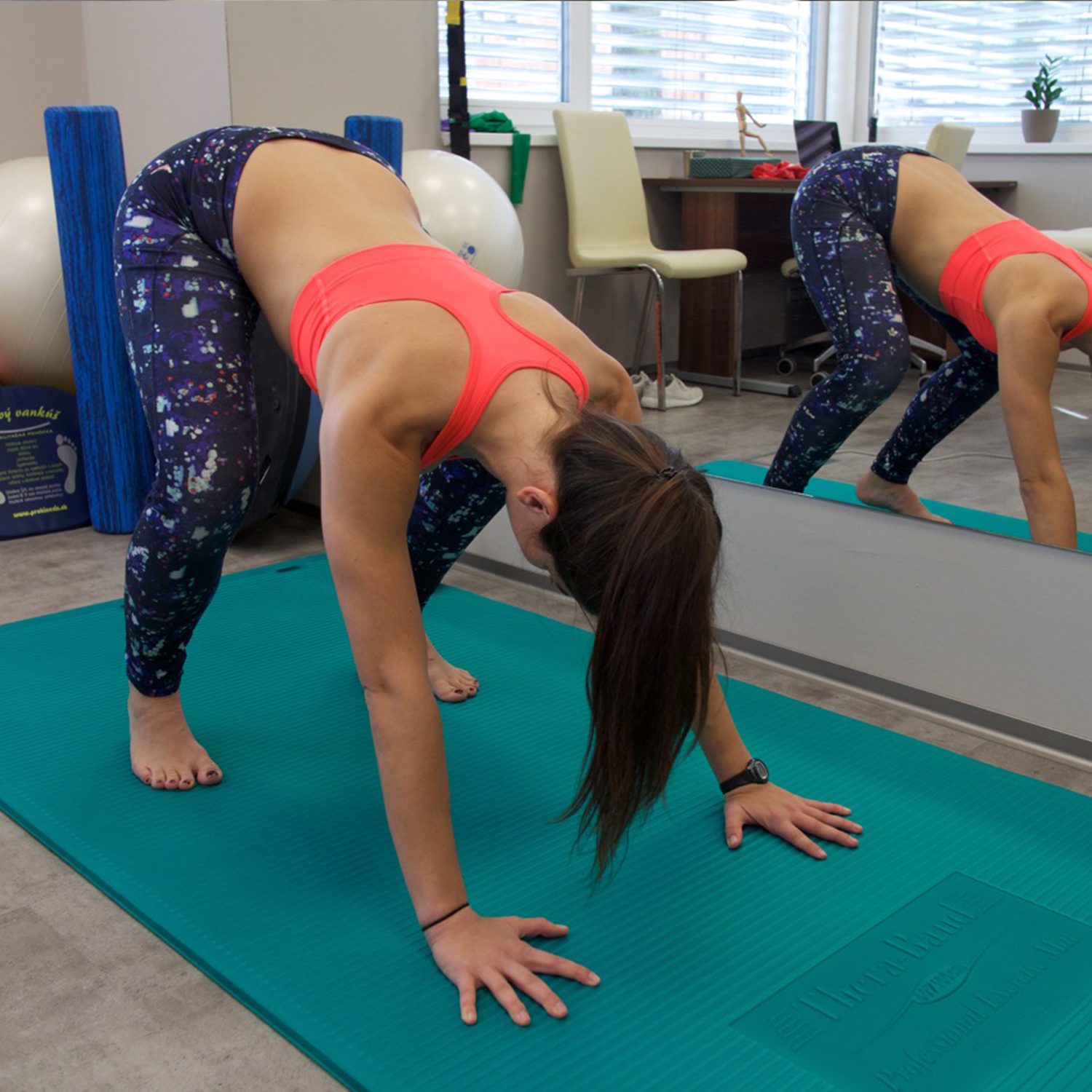
Ideally, we should learn optimal posture and the correct engagement of the abdominal wall, diaphragm and other deep core muscles even before pregnancy. Active core stabilisation gives us not only excellent support for the spine (helping to prevent back pain) and better blood flow to internal organs (helping to prevent reflux and constipation), but also better pelvic floor function (pain-free periods, prevention of incontinence).
Working on your musculoskeletal system before pregnancy can help prevent pain during pregnancy and after birth. Good condition and function of the abdominal wall are prevention against separation, also known as diastasis of the rectus abdominis muscles. Optimal muscle set-up helps keep the musculoskeletal system in good shape, and quality activation of the abdominal and pelvic floor muscles also contributes to a smoother birth.

During pregnancy, your body goes through very intense changes in a short time:
Pregnant women very often experience pain in the back, pelvis and other dysfunctions that may seem unrelated to pregnancy and are considered “normal” at this time. However, many complications can be addressed quite successfully with well-guided physiotherapy and exercise.
The main goal of a physiotherapist when caring for a pregnant woman is to:
As birth approaches in physiotherapy we deliberately release tension in the diaphragm and practise full breathing into the torso. Mum then uses the strength of the diaphragm during labour itself (the second stage) to help push the baby into the world. We also practise targeted relaxation of the pelvic floor as part of birth preparation (to shorten the first stage of labour). We focus on practising labour positions in relation to breathing, techniques that support uterine toning during labour, and prevention of unfavourable foetal positioning and engagement.
| In Prague, women can access care at KINISI – Physiotherapy Centre, which naBOSo has been working with long-term, or use the online PREGNANCY EXERCISE PROGRAMMES for – BEGINNERS OR ADVANCED. |
After a vaginal birth or a caesarean section, our main goal is to restore functional support of the abdominal wall through diaphragmatic breathing and lengthening the whole spine. We start conscious work with the musculoskeletal system 12–24 hours after birth. A key aim is also to speed up uterine involution and achieve its correct positioning. With gentle upper-limb exercises, we support activation of the chest muscles and encourage lactation.
Right in the maternity ward, after a vaginal birth we can practise basic diaphragmatic breathing to help mobilise the ribcage that was compressed during pregnancy. Breathing shouldn’t be forced; instead, aim to breathe into the whole torso (forwards, backwards and into the sides). The ribcage expands in all directions. A common mistake is breathing only into the belly, or breathing into the chest while lifting the shoulders towards the ears. This unnecessarily overloads the accessory neck and chest muscles used for inhalation.
Our next goal in the following days is to bring the diaphragm (ribcage) parallel over the pelvic floor (pelvis) and to lengthen the spine as much as possible. We then practise this posture standing, sitting and when leaning over the baby’s cot. Even in hospital, we can practise safe handling of the baby and good posture when carrying them. We focus on pelvic alignment – so it doesn’t tip forwards and we don’t over-arch the lower back. We avoid lifting the baby from a deep forward bend using the back with straight arms. Instead, we do the whole movement through a squat and using the strength of the legs, then rise to standing with a long, upright back.
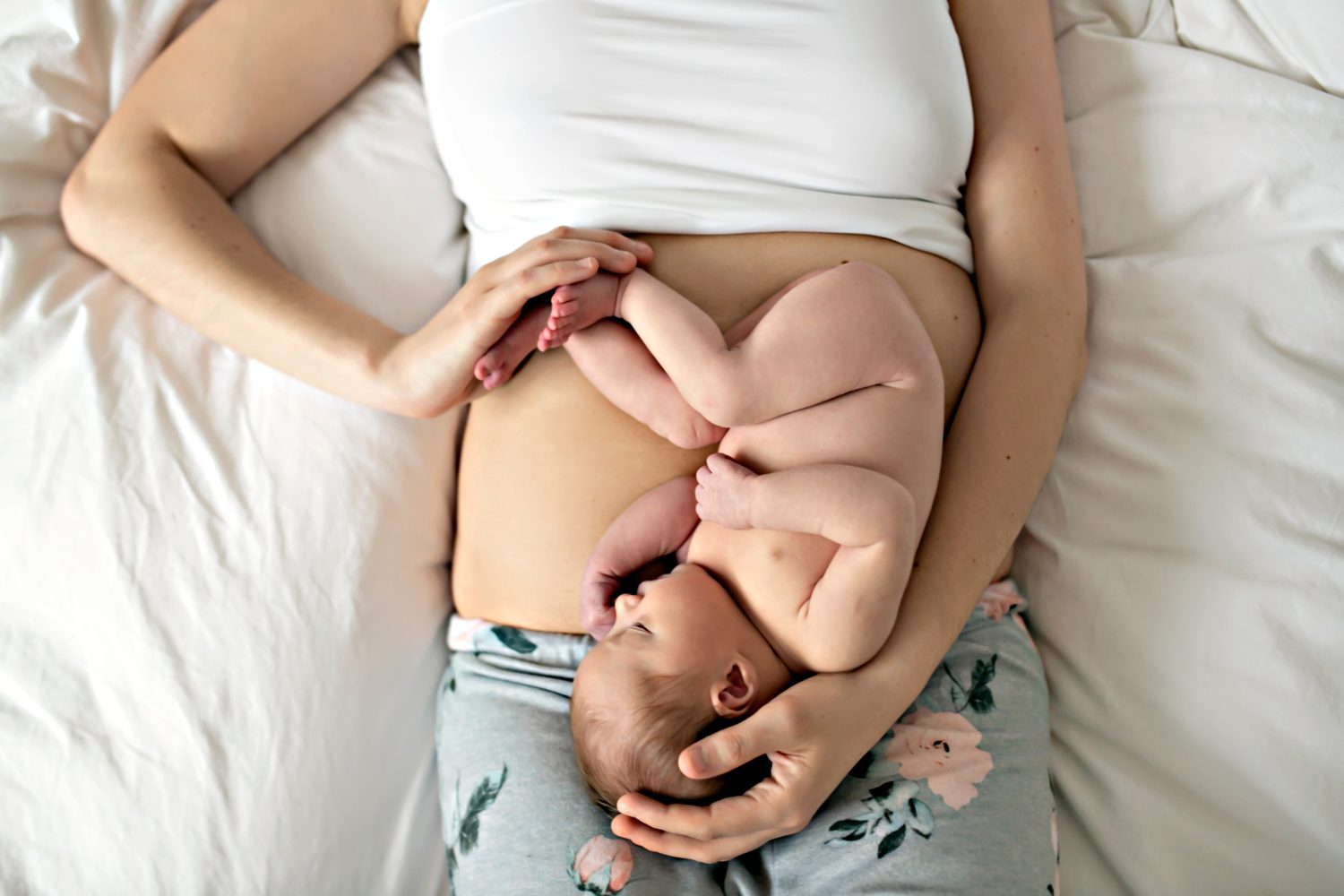
From the earliest possible moments after a caesarean birth, it’s important to “connect” with your scar. You can gently place your palms on the scar (even over the dressing) and touch the whole tummy. Contact through the palms supports not only better uterine involution, but the warmth from your hands can also trigger regenerative processes in the body. If the scar feels unfamiliar at first and it’s uncomfortable to touch it, we recommend asking your partner to help.
Immediately after birth you can start breathing into the diaphragm and pelvic floor, and gradually begin to feel this area again. Correct activation of core stabilisation helps reduce pressure and pulling forces acting on the scar. On the first day after birth, the woman showers the scar and dries it thoroughly, and continues this throughout the entire postnatal period. For proper scar healing, regular emptying of the bladder and bowels is important. A good option is drinking teas with antispasmodic effects (substances that relieve cramps – lady’s mantle or raspberry leaf tea). When changing position or coughing strongly, it’s helpful at first to protect the scar by supporting it with your hands to prevent excessive strain.

A very helpful option, not only after a caesarean but also after a vaginal birth, is belly wrapping or gentle compression with an elastic band, which also supports uterine involution and prevents excessive pulling in the abdominal cavity. At first, we moisturise the scar with creams designed for moist wound healing. After 2–3 weeks, we use silicone gels, which hydrate the scar and support collagen formation. For the first few months, it’s a good idea to wear high-waisted knickers, which won’t irritate the scar with their edge. The same applies to trousers, so we recommend looser high-waisted skirts or dresses.
It’s very beneficial to book an appointment 4–5 weeks after a caesarean birth with a physiotherapist, who will teach you how to care for your scar as well as possible and go through basic exercises with you.
During the postnatal period and once you’re home, rest as much as possible. Let your body recover. Enjoy gentle movement and walks in the fresh air. You can use belly wrapping or an elastic band to help align the torso and support stability in the lumbar spine.
In the six weeks after birth, lie on your tummy as often as possible, for better uterine involution, and continue practising diaphragmatic breathing and torso alignment during everyday activities. Avoid training the rectus abdominis with exercises like crunches. With a classic crunch, in most cases there’s strong activation of the superficial abdominal brace and hip flexion. This creates uneven, unbalanced tension in the abdominal wall and back muscles, with a risk of developing or worsening functional or structural diastasis.
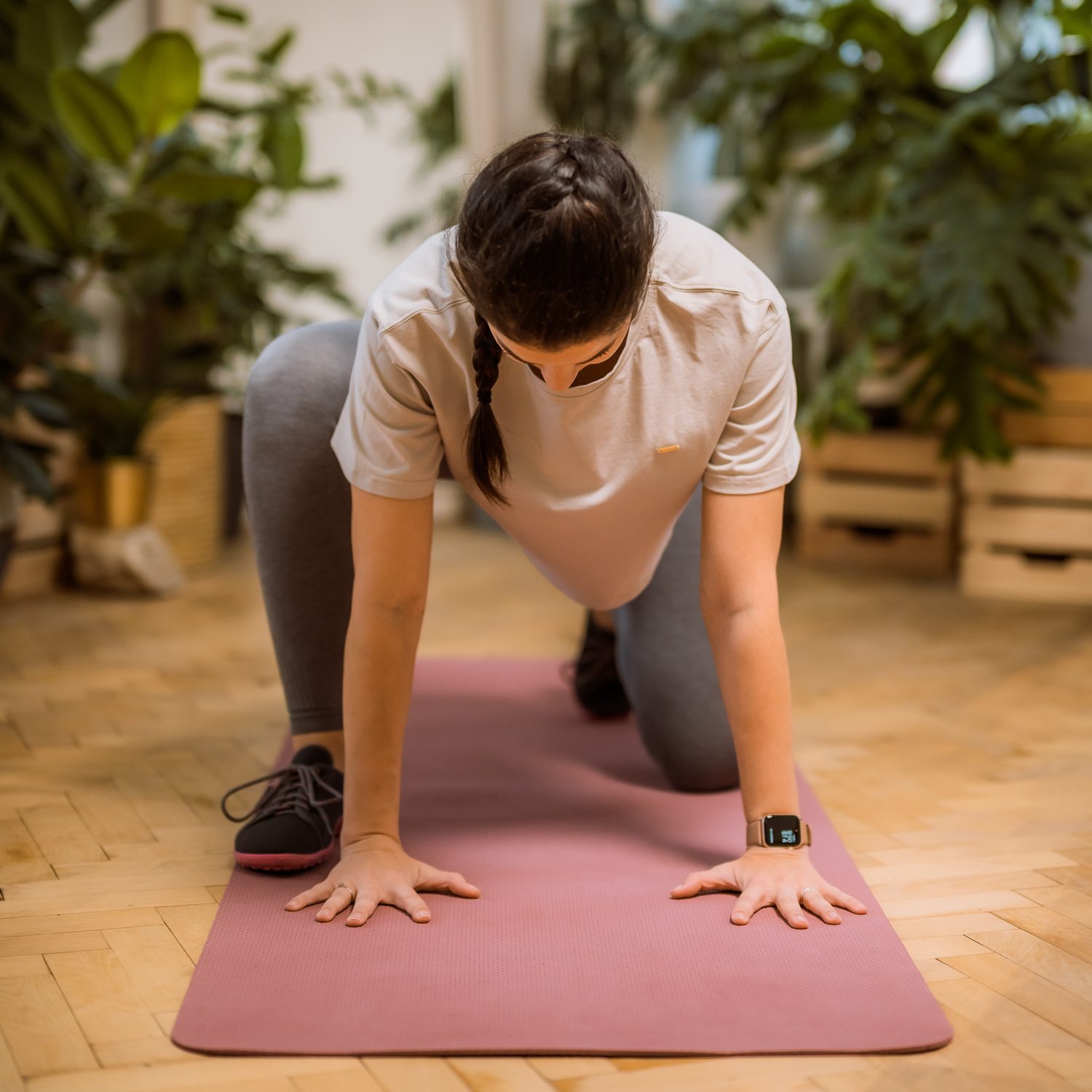
It’s better to activate the whole torso evenly together with the diaphragm, abdominal muscles, back muscles and pelvic floor. How quickly the abdominal wall “tightens up” after birth depends on genetically determined elasticity of connective tissue and muscles, weight gain during pregnancy, the condition of the abdominal wall before and during pregnancy, and also the course of the birth itself (vaginal or caesarean).
We start targeted stabilisation exercises for the abdominal muscles around 5–8 weeks after birth. Again, it all depends on the condition and function of the woman’s musculoskeletal system. If you’re not sure about technique or the right level of load, we recommend seeing a physiotherapist. They will assess you in detail, provide appropriate therapy and teach you the basic principles of correct, physiological exercise.
Everyday handling of your baby is an enormous load on your back. Many new mums experience significant pain in the lower back, neck or head, or pain that shoots under the shoulder blades and into the arms. However, these problems can be prevented effectively.
Pay attention to:
When carrying your baby well, the abdominal wall is naturally active. In this posture, the diaphragm can properly fulfil both its breathing and stabilising functions, and the resulting intra-abdominal pressure creates excellent support for the back.
It’s just as important to respect and apply these principles when carrying your baby in a carrier or sling, i.e. “ergonomic carrying”.

The experience of Andrea Součková, co-founder of naBOSo
Pregnancy is a wonderful time, but it’s also great to prepare for it. I did a lot of sport before pregnancy, mainly running and crossfit. Unfortunately, I felt very unwell for the first three months and couldn’t do anything except walk, so my fitness dropped quickly. As soon as I started feeling better, I contacted personal trainer Lucka Barnáš. Under her guidance, I trained with bodyweight, but also on machines or TRX twice a week. It felt like great maintenance training to keep muscle memory and stay in shape—after all, birth is physically demanding, and being fit helps.
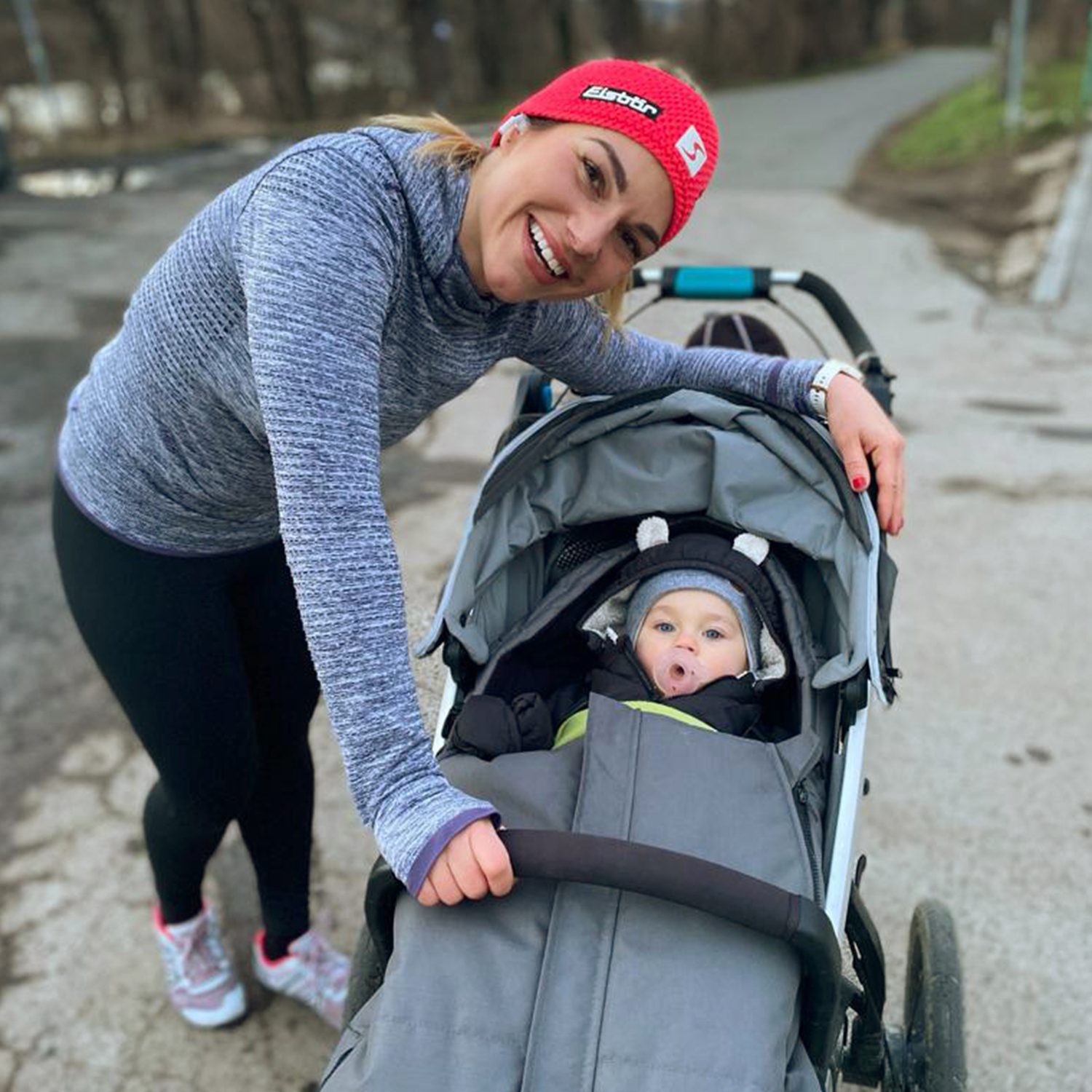 Sadly, running didn’t work for me—it wasn’t comfortable—but I tried to walk the same distances instead. I also stretched and occasionally added pregnancy yoga. Around halfway through pregnancy, my partner and I attended a gentle birth course to prepare for labour. I really recommend these courses. Afterwards, we chose a doula Andrejka Kapitánová and continued preparing with her. Labour was long and demanding and ended in a caesarean section. During the postnatal period I rested as much as possible, went for walks, and then started training with bodyweight again—basically the exercises I knew with Lucka—and gradually added more. I paid close attention to my body.
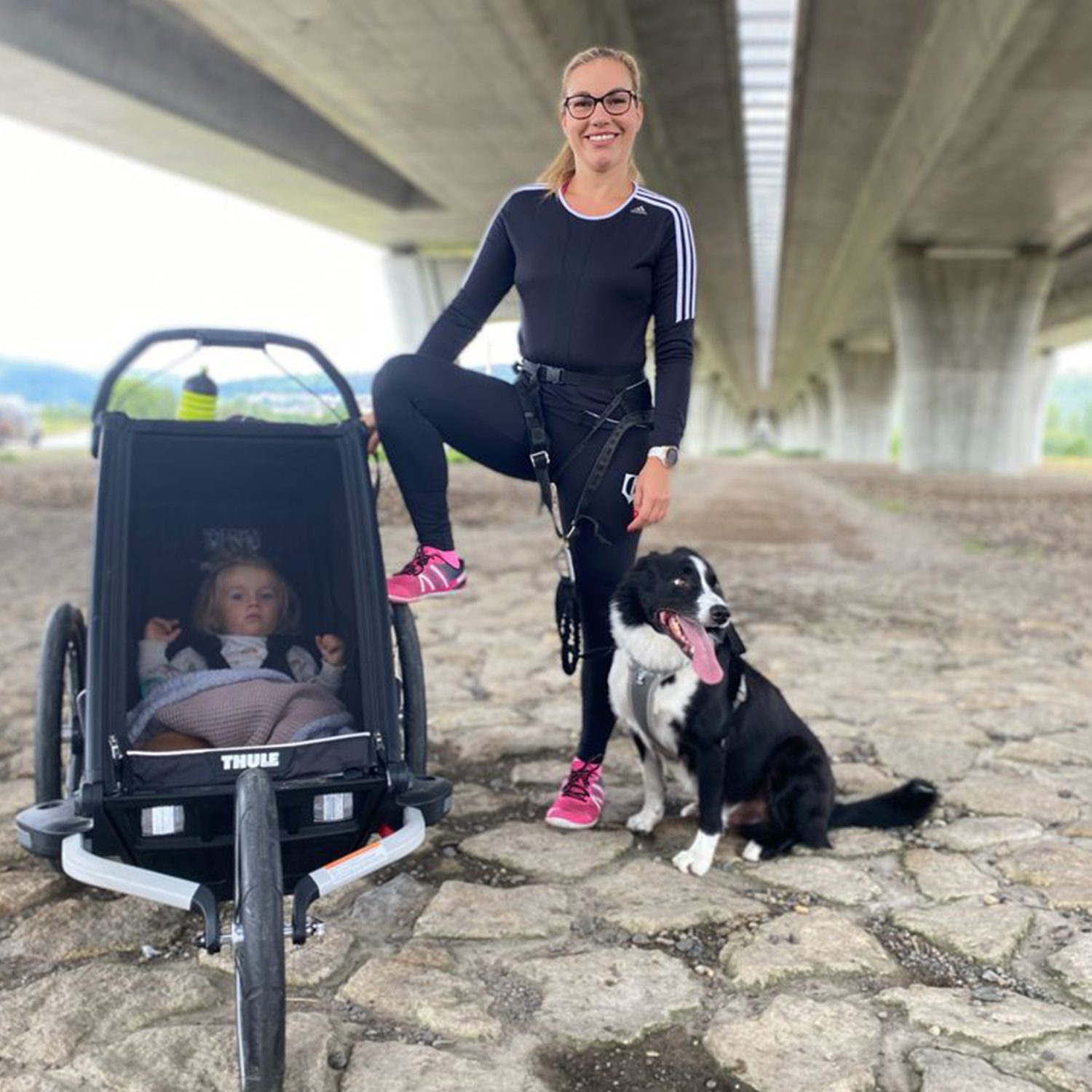 I started running again—at first with run-walk intervals, then naturally—and everything quickly returned to how it was before (and I gained 25 kg). I ran with a Thule pushchair and I highly recommend it. You can even work out with it—lunges, squats, rolling along a bit, jogging a bit, finding a bench for a few press-ups, and so on. Pushchair workouts are great too; I recommend our kindred spirit Mamasport. I think any movement during pregnancy and after the postnatal period counts. It will lift your mood and make everything feel easier. Either way, you’ll definitely be going out with the pushchair.
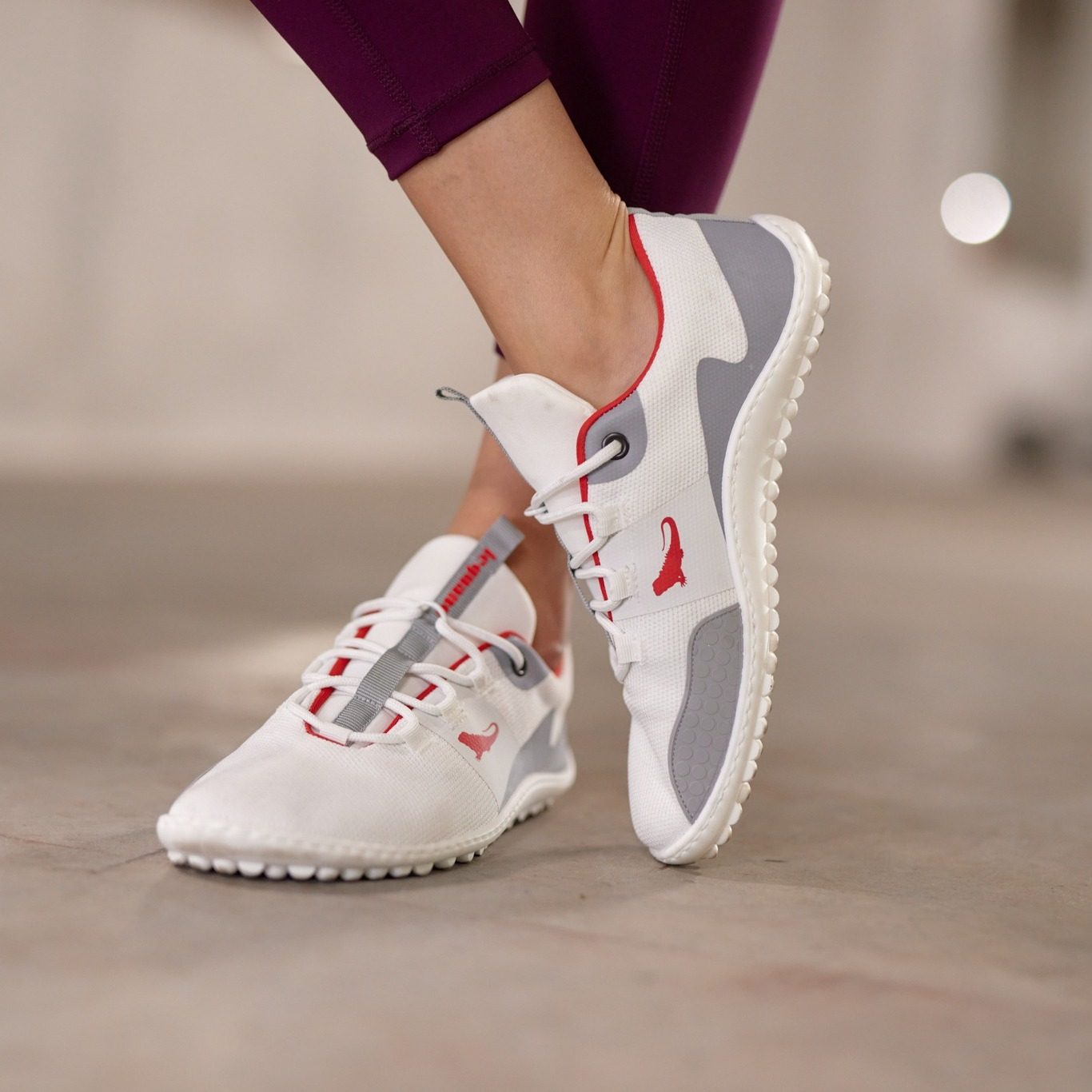
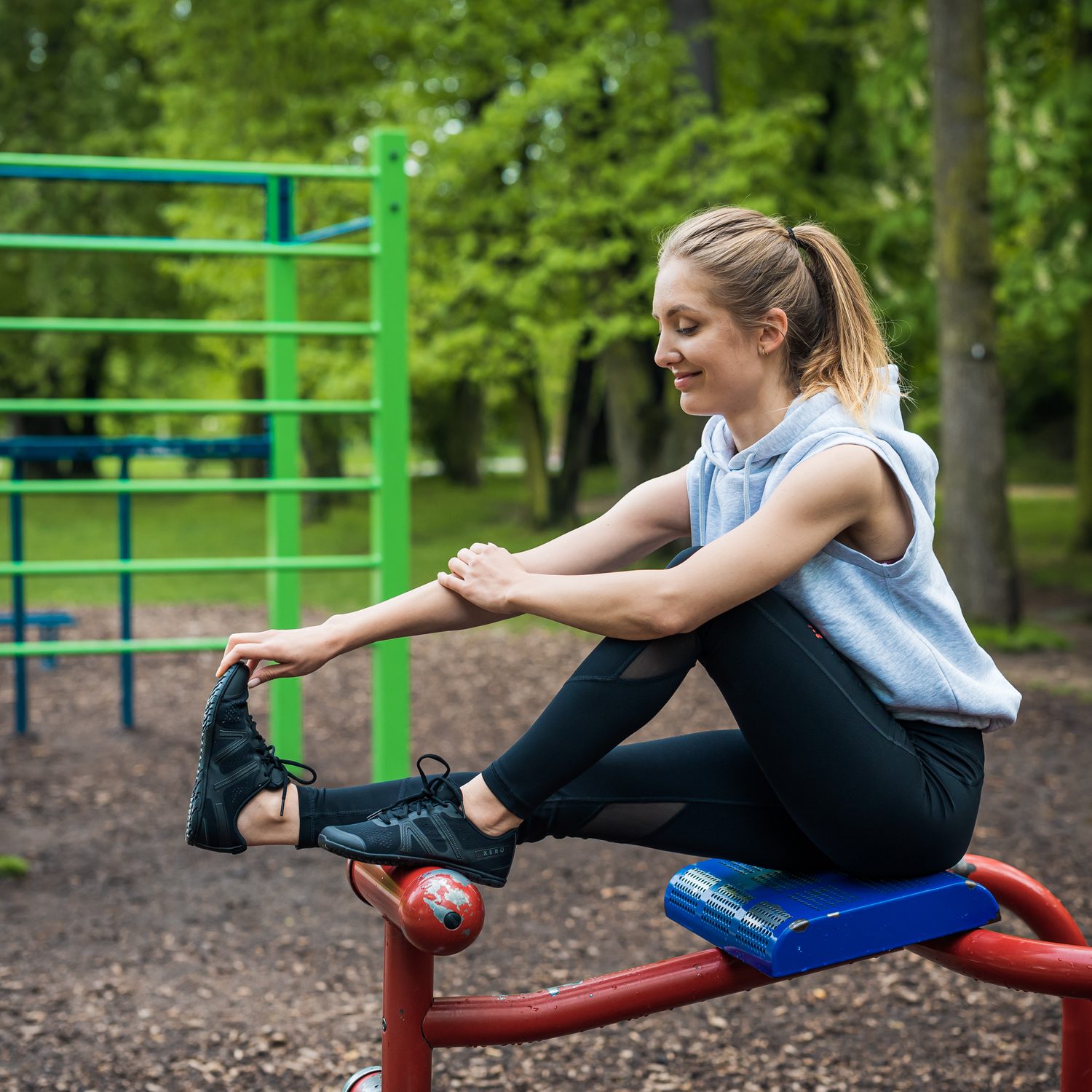
| Thanks to barefoot shoes—my feet swelled a lot and I wouldn’t have fitted into normal shoes. For sport I mainly wore the HFS model from Xero Shoes, for walking leguano aktiv and in winter the husky model. |
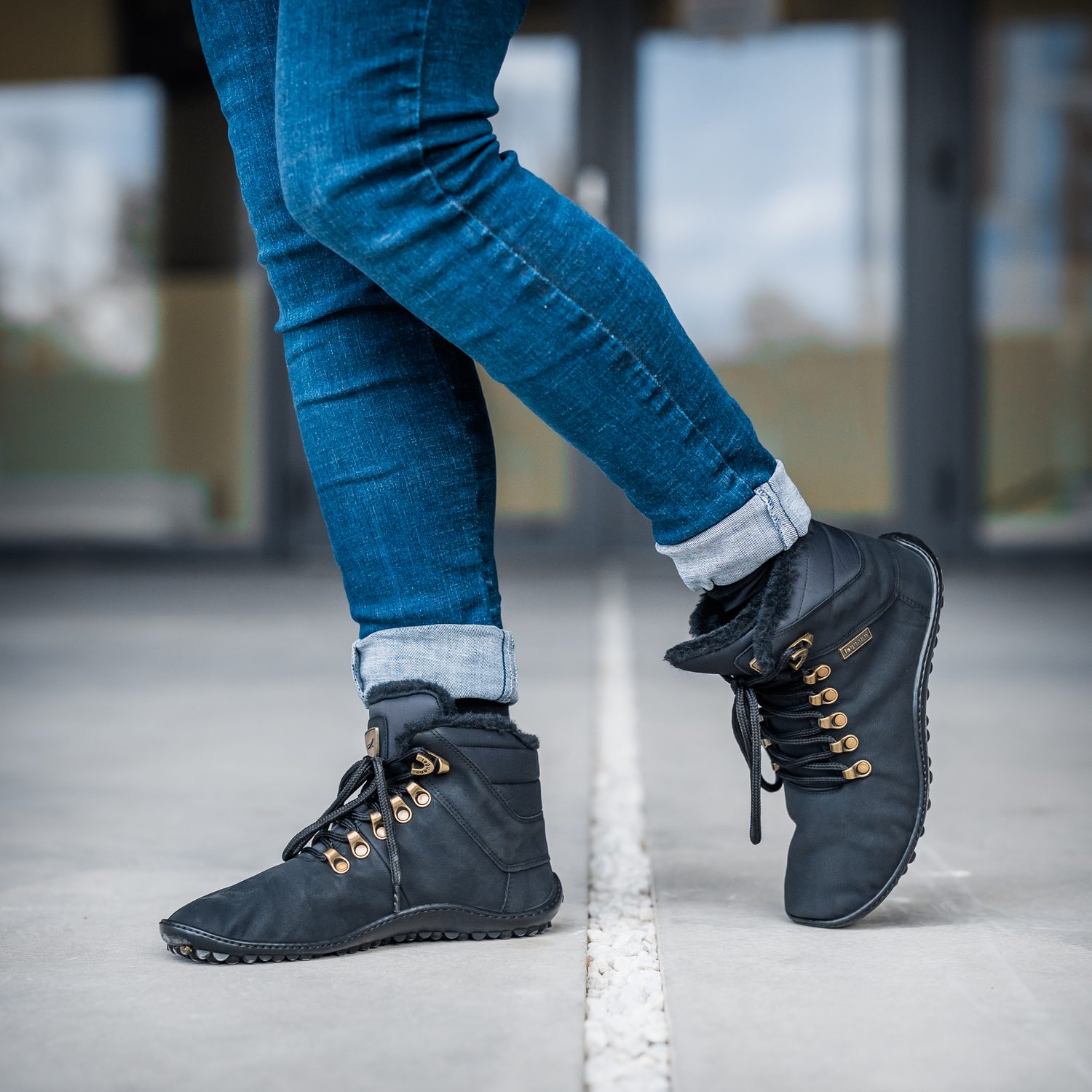 Recommendations for anyone who wants to start wearing barefoot shoes during pregnancy
During pregnancy, I recommend starting more slowly than you would before pregnancy. Put the shoes on for a 20-minute walk and observe how your body feels. A big advantage, especially if your feet swell, is the width and lightness of barefoot footwear. Personally, for this period I’d recommend the leguano brand for its urban style and softer sole. Another advantage is zero drop—the difference between heel and toe height—which helps stabilise the body when your centre of gravity shifts because of your bump.
In barefoot shoes your whole foot naturally engages when you walk, as do the pelvic floor muscles—whose quality is strongly influenced by the quality of your feet.

Parents shouldn’t skip a physiotherapist visit for children where there is suspicion of asymmetrical development (e.g. a head-turning preference, poor support when lying on the tummy and similar), an orthopaedic defect, a neurological condition, an umbilical hernia, or in children who experience abdominal colic.
Our thanks to Mgr. Lenka Vojtovič, co-founder of KINISI – Physiotherapy Centre, with whom naBOSo has been working long-term, for compiling these tips for mums.


 € - US
 Čeština
 English
 Slovenčina
 Magyar
 български
 Polski
 Dansk
Dansk
 Nederlands
 Svenska
 Suomi
Suomi
 Español
 Français
 Slovenščina
 Română
 Português
 Deutsch (DE)
 Deutsch (AT)
 Deutsch (CH)

