We’ll be happy to help via online chat or at: orders@premiumbarefoot.com

Are barefoot shoes suitable for everyone? A physiotherapist explains how to prepare your feet for the switch from conventional shoes so you can enjoy your very first steps.
Barefoot footwear – sometimes called ‘barefoot shoes’ – is booming in our country right now. At the same time, it still sparks controversy among both the general public and professionals. On the one hand, you’ll read that barefoot shoes can work literal miracles and help with almost any issue in the body.
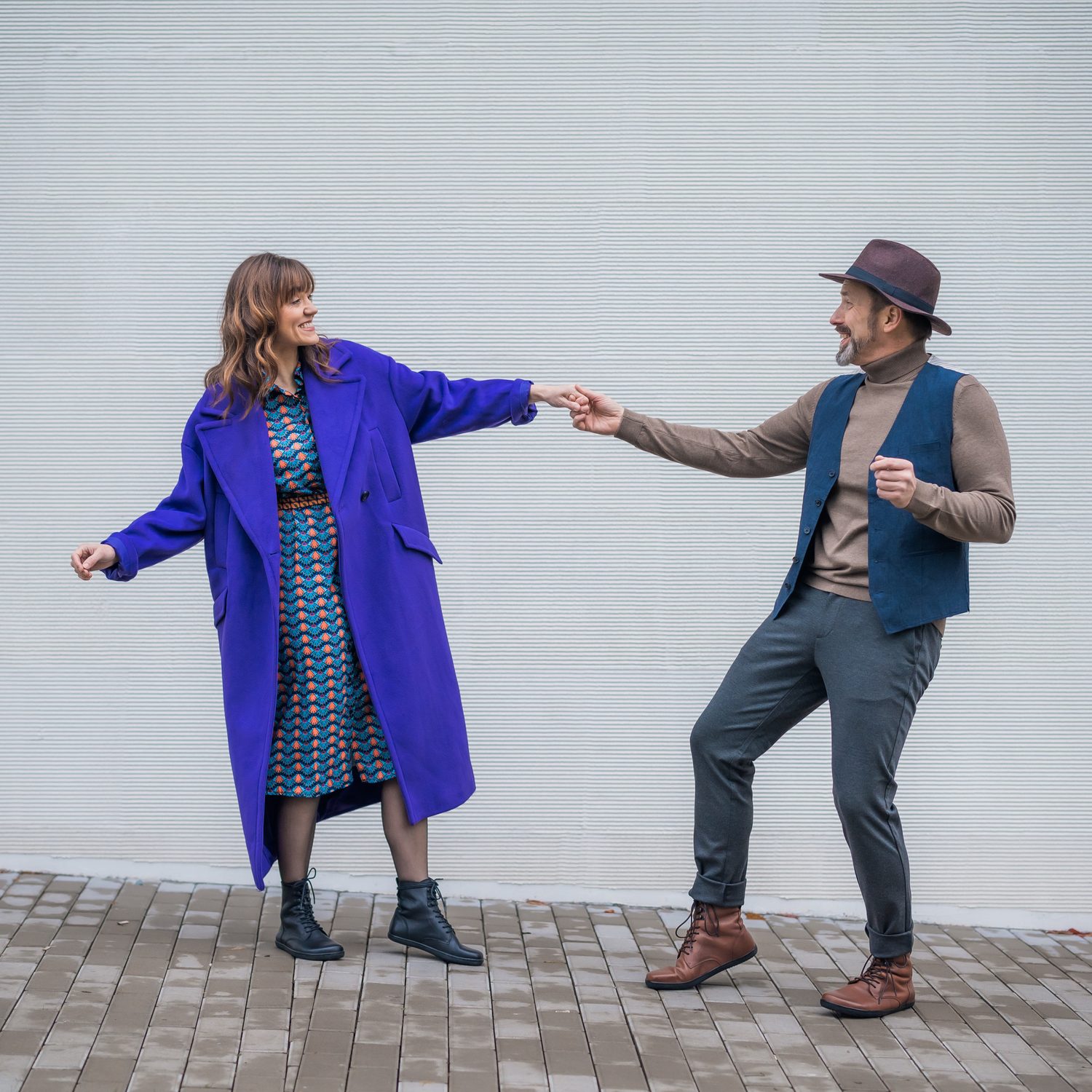
On the other hand, there’s a camp of opponents who are convinced it’s just a passing trend and warn that barefoot footwear and walking barefoot will ruin our feet. So where’s the truth?
Can barefoot shoes fix problems in the musculoskeletal system? Would you like to give your feet more freedom, or improve their condition and the state of your whole musculoskeletal system, but you’re worried things could get worse? So how do you transition to barefoot shoes without harming yourself? Let’s talk you through it.
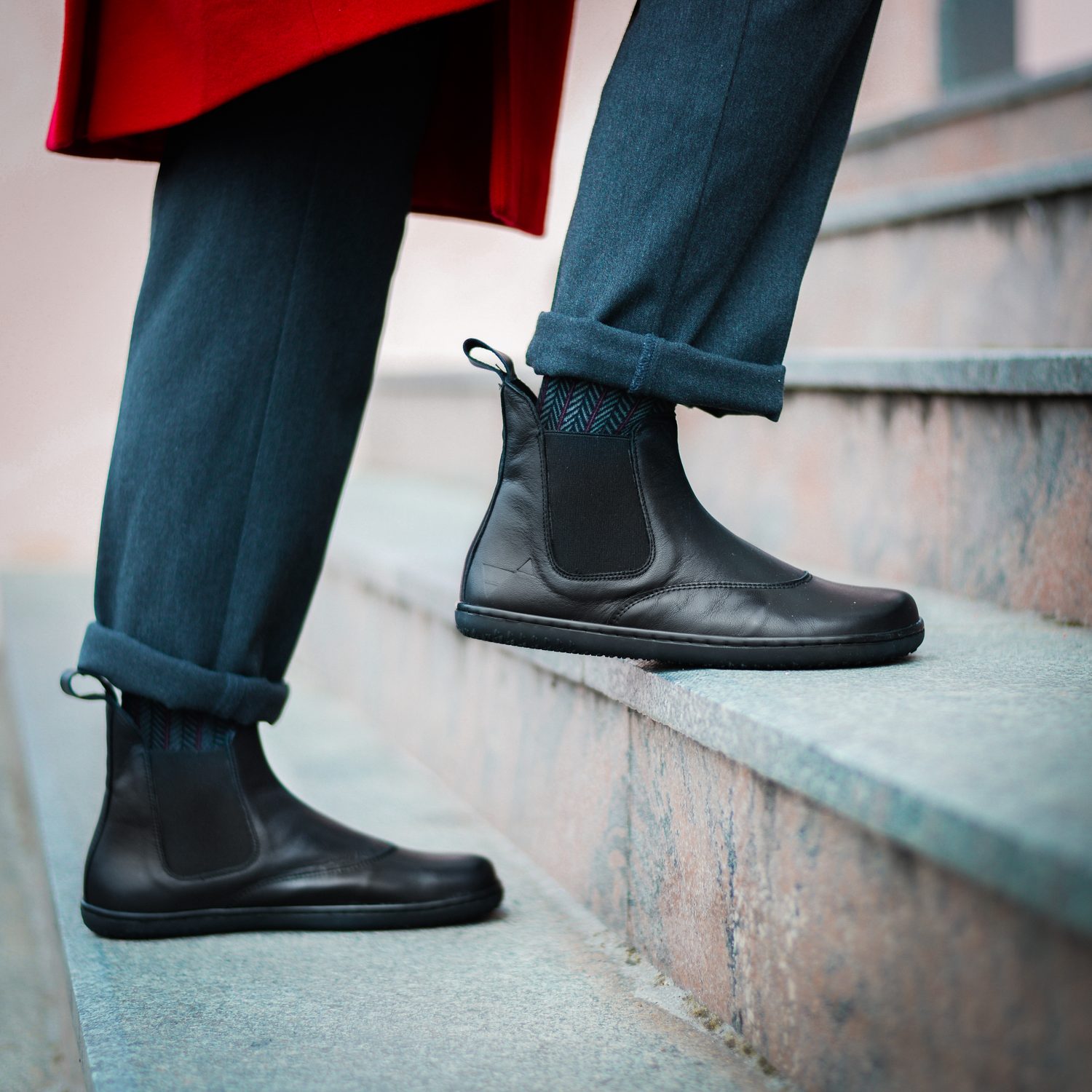
Barefoot shoes have several benefits your feet can gain from. The main one is that they respect the natural shape of your feet. Barefoot shoe makers have also understood that there isn’t just one universal shape of the human foot, which is why you’ll find far more variety in shoe shapes here than in standard off-the-shelf footwear.
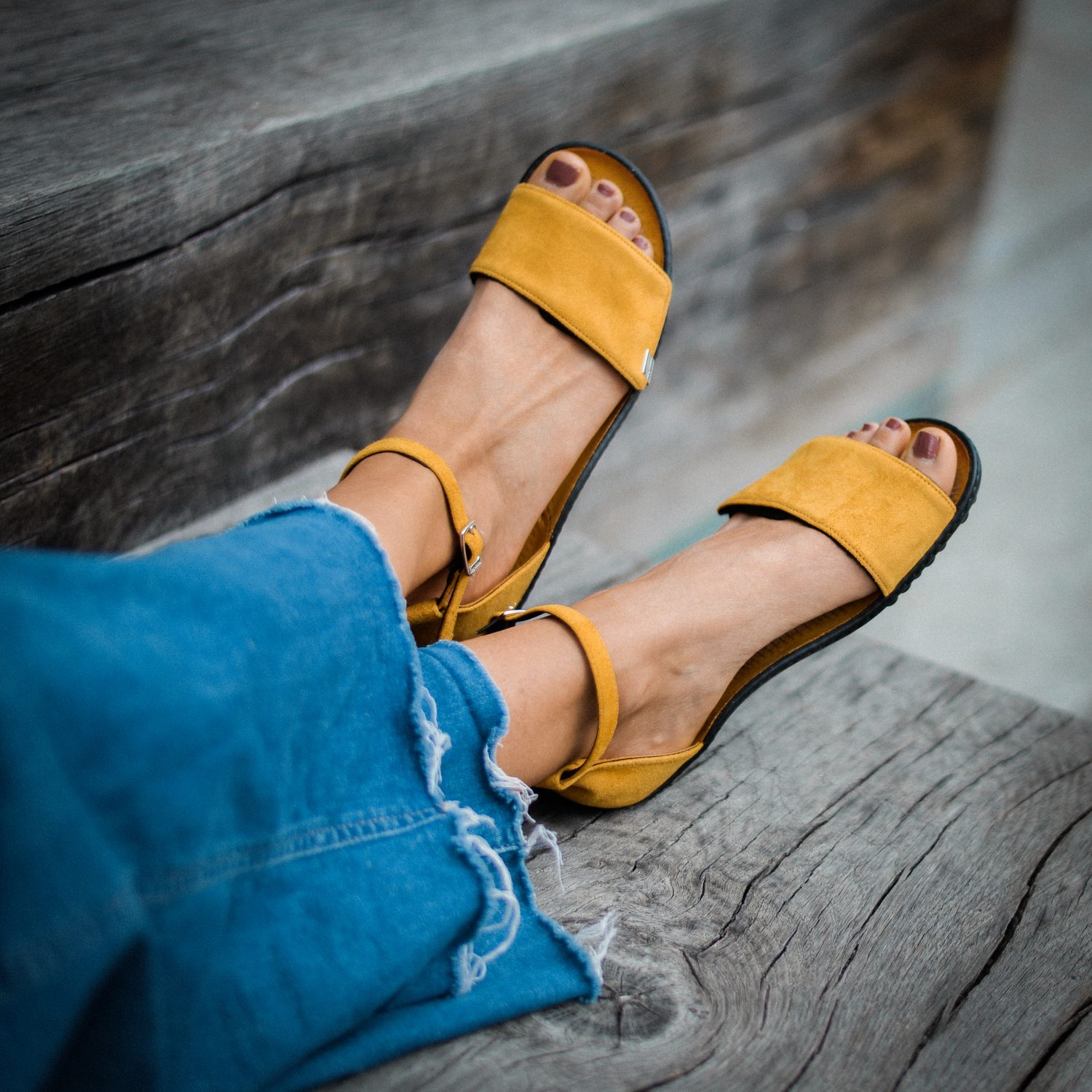
Choosing the right shape with enough width in the forefoot is key as prevention of bunions (hallux valgus) or ingrown toenails. Extra space for your toes also allows them to work properly during push-off. Walking in barefoot shoes is then more active – but also more demanding – than in conventional footwear.
If your feet aren’t used to working this intensely, you may find you can feel muscles you didn’t even know you had. That’s why experts recommend starting gradually, on shorter routes, if you’re new to barefoot shoes.
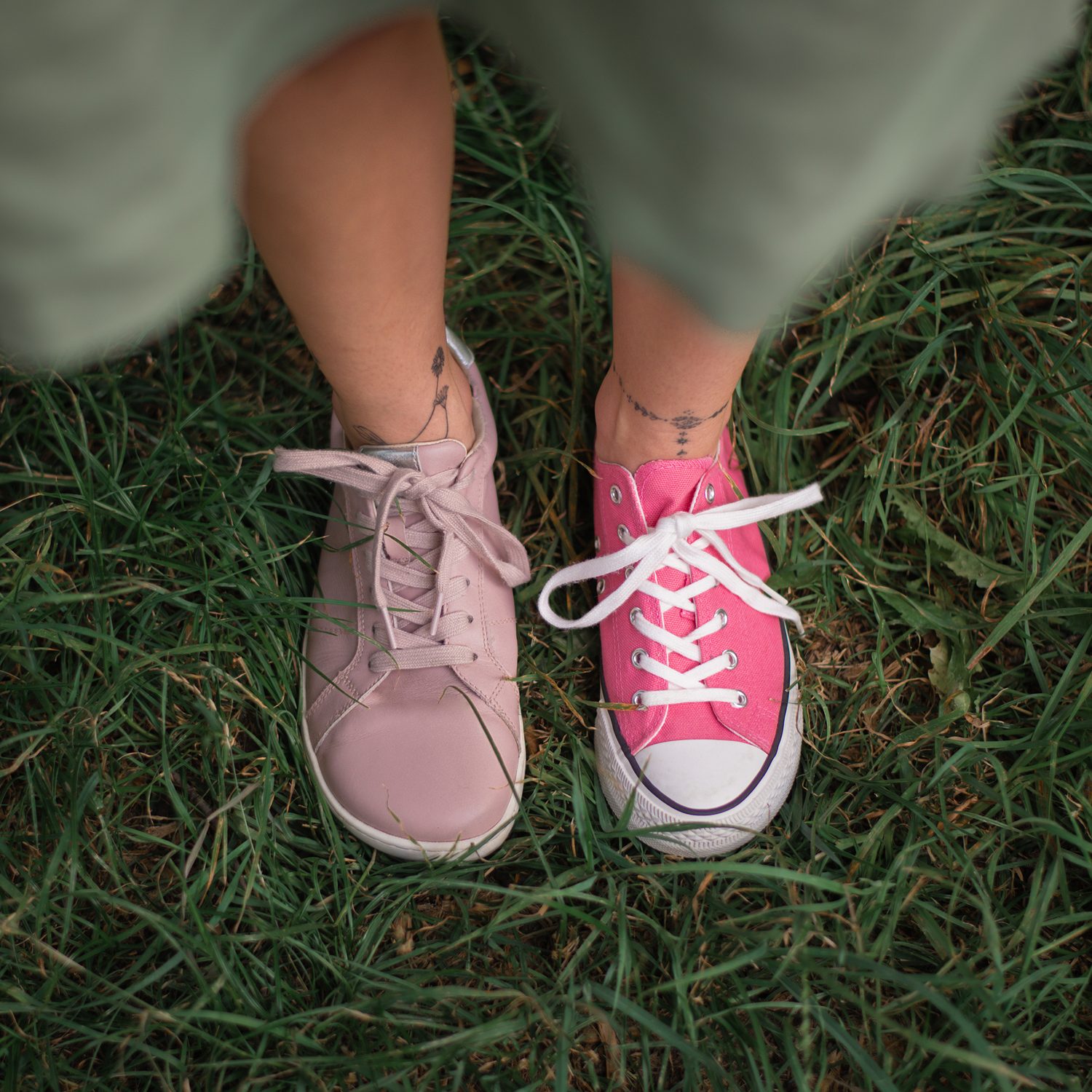
For our feet to function properly, they need to move in every possible direction. A stiff, inflexible shoe doesn’t allow this – unlike a soft, flexible barefoot shoe.
However, people with significant joint laxity (hypermobility), overly loose ligaments (hyperlaxity) and low muscle activity should be careful. For them, too much flexibility and springiness in the sole can be unhelpful. A solution is to choose a higher and stiffer sole, or to add a cushioning insole to your barefoot shoes.
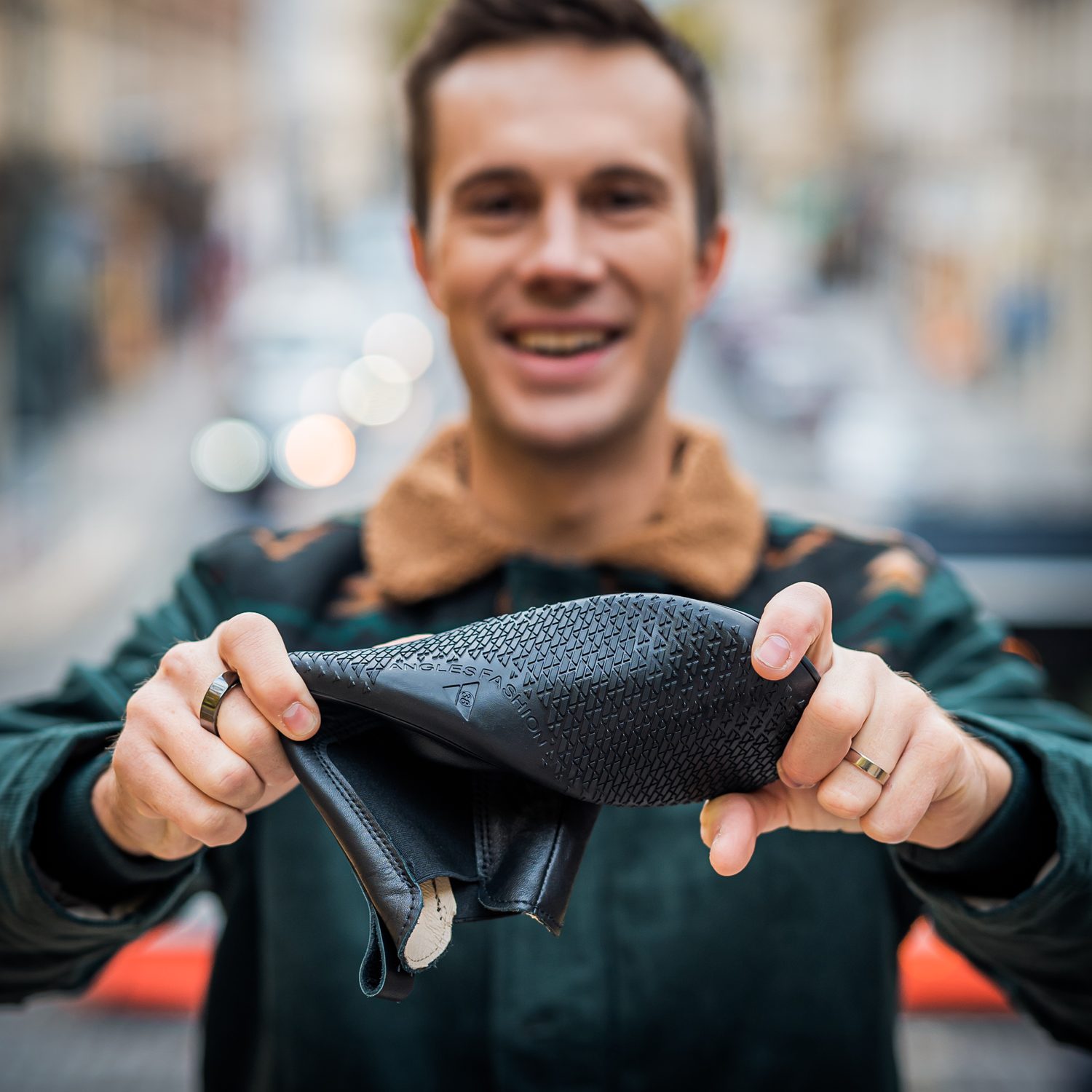
For our feet to work properly, they need to sense what we’re stepping on and what’s happening underneath them. A stiff, inflexible sole doesn’t allow that, whereas in barefoot shoes you’ll genuinely feel the world beneath your feet much more intensely.
For most adults, it’s an unfamiliar sensation at first – so again, it’s best to start slowly and let your feet adapt gradually. If your feet are still very sensitive and the sole feels uncomfortably thin, you can use cushioning insoles in your barefoot shoes.
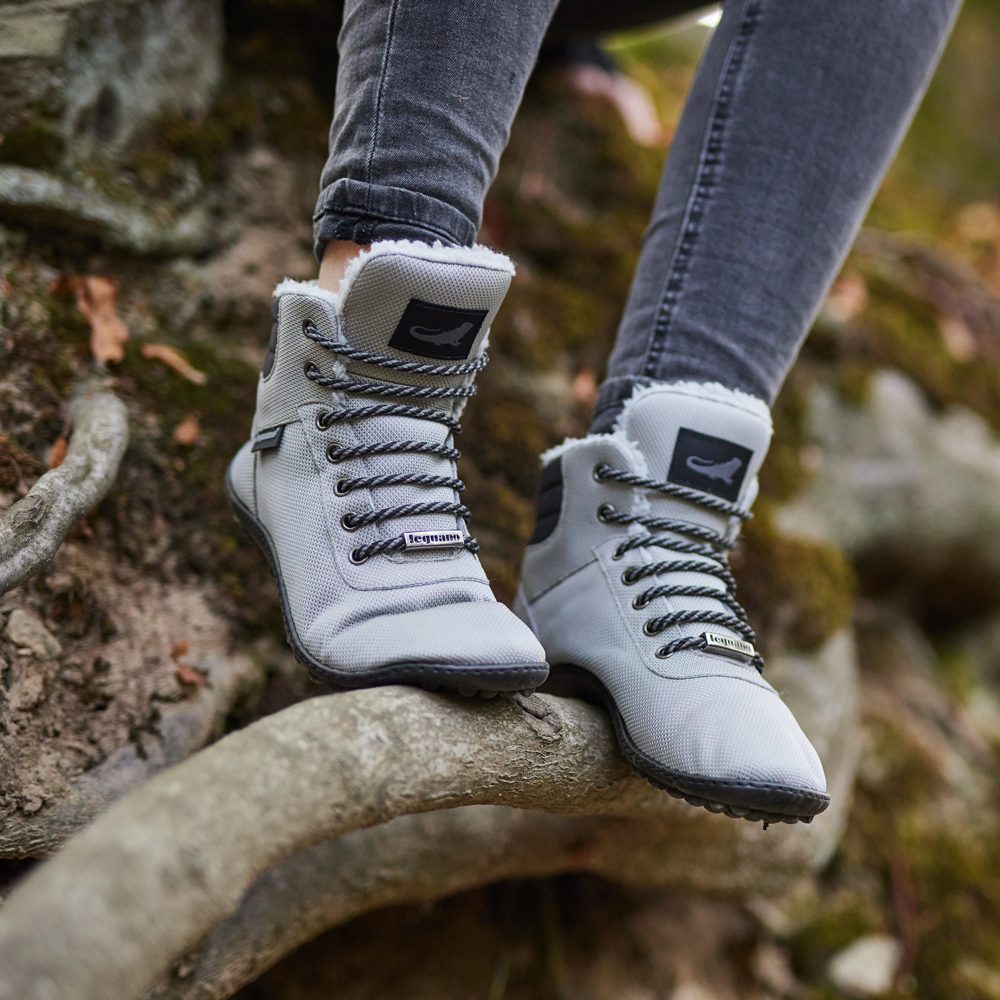
Compared to conventional shoes, barefoot shoes have a completely flat sole, without any heel. There’s no difference between the thickness of the sole at the front and the back of the shoe – this is also called zero drop. For a healthy body, this is an advantage because even a small lift under the heel changes your centre of gravity and shifts load more towards the front of the foot. The body then has to compensate for this shift; unfortunately, that compensation is often poor and can lead to overload in other parts of the body.
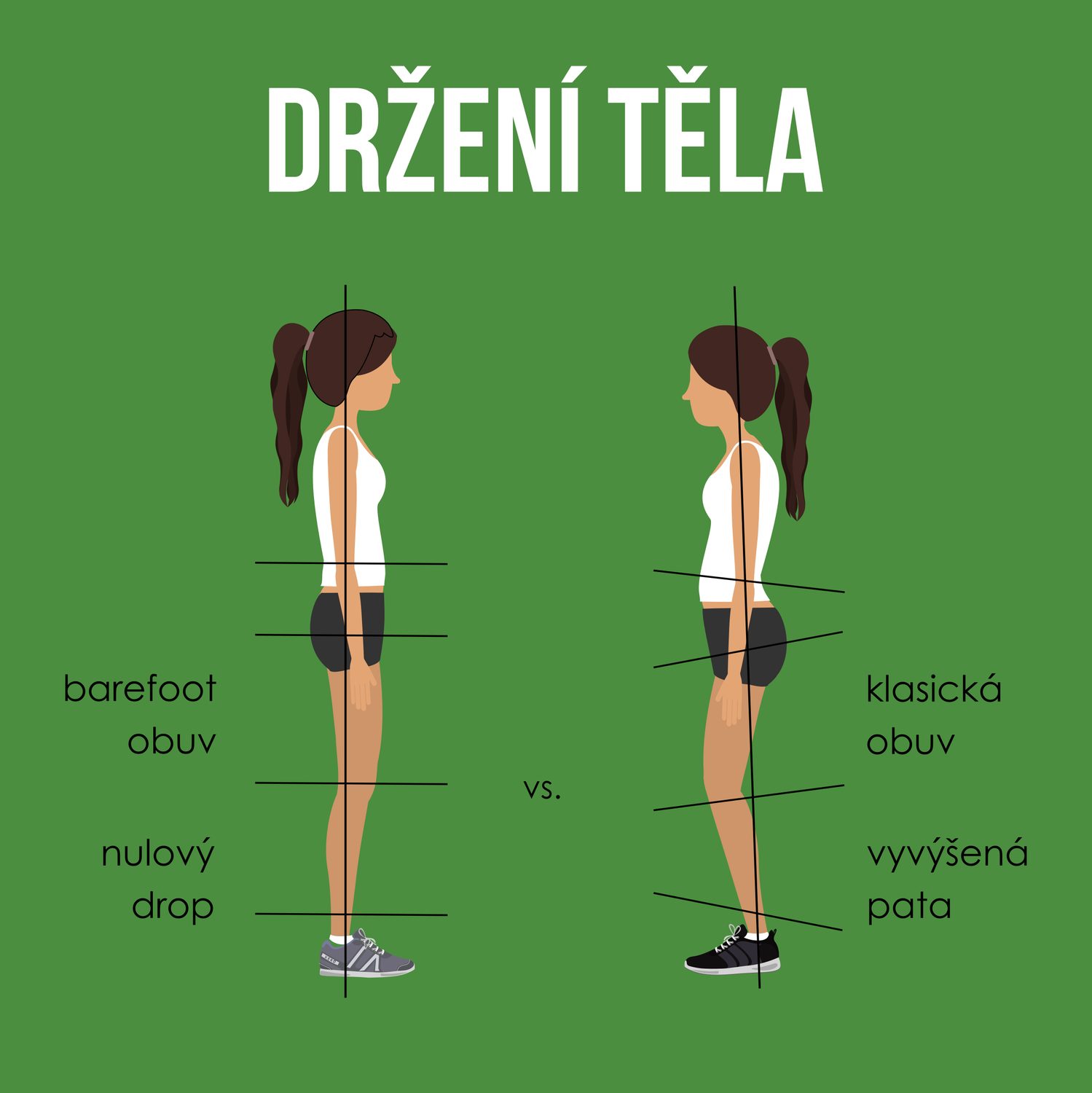
For the vast majority of people, the absence of a heel will be a positive. However, women who have worn extremely high heels for a long time should take care. They often have shortened calf muscles, which need time to adapt to the new length. In these cases, experts recommend starting with a compromise shoe with a small drop and, of course, visiting a physiotherapist who can show you how to stretch your calf muscles effectively.
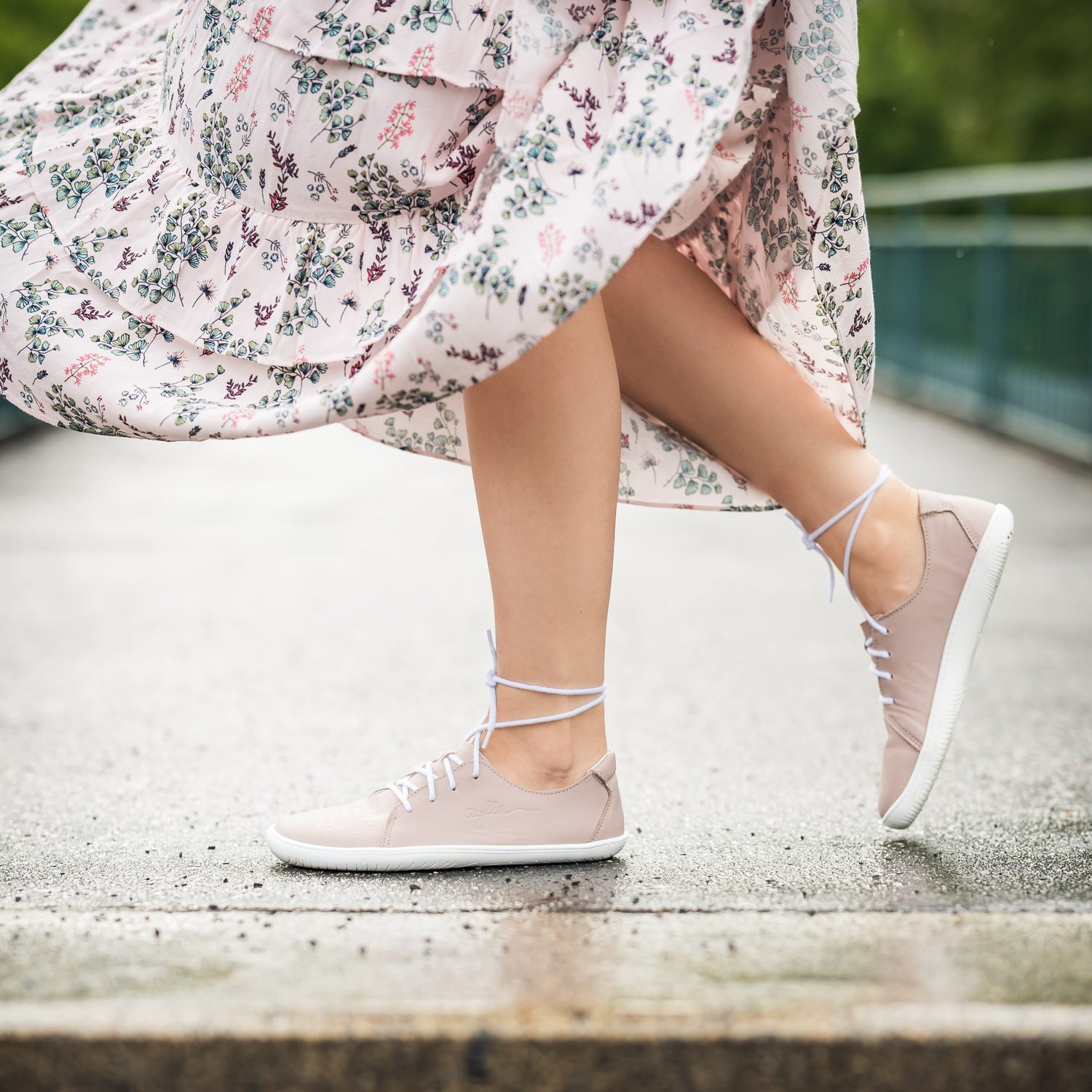
If you’re confident that your feet and the rest of your body are in good shape, you’re not obese and you’re not overly hypermobile, you can try barefoot shoes. At the beginning, choose at least slightly varied terrain, pay attention to what your feet are doing and how intensely they’re working. This awareness of our feet in space and their activity is what the whole barefoot idea is built on. It’s not a fashion trend, but more of a lifestyle and a certain philosophy.
If you’re still not sure, or you know your feet and body aren’t in perfect condition, seek out a physiotherapist who specialises in foot-related issues. They’ll assess you comprehensively, suggest suitable exercises or movement activities, and recommend whether barefoot shoes are right for you or not. Some physiotherapists can also make custom insoles for you. These can then be placed in barefoot shoes so you can benefit from them while also protecting your feet.
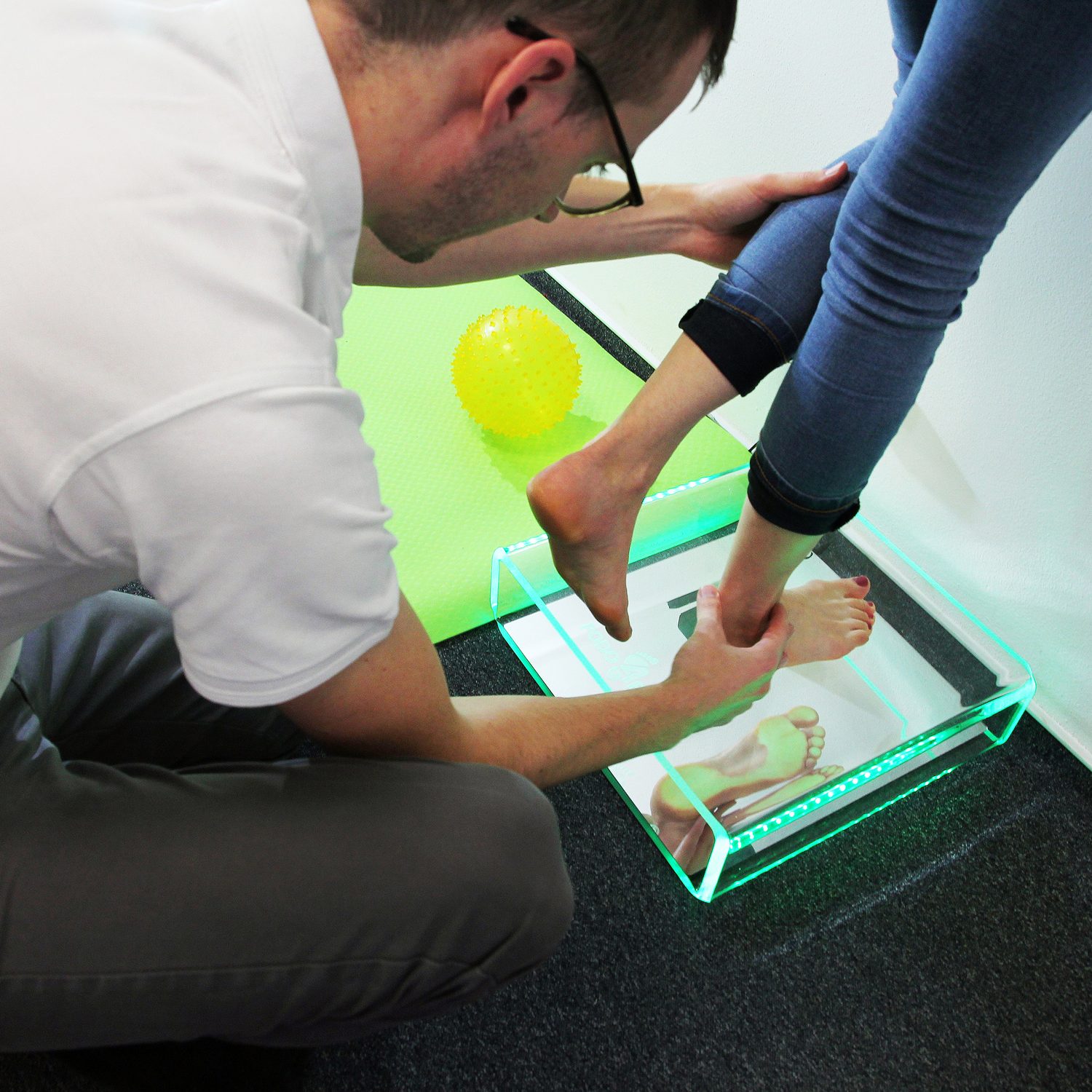
If you already have a significant or very painful foot deformity, a congenital developmental defect, or for example you have diabetes, you should definitely consult professionals – physiotherapists or doctors – about your feet and suitable footwear.
There are conditions where walking in barefoot shoes really isn’t a good idea and can significantly worsen the situation of your feet and your whole body. In such cases, it’s necessary to treat the feet with individually made aids – insoles or orthoses – and complement them with suitable footwear. Did you know that in these cases you can even have shoes made ‘through insurance’?
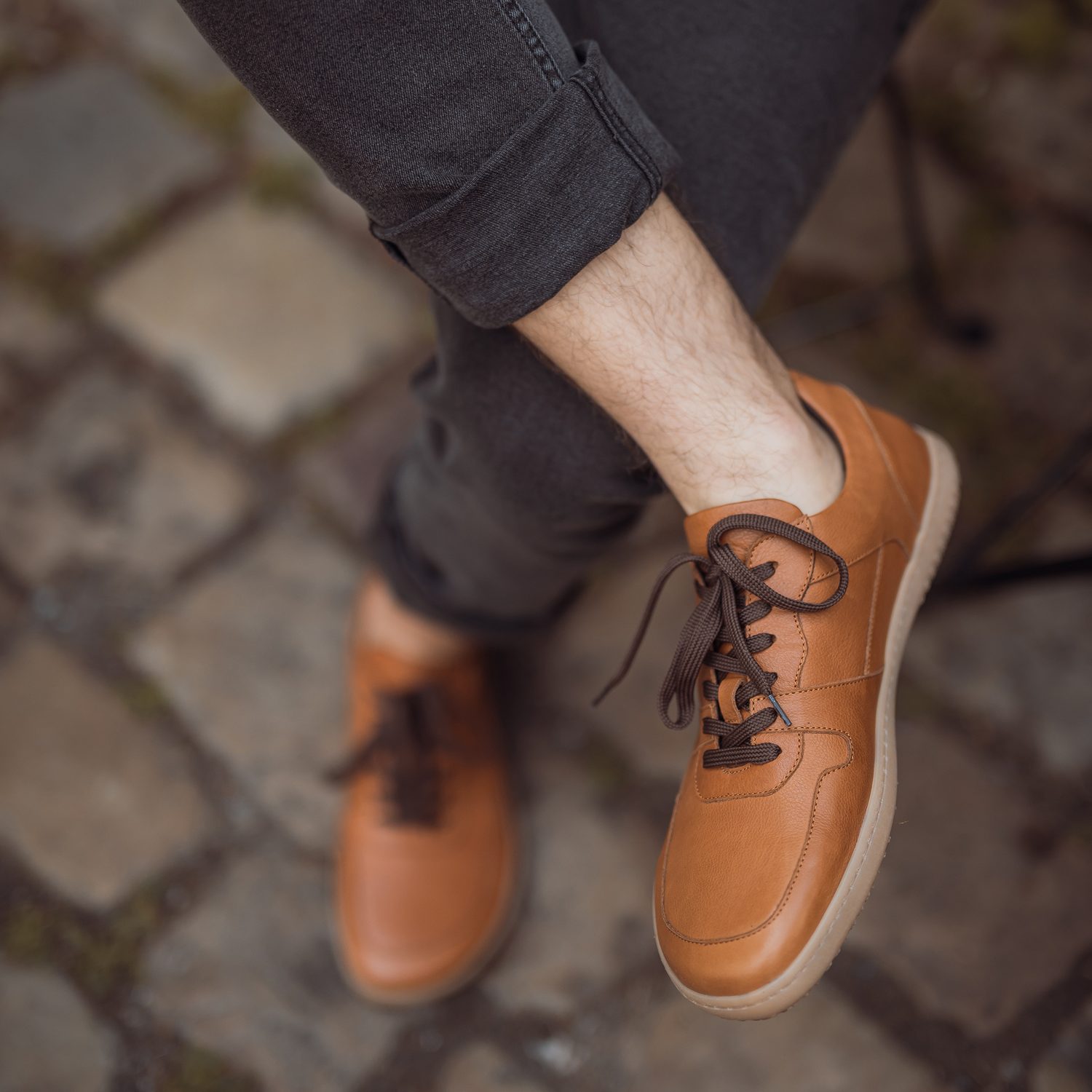
For a smooth transition to barefoot footwear, you need to give your feet some attention. As soon as you wake up, mobilise your feet with a few simple movements, such as ankle circles, pointing and flexing your toes, curling, extending and spreading your toes. You can do these simple exercises several times a day too – especially if you have a sedentary job or you stand for long periods at work.
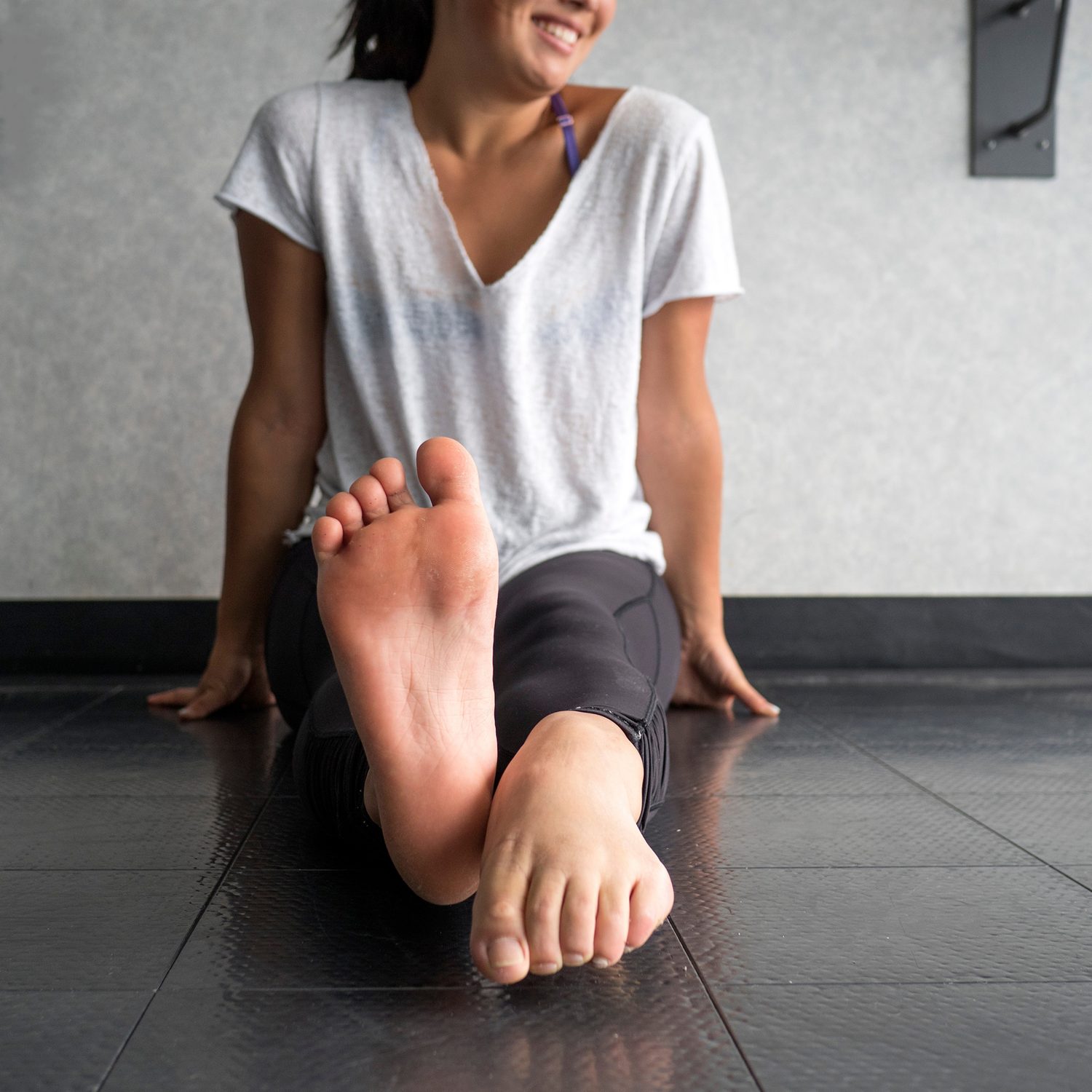
In barefoot shoes, you’ll also feel temperature changes much more intensely – especially cold – which can be a challenge for feet that are used to warm socks and shoes. That’s why it’s a good idea to help your feet adapt and get used to cooler sensations. You don’t need to head straight into cold dew or snow; it’s enough to add a daily contrast shower and finish with cooler water.
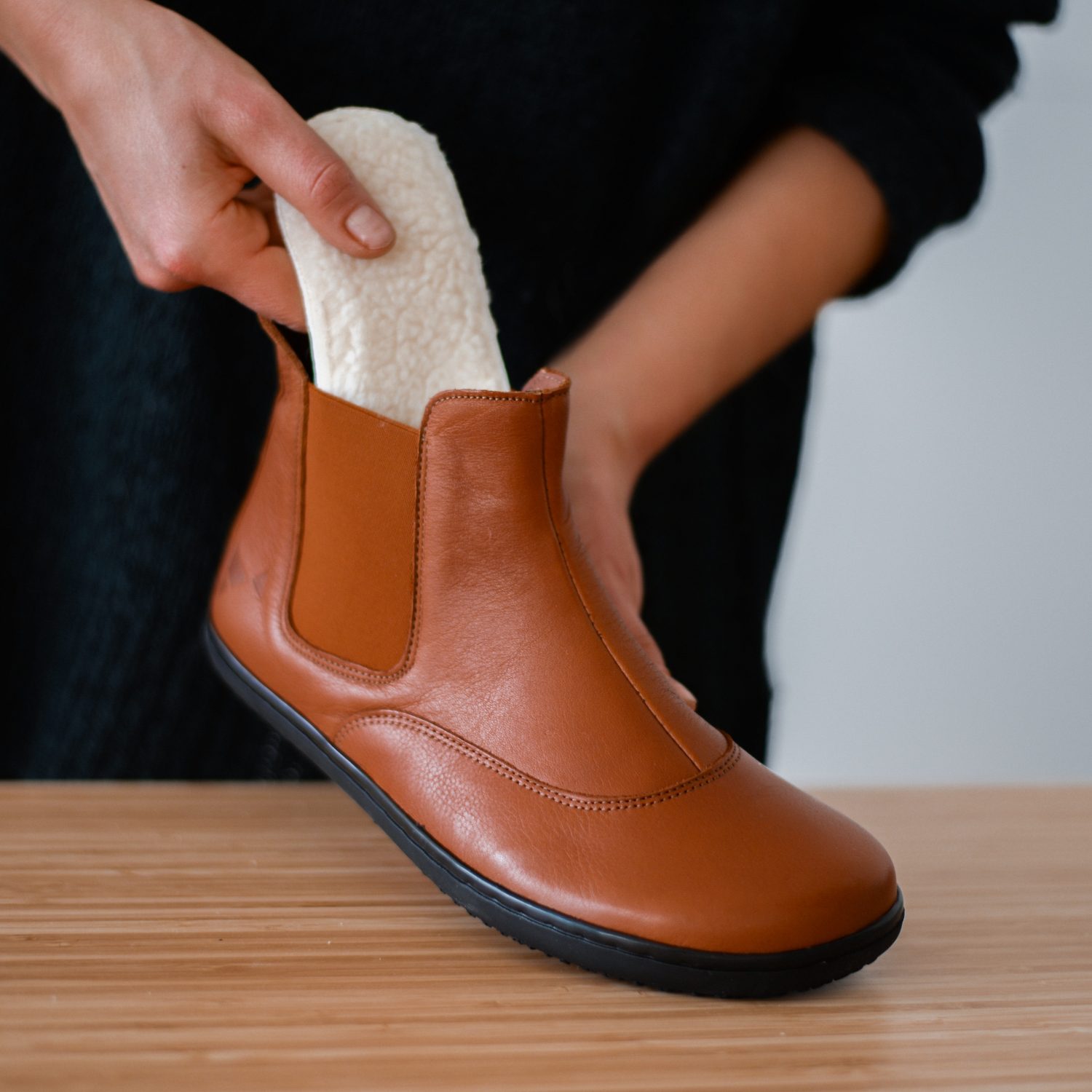
It’s important to keep moving in barefoot shoes. Muscles generate heat through activity, so if you’re only standing still or moving very little, you’ll probably feel cold. A warm insole made from sheep’s wool or another insulating material can help at least a little.
Healthy, well-functioning and prepared feet can cope with walking on hard ground for short periods. What doesn’t suit them is monotonous, flat terrain. For our feet to function well, they need variety. Without it, only certain muscles or muscle groups do the work, they overload more quickly, and pain can appear.
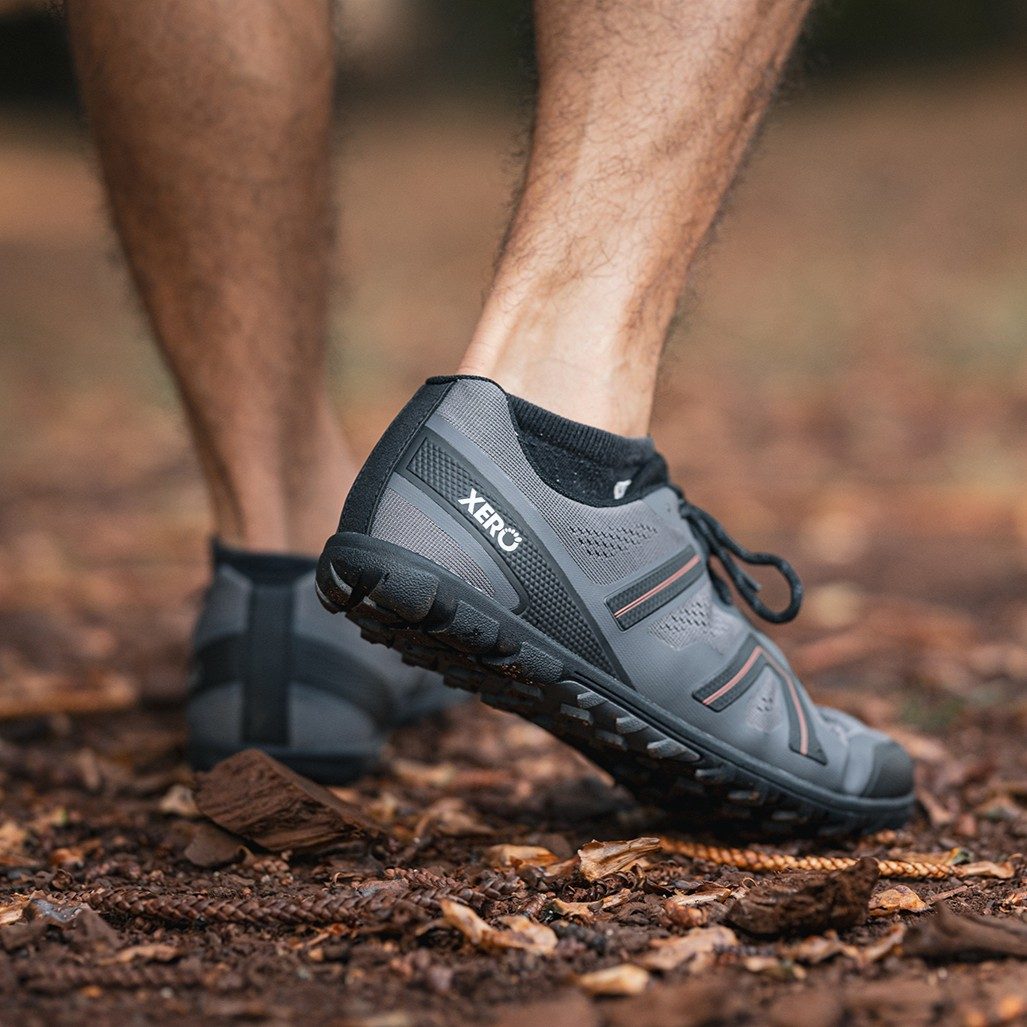
That’s why experts recommend beginners walk on more varied terrain. Try a meadow, garden, woodland or a field. Walk slowly and notice how your feet work and what they have to do to balance uneven ground. Indoors, add ‘terrain’ in the form of sensorimotor mats, ROOTYRUG mats or a small washing-up bowl filled with pebbles, which you can place under the sink and step on briefly each time you brush your teeth.
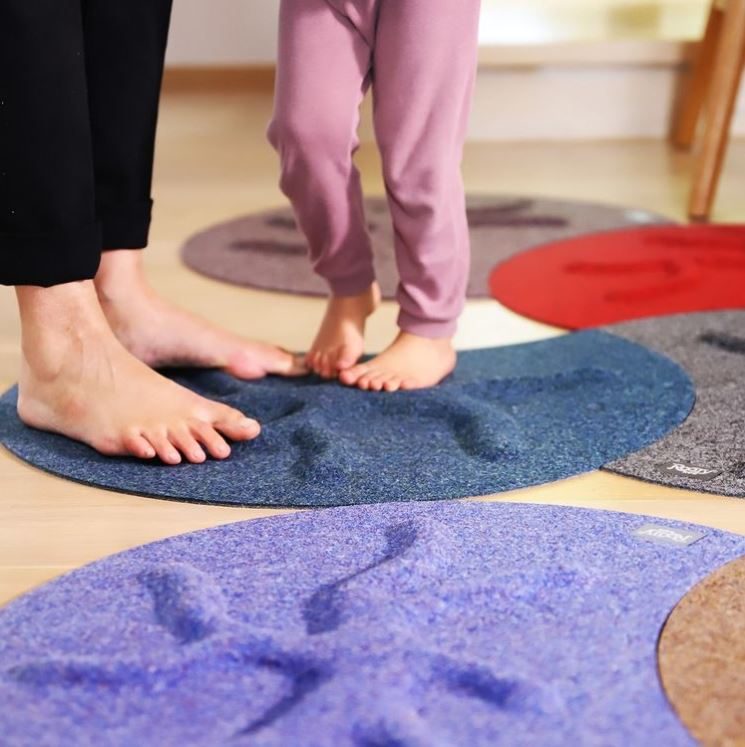
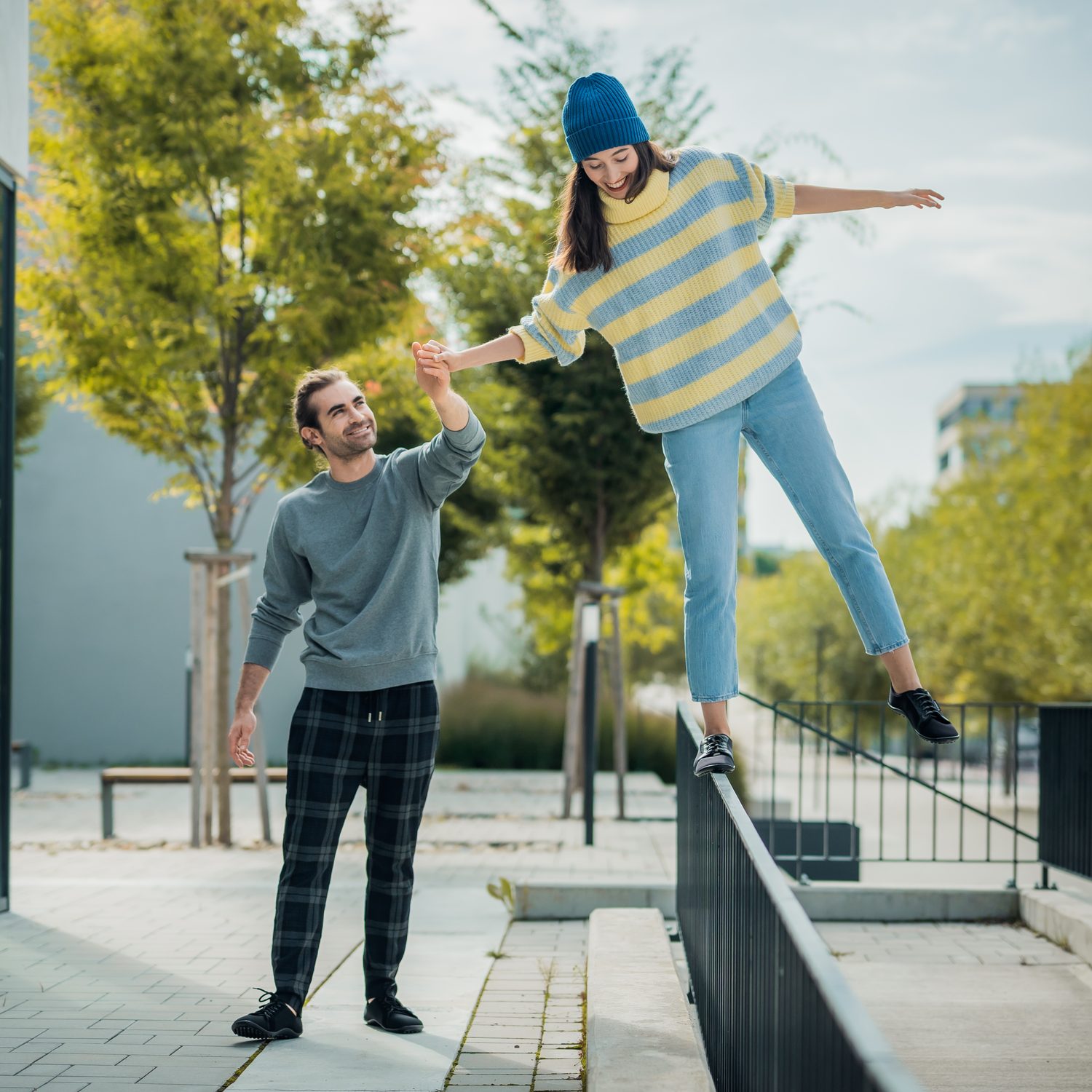
Most people, used to conventional shoes, tend to stomp or let their feet slap down passively. Barefoot shoes can help you activate the muscles in your feet better, but they won’t automatically change your gait on their own – you have to do that. Shorten your stride and slow down. Feel the ground under your feet and how your feet are working. Use your toes during push-off, especially your big toe. If you can’t manage it, find a physiotherapist who can show you how.
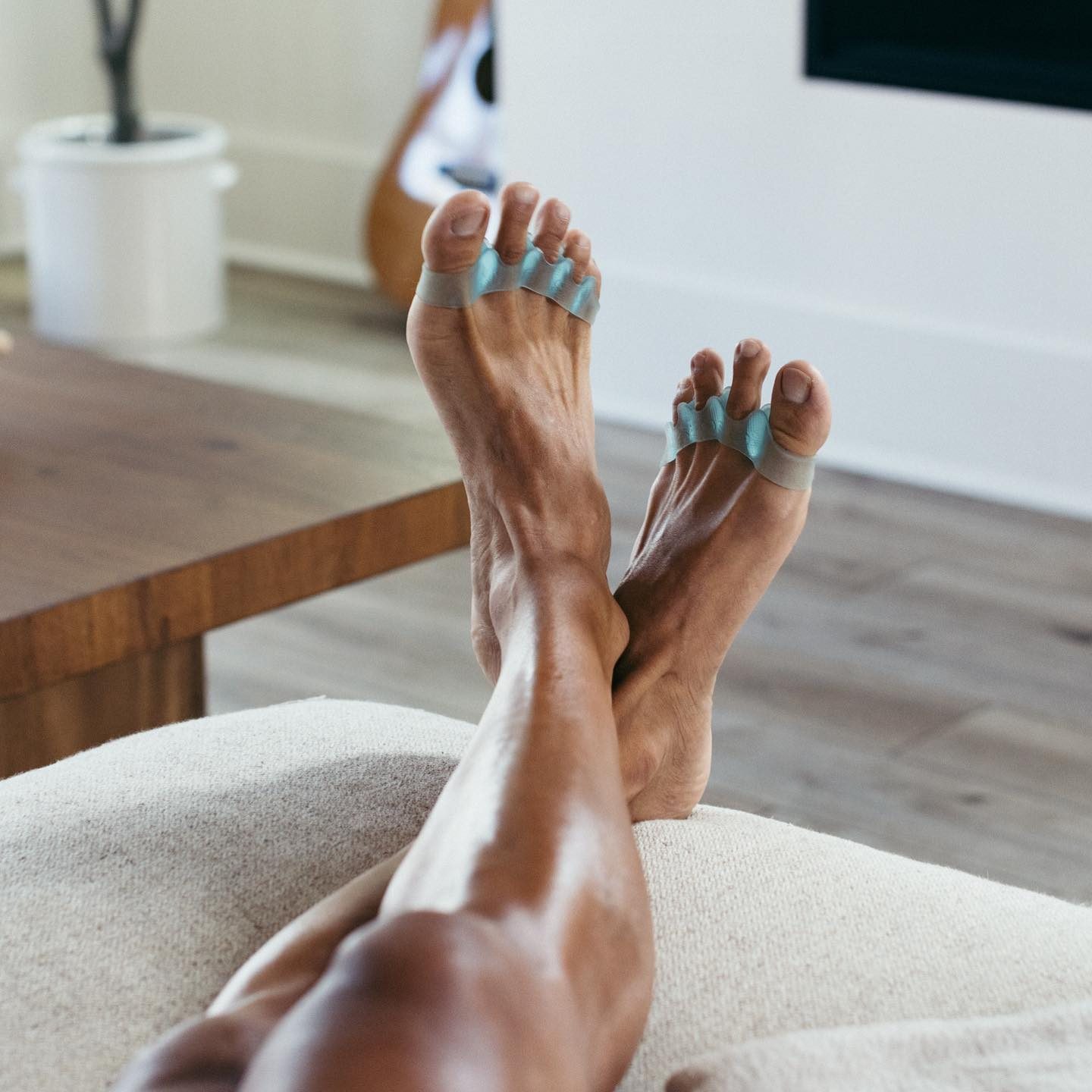
For moments of rest, start using toe alignment socks; if you have bigger issues with your feet, you can try silicone toe spacers. Treat your feet to a gentle massage using a small ball or spiky massage ball.
A tip for the brave: take a tennis ball or a golf ball and roll it under the sole of your foot. When you find a tight spot, pause there for a moment. Your feet will feel more relaxed and ready for the next load.
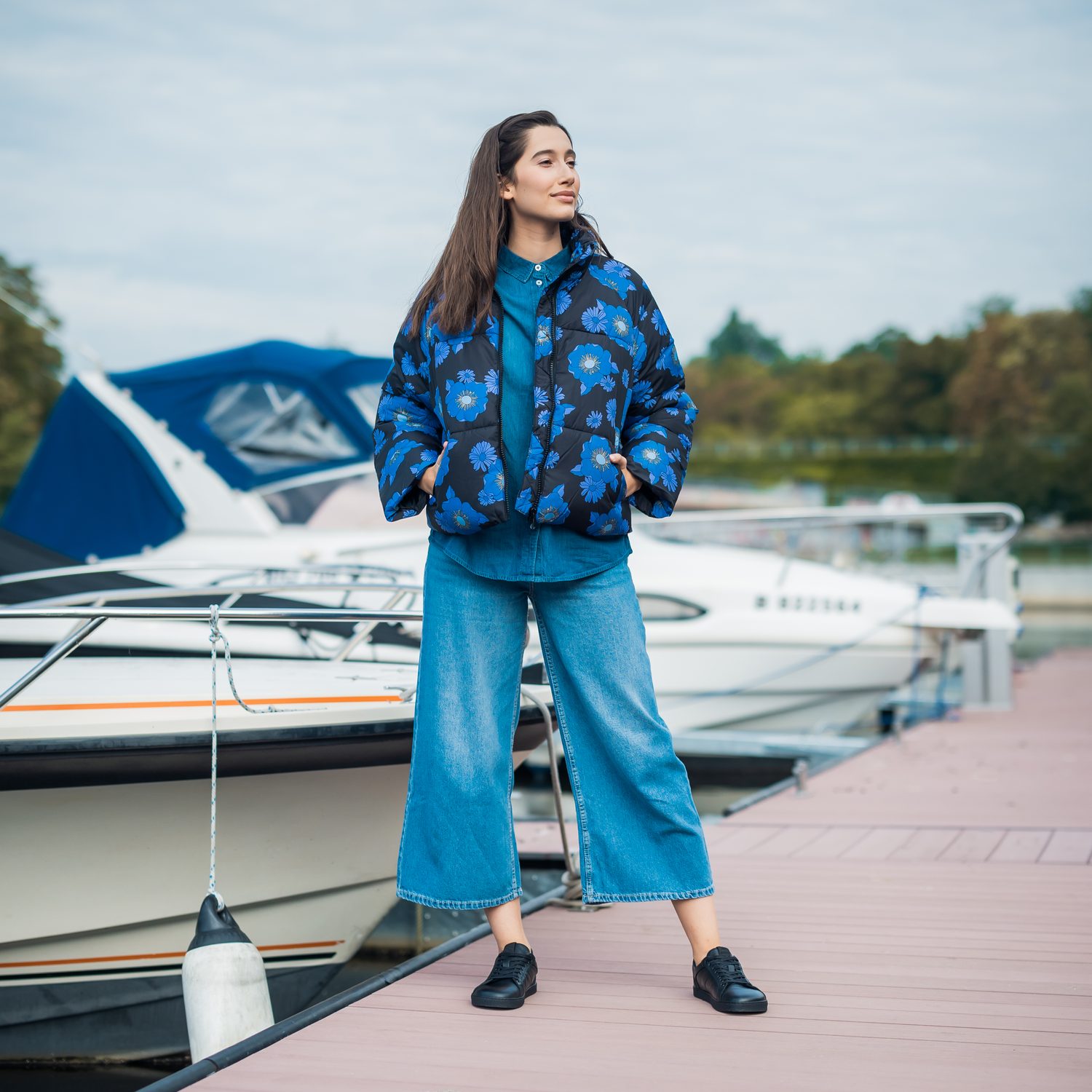
 Mgr. Veronika Kristková
www.fyziobeskyd.cz, IG @fyziobeskyd_edu, FB @Fyzio Beskyd
Lead physiotherapist at the therapy and education centre Fyzio Beskyd s.r.o.


 € - US
 Čeština
 English
 Slovenčina
 Magyar
 български
 Polski
 Dansk
Dansk
 Nederlands
 Svenska
 Suomi
Suomi
 Español
 Français
 Slovenščina
 Română
 Português
 Deutsch (DE)
 Deutsch (AT)
 Deutsch (CH)

