We’ll be happy to help via online chat or at: orders@premiumbarefoot.com

Want to start running in barefoot shoes? We’re sharing the naBOSo founders’ experience, beginner tips and recommendations for specific models.
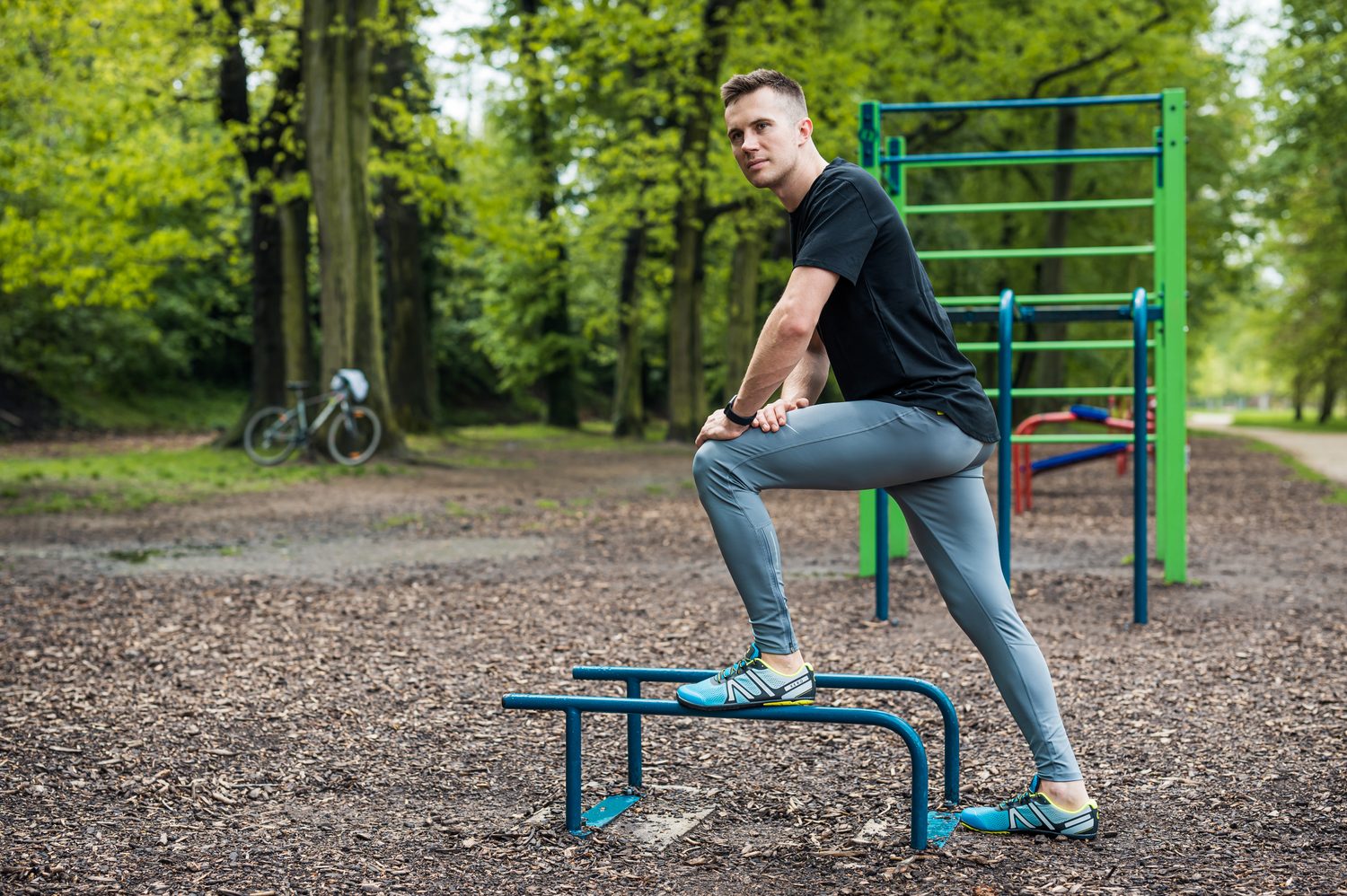
I’m Jirka from naBOSo, and if you follow us, we’ve probably met through our events, video interviews and podcasts. I also pop into the shop from time to time, so there’s a good chance we’ve met in person too.
I’d like to share my story of how I started running in barefoot footwear.
It’s been 10 years since I first started thinking about what shoes I wear and what my feet are actually doing inside them. I was a very active athlete, running around 100 km a week. Maybe that’s why I thought I was invincible. That it didn’t matter what I had on my feet — or what I ate, how I recovered, stretched, and generally looked after my body.
Thankfully, all of that gradually changed, and I’m glad I can share my experience with you now.
One summer day I needed new running shoes, so I went to a (nameless) specialist running shop. I tried on a huge pile of shoes, but none of them felt right. Then I spotted the New Balance Minimus. They had an extremely wide toe box, a beautifully flexible sole, a 3 mm drop and a 6 mm sole thickness. Suddenly, they felt like slippers.
I got home buzzing, looking forward to enjoying my first kilometres in my new shoes. After the very first run, I realised these weren’t “normal” shoes — your feet behave completely differently in them. I had (and still have) good running technique and strong body awareness — how it works and how it moves. That made my transition a lot easier.
1. Thanks to the wide toe box, I could control and feel how my foot was landing on the ground.
Running manuals often define terms like pronation, supination and neutral foot strike. There are even shoes made to “correct” these deviations.
But these are completely natural foot mechanics. Every person is unique. The problem is: if you put on a shoe that “eliminates” those deviations, your foot might look straighter — but what happens when you take your shoes off? Isn’t it better to think about how you run and aim for a foot strike that doesn’t overload either side of the foot?
2. After my foot hit the ground, I could feel what surface I was running on — and what was on it.
As a performance-focused athlete, I used to run like a racehorse and only count the kilometres. I’m not sure I appreciated that sensation back then. These days, when I run more recreationally, I experience running completely differently. I see it as an experience. It matters to me where I run, what I run on, and who I run with.
3. When pushing off, I could use every toe — and especially the big toe — for an efficient push-off.
In conventional shoes that are narrow, your toes are usually squeezed into the front, most often around the middle toe. That prevents you from using all your toes effectively — especially the big toe, which should handle a significant part of the push-off.
4. The minimal drop helped make it possible for a naturally forefoot or midfoot landing.
Drop means the difference in height between the heel and the forefoot in the sole. When I used to carry a boulder under my heel in the form of a high drop, my foot was in a completely unnatural position. If you land on the whole foot in a high-drop shoe, you’re basically standing on your toes. Landing on the heel is even worse — you transfer impact into the ankle, knee and hip joints and put unnatural strain on the muscles, tendons and attachments in your legs. Oh, poor body.
Barefoot footwear is footwear for natural movement. Natural movement isn’t a 100-metre sprint on the track, and it isn’t a marathon in 2.5 hours.
Now it’s time to hand over to Andy — my wife and co-founder of naBOSo. Andy, over to you :-)
My story is completely different from Jirka’s. I’ve hated running since I was young. Running 1,500 metres at primary school was torture. I’ve always been sporty, but more into team sports — I played handball competitively.
My body tends to be very muscular, and if I don’t move, my muscles turn into bulk that simply doesn’t look great. I’m the type who’s genetically “not set up” for it. I have to keep doing something and watch what I eat. So at university, during one period when I’d gained 10 kilos, I decided I’d give running a go.
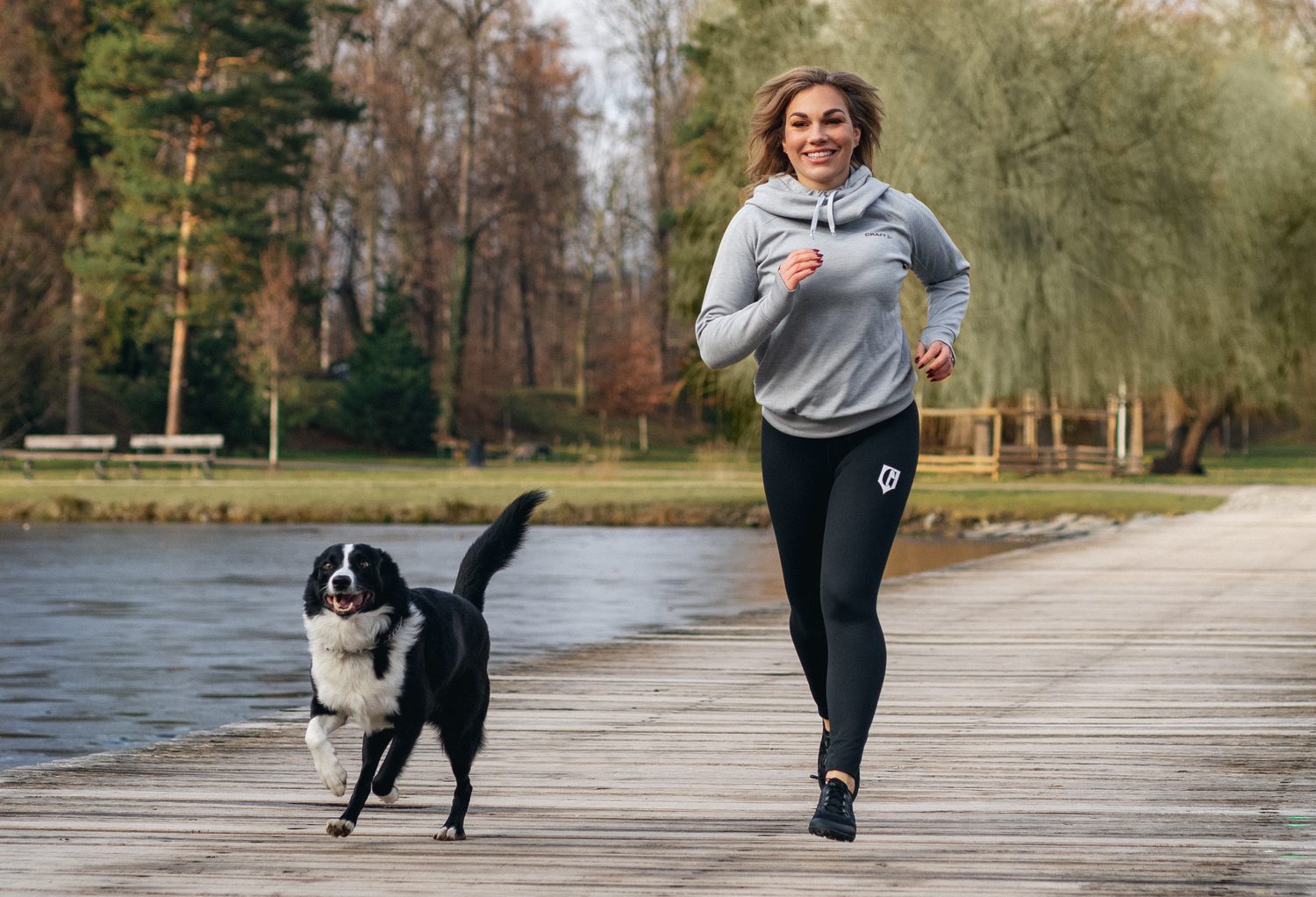
I started with run-walk intervals: 200 metres running and 200 metres walking. The next week, 500 metres running and 500 metres walking. On top of that, I tried to walk as much as possible every day. I stopped using public transport and just walked everywhere, tracking my kilometres in an app. Along with changing my movement habits, I changed my diet too. After 4 weeks, I ran 5 km continuously.
The body gets used to movement really quickly and adapts. Of course, the first two weeks — when I could barely catch my breath — were brutal. But after another 4 weeks, I ran 7 km continuously. And another 4 weeks later, my first 10 km race was waiting for me.
I’d never run 10 km in my life — it felt like climbing Mt. Everest. It all happened during my internship in Canada, so I ran my first 10K in central Edmonton, and it was an incredible experience. I’m the type who needs races and comparing myself with others to stay motivated. I think I managed it in 58 minutes. If someone had told me that a few weeks earlier, I’d have looked at them like they were mad.
By the way, many of you wrote that you’d like an article about how to get back in shape after giving birth. I’ll be happy to share my experience in another article — but for now, let’s stick with running.
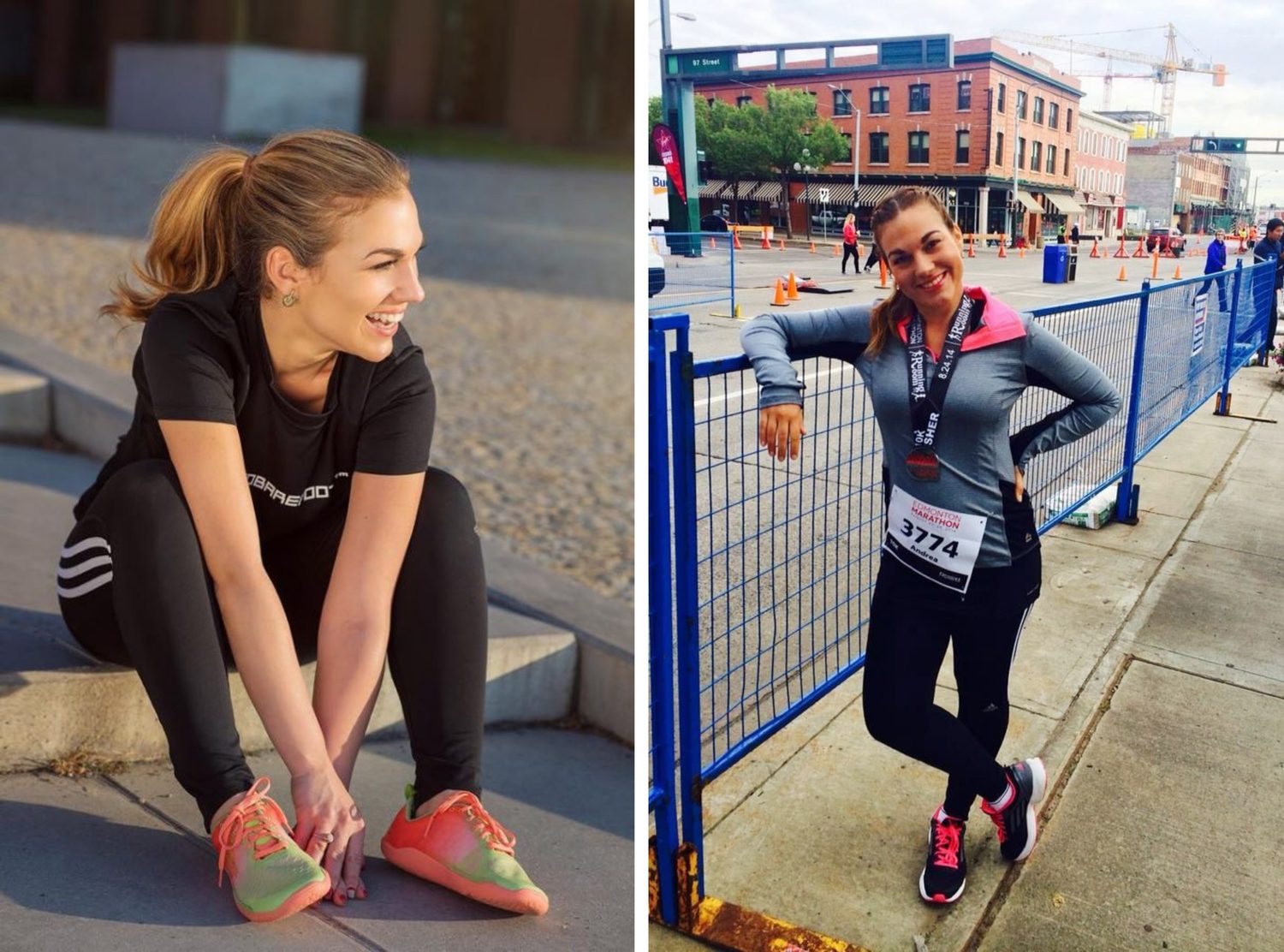
I started running in regular Adidas trainers — nicely cushioned, with about a 4 cm drop and, of course, a tapered toe box. No wonder that after three months my knees, hips and other aches started speaking up. I thought, “This can’t be right at 27,” and I began taking more interest in how to run better and more naturally.
That’s when I bought my first barefoot shoes. I started running in them — and it felt so freeing and light, as if I’d taken off a plaster cast.
My technique naturally changed in barefoot shoes: instead of heel striking and stomping, I moved to landing through the forefoot into a full-foot landing. I started taking shorter steps, my cadence increased, and my posture changed too.
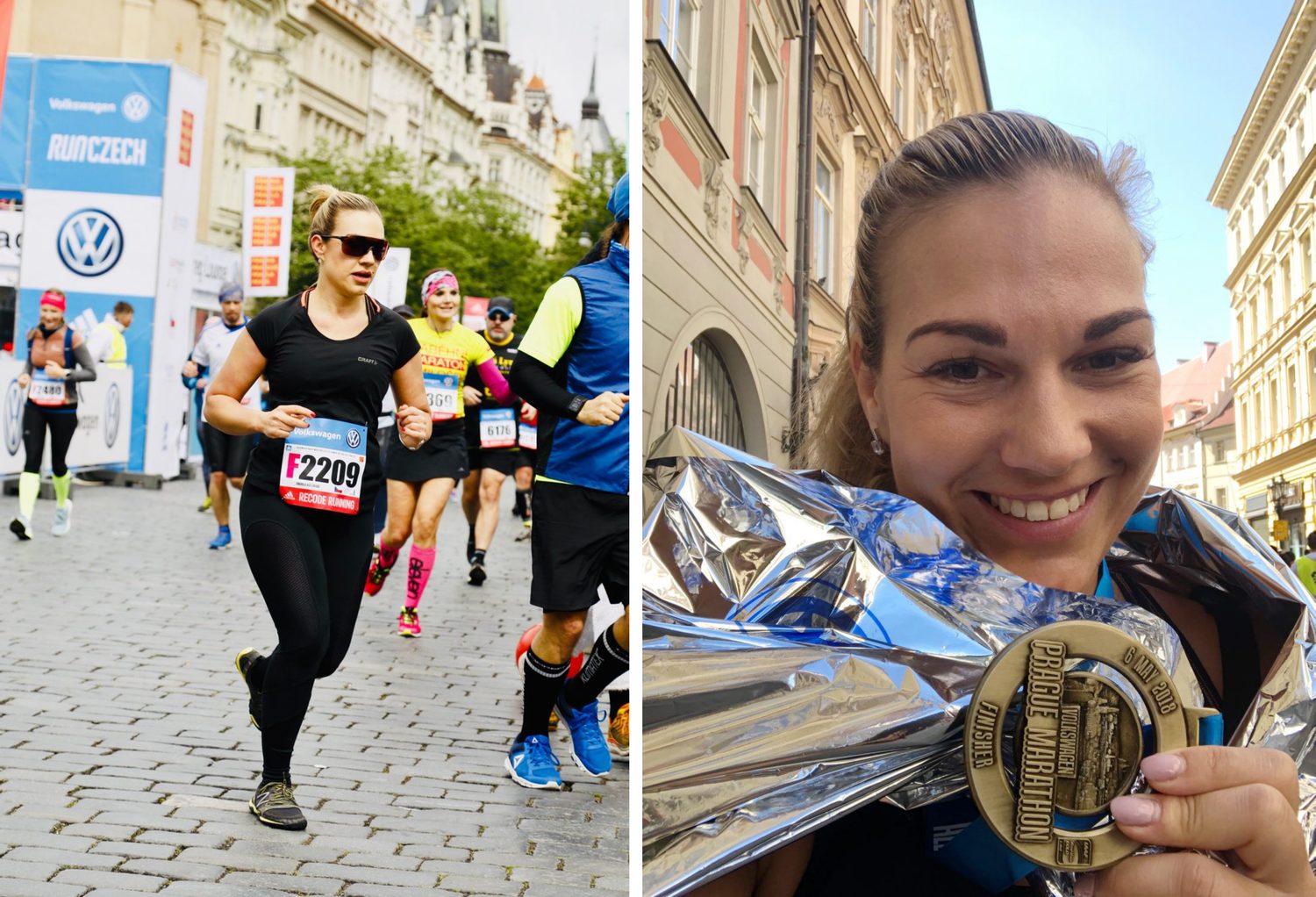
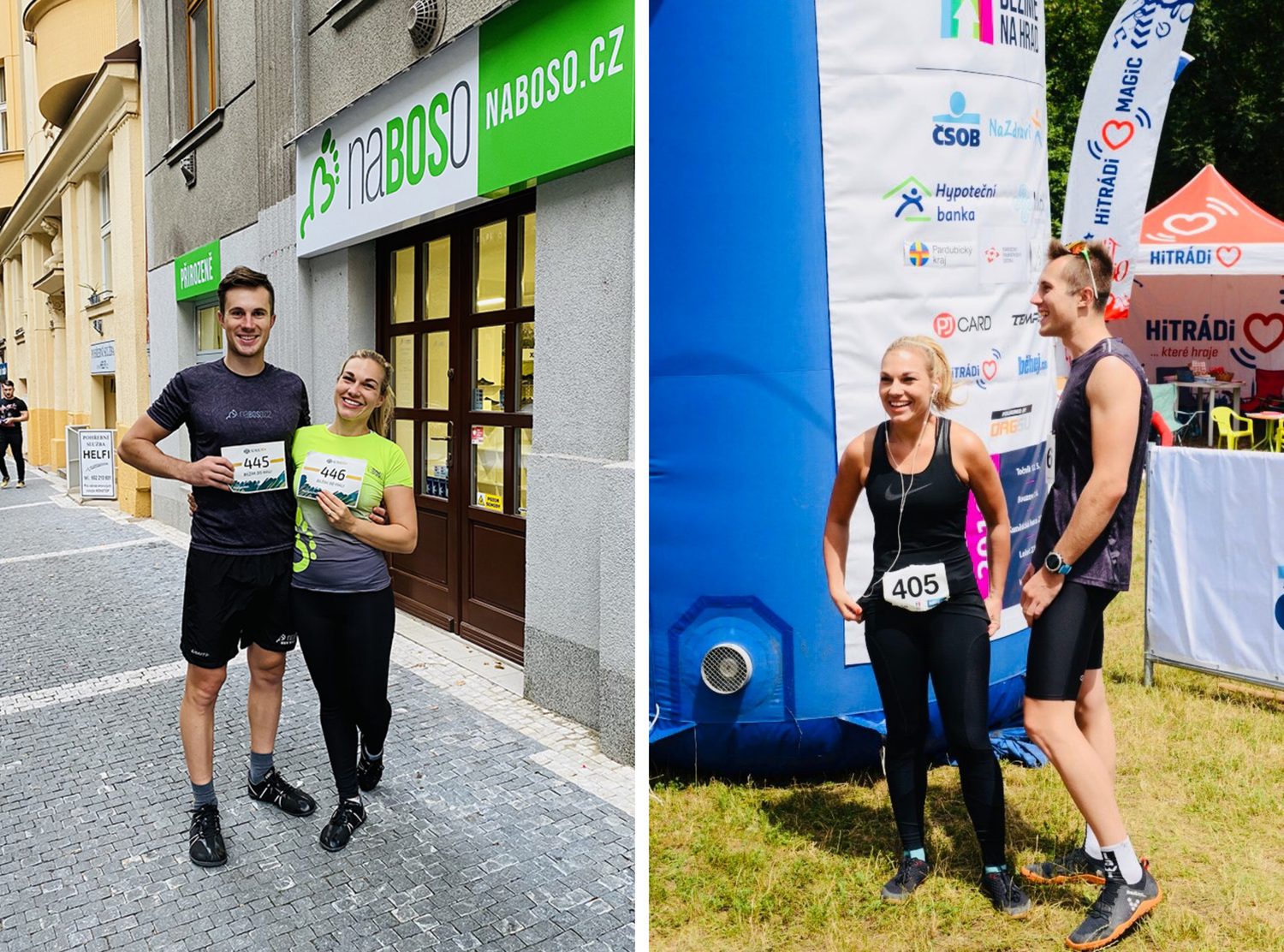
Since then, I’ve completed dozens of half marathons, marathons, relays, triathlons and one ultra run — all exclusively in barefoot shoes. I never took them off again, and thanks to this experience, naBOSo was born.
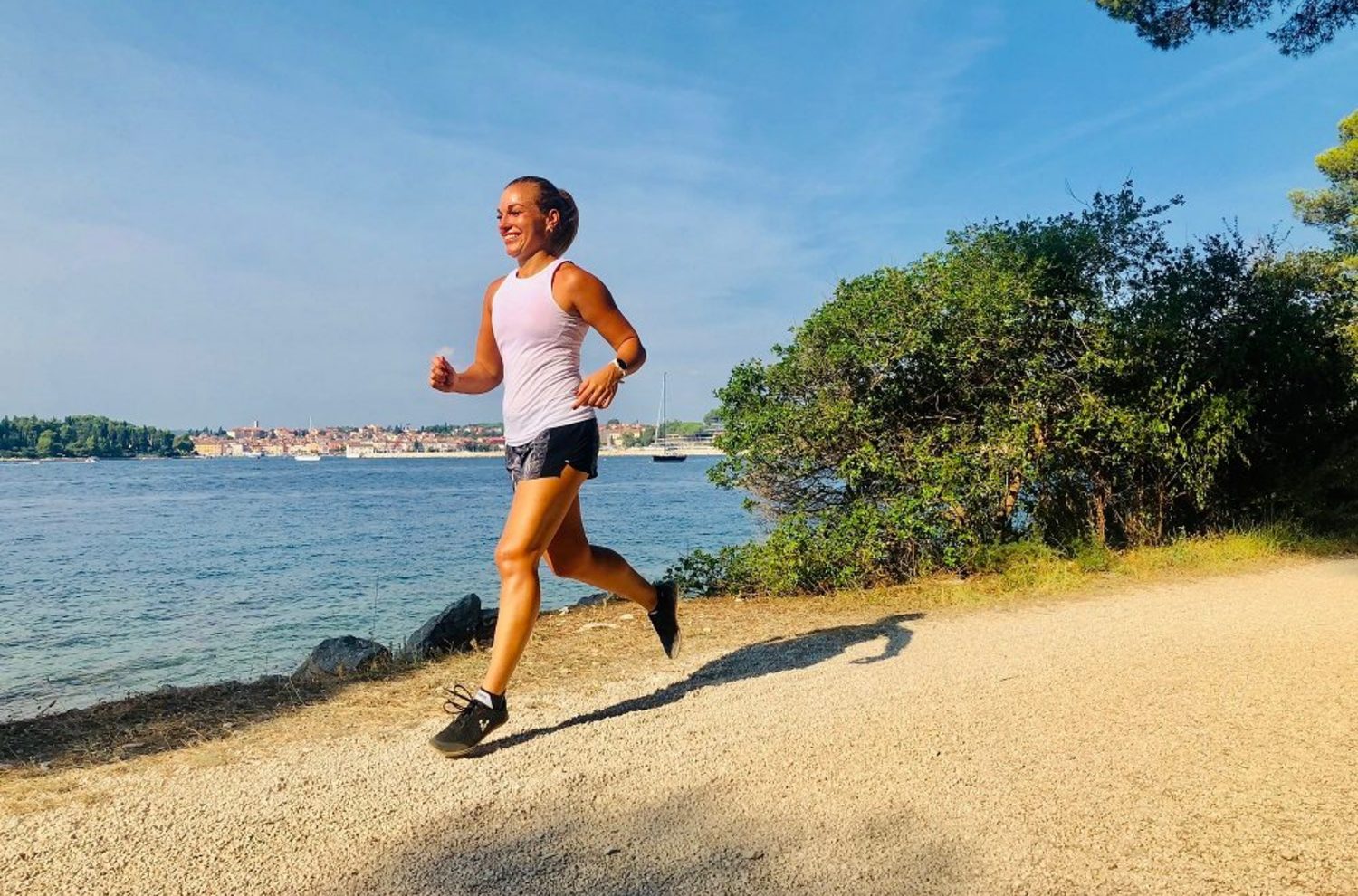
For road training, I like using XERO SHOES SPEED FORCE. They’re thin, but wide at the front. Thanks to the fastening, they fit well around the ankle. For me, they’re the most comfortable shoes. I love them — which is why I have them in both black and red.
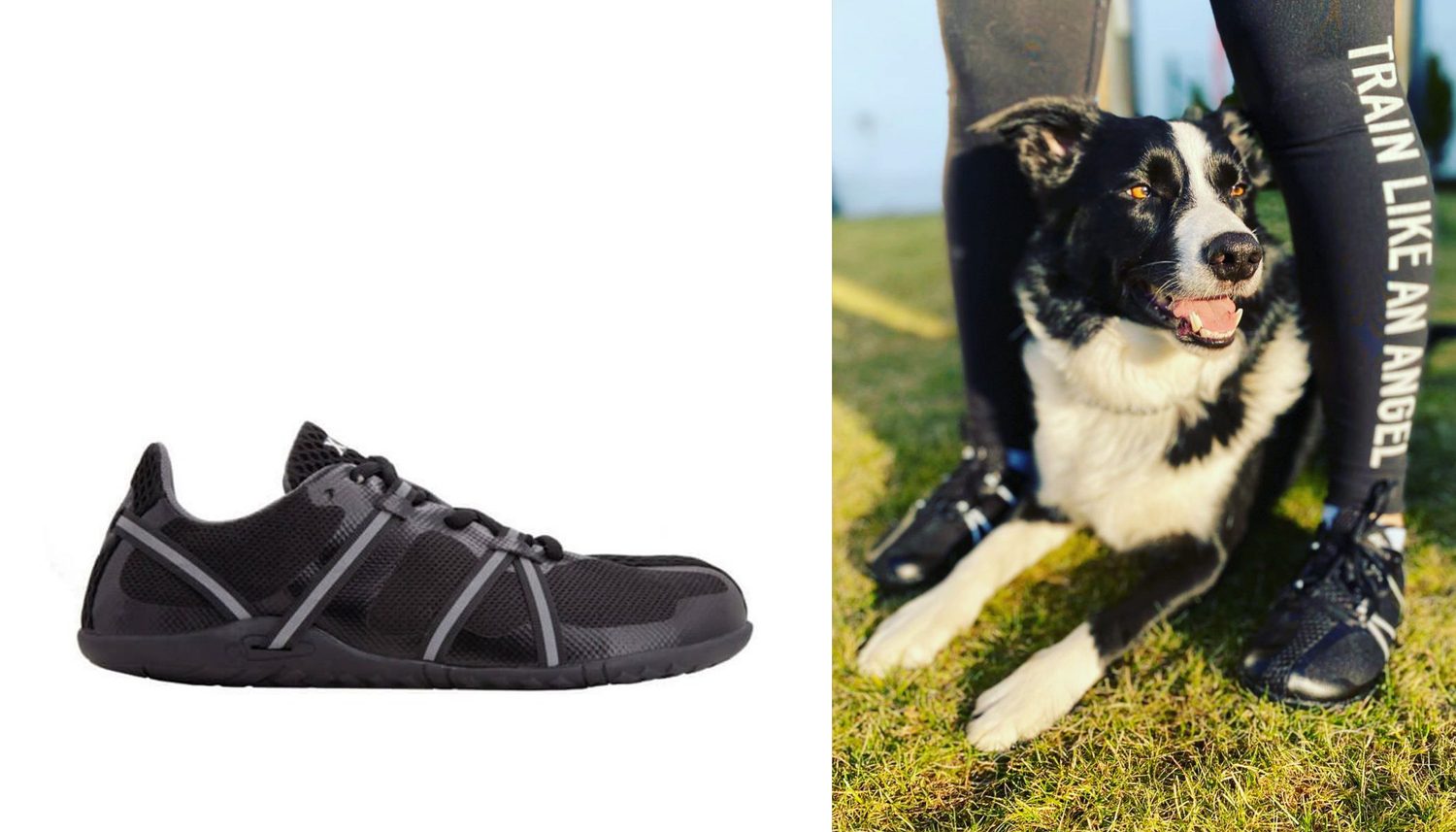
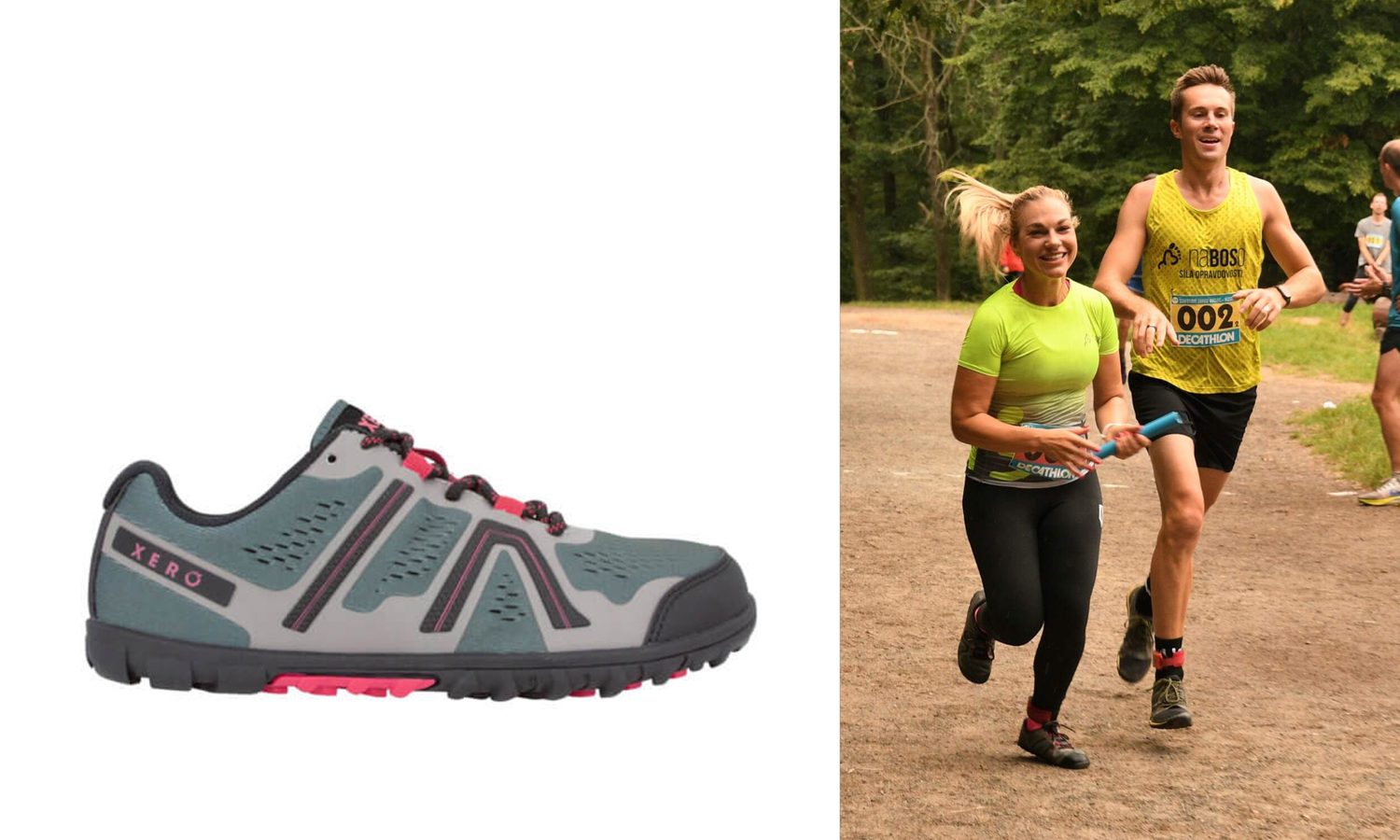
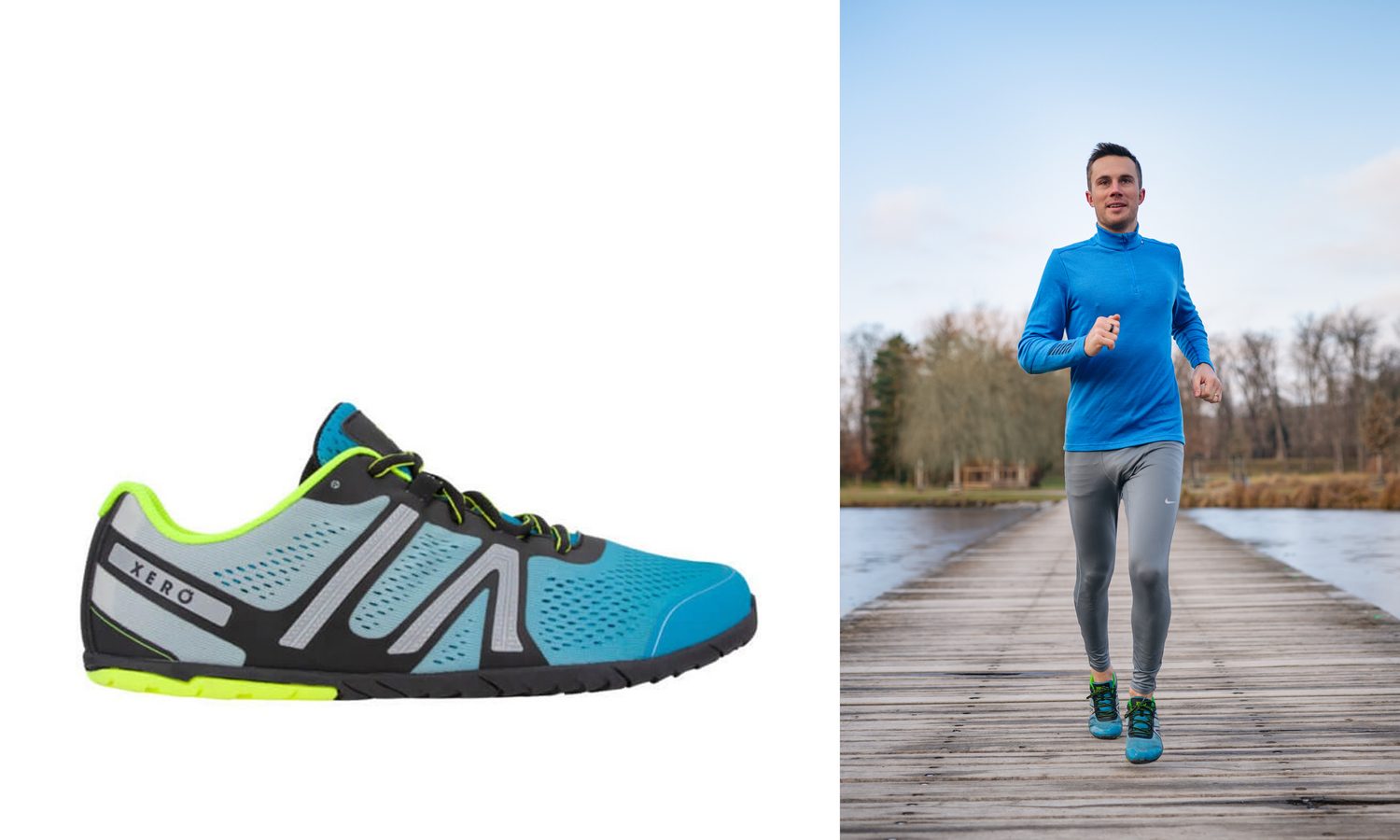
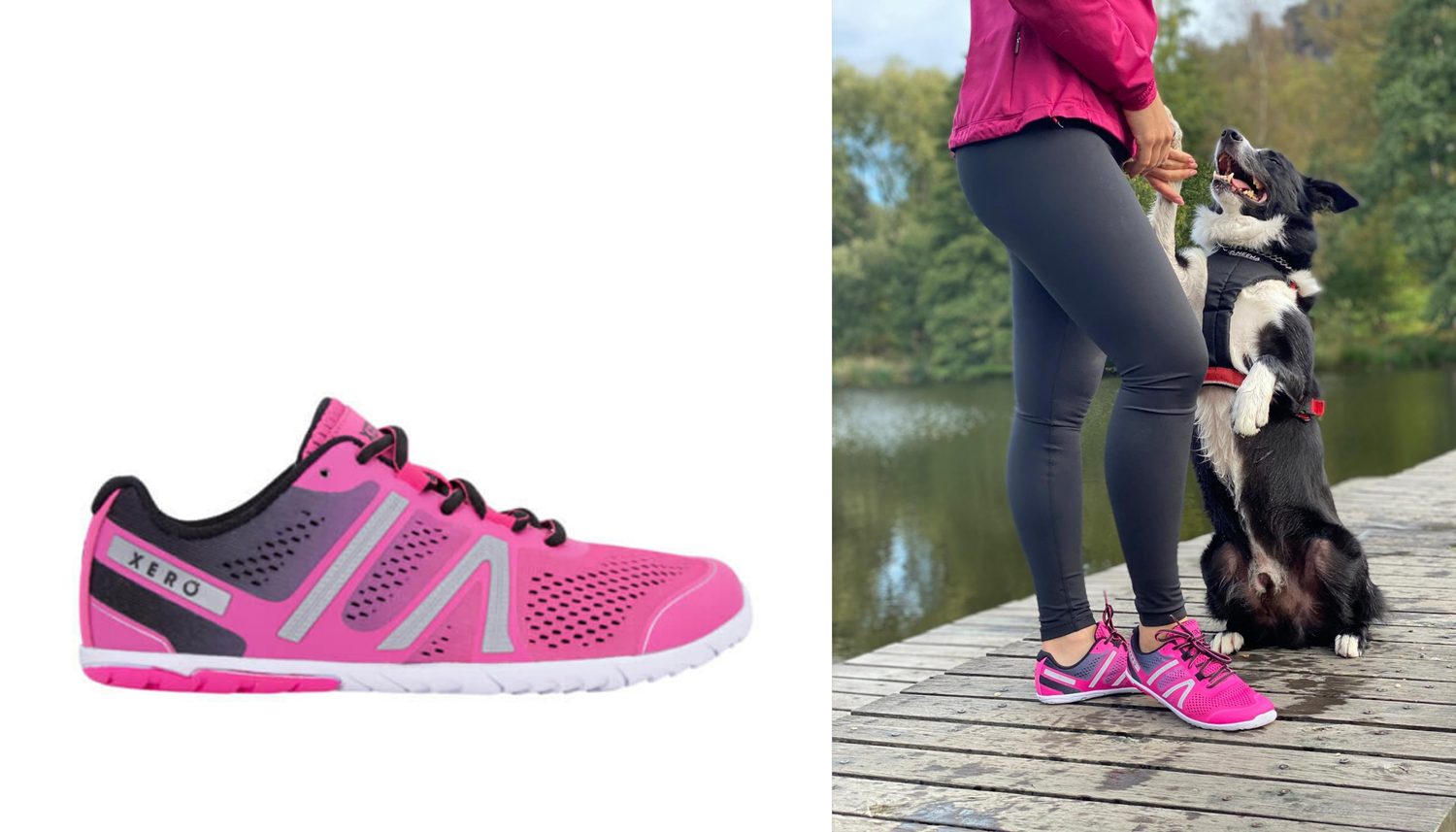
For a race, I’d reach for XERO SHOES HFS. That’s when you really push yourself — and you might stomp a bit too. So I prefer a slightly more cushioned, softer shoe. That also makes them more suitable for beginners.
I wear the XERO SHOES HFS not only for running, but also day-to-day in town, or for crossfit. For me, it’s the best, most versatile shoe — and it looks brilliantly designed too. See for yourself. There are, of course, different colour options, including a subtle black.
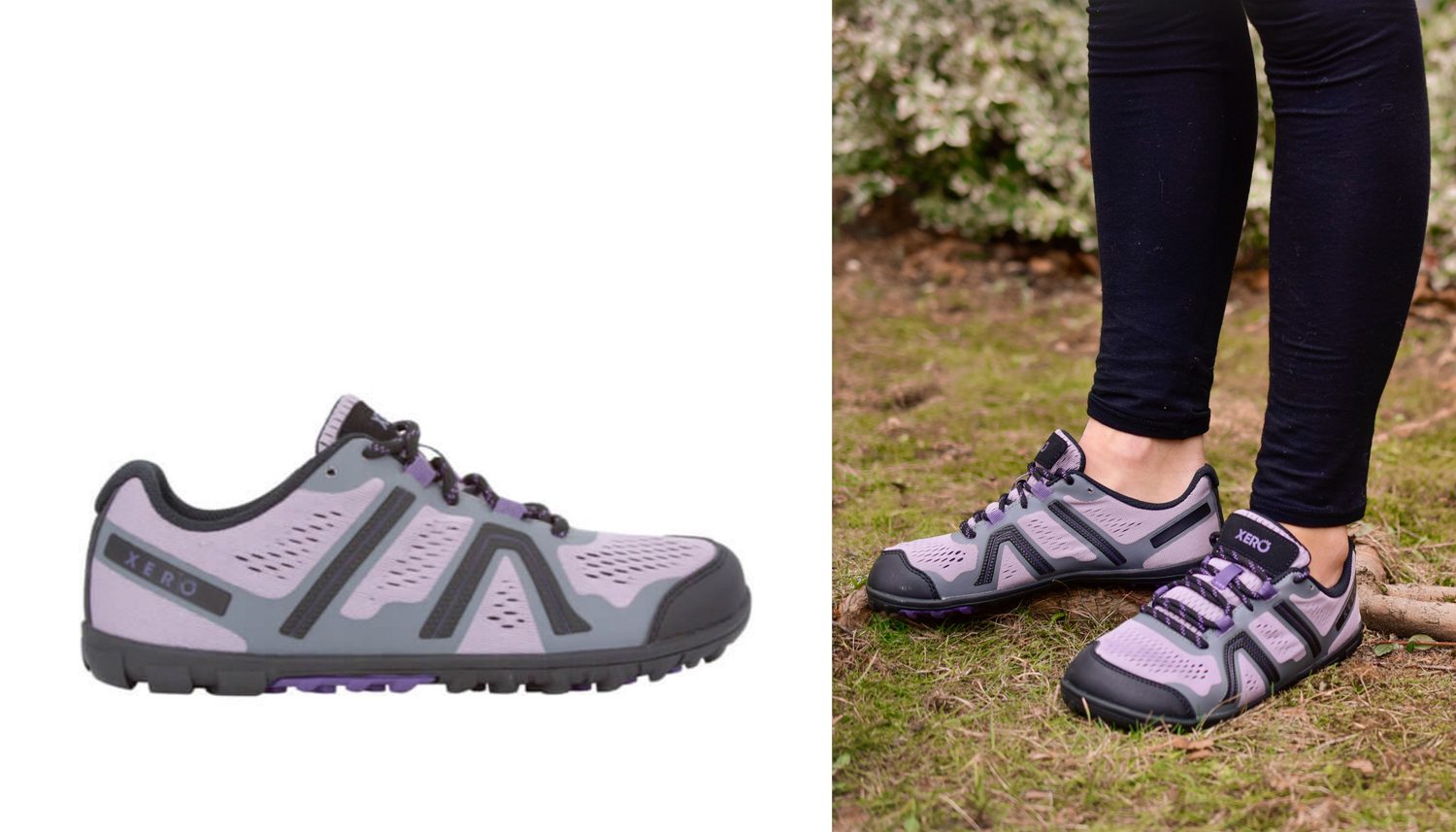
For trails and the mountains, I wear the MESA TRAIL model, also from the American brand Xero Shoes. They’re breathable, and the WP models are even waterproof — I run through streams and demanding terrain in them. In winter, I ran in snow wearing them together with waterproof socks. They have a medium-stiff trail sole with good grip and they’re great for forest paths too. I use the same shoes for long mountain hikes as well.
I also tried the wonderfully comfortable German LEGUANO AKTIV. For me, though, they’re very soft and don’t hold the heel very well — my ankle wobbles a bit in them. They’re definitely great for more experienced runners, or for those who run at a very easy pace.

When I see how many experiences Andy and I have had thanks to running — and how much food we can eat without changing our body weight — I can only recommend running. Just as the saying goes: everything in moderation. So if you’re starting out, don’t make your beginning a sprint — make it run-walk intervals (walk – run – walk – run).
I can definitely recommend thinking a bit about your running technique. Even if you don’t want to run a marathon under 2 hours or 100 metres under 10 seconds, it’s good if you’re not harming yourself through movement. On the contrary, natural movement is an absolutely essential part of caring for our long-term health. And running is one of the most natural things we can do in sport.
All the best with your training, friends — and I hope we’ll meet at an event sometime soon.
Jirka and Andy from naBOSo
(This article was first published in 2021)


 € - US
 Čeština
 English
 Slovenčina
 Magyar
 български
 Polski
 Dansk
 Nederlands
 Svenska
 Suomi
 Español
 Français
 Slovenščina
 Română
 Português
 Deutsch (DE)
 Deutsch (AT)
 Deutsch (CH)

