We’ll be happy to help via online chat or at: orders@premiumbarefoot.com

Selecting and Maintaining Barefoot Shoes
We’ll show you how to protect your shoes from moisture, salt and frost so they last as long as possible and keep their performance.
Winter puts barefoot shoes under real pressure. Snow, salt, damp and frost test not only your shoes’ materials, but your patience too.

It all starts with choosing the right pair. For tougher winter conditions, go for shoes with a membrane or insulated leather models that help protect you from damp and cold. But take note – even the best winter shoes need regular care. Follow a few simple rules and your barefoot shoes will serve you faithfully for several winter seasons.
naBOSo tip: Cold feet in winter? The issue might be the wrong shoe size or unsuitable socks. Read the article Do your feet get cold in winter in conventional shoes? They won’t in barefoot shoes.
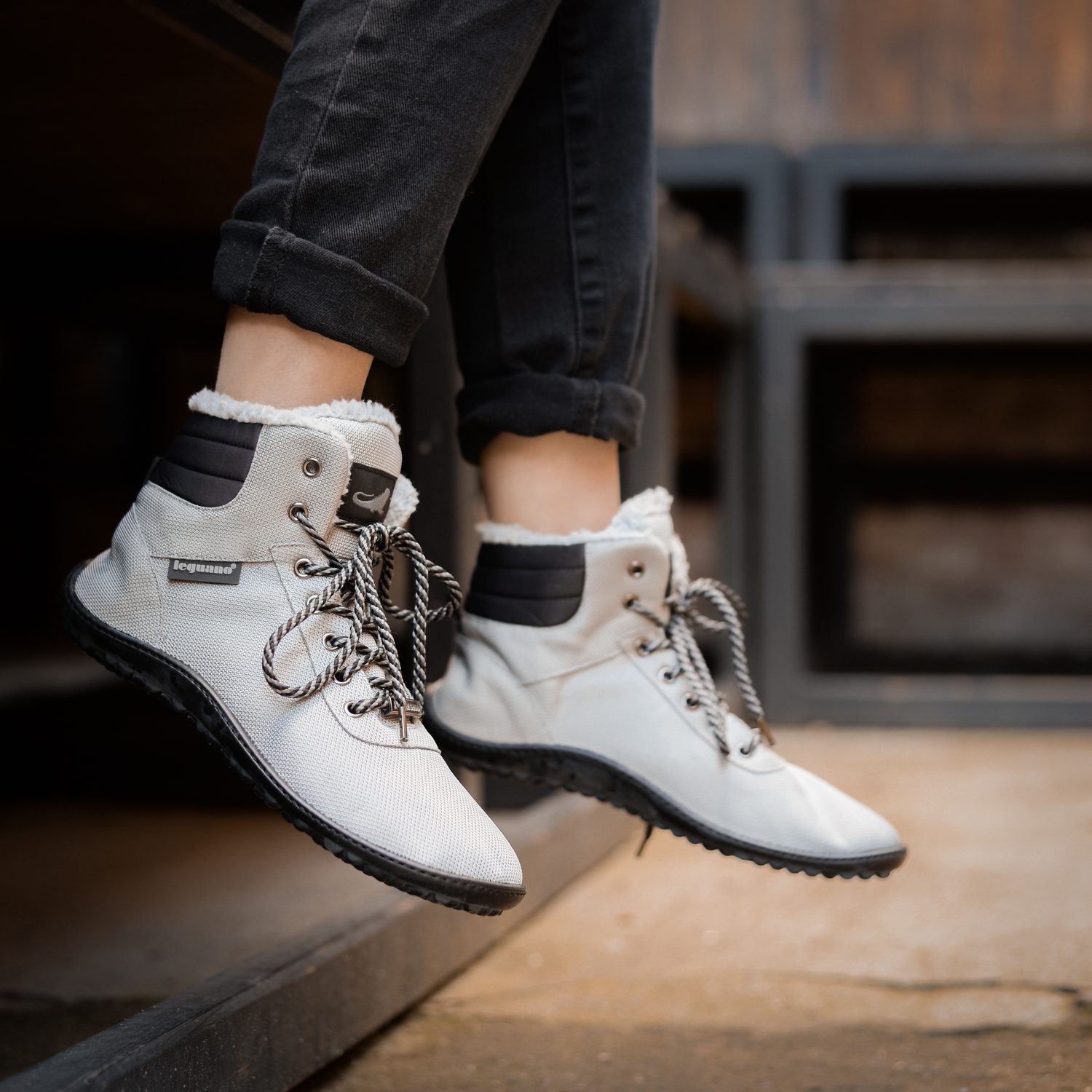
Snow, melting ice and winter slush will get into your shoes sooner or later. And once the material gets wet, it starts to lose its insulating properties. The result? Cold feet and a much shorter lifespan for your barefoot shoes.
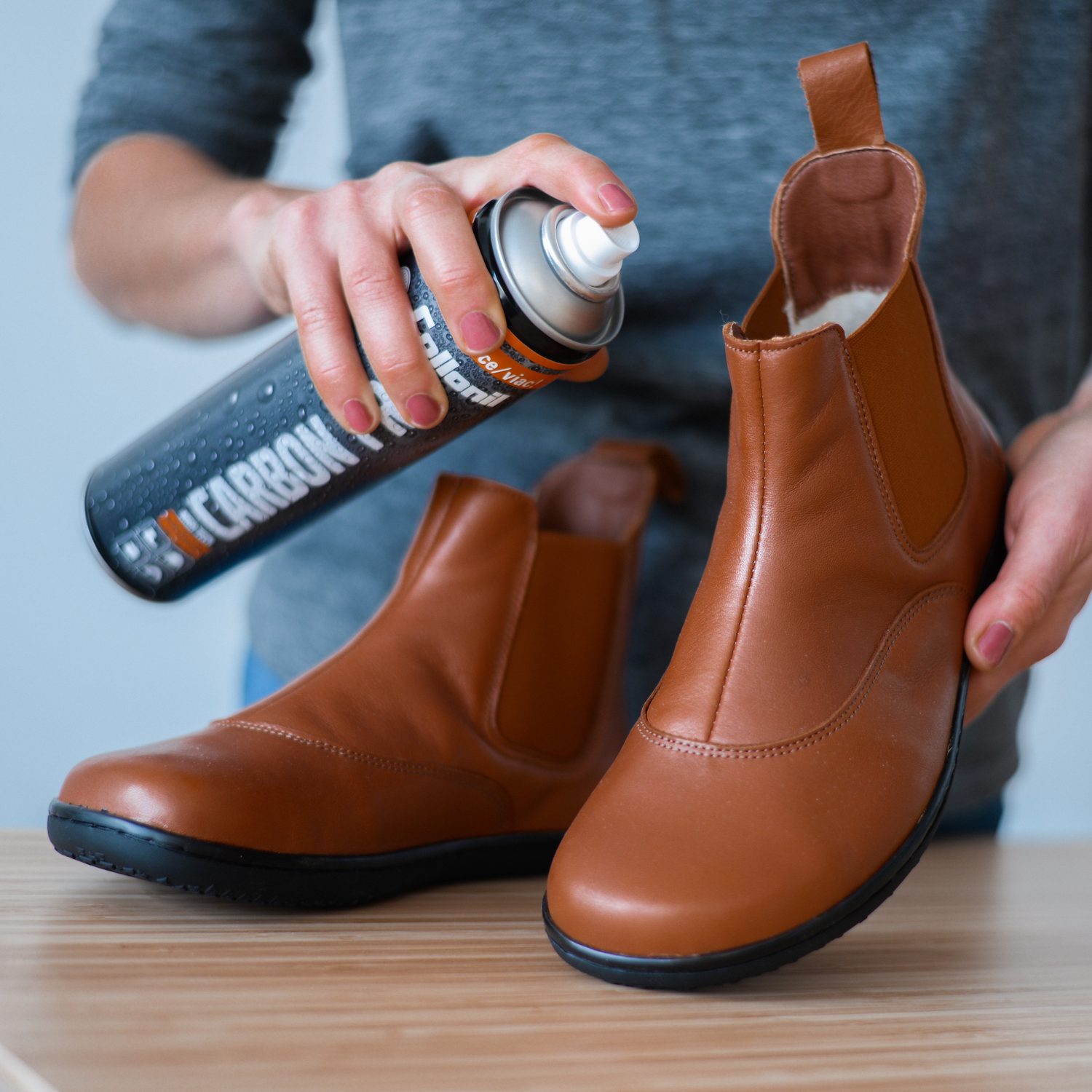
Waterproofing protects shoes from moisture and dirt, so it shouldn’t be missing from your (not only) winter routine. COLLONIL CARBON PRO is a great choice – it’s suitable for all materials, including membranes, and creates an invisible protective barrier on the surface. Regular application, ideally once a week or after each clean, will keep your shoes in top condition.
And one more important thing: rotate your shoes. Leather needs time to recover, so if you wear the same pair every day, it will wear out faster. Ideally, have at least two pairs and alternate them every other day.
When you get home in the evening with soaked shoes, don’t just leave them in the hallway. Take out the insoles, stuff the shoes with scrunched-up newspaper or insert wooden shoe trees, and let them air-dry at room temperature.
Radiator? Best avoided. Direct heat can cause cracking. With very wet shoes, expect natural drying to take around two to three days. Patience pays off – your shoes will thank you with a longer lifespan.
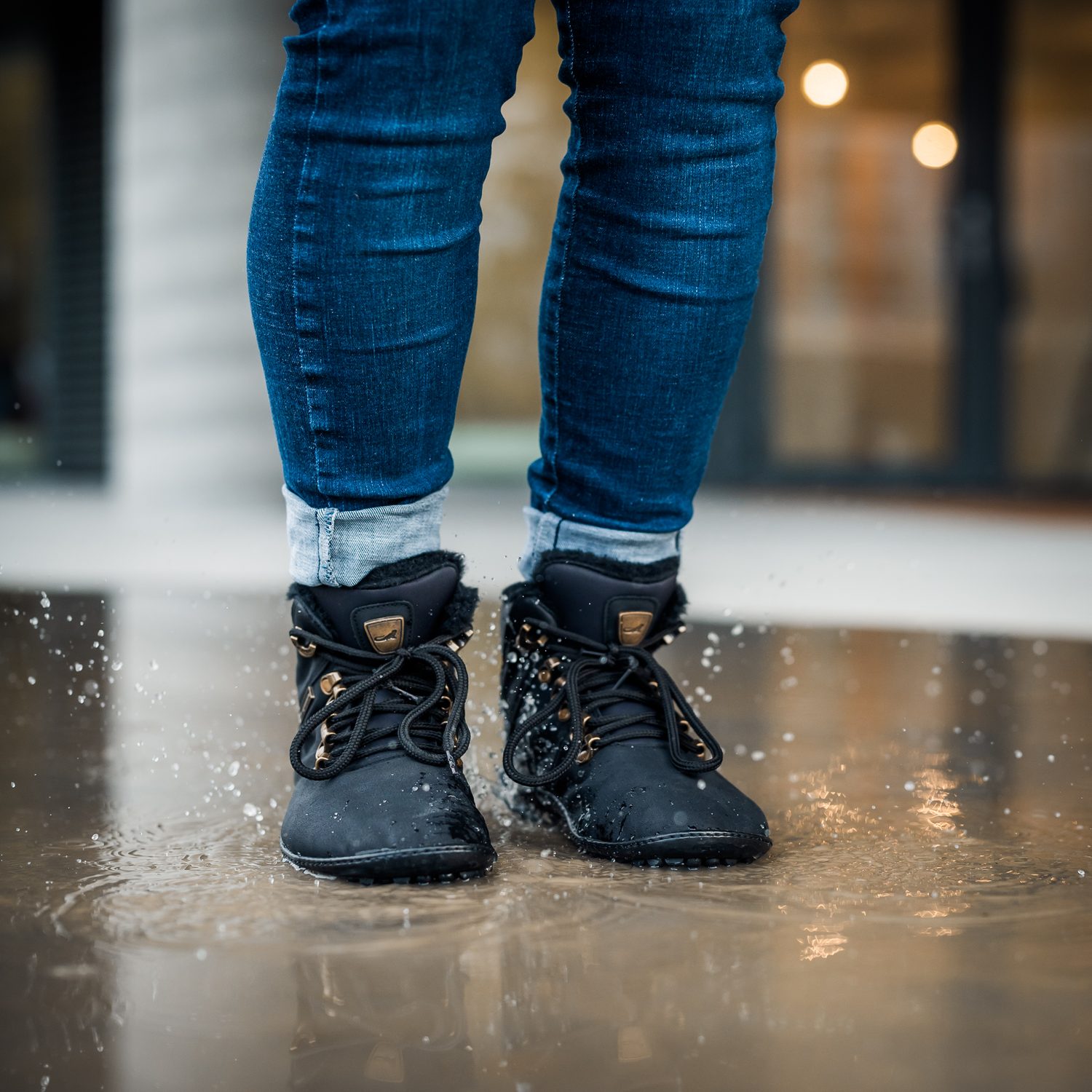
Gritted pavements are a winter staple. Unfortunately, road salt and chemical grit can really take their toll on your shoes. They leave ugly white marks and dry out leather, and over time can cause irreversible damage.
What can you do? Every evening – yes, really every evening – wipe your shoes thoroughly with a damp cloth. Clean water is enough, or a drop of mild soap. The key is not to let salt dry on overnight. With leather barefoot shoes, regularly apply nourishing creams or waxes to protect the leather and keep it supple.
naBOSo tip: Want to know how to clean and care for different materials properly? You’ll find out in the article With proper care, your barefoot shoes can last for years. You just need to know how.
The combination of frost, dry indoor air and salt on the surface is a recipe for disaster for leather. The material loses its natural moisture, becomes brittle and can crack over time.
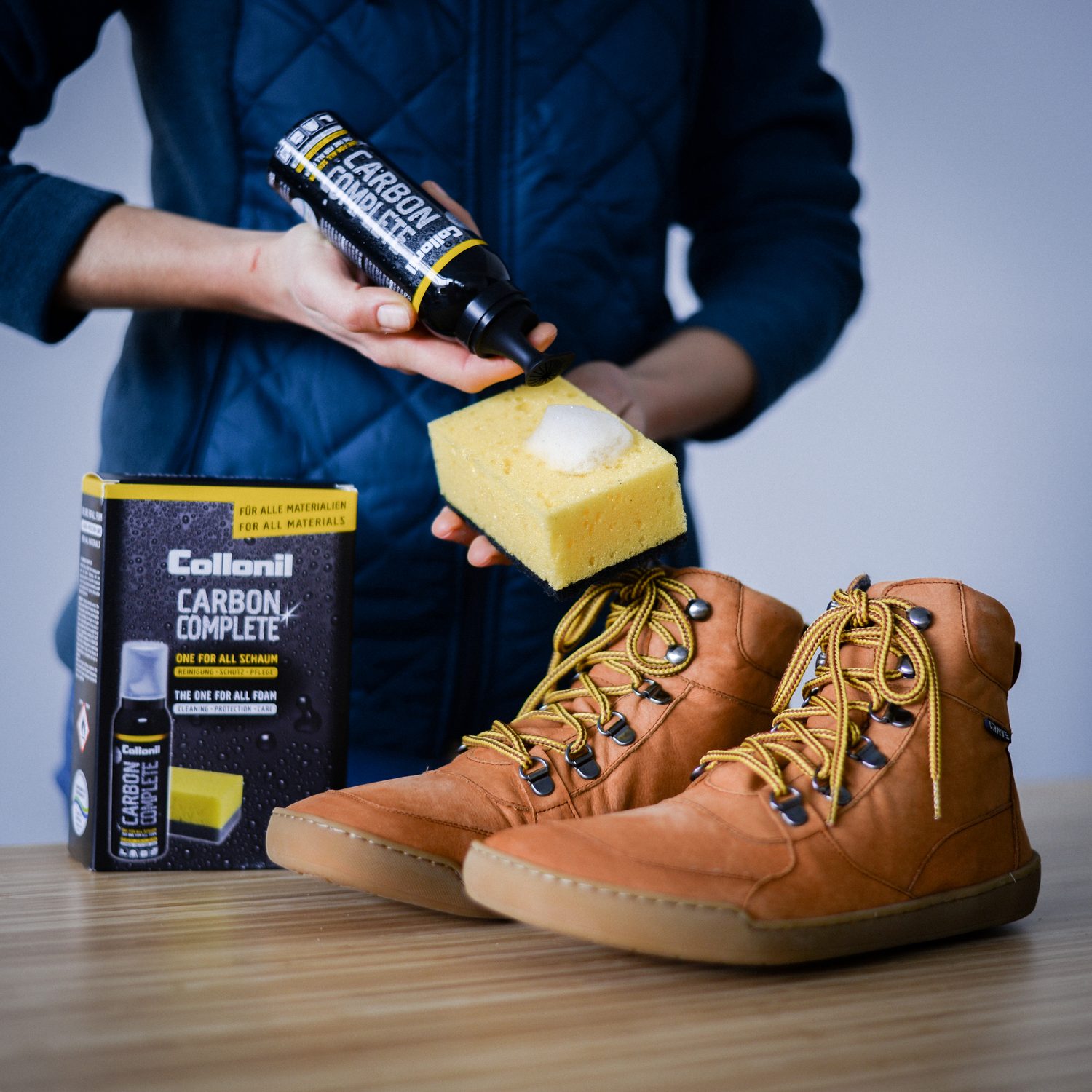
That’s why you should regularly treat leather shoes to a dose of nourishment. Smooth leather can handle more than suede; with patent leather, be careful and choose specialist products. Colourless RENAPUR balm or wax will deeply condition smooth leather. If you want waterproofing and nourishment in one, use COLLONIL CARBON WAX, which is suitable for both smooth leather and suede.
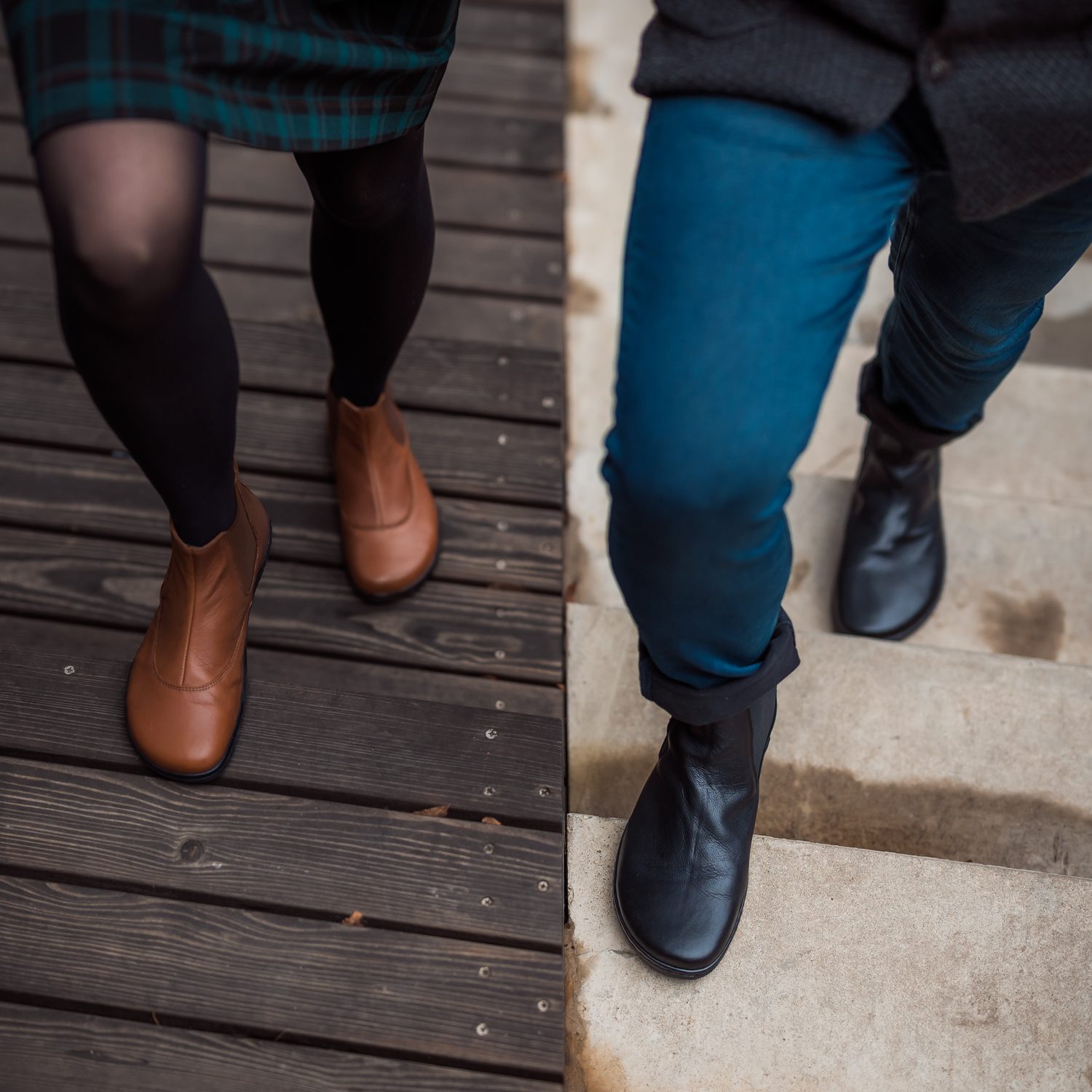
In summer, shoes air out; in winter, they don’t. Moisture inside combined with the warmth of your feet creates the ideal environment for bacteria – and that’s where unpleasant odours come from.
After each wear, air your shoes thoroughly, take out the insoles and leave them out to dry. As a preventative measure, you can use SMELLWELL ORIGINAL bags – pop them into your shoes overnight to absorb moisture and odours. Another option is COLLONIL BREEZE shoe deodorant, which actively helps prevent odours from forming.
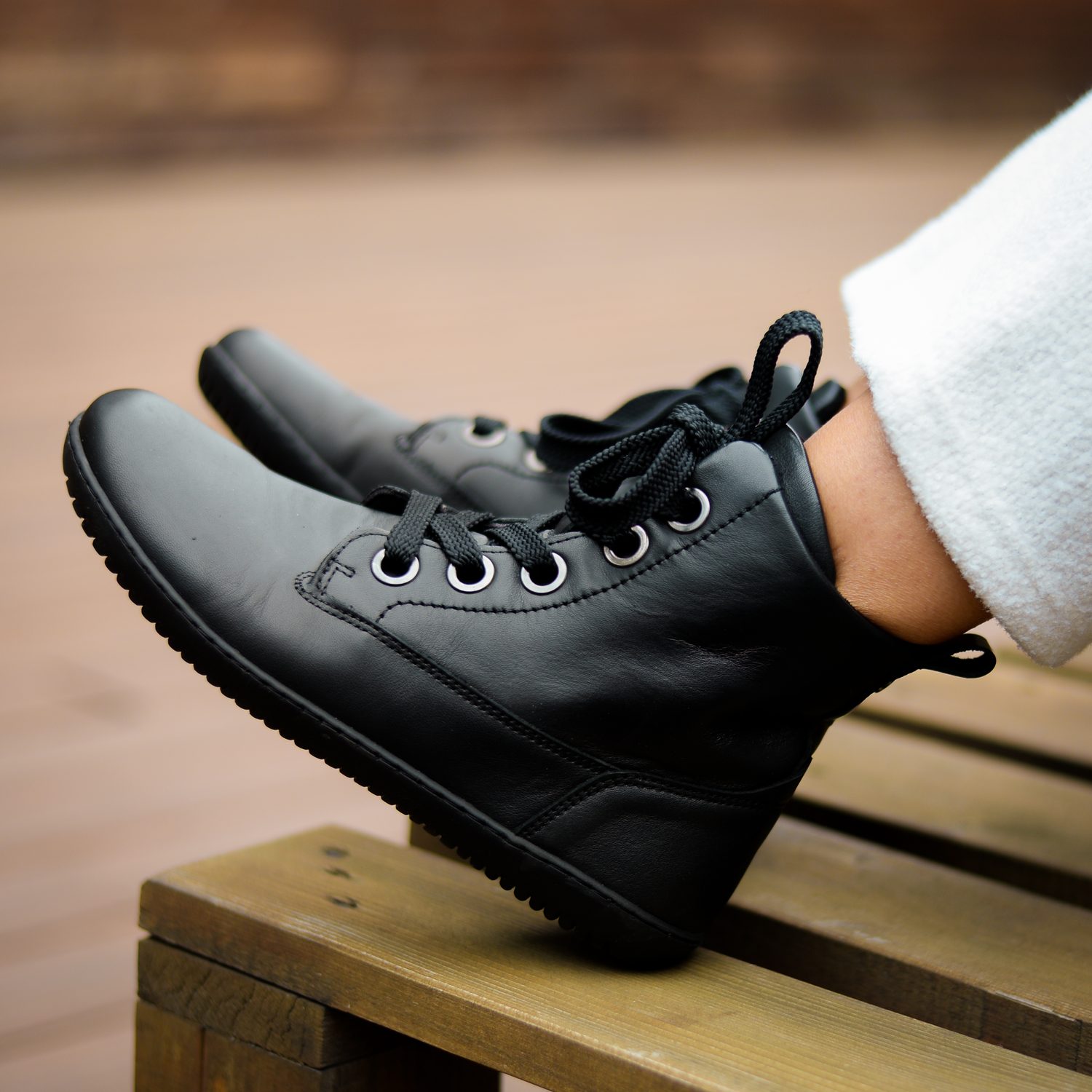
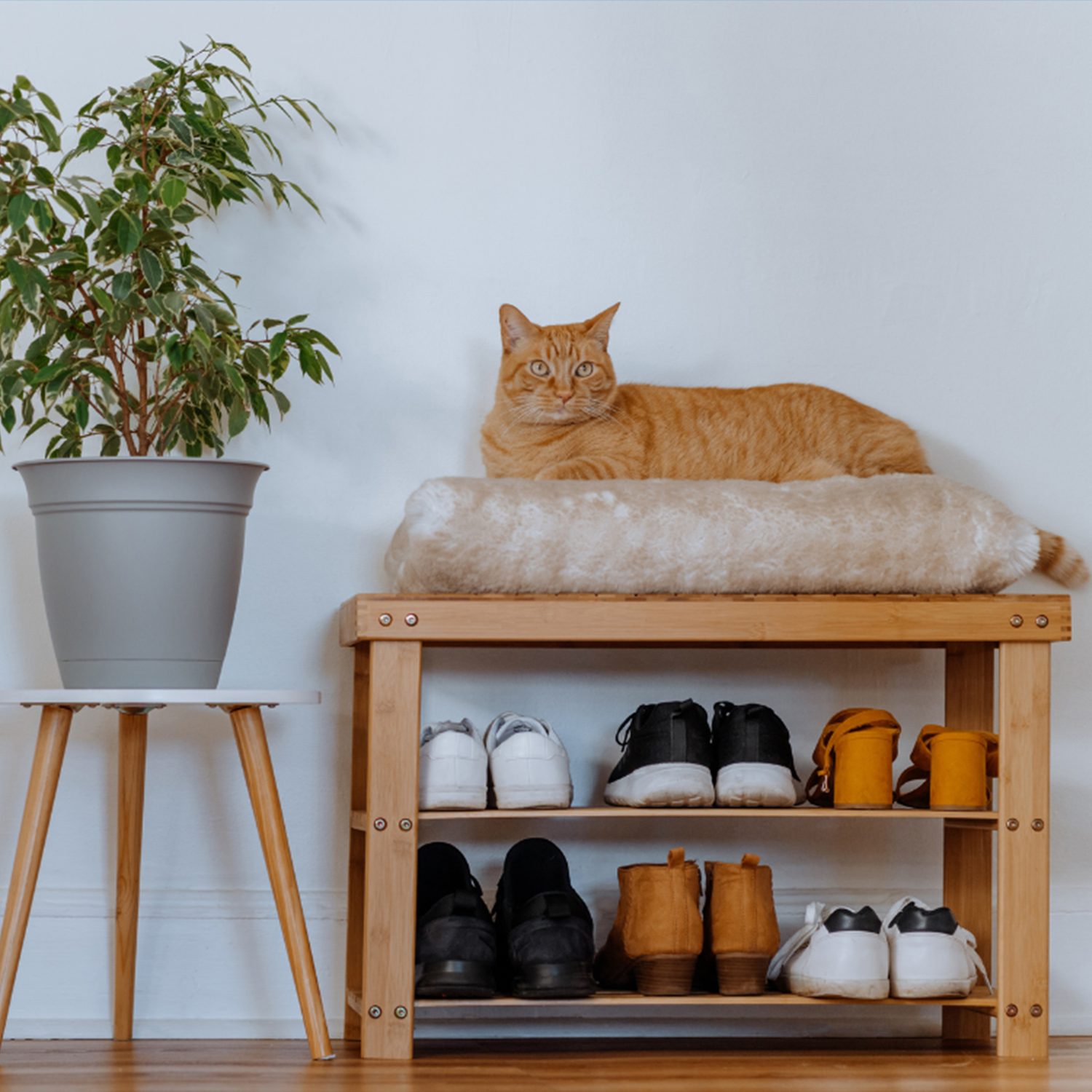
When spring arrives and you put your winter barefoot shoes away, don’t forget one last little care ritual. Clean them thoroughly, waterproof them and let them dry properly. Only then store them somewhere dry with good ventilation, ideally filled with shoe trees or scrunched-up paper to help them keep their shape. You’ll find more practical storage tips in the article 5 tips for storing shoes properly and getting your shoe cupboard organised.
Winter care for barefoot shoes takes a bit more attention than in summer, but it’s definitely not complicated. All you need is a simple evening routine – wipe off salt and dirt, air them out and waterproof as needed. A few minutes invested in regular care will pay you back many times over in shoes that keep bringing you joy season after season.



 € - US
 Čeština
 English
 Slovenčina
 Magyar
 български
 Polski
 Dansk
Dansk
 Nederlands
 Svenska
 Suomi
Suomi
 Español
 Français
 Slovenščina
 Română
 Português
 Deutsch (DE)
 Deutsch (AT)
 Deutsch (CH)

