We’ll be happy to help via online chat or at: orders@premiumbarefoot.com

A well-functioning pelvic floor affects overall physical fitness in women and men alike. Which issues can reduce quality of life? How can you restore pelvic floor function?
Breathing, a flat tummy, bowel movements, sex, mental wellbeing, fertility, back pain… all of this in both men and women is linked to the activity and optimal function – or, when things go wrong, the dysfunction – of the pelvic floor.
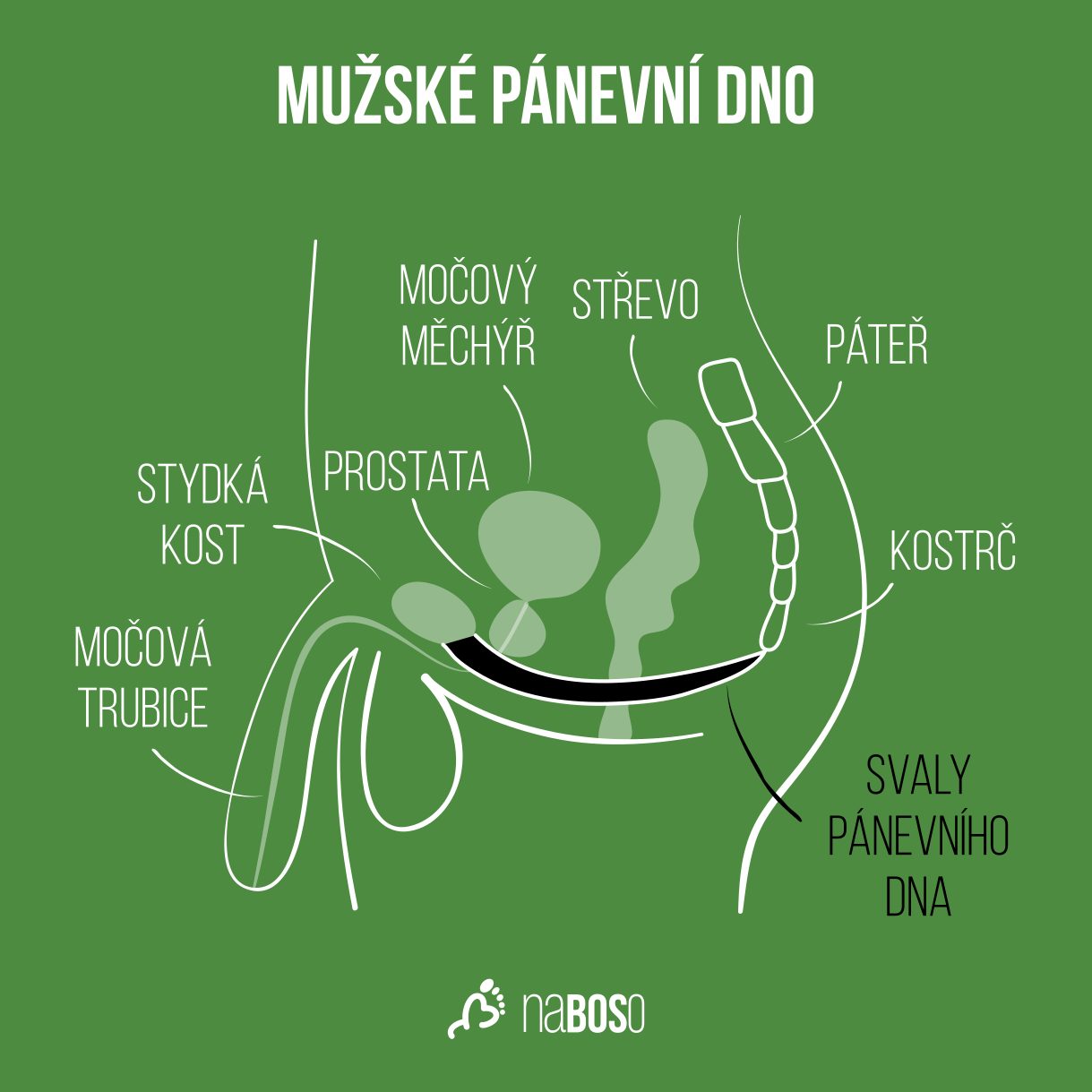
The pelvic floor is a group of muscles and connective tissue located in the pelvis, in the area between the sitting bones, the pubic symphysis and the tailbone. These muscles lie horizontally in several layers. Each layer has different roles (muscles supporting the organs, muscles supporting pelvic stability, sphincters, sexual function), and during exercise it’s important for the therapist to be able to work with them both individually and as a whole – depending on where the problem has been diagnosed.
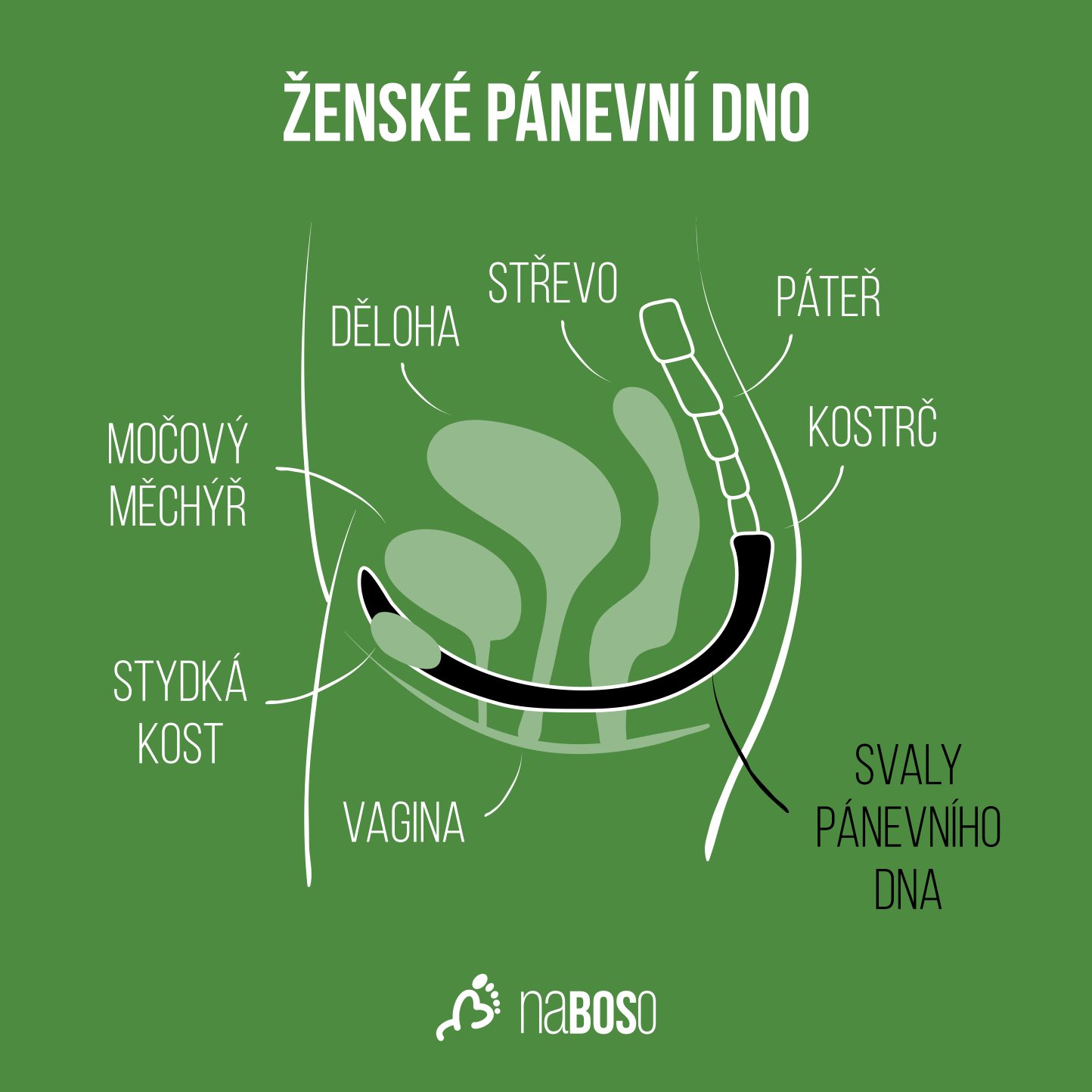
Together with the diaphragm, the deep back muscles and the abdominal wall, the pelvic floor forms the spine’s stabilisation system. One cannot function properly without the other.
You can imagine the trunk – the centre of the body – as a cylinder. The top “lid” is the diaphragm, the bottom is formed by the muscles and connective tissue of the pelvic floor, and the walls are formed by the spine at the back and the abdominal wall muscles at the front and sides. Ideally, the diaphragm and pelvic floor are positioned horizontally, parallel to each other. The abdominal wall at the front and the spine at the back connect them.
Inside this cylinder sit the organs, and it’s mostly a watery, incompressible environment – except for the intestines, which also contain gas. The diaphragm acts like a piston, compressing the organs in the cylinder with every inhalation as it expands in all directions, pushes downwards and increases intra-abdominal pressure.
When everything is working properly, the abdominal wall responds to this compression of the organs by gently expanding outwards and firming up. Along with it, the pelvic floor also responds to the increased pressure by activating. This mechanism helps keep the lumbar spine upright. Among other things, it massages the abdominal organs and can also improve lymphatic function, digestion and bowel movements.
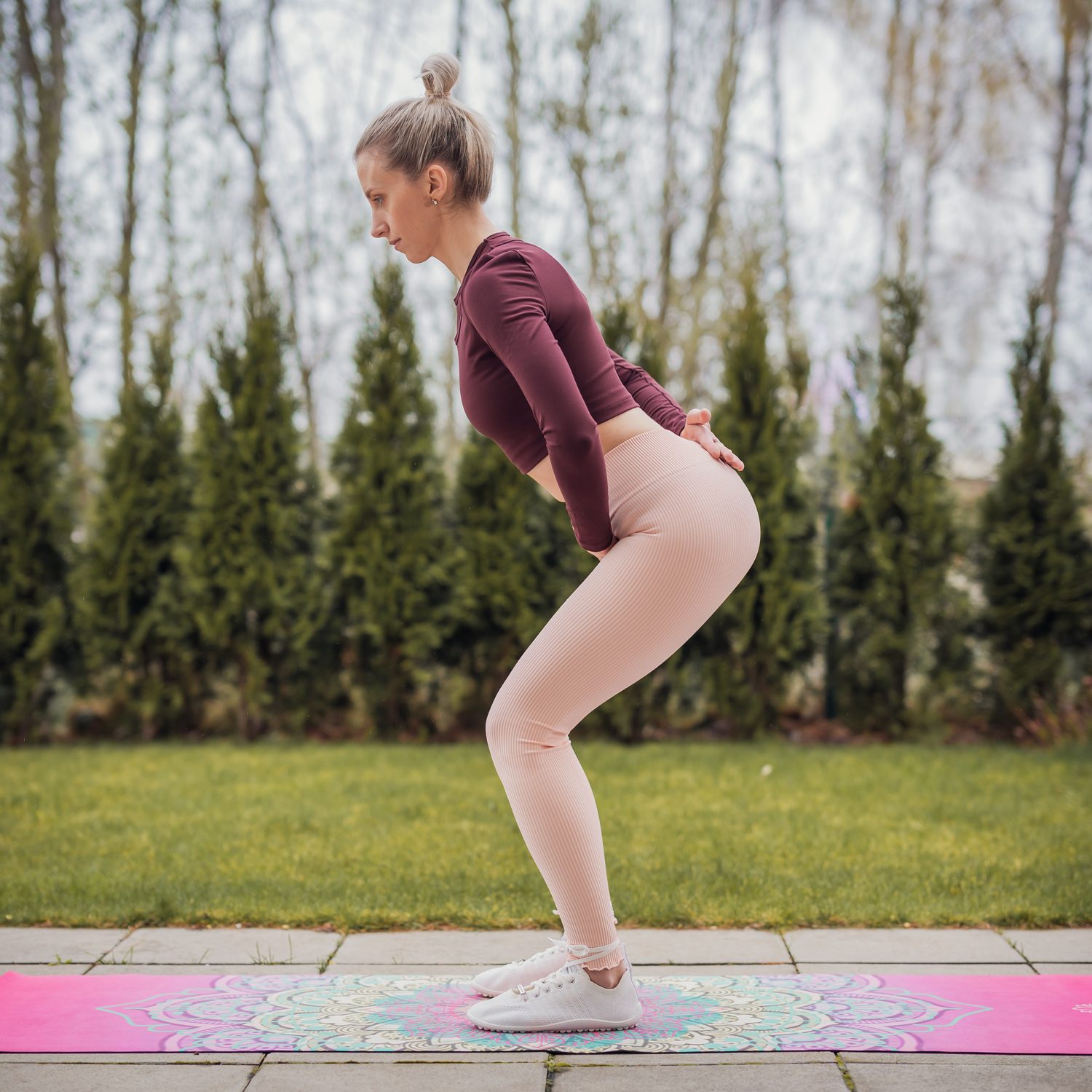
The pelvic floor doesn’t only support the abdominal organs and contribute to spinal stability – it also stabilises the pelvis and hips. We can picture the pelvic floor as we often see it in diagrams, suspended in the pelvis like a hammock. However, in an upright body position (sitting tall or standing), the muscles are active, engaged, and therefore stabilise the area.
The pelvic floor also includes the external sphincters. We control these muscles consciously after sensors in the bladder or rectum inform us that they are filling.
The pelvic floor muscles help with erection and ejaculation in men; in women they can enhance sensation and help move sperm towards the uterus.

Pelvic floor problems can occur due to many factors. In women these include:
In men, most commonly:
Problems linked to weakness are most often caused by a complicated birth, when the pelvic floor is damaged as the baby passes through the birth canal (stretching, tearing or an episiotomy affecting muscles and connective tissue). Similar overload can also happen as a result of obesity, when excessive pressure acts on the pelvic floor over a long period of time, and also after laparoscopic surgery.
The muscles then don’t do their job properly, and incontinence can occur – most often during exertion (a sudden acceleration of movement, sneezing, etc.).
A specific type of pelvic floor problem is descent – or even prolapse – of organs through the vaginal wall. This is a very unpleasant condition that is addressed first and foremost with exercise – and then surgically if, despite every effort, there is no improvement.
In both men and women, again as a result of a difficult birth, after injuries or after urogenital surgery (prostate surgery, radiotherapy, etc.), there can be nerve damage affecting the external sphincters. If these nerves are damaged, partial or even continuous leakage of urine and stool may occur. Physiotherapy is essential here too, along with spontaneous regeneration and, as a last resort, surgery.
Pelvic floor problems don’t only include weakness – they can also involve overload. This can happen due to inappropriate training load, more often in professional athletes, or due to high levels of stress, when we constantly tighten the pelvic floor muscles subconsciously.
Pelvic floor function is also influenced by posture and poor breathing patterns (the chest in a so-called “inhalation position”, where the lower ribs are flared and angled upwards), in which the abdominal organs are not compressed and the pelvic floor is therefore not stimulated.
With increased tension in the pelvic muscles, women may experience painful intercourse. Conversely, with reduced tension, men may experience erectile difficulties. In both men and women, sexual experience can also be reduced.
Both overload and weakness can show up, for example, as painful menstruation or fertility-related functional issues in both men and women. In any case, it’s appropriate to see a physiotherapist and take a holistic approach to finding the cause. The cause is rarely clear-cut and only one thing.
So how are the pelvic floor and barefoot shoes connected? Very much so. The diaphragm and pelvic floor work most effectively when they are aligned in parallel. Another part of the body that works in harmony with these elements is the foot.
If the foot is also positioned horizontally (i.e. parallel to the pelvic floor and diaphragm), the body functions optimally as a whole and doesn’t look for compensatory tilt mechanisms. If we tilt the foot even with a low heel, we also change the tilt of the pelvis, which then has to compensate for the raised heel by shifting the centre of gravity. This change in pelvic tilt then changes the position of the ribcage, and therefore the diaphragm too. Barefoot shoes have a flat sole with zero drop. Thanks to this, the body’s alignment stays natural.

If we wear barefoot shoes from our very first steps, we don’t interfere with the body’s natural development. If we start wearing them in adulthood, it can take several months for the body to adapt.
If you want your pelvic floor to work efficiently during everyday activities – not only in therapy and exercise sessions – there’s no better way than to put on barefoot shoes and allow the muscles to do the work themselves.
The pelvic floor is made up of “invisible” muscles, so at first it isn’t easy to exercise them. Above all, you need to become aware of where your pelvic floor is. First, try gently activating your pelvic floor while lying on your back with your knees bent.
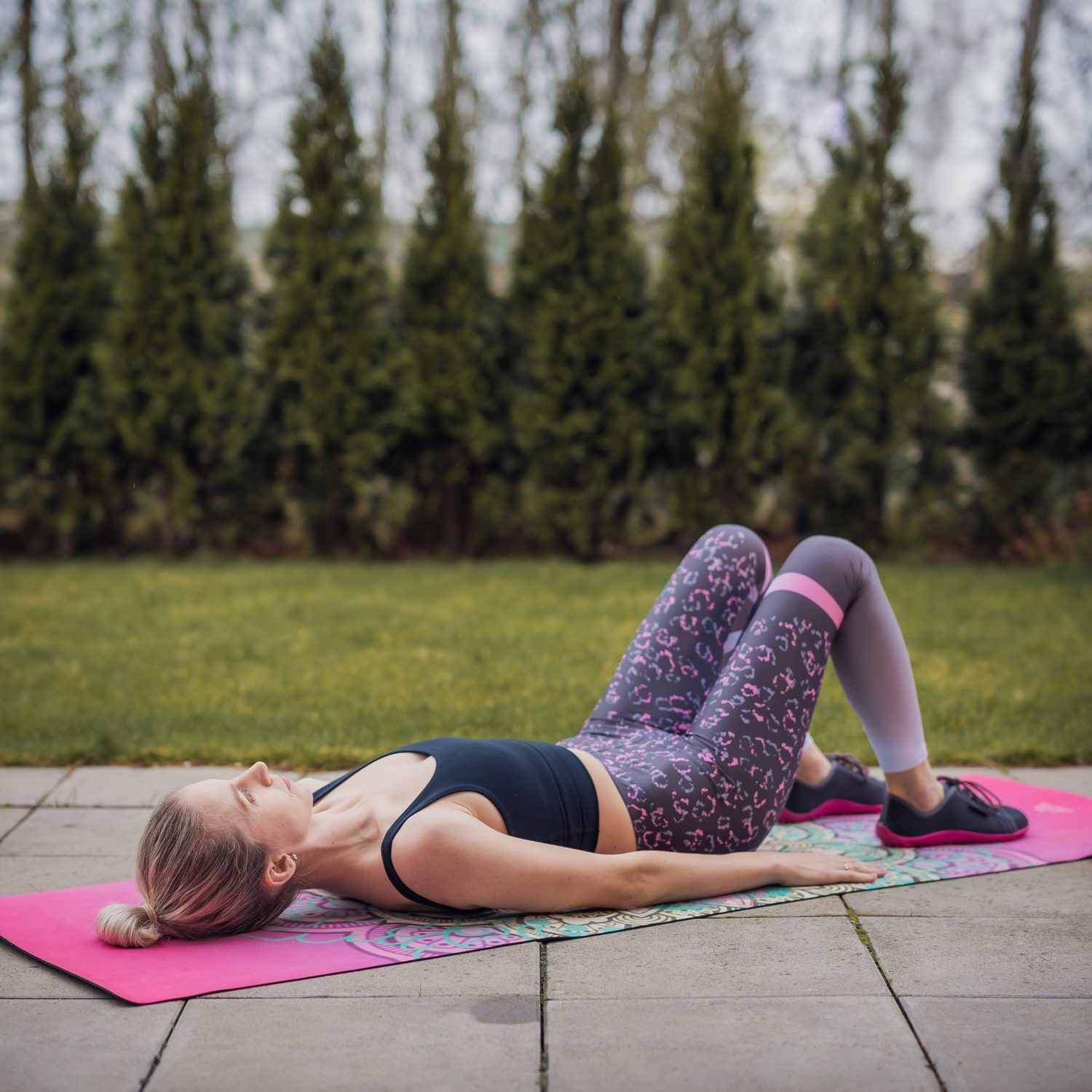
If you experience painful menstruation, painful intercourse, functional fertility issues, excessive stress or physical strain, relaxation exercises are appropriate.
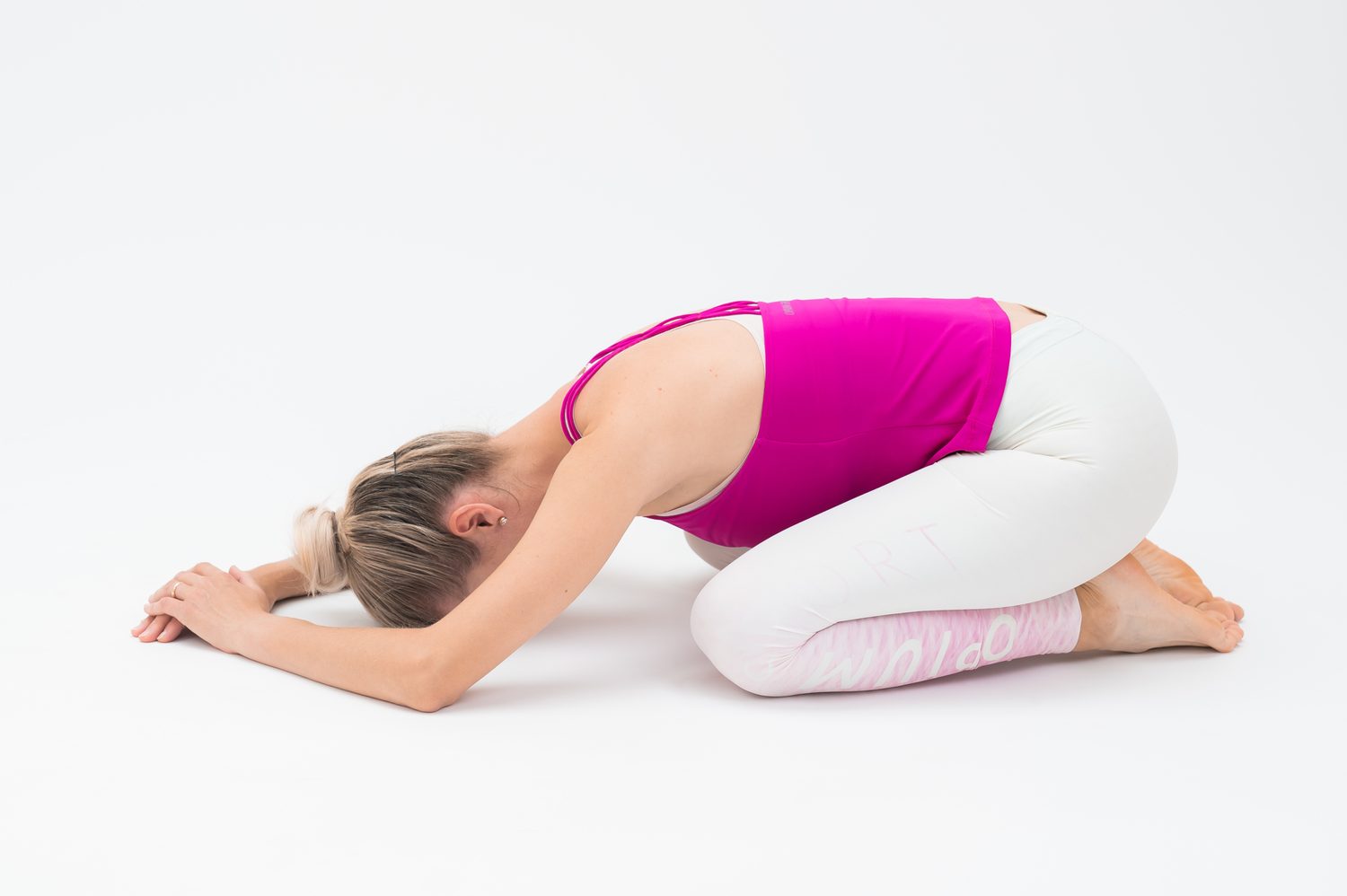
Pelvic floor relaxation in child’s pose.
If your pelvic floor is weak, try doing these two exercises twice a day:
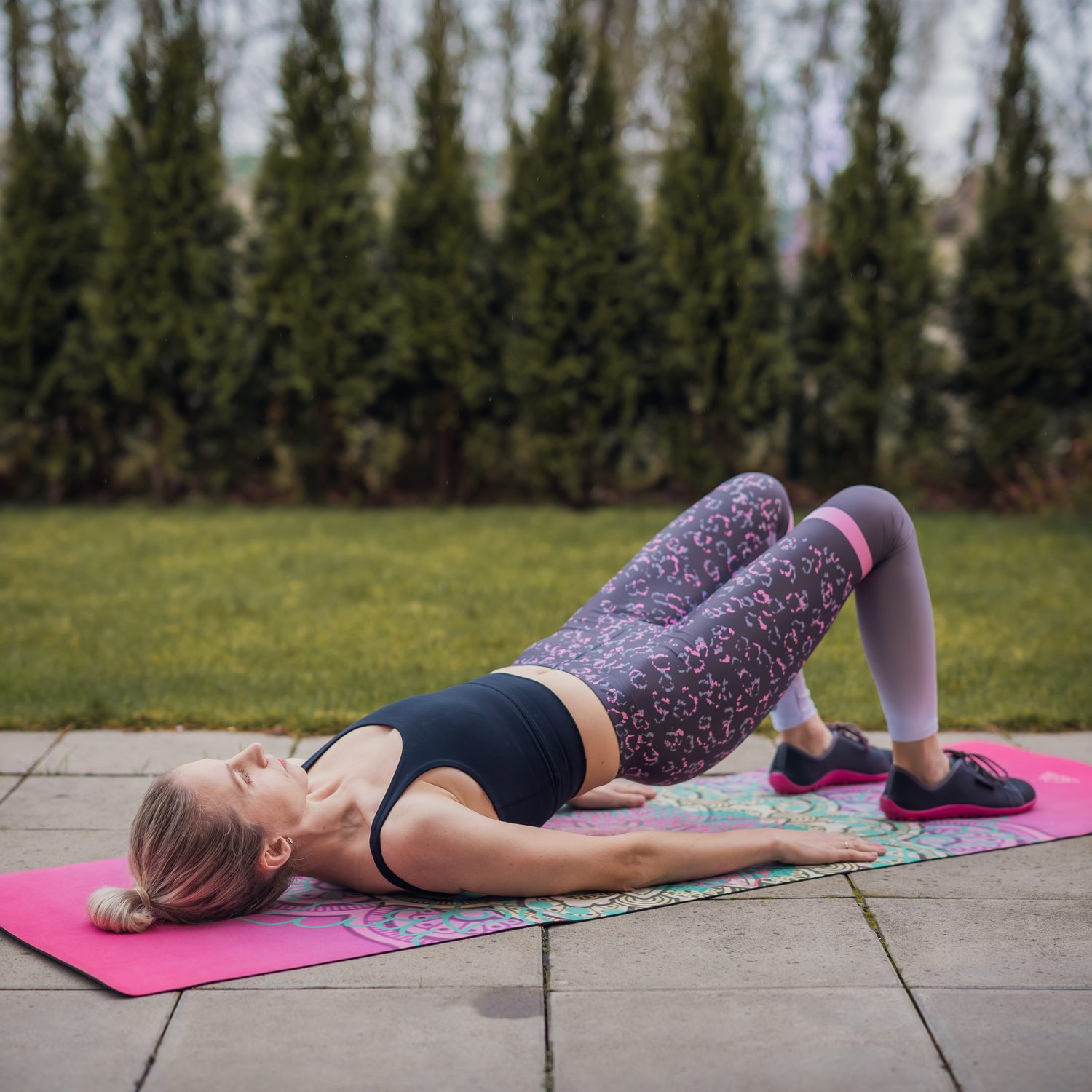
I gently activate the pelvic floor; with an inhale directed into the lower abdomen I lift the pelvis off the mat (only high enough so that the shoulder blades don’t lift), and with an exhale I lower back down and relax the pelvic floor muscles.
Common mistakes: arching the lower back (the lower back must stay neutral)
Number of repetitions: 15x
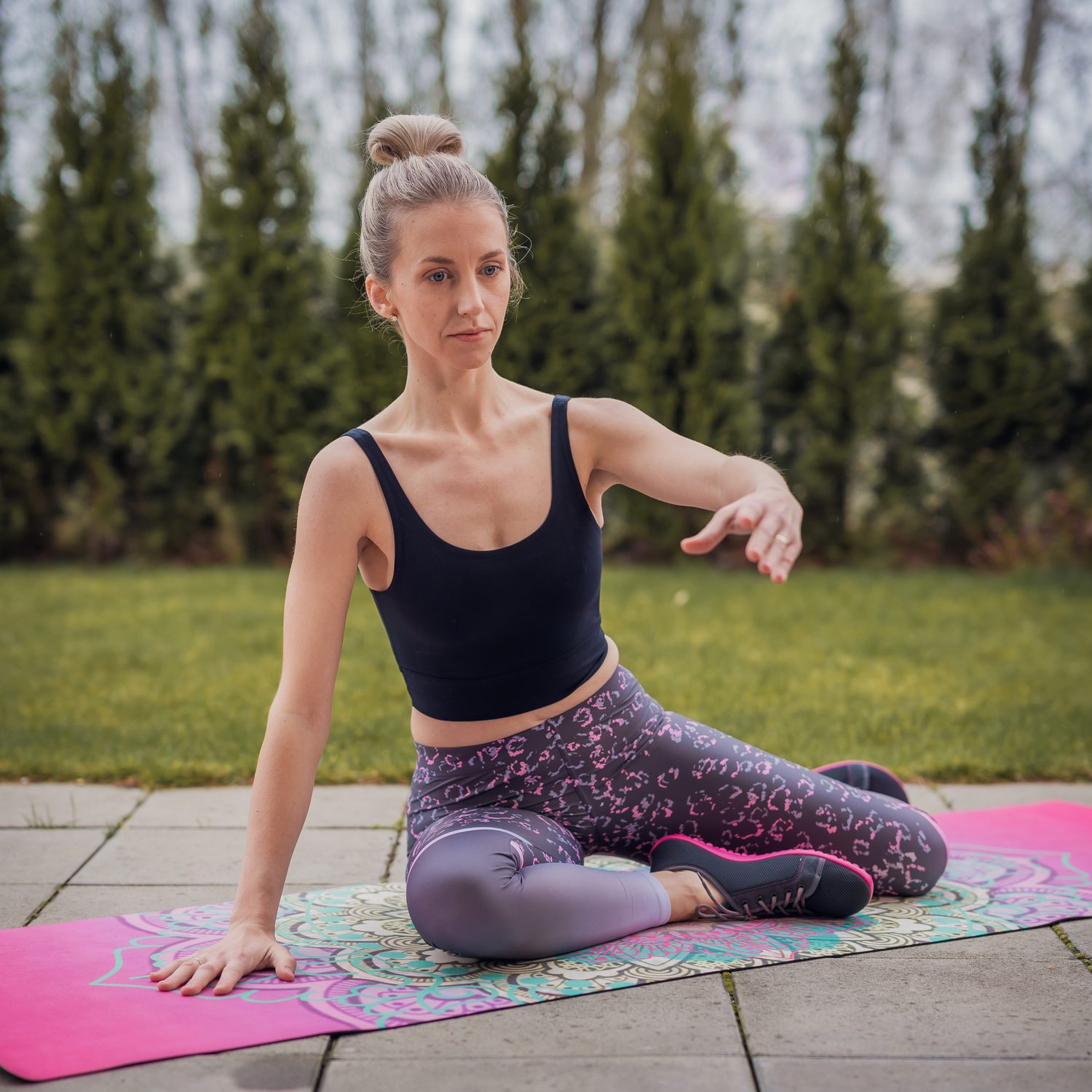
Side-sitting position, supported on the palm (placed level with the knee), spine upright, shoulders gently pressing out to the sides.
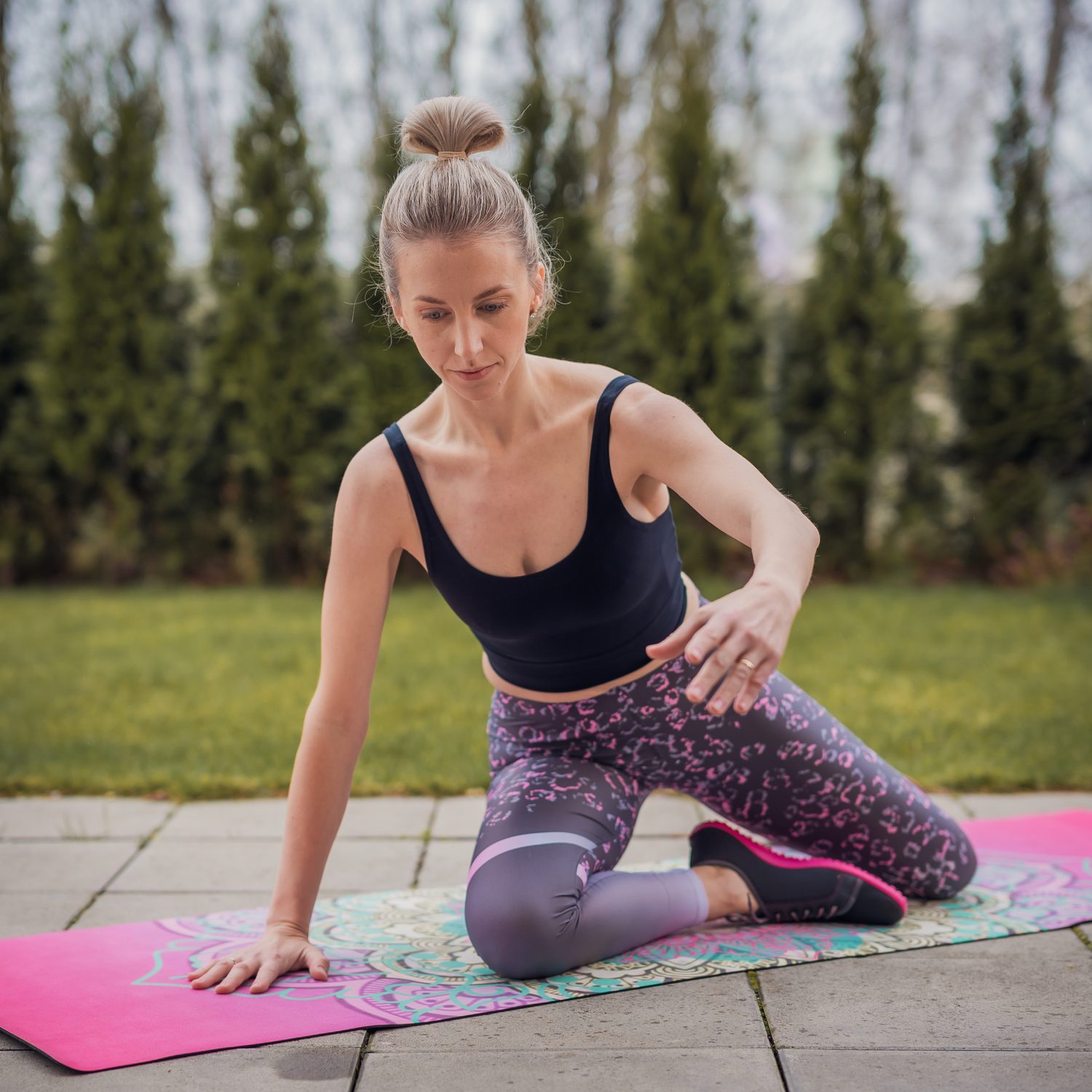
With an inhale I activate the pelvic floor, lift the buttocks off the mat and rotate the whole torso behind the front knee; with an exhale I slowly return.
Number of repetitions: 8x on each side
It’s small and invisible, yet it has more functions than any other muscle group in the body. The pelvic floor is part of the spine’s stabilisation system, influences mental wellbeing and sex life, and last but not least provides support for the internal organs. That’s why it’s worth remembering it as part of your exercise routine and overall self-care.
Mgr. Lucie Ternová
Founder of MAMASPORT, healthy movement instructor and physiotherapy student. She focuses on exercise during pregnancy, postnatal exercise, therapeutic exercise for children and working with babies.


 € - US
 Čeština
 Magyar
 Slovenščina
 Română
 български
 English
 Slovenčina
 Polski
 Dansk
 Nederlands
 Svenska
 Suomi
 Español
 Français
 Português
 Deutsch (DE)
 Deutsch (AT)
 Deutsch (CH)

