We’ll be happy to help via online chat or at: orders@premiumbarefoot.com

New Year’s weight-loss resolutions tend to fade as the months go by. Did you know you can lose weight just by walking in barefoot shoes? Here’s how to start – and how to make it more enjoyable.
Even something as ordinary as walking can lift your mood, strengthen your muscles and help you shift excess weight. But forget slow mooching around the shops topped off with a slice of cake in a café. If you want to get the most out of walking, you need to pick up the pace.
Over the last few decades, we’ve been spending less and less time walking. A sedentary lifestyle really doesn’t do the human body any favours – it increases the risk of many lifestyle-related conditions, and it’s also one of the reasons we keep gaining weight. So if you want to improve your fitness and overall health, try to build at least three one-hour walks into your weekly routine. This is especially important if you mostly sit at work, you’re an expectant mum, you’re living with obesity, or you’re recovering from illness or injury.
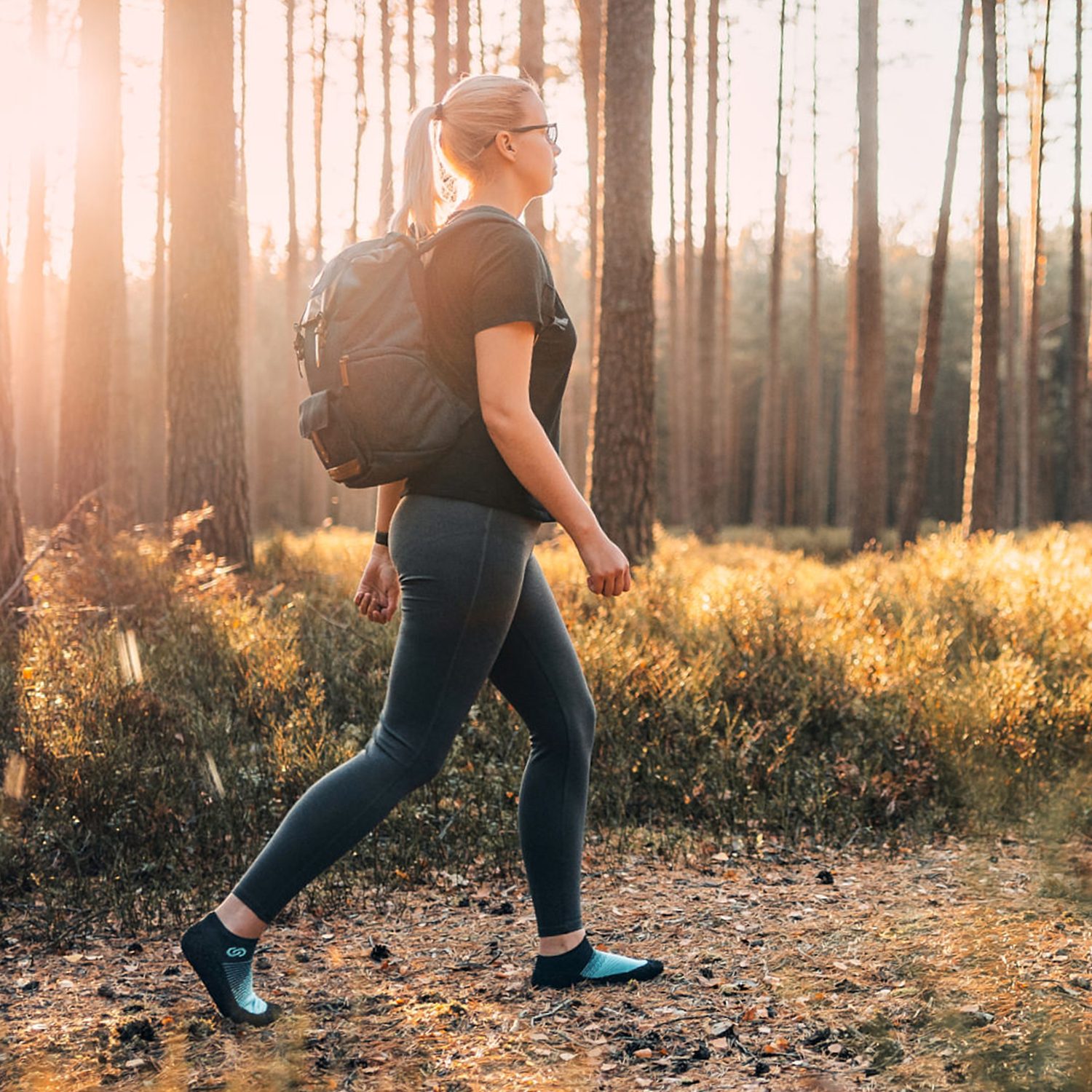
To get the very best out of walking, you need to move correctly. Before you even take your first step, stand tall with your feet hip-width apart (toes pointing straight ahead) and don’t jut your head forwards. That way you won’t overload your hips, knees or ankles – and you’ll avoid inviting neck pain, too.
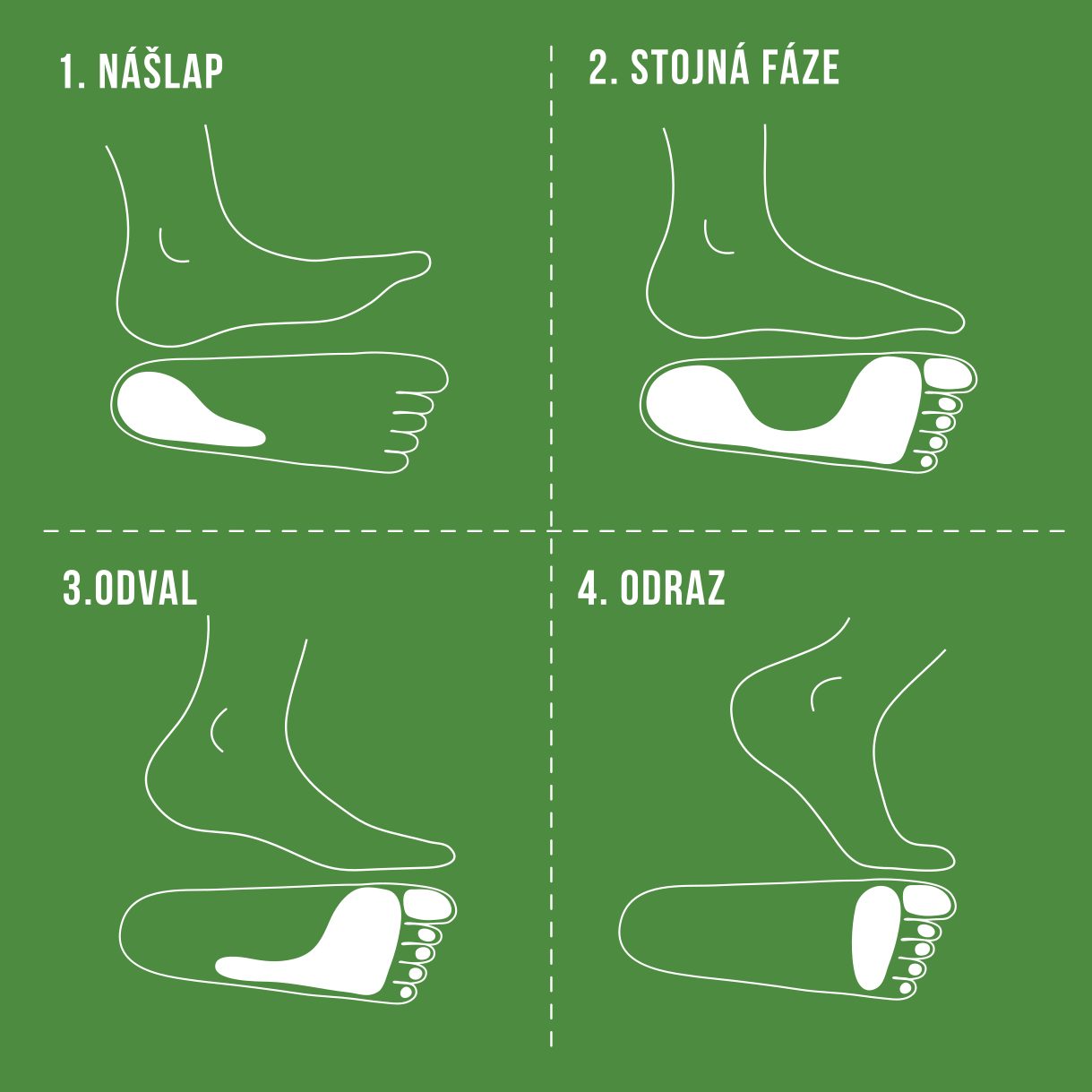
With each step, first bend at the ankle, lift your heel off the ground, and only then push off through your toes. Land softly on the outer edge of your heel bone, then roll along the little-toe side and gradually place the rest of your foot down. Don’t slam down onto your heels and don’t land on your toes.
Your whole body will thank you for regular brisk walks. You’ll improve your physical fitness and feel brighter thanks to the movement. But the benefits of walking don’t stop there – what else can it do for you?

If you add regular walking to a calorie-controlled diet, you’ll lose kilos much faster than if you focus on food alone. Just as an example – if you weigh, say, 65 kg, you’ll burn around 400 calories during a 60-minute brisk walk. And that number goes up if you head into hilly terrain.
Walking helps you get rid of excess fat without losing muscle mass – including fat stored around the abdomen, which can contribute to various vascular conditions. Physical activity also releases hormones into the bloodstream that ease low mood and improve how you feel, which will motivate you not to stay at home next time either.

Not sure what to do with your arms when you walk? Don’t just let them hang loosely by your sides, and don’t shove them in your pockets either. Instead, try using them – and don’t be afraid to bring in Nordic walking poles. They help you activate muscles you don’t usually use much (your whole arms, shoulders and upper back), and you’ll get a much more intense workout.
An hour of Nordic walking in hilly terrain burns roughly 442 kcal (again, an example for someone weighing around 65 kg). Don’t forget to breathe properly – in rhythm with your steps – to support oxygenation of the whole body, healthy circulation and to avoid that unpleasant stitch in your side.
If you want to lose weight by walking, it’s well worth getting a pedometer, fitness tracker or smartwatch. You’ll have a clearer overview of how far you’ve walked so far, and the numbers on the display will motivate you to keep moving. And that movement doesn’t have to mean long walks – try getting off public transport two stops earlier on your way to work, always walk to lunch, and take the stairs instead of the lift. Each of these might “only” burn a few dozen calories, but by the end of the day it can add up to a pretty decent total.
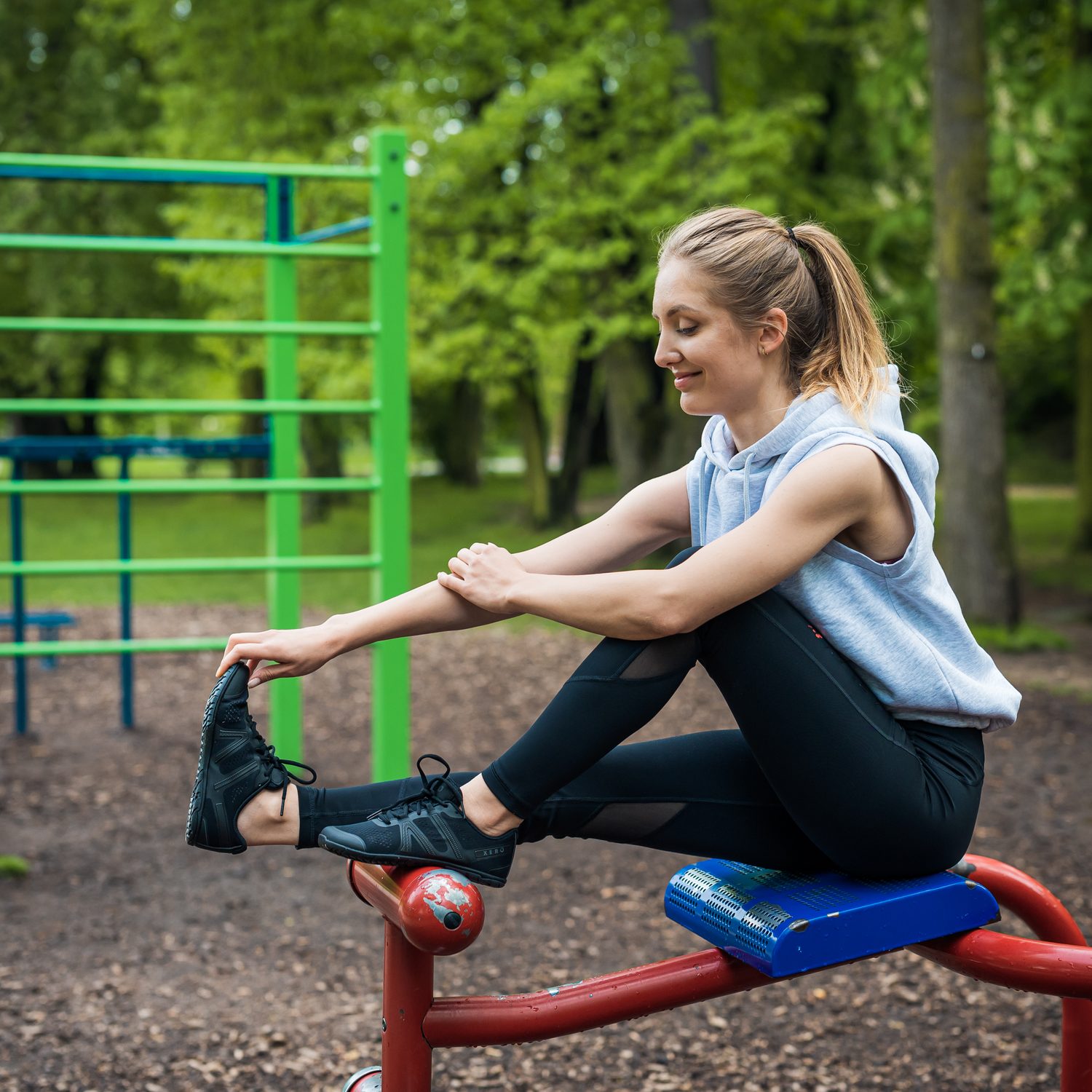
To make sure you genuinely enjoy regular walks and look forward to them each time, try to make them as pleasant as you can. Some people don’t like walking alone and prefer the company of their partner or a friend – try arranging it with someone who has a dog and goes out regularly anyway.
Others don’t like silence. For them, it’s great to listen to music or podcasts while walking – or even take a walking meeting and head to the park with a colleague. And another tip that really works: keep choosing new, more challenging routes. Not only will you avoid getting bored (goodbye, routine), you’ll also keep improving.
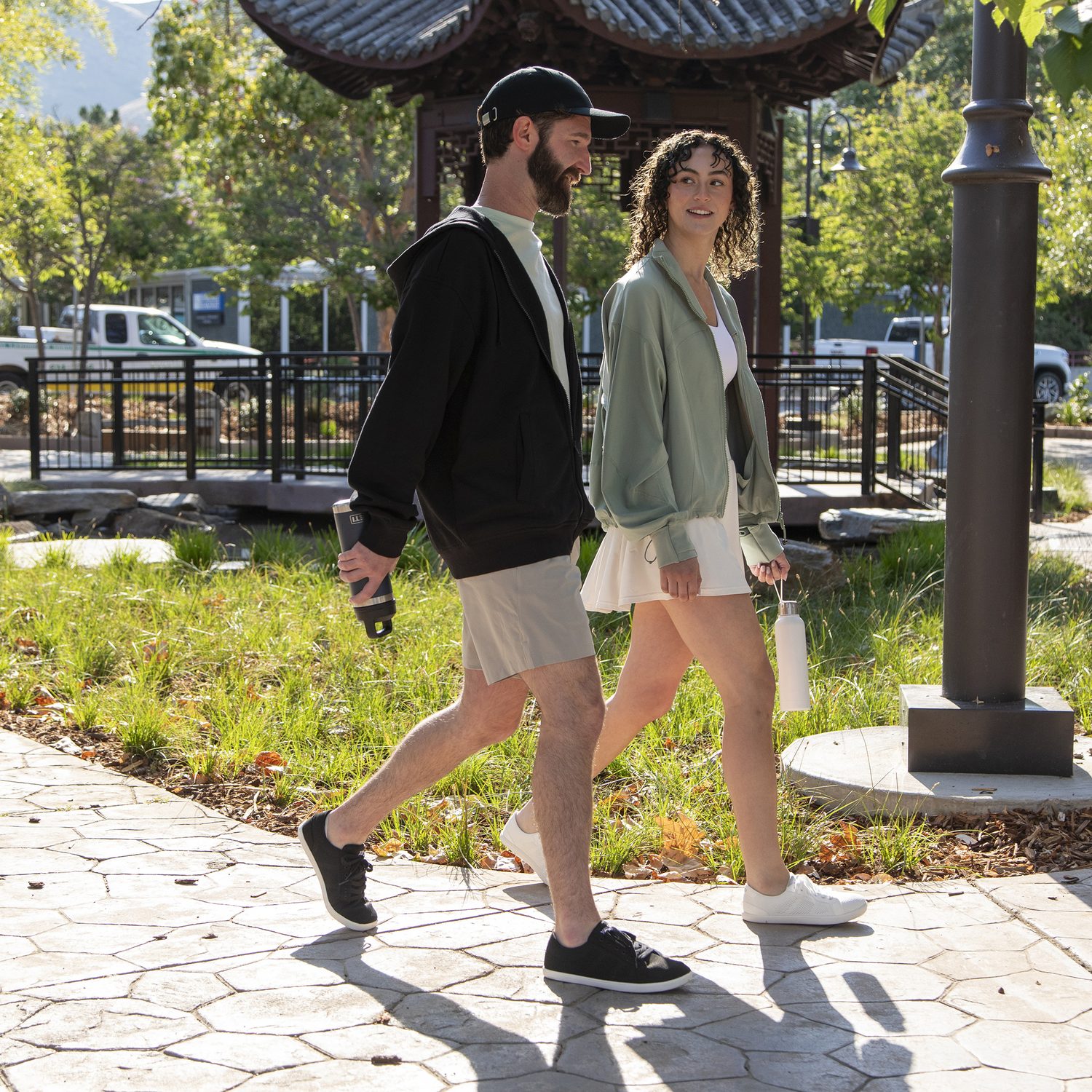
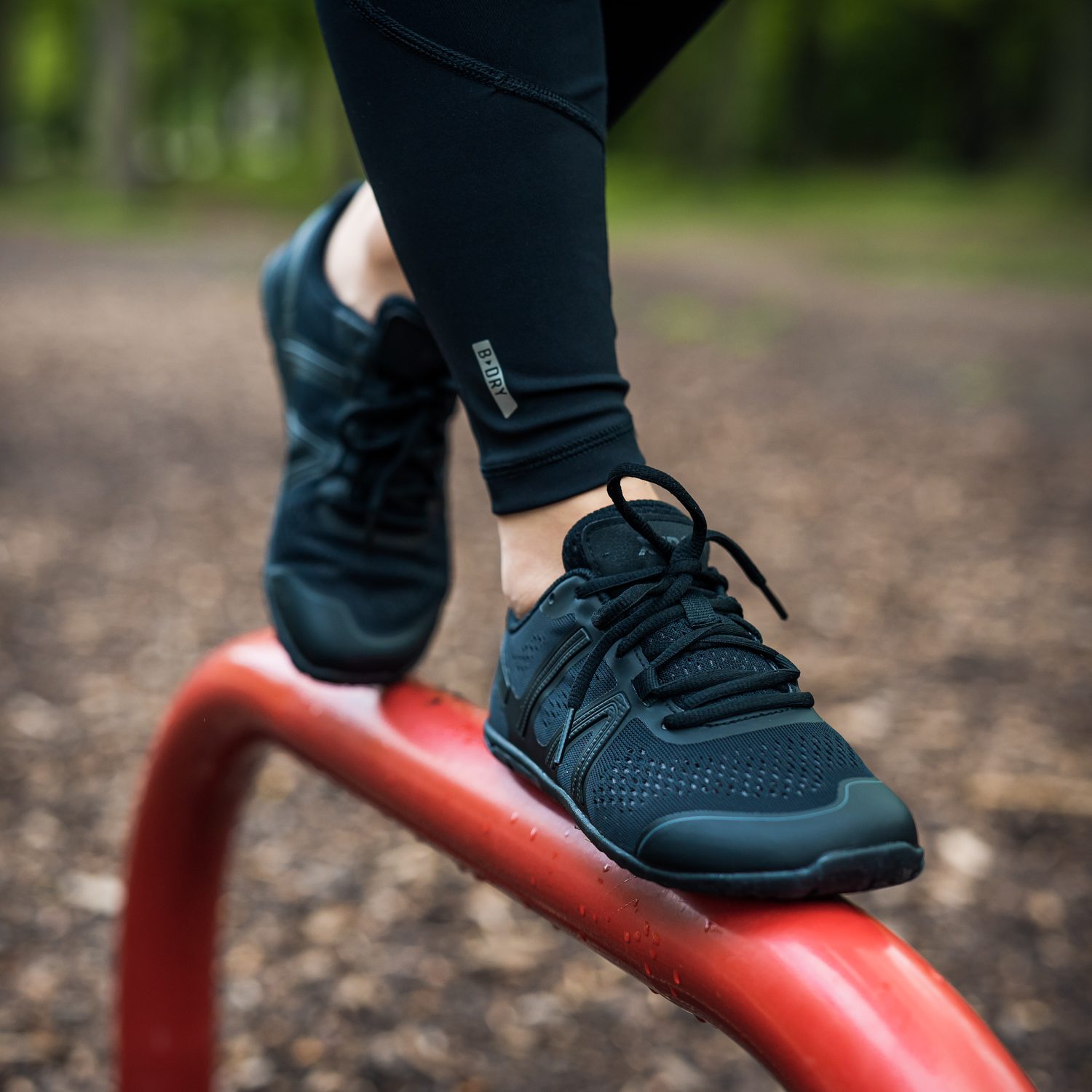
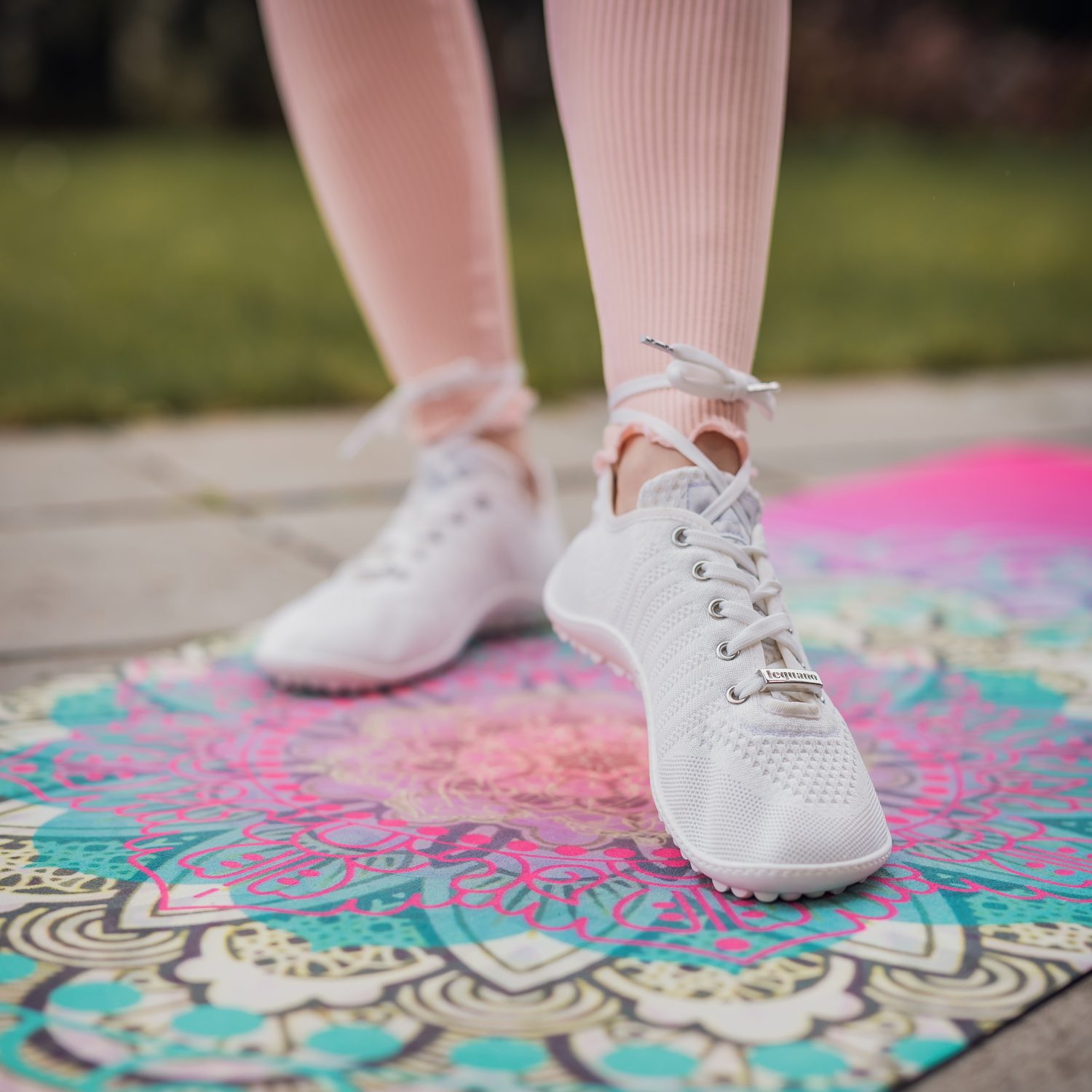
The right footwear is the foundation of good walking. Your shoes shouldn’t slip off or pinch anywhere – constantly tripping, or coming home with blisters or a sprained ankle, isn’t exactly the best motivation for your next walk. Court shoes and other heels are definitely a no-go, as are slip-on sandals that love to fly off at the slightest opportunity. Trainers are the ideal choice – and don’t be afraid to try barefoot shoes, which mimic walking barefoot.
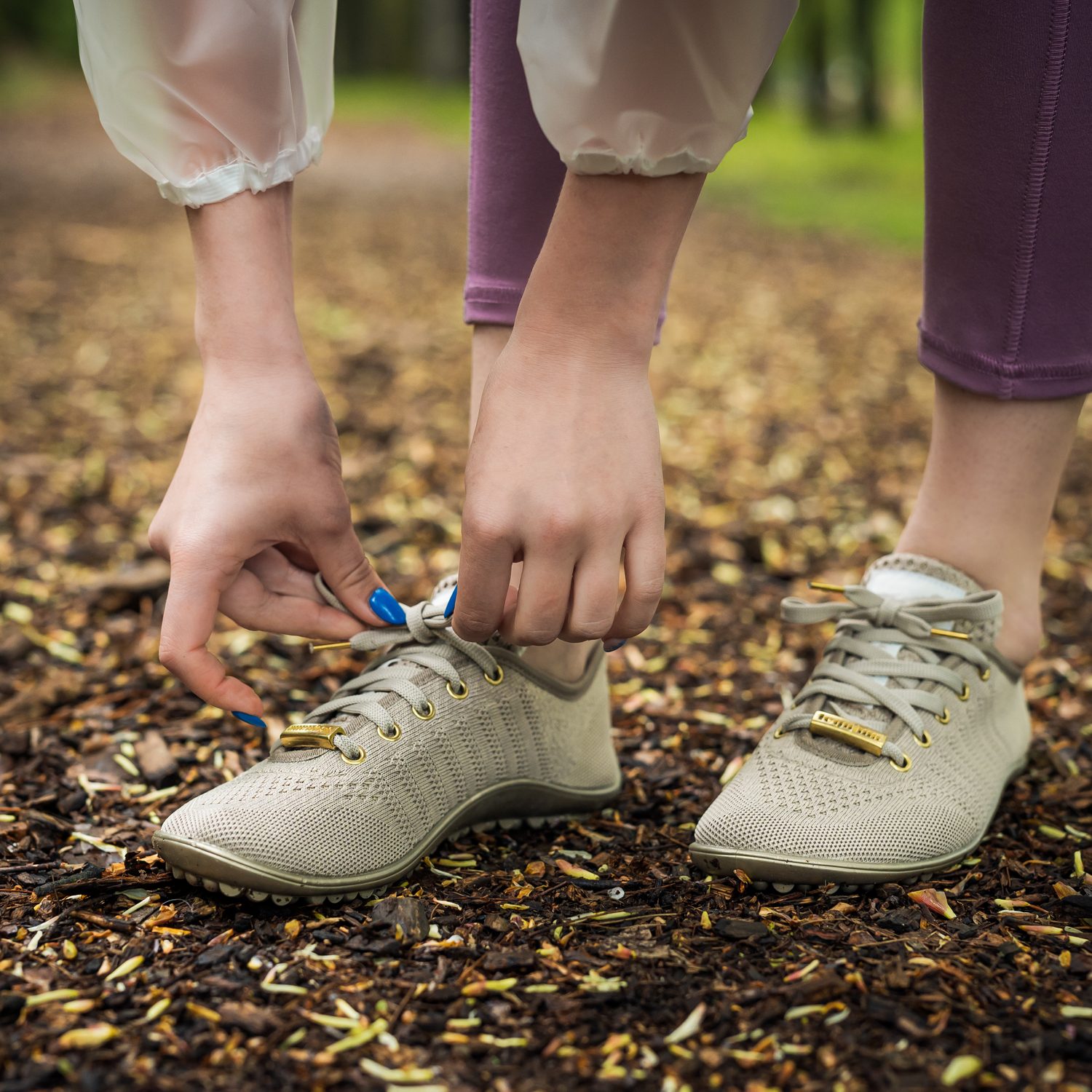
Start with this article: How to choose shoes for sport – from yoga and the gym to trail. And if that overview feels a bit too detailed, you can choose from the five models below.
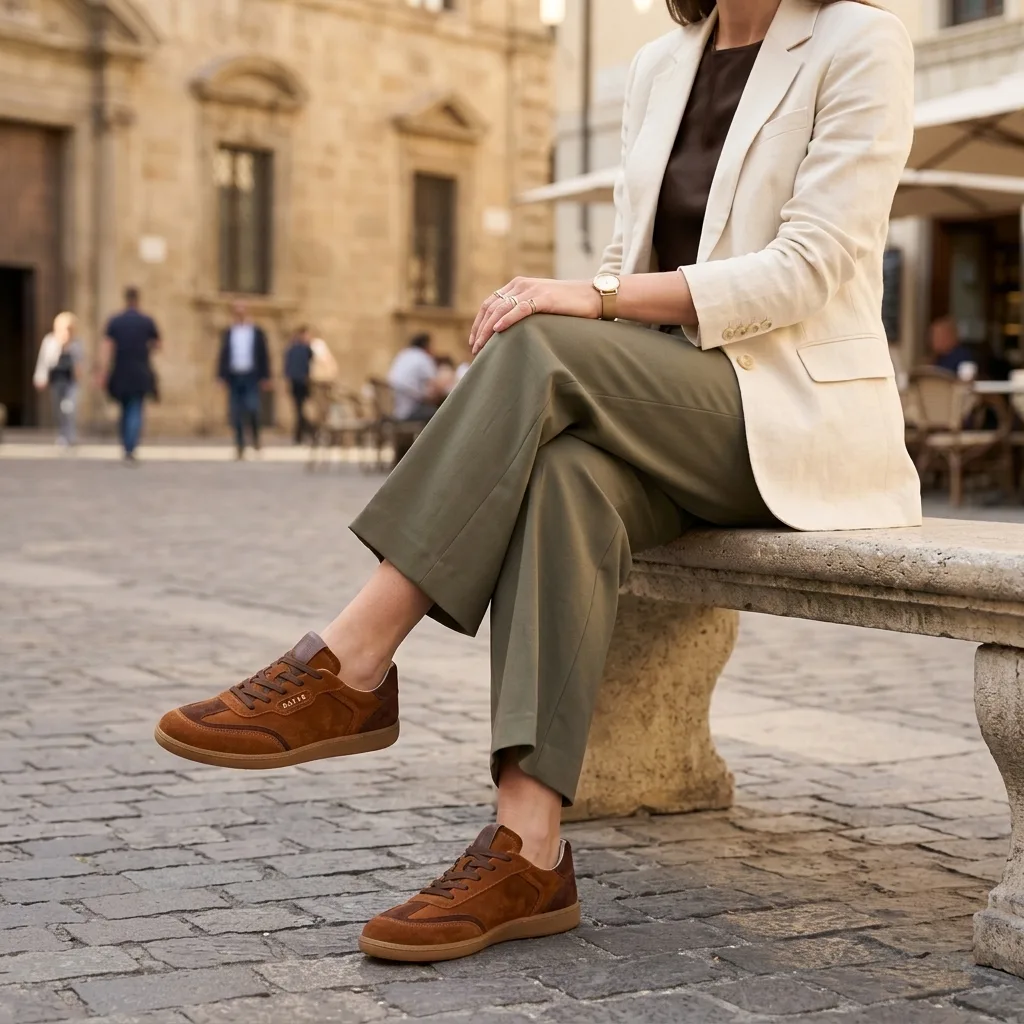
LEGUANO AKTIV

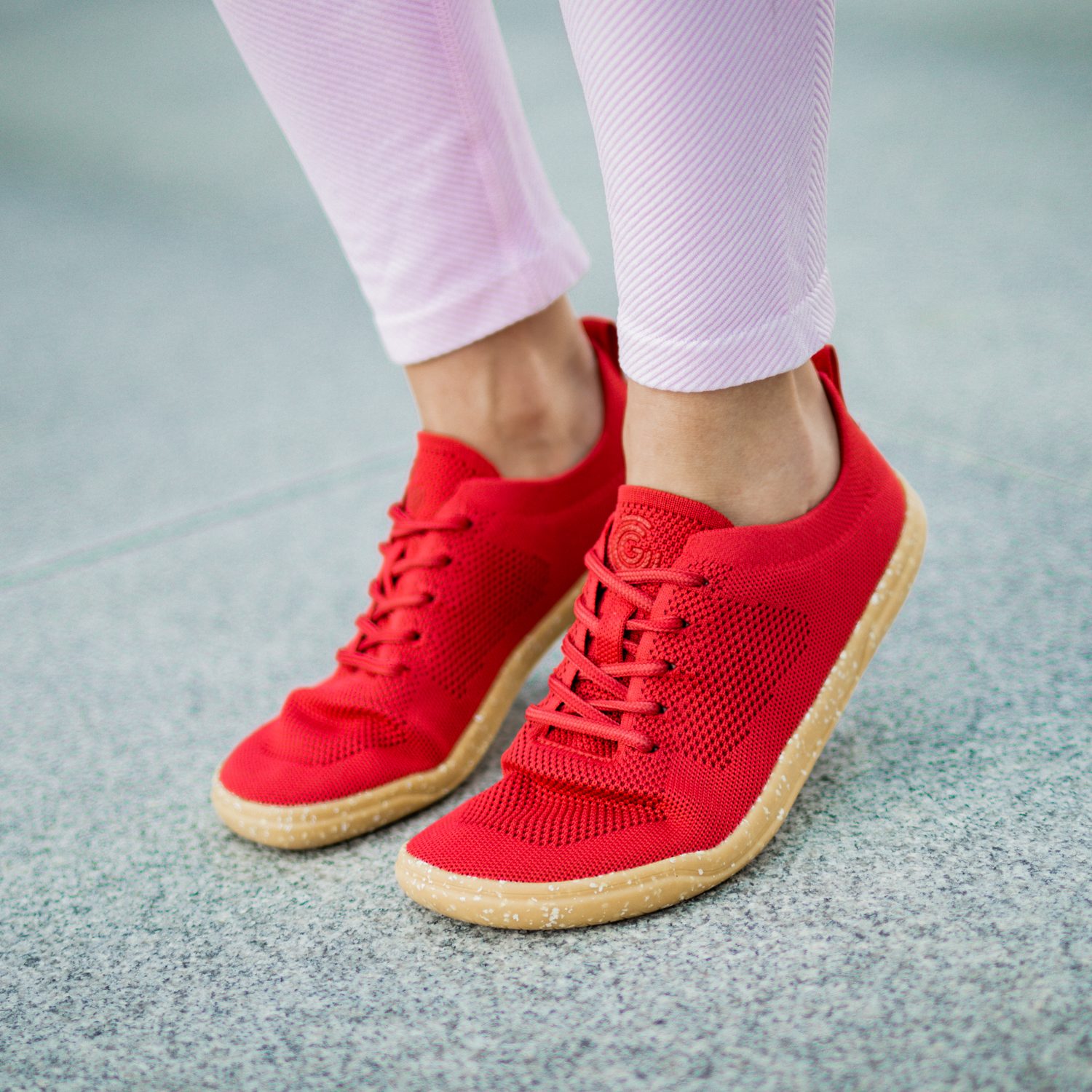
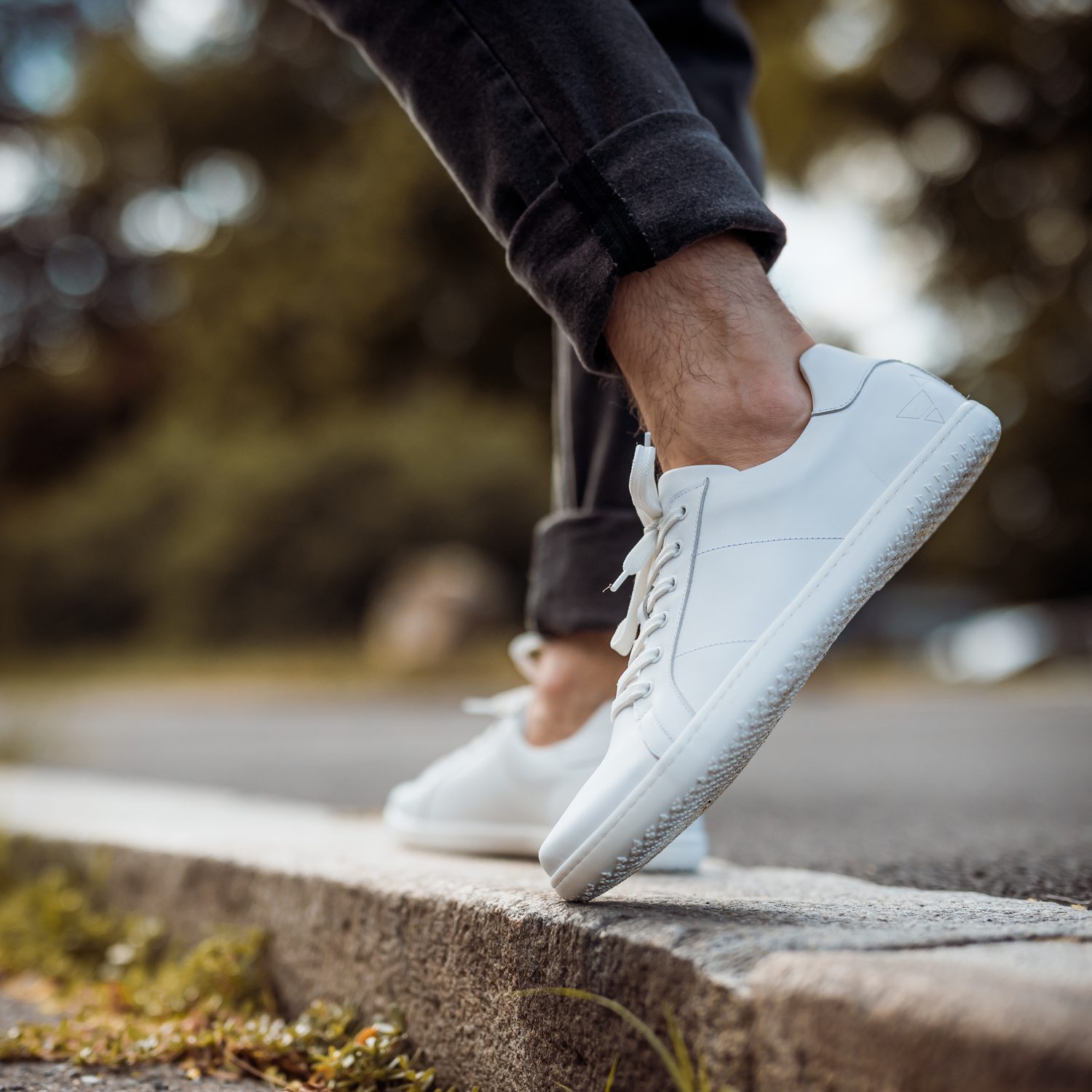

Don’t wait around – grab your favourite trainers from the shoe rack and try to walk at least 10 000 steps a day, which is about 7–8 km. But don’t be intimidated by that number – it doesn’t only include dedicated walks, but every single step you take throughout the day. You’ll see for yourself that regular movement helps reduce stress, improves your fitness – and helps you lose weight faster, too.


 € - US
 Čeština
 English
 Slovenčina
 Magyar
 български
 Polski
 Dansk
Dansk
 Nederlands
 Svenska
 Suomi
Suomi
 Español
 Français
 Slovenščina
 Română
 Português
 Deutsch (DE)
 Deutsch (AT)
 Deutsch (CH)


