We’ll be happy to help via online chat or at: orders@premiumbarefoot.com

A bunion isn’t just a cosmetic issue – it can cause pain and deformity. Find out how to prevent it, ease symptoms and when to consider treatment.
Are you dealing with pain, pressure points or discomfort when walking because of a bunion? Hallux valgus is not just a cosmetic issue, but above all a health complication that can lead to further foot deformities and pain throughout the musculoskeletal system.
The good news is that there are effective ways to slow it down, ease it, or even prevent it altogether. In this article, you’ll learn how the right care, suitable exercises and smart footwear choices can help keep your feet healthy and pain-free – and when it makes sense to consider specialist treatment.
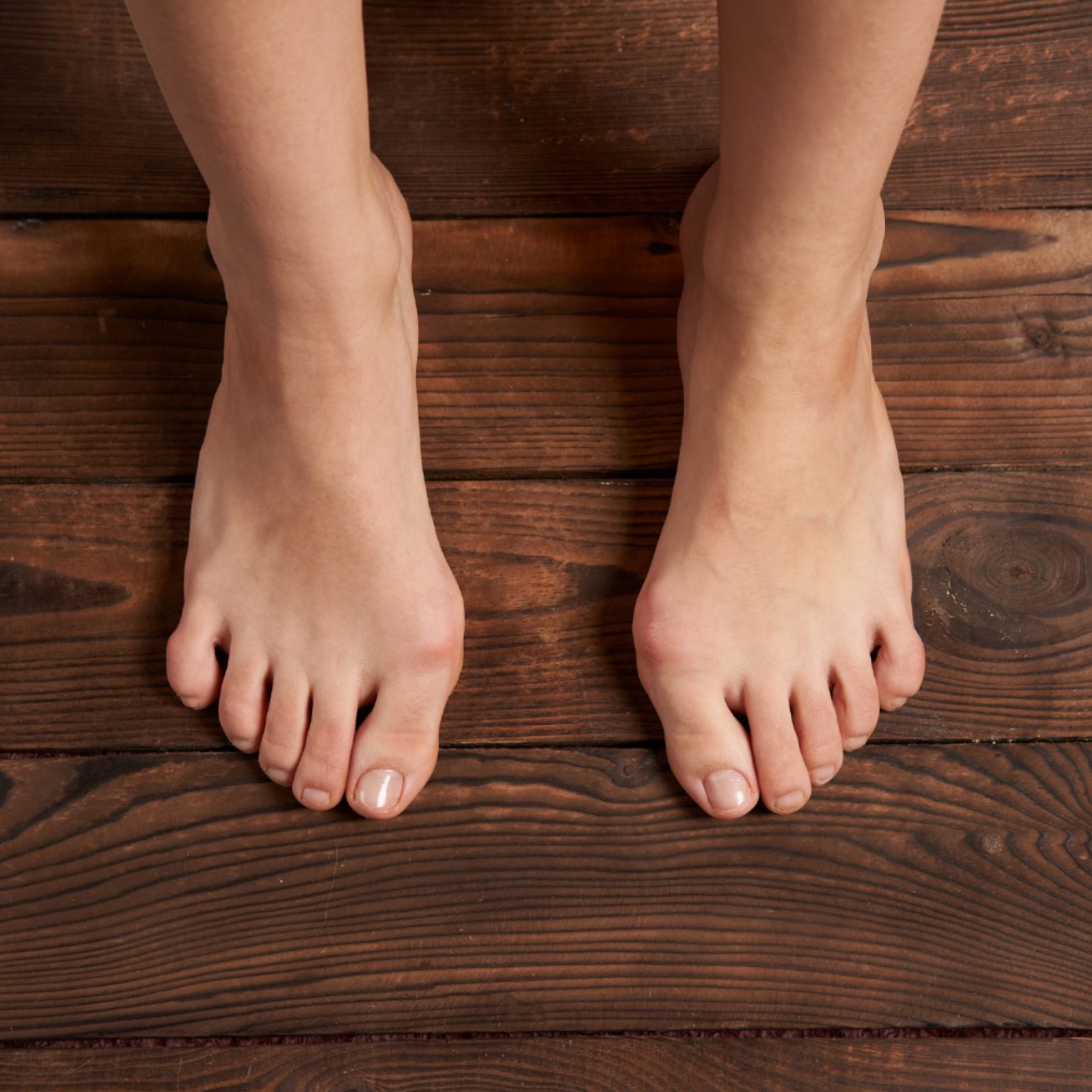
Hallux valgus is a deformity of the big toe where it angles towards the second toe. On the inside of the foot, around the base joint of the big toe, it can look like a bony bump is forming (a “bunion”) – but in reality it may simply be the displaced head of the first metatarsal bone.
The causes of bunions vary – from genetic predisposition, to the way you walk and uneven loading of the foot, right through to wearing unsuitable footwear.
A bunion tends to worsen over time and can cause pain, pressure points and reduced mobility. If it isn’t addressed early, it can lead to further orthopaedic complications, such as osteoarthritis or other issues affecting the musculoskeletal system.
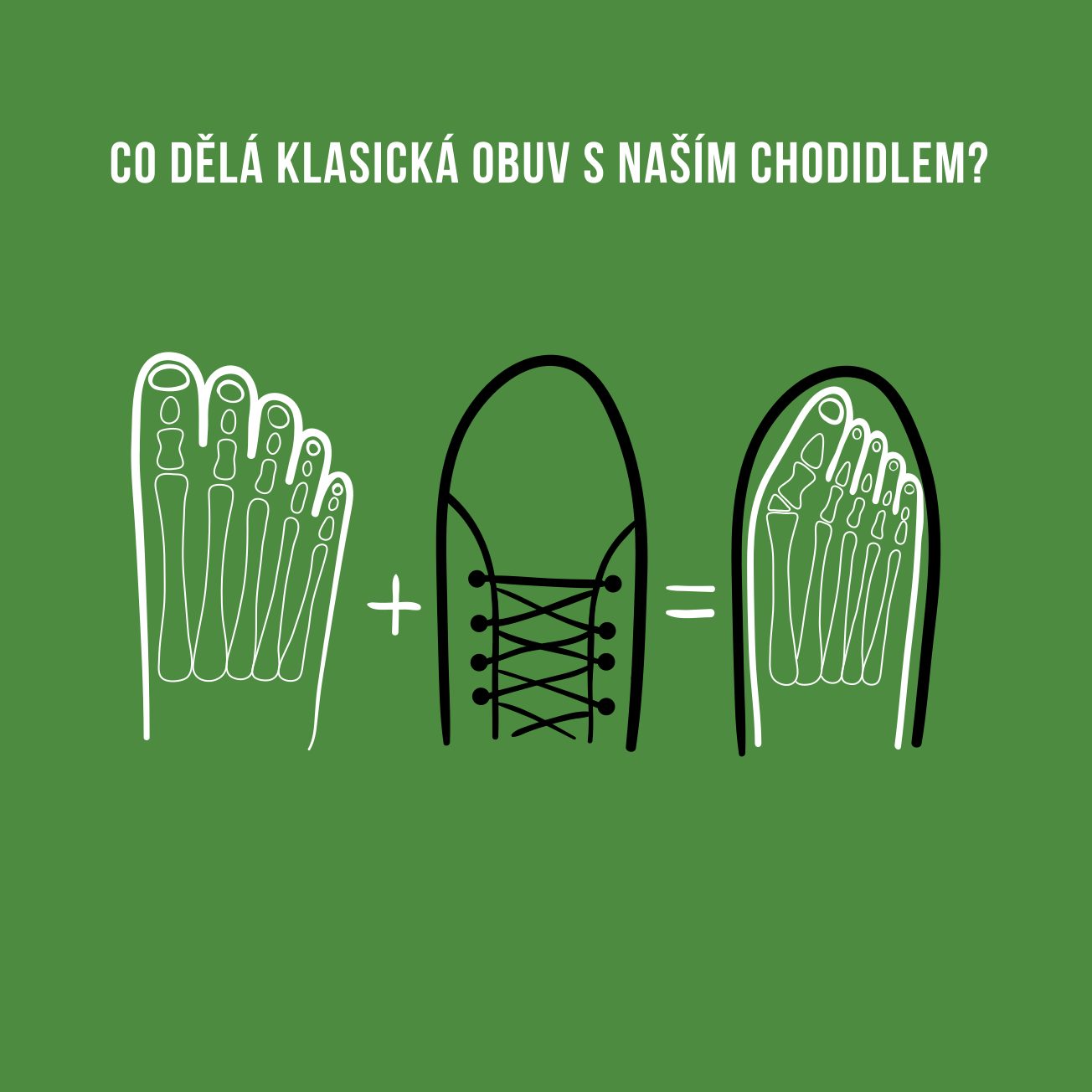
A bunion significantly changes how your foot transfers weight, which disrupts the natural biomechanics of walking. The result can be pain, pressure points, uneven joint loading, and even problems with the knees and spine – especially in the cervical spine area, where a reflex zone connects it with the big toes.
A bunion disrupts natural movement when you walk. The foot loses stability and the body shifts weight to other parts of the foot, causing uneven strain on joints and muscles.
People with hallux valgus often struggle with pressure points, hardened skin on the soles, and pain not only around the big toe joint but also in other parts of the foot and lower limbs.
If hallux valgus isn’t treated, it can lead to joint degeneration, fallen arches, back pain and changes in overall posture.
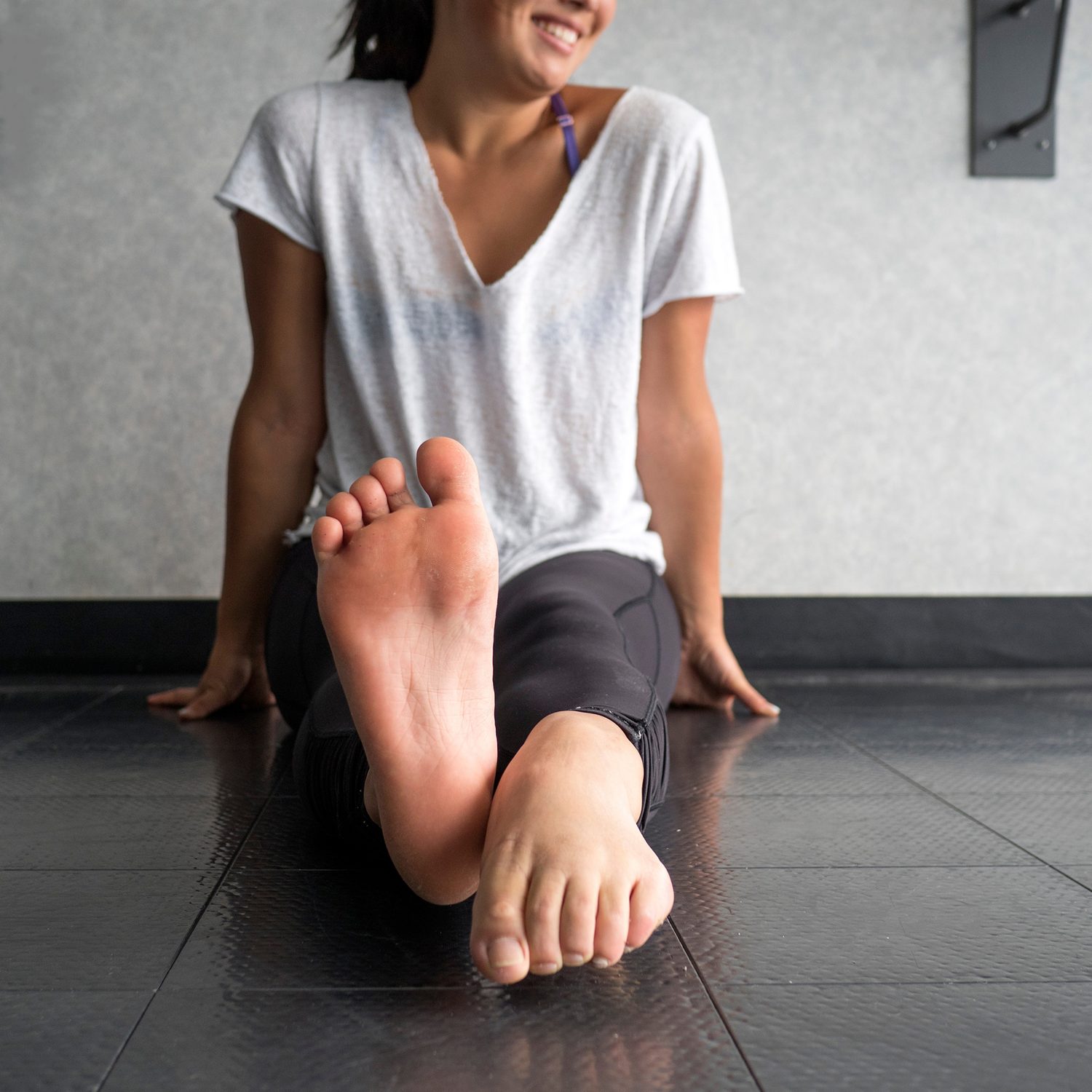
Proper foot care, suitable exercises, orthopaedic aids and choosing the right footwear often bring significant relief and help keep your feet healthy. Before you start thinking about surgery, it’s worth trying methods that can ease pain and slow the progression of hallux valgus.
But first of all, always see a specialist who can assess the current condition of your feet and recommend appropriate treatment options. With a severely advanced deformity, it’s usually too late for non-invasive methods and the only solution is surgery followed by recovery.
The first step in dealing with bunions should be a visit to a podiatrist, orthopaedic specialist or physiotherapist, who will assess you professionally and recommend suitable exercises and aids.
Regular exercise helps stabilise the foot and prevent further deformity. Include suitable mobilisation and soft-tissue techniques in your foot care routine. These release tension around the big toe joint and improve its mobility.
Make time for activating the lower limbs. Actively strengthen the foot itself – the muscles that abduct the big toe, flexors (benders), extensors (straighteners), etc.
Bunions and barefoot shoes: when and why is it beneficial to go “barefoot”?
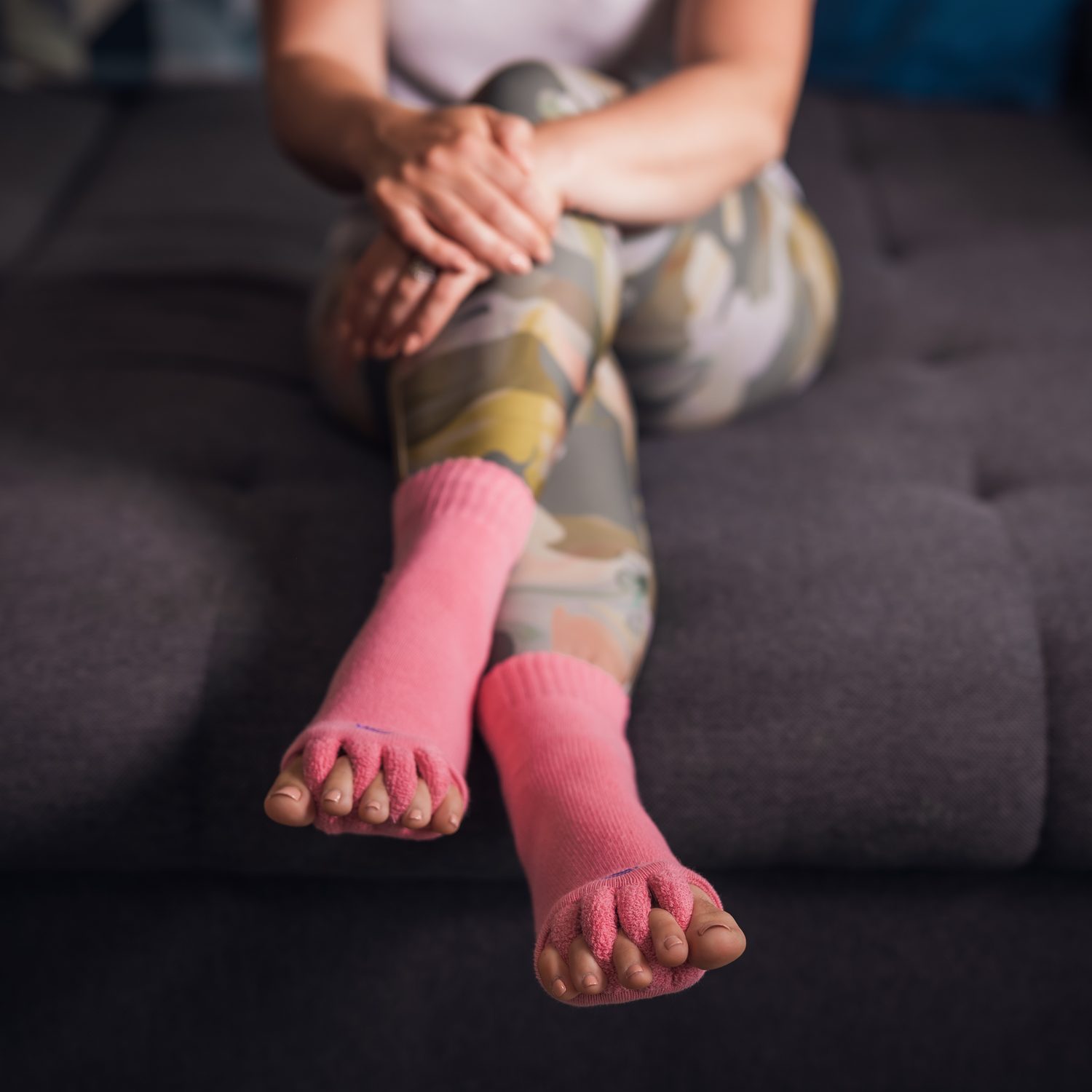
Passive aids such as toe spacers, alignment socks or kinesiology taping won’t solve bunions on their own, but they help stabilise the big toe, improve its alignment and ease the discomfort associated with hallux valgus.
Orthopaedic insoles can help with hallux valgus by distributing weight correctly across the foot and supporting its natural alignment. Customised inserts can reduce pressure on the deformed joint, ease pain and improve stability when standing and walking.
For the best effect, it’s important to combine insoles with suitable footwear and regular exercises to strengthen the arch.
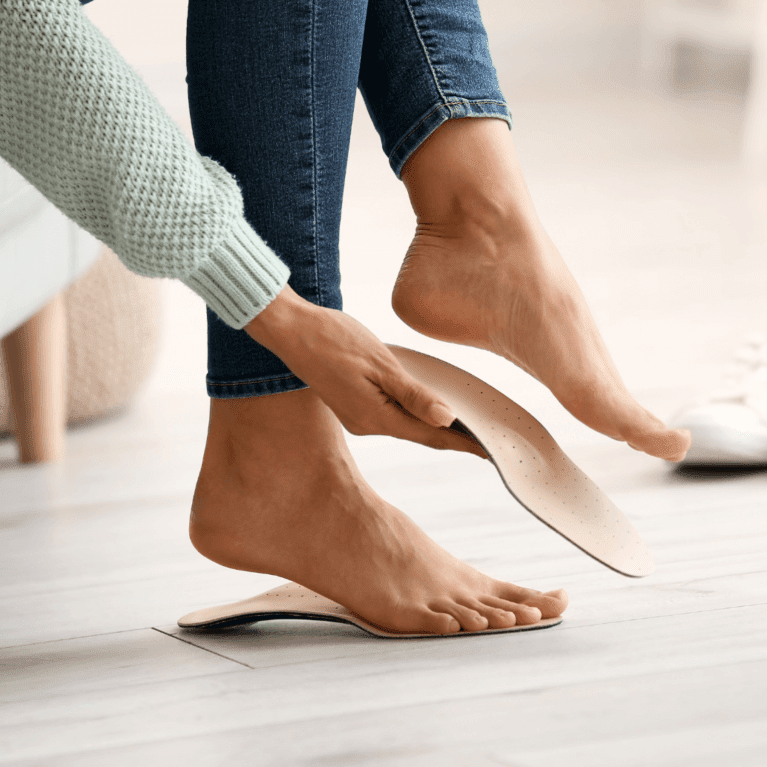
Whether you’re addressing hallux valgus as prevention or dealing with an acute issue, it’s important to wear shoes with a sufficiently wide toe box, a soft sole and no heel.
A popular choice is barefoot shoes, which support natural foot movement and give bunions plenty of space. Again – after consulting a specialist, taking into account the individual degree of deformity and the condition of your feet.
naBOSo TIP: How to choose barefoot shoes properly when you have bunions Choose shoes with a sufficiently wide toe box, a thin flexible sole and soft, adaptable materials.

It’s time to consider bunion surgery when pain and toe deformity make everyday activities difficult or impossible. If conservative treatment such as orthopaedic insoles or physiotherapy doesn’t bring relief, surgery may be an appropriate option.
Surgery is also recommended in cases where there are permanent changes in toe alignment and walking worsens. Another reason for surgery can be recurrent inflammation or pressure points that lead to complications, such as ulcer formation.
The most common surgical methods include:
Pre-operative rehabilitation helps prepare the foot for the procedure by strengthening muscles and improving joint mobility, which makes recovery easier.
After surgery, gradual weight-bearing, physiotherapy and exercises focused on restoring proper foot function are important. Good rehabilitation reduces the risk of hallux valgus returning and helps prevent further movement-related issues.
Prevention is essential to stop hallux valgus coming back after surgery. Regular strengthening exercises for the foot muscles and choosing the right footwear play a key role. If these habits aren’t maintained, the deformity may return to some degree. Ongoing care helps keep your feet healthy and minimises the risk of the problem coming back.
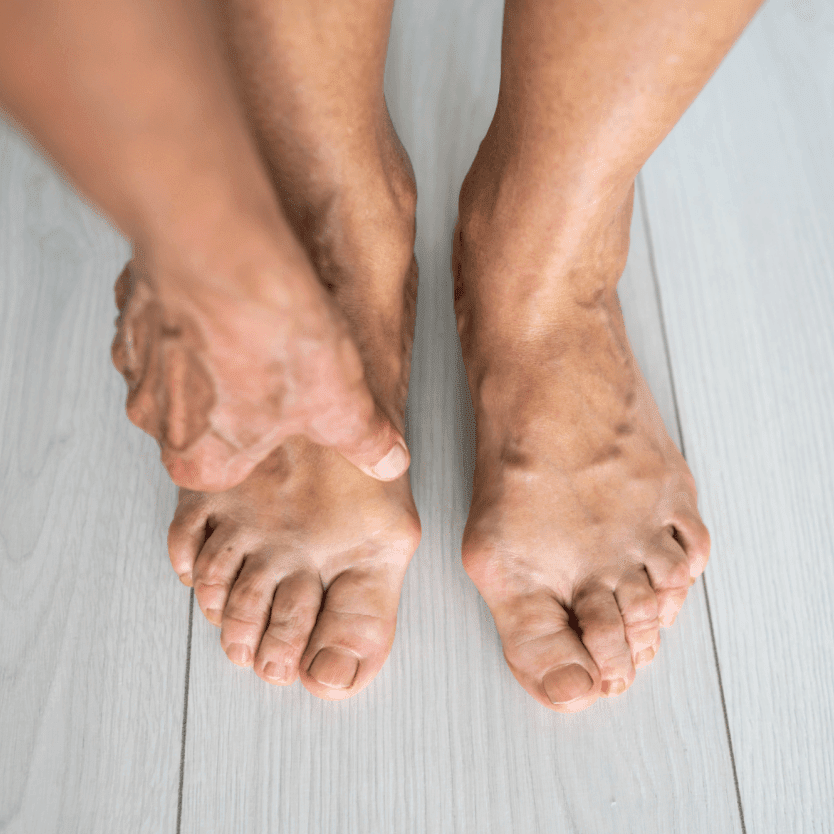
Hallux valgus doesn’t have to mean ongoing pain and restricted movement. With the right prevention, suitable footwear and targeted exercises, you can ease symptoms or even prevent it from developing.
If the problem has already appeared, don’t wait for it to get worse – see a specialist and start looking after your feet early. Whether you choose rehabilitation, passive aids or a change of footwear, every step towards healthier feet is worth it.

This article was created in collaboration with Bc. Edita Prošková – a podiatrist specialising in acquired and congenital foot conditions in children and adults. Through exercises and podiatric aids, she helps restore impaired foot function, which affects the condition of the entire musculoskeletal system.


 € - US
 Čeština
 Magyar
 Slovenščina
 Română
 български
 English
 Slovenčina
 Polski
 Dansk
 Nederlands
 Svenska
 Suomi
 Español
 Français
 Português
 Deutsch (DE)
 Deutsch (AT)
 Deutsch (CH)

